- The Link Between a Cold Plunge and Heart Attack: What the Science Says
- How Sudden Immersion Triggers the Cold Shock Response
- Managing High Blood Pressure and Stroke Risk During Cold Exposure
- Why Hypertension Makes Cold Plunging More Dangerous
- From Sauna to Cold Plunge: The Hidden Dangers of Rapid Temperature Shifts
- The Cardiovascular Strain of Thermal Shock
- Is Your Heart Ready? Common Mistakes to Avoid When Plunging
- Why Diving Head-First is a Critical Safety Error
- Who Should Avoid the Ice? Clear Signs Cold Plunging Isnt for You
- Red Flags: When to Stop Your Cold Water Therapy Immediately
- How to Plunge Without Punishing Your Heart: A Safe Protocol
- Gradual Acclimation: Training Your Heart for the Cold
- Frequently Asked Questions
The Link Between a Cold Plunge and Heart Attack: What the Science Says
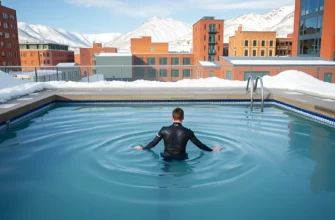
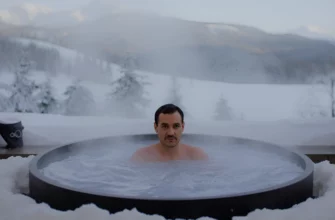
When you submerge your body into water below 55°F, your physiology undergoes a violent transformation within milliseconds. This isn’t merely a “refreshing” jolt; it is a profound systemic shock that forces your cardiovascular system to adapt at a speed that can, in rare cases, exceed its structural limits. Understanding the mechanics of this stress is vital for anyone using cold therapy as a recovery tool.
The primary concern for cardiac health during immersion is the immediate surge in catecholamines, specifically adrenaline and norepinephrine. These hormones act as chemical messengers that command the heart to beat faster and with more force while simultaneously narrowing the pathways for blood to travel. For a healthy heart, this is a manageable stress test, but for an organ with underlying vulnerabilities, it can be a catalyst for a major event.
How Sudden Immersion Triggers the Cold Shock Response
The Cold Shock Response (CSR) is an involuntary physiological reaction that begins the moment your skin thermoreceptors detect a rapid temperature drop. This triggers an immediate gasp reflex, which is the body’s attempt to pull in oxygen to fuel the impending survival effort. This sudden inhalation is often followed by hyperventilation, which significantly increases the workload on your heart as it tries to match blood flow to the rapid respiratory rate.
Simultaneously, the sympathetic nervous system goes into overdrive, causing peripheral vasoconstriction. This means the blood vessels in your arms and legs slam shut to preserve heat for your internal organs. To stay safe in cold water, you must understand that this forces a massive volume of blood back toward your core, causing an instantaneous spike in central venous pressure. Your heart must pump against this increased resistance, leading to managing heart rate spikes that can reach 120-150 beats per minute in the first thirty seconds of immersion.
This “pressor response” is the most dangerous phase of the plunge. The combination of a racing heart and high resistance in the circulatory system creates a perfect storm for ischemia—a condition where the heart muscle doesn’t receive enough oxygen to meet its own demands. If the coronary arteries are partially blocked by plaque, this sudden demand for oxygen can trigger a myocardial infarction, or heart attack, even if the individual felt perfectly healthy on dry land.
Managing High Blood Pressure and Stroke Risk During Cold Exposure
For individuals with existing hypertension, the risks of cold plunging are significantly magnified. Blood pressure doesn’t just rise during a plunge; it can skyrocket to levels that would be considered a hypertensive crisis in a clinical setting. This rapid elevation puts immense “shear stress” on the lining of the arteries, which can lead to the rupture of unstable plaques or the bursting of weakened vessels in the brain.
The danger is not just the cold itself, but the speed of the transition. When the body is forced to move blood from the surface to the core in under five seconds, the internal plumbing of the human body faces a pressure test that few other activities can replicate. For those with high blood pressure, the risk of a hemorrhagic stroke or a sudden cardiac arrhythmia becomes a statistical reality that must be respected.
| Physiological Marker | Healthy Individual Response | Hypertensive Individual Risk |
|---|---|---|
| Systolic Blood Pressure | Temporary increase of 20-30 mmHg. | Spikes exceeding 200 mmHg, risking arterial rupture. |
| Heart Rate Variability | Quick recovery and stabilization. | High risk of atrial fibrillation or palpitations. |
| Arterial Elasticity | Vessels expand/contract efficiently. | Rigid vessels create extreme resistance to blood flow. |
| Stroke Risk | Negligible for most. | High risk of plaque rupture leading to embolism. |
Why Hypertension Makes Cold Plunging More Dangerous
Hypertension is often a “silent” condition, meaning many plungers may have narrowed or stiffened arteries without knowing it. When these individuals enter an ice bath, the cold plunge and high blood pressure interaction causes the heart to fight against a closed-off circulatory system. Because the arteries cannot expand to accommodate the sudden influx of blood to the core, the pressure has nowhere to go but up, putting extreme strain on the left ventricle.
Furthermore, the rapid cooling of the blood can increase its viscosity, making it “thicker” and harder to pump. In a person with high blood pressure, this increased thickness combined with narrowed vessels significantly raises the probability of a blood clot forming. Lowering heart stress in these scenarios is difficult once the immersion has begun; the only real safety measure is prevention through medical screening and a very gradual introduction to cold temperatures.
From Sauna to Cold Plunge: The Hidden Dangers of Rapid Temperature Shifts
The “Fire and Ice” method—moving directly from a 180°F sauna to a 40°F cold plunge—is a staple of Nordic wellness, but it is also one of the most taxing sequences for the human heart. In the sauna, your blood vessels are fully dilated (vasodilation) as the body tries to dump heat through the skin. Your heart rate is already elevated, often matching the intensity of moderate exercise, to facilitate this cooling process.
Jumping into ice-cold water immediately after causes these wide-open vessels to constrict with violent speed. This creates a “tug-of-war” within the autonomic nervous system. The body is transitioning from a state of trying to lose heat to a state of desperate heat preservation in seconds. This can lead to autonomic conflict, where the heart receives clashing signals to both speed up (from the cold shock) and slow down (from the diving reflex), which is a known trigger for sudden cardiac arrest.
The Cardiovascular Strain of Thermal Shock
The thermal shock of moving from extreme heat to extreme cold forces the heart to redirect blood flow with an intensity that can lead to sudden fainting or syncope. When you are in the sauna, a large portion of your blood volume is at the surface of your skin. Upon hitting the cold water, that blood is shoved back toward the heart and lungs so fast that it can overwhelm the right side of the heart, leading to a temporary backup in the venous system.
This is why many people report heart palpitations during the transition. The heart is struggling to recalibrate its rhythm to the new pressure environment. To maintain sauna and cold plunge safety, practitioners should never dive or jump into the water. Instead, they should allow for a brief “cool down” period at room temperature to let the blood vessels begin to stabilize before the final icy immersion.
Is Your Heart Ready? Common Mistakes to Avoid When Plunging
Many enthusiasts approach cold plunging with a “no pain, no gain” mentality, often ignoring the very clear warning signs their bodies are sending. This ego-driven approach is where the most significant risks lie. Cold water is an uncompromising environment; it does not care about your fitness level if your internal safety protocols are ignored.
Critical Safety Warnings:
- Never plunge alone: If you experience a cardiac event or “cold shock” fainting, you will drown without a spotter.
- Avoid holding your breath: Forcing a breath-hold during the initial shock increases internal thoracic pressure, further stressing the heart.
- Don’t stay in too long: Benefits plateau after 3-5 minutes; staying longer only increases the risk of hypothermia and “afterdrop” cardiac stress.
- Skip the plunge if you are ill: Viral infections can cause subclinical heart inflammation (myocarditis), which cold water can turn into a fatal arrhythmia.
Why Diving Head-First is a Critical Safety Error
Diving head-first into cold water is perhaps the most dangerous way to enter. When the face is submerged in cold water, it triggers the mammalian dive reflex, which tells the heart to slow down (bradycardia) to conserve oxygen. However, the rest of the body is experiencing the cold shock response, which tells the heart to speed up (tachycardia). These two opposing signals can cause the heart’s electrical system to “short circuit,” leading to lethal arrhythmias.
Furthermore, the gasp reflex triggered by the cold shock can cause you to inhale water if your head is already submerged. This leads to water inhalation and potentially a laryngospasm, where the vocal cords seize up. Utilizing safe entry techniques, such as stepping in slowly and keeping your head above water until your breathing is under control, is the only way to mitigate this specific risk.
Who Should Avoid the Ice? Clear Signs Cold Plunging Isnt for You
While cold therapy has numerous benefits for metabolic health and inflammation, it is not a universal remedy. Certain medical conditions make the “cold shock” a life-threatening gamble rather than a therapeutic stressor. If you have a diagnosed heart condition, you must realize that the cold plunge is essentially a maximal-effort stress test that lasts for several minutes.
Those with cardiac arrhythmias, such as Atrial Fibrillation, should be extremely cautious. The surge in adrenaline can easily trigger an episode that may not resolve on its own. Similarly, individuals on beta-blockers are at risk because these medications prevent the heart from speeding up to meet the body’s demands, which can lead to a sudden drop in blood pressure and loss of consciousness in the water.
Red Flags: When to Stop Your Cold Water Therapy Immediately
It is important to distinguish between the “normal” discomfort of being cold and the signs of heart distress. Normal cold immersion involves a stinging sensation on the skin, shivering, and a temporarily elevated heart rate. However, certain symptoms are non-negotiable “stop” signals that require immediate exit and medical evaluation.
- Crushing chest pain or pressure: This is a primary indicator of cardiac ischemia and a potential heart attack.
- Dizziness or tunnel vision: These are signs that your brain is not receiving enough oxygenated blood due to a drop in cardiac output.
- Numbness in the left arm or jaw: Classical referred pain for heart issues that can be triggered by the cold’s pressor response.
- Extreme, uncontrollable gasping: If you cannot regain control of your breath within 60 seconds, your cold plunge contraindications may be surfacing, and you are at risk of passing out.
How to Plunge Without Punishing Your Heart: A Safe Protocol
Safety in cold water is built on a foundation of gradual acclimation. You wouldn’t attempt to bench press 300 pounds on your first day at the gym, and you shouldn’t jump into 34°F water for your first plunge. The goal is to train your autonomic nervous system to stay calm under stress, a process known as “habituation.”
- Start with cool showers: Begin at 60°F for 30 seconds at the end of your normal shower to test your initial reaction.
- Check your vitals: Ensure your resting blood pressure is within a healthy range before starting a regular plunging routine.
- The “Feet First” rule: Always enter the water slowly, allowing your lower extremities to signal the brain before the torso is submerged.
- Focus on the exhale: Long, slow exhales tell your nervous system that you are safe, helping to control the breath and dampen the adrenaline surge.
- Keep it short: Limit your first several sessions to 60-90 seconds to monitor how your heart responds during the rewarming phase.
Gradual Acclimation: Training Your Heart for the Cold
The heart is a muscle, and like any muscle, it can be conditioned. Through safe cold water immersion, you can actually lower your body’s “shock” response over time. Studies show that after just 5 to 10 short exposures, the initial heart rate spike can be reduced by up to 50%. This habituation makes the practice significantly safer as the heart doesn’t have to work nearly as hard to maintain homeostasis.
During this process, controlling the breath is your most powerful tool. By consciously slowing your respiration, you stimulate the vagus nerve, which acts as a brake on the heart. This helps counteract the sympathetic “fight or flight” response, ensuring that your heart rate remains within a safe, manageable zone even as the cold tries to drive it upward.
In my professional experience, I have seen that physical fitness is often a poor predictor of how a heart will handle extreme thermal stress. I have treated marathon runners who suffered arrhythmias in cold water because they relied on their aerobic capacity while ignoring the autonomic conflict that occurs during immersion. The “mammalian dive reflex” and the “cold shock response” are two ancient survival mechanisms that, when triggered simultaneously, can put the heart into a state of electrical chaos. I always advise my patients that the first 30 seconds are the most dangerous. If you can move past that window with controlled, rhythmic breathing, your risk profile drops significantly. However, never assume your heart is “tough” enough to bypass the need for a slow, methodical acclimation process.
Frequently Asked Questions
Yes, though rare, the extreme surge in adrenaline and blood pressure can cause a heart attack if there is an undiagnosed underlying condition or if the “autonomic conflict” triggers a sudden arrhythmia.
Is it safe to cold plunge if I have high blood pressure?
No, you should consult a doctor first. Cold immersion causes an immediate and massive spike in blood pressure that can be dangerous for those with hypertension.
Why does my heart race or skip beats during a cold plunge?
This is usually due to the sudden release of norepinephrine and the heart’s struggle to pump against constricted blood vessels; while often benign, skipping beats can signal a more serious underlying rhythm issue.
What is the safest temperature for a heart-healthy cold plunge?
For beginners or those concerned with heart health, starting at 55°F to 60°F is much safer than jumping into near-freezing water, as it allows for a more controlled shock response.
Does cold plunging after a sauna increase the risk of a stroke?
Yes, the rapid transition from wide-open blood vessels to constricted ones causes a violent swing in blood pressure that can increase stroke risk in vulnerable individuals.
How long should I stay in the cold water to minimize heart risk?
To minimize risk, keep plunges between 1 and 3 minutes. Most cardiac events occur in the first minute, and staying in longer than 5 minutes increases the risk of core temperature drops that stress the heart during rewarming.