- Why a Dedicated Cold Plunge Machine is the Ultimate Recovery Upgrade
- The End of the Ice Run: Convenience and Consistency
- Decoding the Tech: How a Cold Plunge Generator Actually Works
- The Role of the Water Chiller and Pump
- Home vs. Commercial: Selecting the Right Cold Plunge Systems
- High-Traffic Solutions for Gyms and Spas
- Compact Cold Plunge Home Solutions
- Finding the Perfect Fit: From Inflatable Tubs to Permanent Pools
- Portable and Practical: Inflatable Manufacturers
- The Classic Cold Plunge Bucket and Pool
- Installation Mastery: Setting Up Your Cold Plunge Room
- Indoor vs. Outdoor Utility Requirements
- Targeted Therapy: The Rise of the Face Cold Plunge Device
- Skin Health and the Vagus Nerve
- Procurement Guide: Evaluating Cold Plunge Price and Suppliers
- What to Look for in a Cold Plunge Ice Bath Supplier
- Frequently Asked Questions
Why a Dedicated Cold Plunge Machine is the Ultimate Recovery Upgrade
The transition from hauling heavy bags of ice to pressing a single button on a digital thermostat marks the evolution of modern recovery. For years‚ athletes and wellness enthusiasts relied on the “ice run‚” a tedious process that often resulted in inconsistent temperatures and significant recurring costs.
A dedicated cold water plunge machine removes the friction of preparation‚ transforming a chore into a seamless daily habit. By automating the cooling process‚ these systems ensure that your water is exactly 39°F (4°C) the moment you wake up‚ providing a reliable cooling experience that manual methods simply cannot match.
The End of the Ice Run: Convenience and Consistency
If you are serious about daily cold exposure‚ the logistics of ice become a barrier to entry. A typical 100-gallon tub requires roughly 40 to 60 pounds of ice to reach therapeutic temperatures in a warm environment. At current retail prices‚ daily ice purchases can easily exceed $3‚000 per year‚ making the initial investment in a machine a financially sound decision for long-term users.
Beyond the cost‚ precision is the primary driver for high-performance recovery. A cold water plunge machine allows you to dial in specific temperatures to target different physiological responses. Whether you are seeking a 55°F soak for metabolic health or a sub-40°F dip for intense central nervous system recovery‚ active refrigeration maintains that set point regardless of the ambient temperature.
Decoding the Tech: How a Cold Plunge Generator Actually Works
Understanding the internals of a recovery system helps you make a better purchasing decision. A cold plunge generator is essentially a closed-loop refrigeration system optimized for water rather than air. It works by pulling water from the tub‚ passing it through a high-efficiency heat exchanger‚ and returning it at a lower temperature.
The process is more complex than a standard pool heater or aquarium chiller because it must handle much higher “pull-down” loads. While an aquarium chiller might lower water by five degrees over a day‚ a professional-grade generator can drop water temperature by ten degrees per hour‚ even in challenging outdoor conditions.
- Water Intake and Pre-Filtration: The pump draws water through a 20-micron filter to remove hair‚ skin cells‚ and debris before it enters the cooling manifold.
- Thermal Exchange: The water passes through a titanium heat exchanger where a refrigerant (usually R410A) absorbs the heat from the water and exhausts it through a fan-cooled condenser.
- Active Sanitization: Before returning to the tub‚ the water is treated with Ozone or UV-C light to neutralize bacteria and viruses without the need for high chlorine levels.
- Thermostatic Regulation: A digital controller monitors the temperature in real-time‚ cycling the compressor on and off to maintain the precise target within 0.5 degrees.
The Role of the Water Chiller and Pump
The heart of any system is the compressor’s horsepower. For a standard home setup‚ a 1/2 HP or 3/4 HP outdoor use water chiller cooler is usually sufficient. However‚ if you live in a climate like Florida or Arizona‚ or if you plan to keep the unit outdoors‚ upgrading to a 1 HP unit is vital to ensure the motor doesn’t burn out during peak summer heat.
Filtration is the second pillar of a high-quality generator. Integrated systems often feature 24/7 circulation‚ which prevents the water from becoming stagnant. When shopping‚ look for units that include an ozone injector; this gaseous O3 is a powerful oxidizer that breaks down organic matter‚ keeping the water crystal clear for months rather than days.
Home vs. Commercial: Selecting the Right Cold Plunge Systems
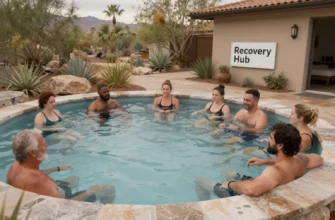
The requirements for a private residence differ drastically from those of a high-traffic athletic facility or biohacking center. While a home user might plunge once or twice a day‚ a commercial unit might see ten users per hour. This “heat load” from human bodies requires a significantly more robust cooling engine.
Commercial units must also adhere to stricter health department codes regarding water turnover rates. In a public setting‚ the entire volume of water should be filtered every 15 to 30 minutes to maintain safety and clarity. A home-grade cold plunge machine for home use simply won’t have the pump speed or filtration surface area to handle that volume of bio-load.
| Feature | Home/Residential Unit | Commercial/Pro Unit |
|---|---|---|
| Daily Capacity | 1-4 Plunges | 20+ Plunges |
| Cooling Power | 1/4 HP to 1/2 HP | 1 HP to 2 HP+ |
| Sanitation | Standard Cartridge Filter | Ozone + UV-C + Advanced Media |
| Electrical | Standard 110V Outlet | Often 220V Dedicated Circuit |
| Warranty | 1-2 Years Residential | 3-5 Years Commercial-Grade |
High-Traffic Solutions for Gyms and Spas
For facility owners‚ working with a reputable cold plunge pool supplier is essential for liability and maintenance. Commercial grade systems often feature industrial-sized canisters and high-flow pumps that can drop the water temperature back to the set point within minutes of a user exiting. This prevents the “lukewarm” effect that happens when multiple people use a lower-powered tub in succession.
Sanitation is non-negotiable in a commercial cold plunge commercial use environment. Advanced systems integrate dual-stage filtration and automated chemical dosing. Always ensure your commercial supplier provides an ETL or UL listing‚ as many local building inspectors will require this certification for commercial installations.
Compact Cold Plunge Home Solutions
Homeowners often prioritize footprint and noise levels. A cold plunge system for home use should be quiet enough to run on a patio or in a garage without disturbing the household. Modern “all-in-one” designs integrate the chiller and pump into the base of the tub‚ minimizing the footprint to roughly the size of a standard loveseat.
Compatibility is another major factor. Most residential cold plunge machine for home models are “plug-and-play‚” meaning they run on a standard 15-amp or 20-amp 110V circuit. To avoid tripping breakers‚ ensure the chiller and the tub’s heater (if equipped) are not running on the same circuit as other high-draw appliances like treadmills or space heaters.
Finding the Perfect Fit: From Inflatable Tubs to Permanent Pools
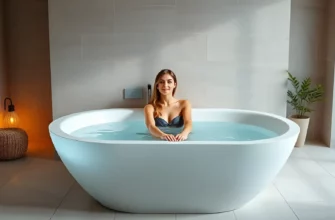
The physical structure of your plunge is just as important as the machinery. Modern materials have evolved beyond the simple galvanized stock tank. Today‚ you can choose between ultra-portable inflatable options that feel as rigid as wood or permanent architectural installations that serve as a focal point in a backyard or spa room.
Your choice should be dictated by your lifestyle. If you travel for competitions or live in a rental‚ portability is king. If you are building a permanent wellness sanctuary‚ investing in a high-thermal-mass material like 316-grade stainless steel will provide better temperature retention and a lifetime of durability.
Portable and Practical: Inflatable Manufacturers
The rise of the high-end inflatable tub has changed the market. These are not pool toys; they are constructed using “drop-stitch” technology‚ where thousands of polyester threads connect the top and bottom layers. When inflated to 10-15 PSI‚ the walls become so rigid you can sit on them without any deformation.
A cold plunge inflatable supplier will typically offer a bundle that includes a portable chiller and a backpack for the tub. For traveling athletes‚ this is the ultimate tool. You can deflate the entire system and fit it into the trunk of a car‚ allowing for professional-grade recovery at hotels or training camps.
The Classic Cold Plunge Bucket and Pool
For those who prefer a deep-soak experience where they can remain upright‚ the cold plunge bucket is the preferred choice. These vertical tanks allow for full submersion of the torso and neck while occupying a very small footprint. Many are manufactured at a specialized cold plunge bucket factory using thermally treated wood like Hinoki or Cedar‚ which naturally resists mold and decay.
Permanent cold plunge pool equipment is designed for those who want a “built-in” look. These often feature tiled interiors or acrylic shells similar to a hot tub. The primary benefit here is superior insulation; thick foam-filled walls mean the chiller has to work half as hard to maintain low temperatures‚ significantly reducing your monthly electricity bill.
Installation Mastery: Setting Up Your Cold Plunge Room
Setting up a cold plunge is more than just filling a tub with water. You are dealing with hundreds of pounds of weight‚ high-voltage electricity‚ and significant amounts of moisture. Proper planning prevents structural damage to your home and ensures the longevity of your equipment.
Ventilation is the most overlooked aspect of indoor installations. A chiller is a heat pump; it removes heat from the water and exhausts it into the room. Without proper airflow‚ the room will quickly reach 90°F+‚ causing the chiller to work harder and eventually fail. If installing in a closet or small room‚ you must install an exhaust fan or keep the door open during operation.
- Do: Install a floor drain or use a heavy-duty waterproof mat if placing the unit on a subfloor.
- Do: Use a dedicated GFCI (Ground Fault Circuit Interrupter) outlet to prevent electrical shock.
- Don’t: Place the chiller in a corner with less than 12 inches of clearance on all sides for airflow.
- Don’t: Use an extension cord; the high amp draw of the compressor can cause the cord to overheat and melt.
- Do: Level the surface perfectly. A 100-gallon tub weighs over 800 lbs‚ and uneven weight distribution can crack the shell.
Indoor vs. Outdoor Utility Requirements
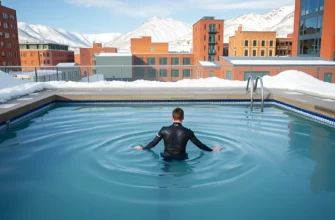
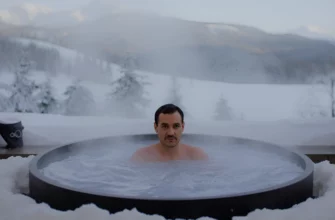
When selecting cold plunge systems for indoor and outdoor use‚ consider the environmental stressors. Outdoor units require “all-weather” covers and UV-resistant plumbing. In high-humidity areas like Savannah‚ GA‚ condensation on the exterior of the tub can lead to puddling‚ which may attract pests or create slip hazards on a deck.
If you are installing cold plunge systems Savannah GA or in similar coastal climates‚ salt-air corrosion is a real threat. Look for chillers with epoxy-coated coils and stainless steel hardware to prevent the “rusting out” of the internal components. For indoor setups‚ a dehumidifier is a wise investment to manage the moisture created by the temperature differential between the cold water and the warm room air.
Targeted Therapy: The Rise of the Face Cold Plunge Device
Full-body immersion isn’t the only way to reap the rewards of cold therapy. A new category of specialized hardware‚ the face cold plunge device‚ has emerged for those focused on aesthetic and neurological benefits. These compact units are designed to submerge only the face‚ triggering the “mammalian dive reflex” without the intensity of a full-body soak.
This localized approach is gaining traction in the skincare world. By constricting the blood vessels in the face‚ cold exposure rapidly reduces morning puffiness and inflammation. It also provides a unique way to stimulate the vagus nerve‚ which can help transition the body from a “fight or flight” state to a “rest and digest” state in under two minutes.
Skin Health and the Vagus Nerve
The skin benefits of localized cold therapy are immediate. The cold water causes a “rebound effect” where‚ once you finish‚ blood flow increases to the surface‚ giving the skin a healthy‚ vibrant glow. For those with busy morning routines‚ a 30-second facial plunge provides a mental “reset” that is often more effective than a double espresso.
Beyond beauty‚ the neurological impact is profound. Submerging the area around the eyes and forehead in cold water sends a signal to the heart to slow down. This is an effective tool for managing acute anxiety or high stress. Because these devices are small and easy to maintain‚ they are an excellent entry point for those intimidated by the prospect of a full-body 40-degree bath.
Procurement Guide: Evaluating Cold Plunge Price and Suppliers
The market for cold plunge equipment is currently flooded with options ranging from $500 DIY kits to $20‚000 custom installations. Navigating this landscape requires a keen eye for “hidden” costs like shipping‚ specialized electrical work‚ and long-term maintenance parts.
A higher cold plunge machine price is usually justified by the quality of the cooling engine and the warranty. Cheap units often use “rebranded” aquarium chillers that are not rated for outdoor use or high-volume water flow. A professional system should include a 1-year to 3-year bumper-to-bumper warranty and be serviceable by a local HVAC technician if needed.
- Compare the “Pull-Down” Time: Ask the supplier how long it takes to cool 100 gallons from 70°F to 40°F. If it takes more than 5 hours‚ the chiller is underpowered.
- Verify Sanitization: Does it use Ozone‚ UV-C‚ or just a filter? Systems with active oxidation require much less chemical maintenance.
- Check Shipping Logistics: These units are heavy. Ensure the price includes “Liftgate Delivery‚” or you may find yourself responsible for moving an 800lb crate off the back of a semi-truck.
- US-Based Support: Priority should be given to cold plunge us suppliers who stock parts domestically. Waiting for a replacement pump from overseas can leave your tub stagnant for weeks.
What to Look for in a Cold Plunge Ice Bath Supplier
When vetting a cold plunge ice bath supplier‚ look at their track record with professional teams or commercial spas. A supplier that can handle the demands of a pro-sports locker room is likely to produce a residential unit that will last for a decade. Inquire about the “lead time”—high-quality‚ hand-built units often have a 4-to-8 week wait‚ whereas mass-produced units are usually in stock.
Finally‚ consider the “total cost of ownership;” A cheaper‚ uninsulated tub will cost more in electricity over three years than a premium insulated model. High-density spray foam insulation can reduce energy consumption by up to 60%‚ making the more expensive tub the cheaper option in the long run.
In my professional experience designing recovery rooms for elite athletes‚ the most common failure point isn’t the chiller—it is the water chemistry. I always advise clients that 24/7 water filtration is not a luxury; it is a safety requirement. Stagnant cold water can still harbor bacteria like Legionella if not properly oxidized. Furthermore‚ I cannot overstress the importance of electrical grounding. You are sitting in a highly conductive medium; never operate a plunge without a dedicated GFCI outlet and a secondary grounding bond for the chiller frame. Safety and sanitation are what separate a professional recovery tool from a dangerous DIY project.
Frequently Asked Questions
Entry-level inflatable systems with basic chillers start around $1‚500. Premium‚ insulated residential systems typically range from $4‚500 to $9‚000‚ while commercial-grade units with high-speed cooling can exceed $15‚000.
Can I use my cold plunge machine outdoors in the winter?
Yes‚ but you must choose a chiller with a built-in “freeze protection” mode. This feature detects when water is near freezing and circulates it to prevent the internal heat exchanger from cracking due to ice expansion.
How often do I need to change the water in a cold plunge system?
With a high-quality ozone and UV-C filtration system‚ you only need to change the water every 3 to 6 months. Without active sanitization‚ water should be changed weekly to prevent biofilm and bacterial growth.
What is the ideal temperature for a cold plunge?
For most recovery goals‚ a range of 45°F to 55°F is effective. Experienced users seeking a stronger metabolic or mental challenge often drop the temperature to the 38°F to 42°F range.
Do cold plunge machines require a dedicated electrical circuit?
Standard 1/2 HP chillers can usually run on a shared 15-amp circuit‚ but 1 HP chillers and commercial units definitely require a dedicated 20-amp GFCI circuit to handle the initial compressor “surge” without tripping the breaker.
What is the difference between a cold plunge cooler and a standard water chiller?
While the terms are used interchangeably‚ a cold plunge cooler is specifically engineered for “rapid pull-down” and has internal components designed to handle the high flow rates and debris associated with human immersion.