- The Essential Safety Check: Are Weighted Blankets Safe for Most Adults?
- How the 10 Percent Rule Keeps You Safe
- Addressing the Most Serious Fears: Are Weighted Blankets Dangerous?
- Critical Safety Alert: Child Deaths and Misuse Prevention
- Debunking Health Myths: Do Weighted Blankets Cause Cancer?
- Evaluating Materials: Are Weighted Blankets Toxic?
- When They Might Be Bad for You: Physical Contraindications
- Respiratory and Circulatory Health Issues
- The Bright Side: Are Weighted Blankets Healthy for Your Nervous System?
- Mental Health and Sleep Quality Benefits
- Final Verdict: Staying Safe While Staying Cozy
- Frequently Asked Questions
The Essential Safety Check: Are Weighted Blankets Safe for Most Adults?
Weighted blankets have transitioned from niche clinical tools used in occupational therapy to mainstream sleep aids found in millions of bedrooms. At their core, these blankets are designed to provide “deep pressure stimulation,” a therapeutic technique that mimics the feeling of being held or hugged. For the vast majority of healthy adults, using a weighted blanket is not only safe but can significantly improve sleep architecture by reducing tossing and turning throughout the night.
The safety of these products hinges entirely on the relationship between the blanket’s mass and the user’s physical strength. While the sensation of weight is relaxing for many, it remains a physical load that the body must be able to manage. Understanding the mechanical interaction between your body and the filling—whether it be glass beads or plastic pellets—is the first step in ensuring your nighttime routine remains restorative rather than restrictive.
How the 10 Percent Rule Keeps You Safe
The gold standard for selecting a weighted blanket is the 10 percent rule, which suggests that the blanket should weigh approximately 10% of your total body weight plus or minus one or two pounds. For an adult weighing 150 pounds, a 15-pound blanket is the ideal starting point. This specific ratio ensures that the pressure is heavy enough to trigger the release of neurotransmitters like serotonin without being so heavy that it restricts natural movement or blood flow during deep sleep cycles.
Exceeding these weight limits can lead to more than just a “heavy” feeling; it can cause significant physical discomfort and even joint strain. If a blanket is too heavy, the user may wake up with soreness in the hips, knees, or ankles, as the constant downward pressure can compress joints in ways they aren’t designed to handle for eight consecutive hours. Furthermore, a blanket that is difficult to shift can lead to a “trapped” sensation, which may inadvertently spike cortisol levels—the exact opposite of the intended therapeutic effect.
Addressing the Most Serious Fears: Are Weighted Blankets Dangerous?
When discussing the safety of weighted bedding, it is vital to address the most extreme concerns with factual precision. While these products are safe for the general population, improper use in vulnerable groups has led to serious incidents. Safety is not a one-size-fits-all metric; it depends heavily on the user’s age, physical mobility, and underlying health status. When used outside of recommended guidelines, the risks can escalate from minor discomfort to life-threatening situations.
| Mistake | Potential Risk | Safety Correction |
|---|---|---|
| Using for Infants/Toddlers | Suffocation or SIDS | Never use a weighted blanket for children under age 2 or those under 30 pounds. |
| Ignoring Mobility Issues | Entrapment | The user must be able to lift the blanket off themselves without assistance. |
| Covering the Head/Face | Hypoxia (Oxygen Deprivation) | Always keep the blanket below the shoulder line to ensure clear airways. |
Critical Safety Alert: Child Deaths and Misuse Prevention
The most tragic safety failures involving weighted blankets involve infants and toddlers. Pediatric experts and product safety commissions are clear: weighted blankets should never be used in a crib or for any child who lacks the motor skills to push the blanket away from their face. Because infants have underdeveloped neck muscles and respiratory systems, even a relatively light weighted blanket can compress their chest wall, making it impossible for them to draw a full breath, leading to silent suffocation.
Historical product recalls have often centered on design flaws where children could unzip the cover and ingest the internal beads, or where the weight was simply too high for a small frame. To prevent tragedy, caregivers must ensure that the user can independently remove the blanket in under five seconds. If a person—whether a child, an elderly individual, or someone with a physical disability—cannot move the weight freely, the blanket poses an immediate entrapment hazard and should not be used under any circumstances.
Debunking Health Myths: Do Weighted Blankets Cause Cancer?
The rise of wellness culture has unfortunately brought with it a wave of misinformation regarding the materials used in weighted products. One of the most persistent and unfounded rumors is that weighted blankets are carcinogenic or “toxic.” These claims usually stem from a misunderstanding of the materials used for weight: glass beads and plastic poly-pellets. In reality, modern manufacturing standards for reputable brands are incredibly high, often exceeding the requirements for standard bedding.
Myth: Weighted blankets contain lead or toxic chemicals that cause cancer over time.
Fact: High-quality weighted blankets use medical-grade, lead-free glass beads or food-grade plastic pellets that are non-toxic, hypoallergenic, and chemically inert. Look for Oeko-Tex Standard 100 certification to guarantee the fabric and filling are free from harmful substances.
Evaluating Materials: Are Weighted Blankets Toxic?
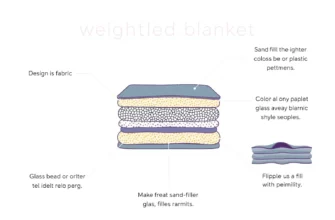
When shopping for a blanket, the internal filling is the most important component for both safety and comfort. Most premium blankets utilize micro-glass beads because they are denser than plastic, allowing the blanket to be thinner and more breathable. These beads are non-porous and hypoallergenic, meaning they won’t harbor dust mites or mold. On the other hand, cheaper blankets may use plastic poly-pellets. While generally safe, low-quality plastics can “off-gas” volatile organic compounds (VOCs) when first opened, which may irritate those with chemical sensitivities.
To ensure you are buying a non-toxic product, check for third-party certifications like CertiPUR-US for any foam components or the aforementioned Oeko-Tex label for the textiles. These certifications involve rigorous lab testing to ensure the product is free from heavy metals, formaldehyde, and phthalates. By choosing blankets made with natural outer fibers like cotton or bamboo and high-density glass fillings, you effectively eliminate the risk of exposure to harmful synthetic chemicals.
When They Might Be Bad for You: Physical Contraindications
Despite their benefits, there are specific medical profiles where a weighted blanket is clinically contraindicated. The primary concern is the physical load on the respiratory and circulatory systems. Because the blanket exerts constant pressure on the chest and limbs, individuals with compromised internal systems may find that the blanket exacerbates their symptoms rather than soothing them. It is essential to consult a physician if you have a history of chronic illness before introducing 15-20 pounds of external pressure to your sleep environment.
| Condition | Why It Is a Risk |
|---|---|
| Sleep Apnea | Added chest weight can further restrict airflow during apnea events. |
| Type 2 Diabetes | Weighted pressure can compromise peripheral circulation in the legs. |
| Chronic Asthma | Heavy blankets may prevent the full expansion of the lungs during a flare-up. |
| Claustrophobia | The “cocoon” effect can trigger a sympathetic nervous system “fight or flight” response. |
Respiratory and Circulatory Health Issues
For individuals with obstructive sleep apnea (OSA) or chronic obstructive pulmonary disease (COPD), a weighted blanket can be a significant health hazard. The weight on the rib cage increases the “work of breathing,” which is the energy required to expand the lungs. In patients whose breathing is already labored or prone to stopping, this extra resistance can lower blood oxygen saturation levels during the night, leading to morning headaches, extreme fatigue, or more severe cardiac stress.
Circulatory issues, particularly those related to diabetes or peripheral vascular disease, also require caution. Weighted blankets can act like a mild compression garment. If the weight is unevenly distributed or too heavy, it can restrict blood flow to the extremities. For a person with decreased sensation in their feet (peripheral neuropathy), they might not even feel the blanket cutting off circulation, which can increase the risk of skin breakdown or pressure sores over time.
The Bright Side: Are Weighted Blankets Healthy for Your Nervous System?
When used correctly, the biological impact of a weighted blanket is overwhelmingly positive. The science rests on the concept of proprioceptive input—giving the brain more information about where the body is in space. This input has a direct, measurable effect on the autonomic nervous system. By providing consistent tactile sensory data, the blanket helps shift the body from a state of hyper-arousal (the sympathetic “fight or flight” mode) to a state of rest and digestion (the parasympathetic mode).
This shift is not just psychological; it is chemical. Research has shown that deep pressure stimulation can increase the production of serotonin, a precursor to melatonin, while simultaneously decreasing levels of cortisol, the body’s primary stress hormone. For individuals struggling with anxiety, ADHD, or sensory processing disorders, this chemical rebalancing can make the difference between a night of racing thoughts and a night of profound, restorative rest.
Mental Health and Sleep Quality Benefits
The primary benefit for most users is a reduction in sleep latency—the time it takes to fall asleep. By grounding the body and reducing self-generated movement, the blanket provides a “swaddling” effect that signals to the brain that the environment is safe. This is particularly effective for those with restless leg syndrome (RLS), as the weight can provide enough sensory input to override the “creepy-crawly” sensations that prevent sleep.
Furthermore, weighted blankets help improve sleep maintenance. By limiting the number of times a person wakes up during the night, the blanket allows for longer periods of uninterrupted REM and deep-stage sleep. This leads to better cognitive function, improved mood regulation, and enhanced immune response the following day. For those dealing with the physical manifestations of anxiety, the blanket acts as a non-pharmacological intervention that can be used safely every night.
Final Verdict: Staying Safe While Staying Cozy
The safety of a weighted blanket is almost entirely within the control of the user. When you respect the 10% weight rule, choose high-quality materials, and ensure the user has full physical autonomy, these blankets are an excellent tool for health. They represent a rare intersection of comfort and clinical therapy that can improve quality of life for those suffering from the modern epidemic of sleep deprivation and stress.
- DO calculate your weight accurately; never “size up” if you are between two weight categories.
- DON’T use a weighted blanket for anyone who cannot remove it independently and quickly.
- DO look for glass bead filling for better temperature regulation and a non-toxic profile.
- DON’T cover your head or neck; keep the weight distributed from the shoulders down.
- DO consult a doctor if you have respiratory, circulatory, or joint issues.
In my professional experience as an occupational therapist, I always view weighted blankets as medical tools first and bedding second. The most critical factor I emphasize to my clients is independent mobility. If a patient—regardless of their age—cannot easily manipulate the blanket or throw it off their body in a single motion, it is an unsafe environment. We use these for “grounding” patients with sensory processing disorders, but the weight must be therapeutic, not restrictive. I always recommend starting with a lower weight and observing how your respiratory rate reacts during the first 20 minutes of use before committing to a full night’s sleep.
Frequently Asked Questions
Yes, the additional 15 to 25 pounds of pressure on the chest can restrict the ability to take deep, diaphragmatic breaths, which may exacerbate asthma symptoms or cause shortness of breath during the night.
Has anyone ever died from using a weighted blanket?
Tragically, there have been a small number of deaths, almost exclusively involving infants or individuals with severe physical disabilities who were unable to move the blanket, leading to accidental suffocation; Proper age and mobility screening prevent these rare events.
Are weighted blankets bad for your circulation?
They can be detrimental for those with pre-existing circulatory issues like Type 2 diabetes or low blood pressure, as the constant pressure may further impede blood flow to the hands and feet.
Is there a health danger with weighted blankets made of plastic pellets?
The primary risks are excessive heat retention and potential off-gassing of chemicals. Glass beads are the safer, more breathable, and non-toxic alternative for those concerned about material safety.
Can weighted blankets interfere with other health issues like chronic pain?
While they help many, the pressure can worsen certain conditions like fibromyalgia or inflammatory arthritis by putting too much stress on sensitive pressure points and joints during sleep.