- Are Weighted Blankets Good for You? The Truth About Deep Pressure Stimulation
- How Weighted Pressure Affects Your Sleep Quality
- The Weigh-In: Are Weighted Blankets Worth the Hype or Just a Gimmick?
- Analyzing the Long-Term Value and Cost
- Therapeutic Benefits: From Stress Relief to Senior Care
- Are Weighted Blankets Good for the Elderly and Seniors?
- Safety First: Who Should Avoid Using a Weighted Blanket?
- The Danger for Infants and Small Children
- Considerations for Overweight Individuals and Respiratory Issues
- Brand Wars: Does it Matter Which Weighted Blanket You Buy?
- Construction Matters: Glass Beads vs. Plastic Pellets
- The Verdict: Are Weighted Blankets Actually Good for Your Health?
- Frequently Asked Questions
Are Weighted Blankets Good for You? The Truth About Deep Pressure Stimulation
The sensation of a firm hug or a gentle squeeze does more than just provide comfort; it triggers a physiological shift in your nervous system. Weighted blankets leverage this exact principle, moving beyond the realm of simple bedding into a functional tool for sensory regulation. This process, known as Deep Pressure Stimulation (DPS), acts as a non-pharmacological intervention to quiet the “fight or flight” response.
When you drape a heavy blanket over your body, the distributed weight applies gentle pressure to sensory receptors located throughout your skin and muscles. This input signals the brain to transition from a state of high alert to one of restorative rest. It is a biological hack that mimics the safety of the womb or the grounding effect of a physical embrace, making it a staple in clinical settings for decades before it hit the mainstream market.
How Weighted Pressure Affects Your Sleep Quality
One of the primary reasons people ask if sleeping with a weighted blanket is good is the desire to stop the cycle of tossing and turning. The physical weight serves as a tactile “anchor,” significantly reducing involuntary limb movement and micro-awakenings during the night. By limiting the physical ability to shift positions constantly, the body can spend more time in the deeper, more restorative stages of the sleep cycle.
The biological magic happens when the pressure increases your serotonin levels. Serotonin is the precursor to melatonin—the hormone responsible for regulating your internal clock. By boosting these neurotransmitters while simultaneously lowering cortisol (the stress hormone) by up to 31%, weighted blankets create a chemical environment conducive to falling asleep faster. For those struggling with sleep hygiene, this mechanical pressure provides a consistent cue to the brain that the day is over and recovery has begun.
The Weigh-In: Are Weighted Blankets Worth the Hype or Just a Gimmick?
Skepticism is natural when a product transitions from a niche clinical tool to a viral lifestyle trend. You may have seen discussions on forums like Reddit questioning if weighted blankets are a scam or if they are actually worth the investment. To understand their value, we must look at their origins in occupational therapy, where they have been used for years to help individuals with sensory processing disorders regulate their emotions.
The “hype” is often fueled by marketing, but the foundation is rooted in solid behavioral science. While a blanket won’t magically cure chronic clinical insomnia or underlying medical conditions, it serves as a powerful supplementary tool. The value lies in its durability and the reduction of reliance on sleep aids, which often have diminishing returns over time. If a single purchase can improve sleep quality for five to ten years, the cost-per-night becomes negligible compared to the price of exhaustion.
Myth vs. Fact
Myth: A weighted blanket must be as heavy as possible to work.
Fact: The optimal weight is 10% of your total body weight; exceeding this can cause discomfort or respiratory strain.Myth: These blankets are only for people with anxiety.
Fact: Anyone with restless leg syndrome or general sleep fragmentation can benefit from the grounding effect of DPS.Myth: Weighted blankets are too hot for summer use.
Fact: High-end blankets use glass beads and moisture-wicking bamboo covers to maintain a neutral temperature.
Analyzing the Long-Term Value and Cost
When determining if weighted blankets are worth the cost, the focus should be on internal construction rather than the brand logo. Premium blankets typically utilize micro-glass beads, which are denser and quieter than the cheaper plastic pellets found in budget versions. Glass beads allow for a thinner, more breathable blanket that doesn’t feel like a heavy winter duvet, making them suitable for year-round use.
Consider the cost of a high-quality blanket (ranging from $150 to $250) against the lifespan of the product. Unlike electronic sleep trackers or monthly supplement subscriptions, a well-constructed blanket has no recurring costs. For those dealing with chronic stress, the return on investment is measured in improved cognitive function and daily energy levels; Investing in a blanket with double-stitched pockets ensures the weight stays evenly distributed, preventing the “clumping” effect that ruins cheaper alternatives.
Therapeutic Benefits: From Stress Relief to Senior Care
The applications of weighted pressure extend far beyond the standard bedroom setup. In our modern environment, where the nervous system is constantly bombarded by digital stimuli, the “grounding” effect of a blanket provides a necessary reset. It is particularly effective for individuals who experience “nighttime anxiety,” where the mind begins to race the moment the lights go out.
The benefits are not limited to the younger, stressed-out workforce. There is a growing body of evidence supporting the use of weighted blankets in geriatric care. As we age, our sensory systems change, and the need for physical comfort and security remains high, even as social interaction might decrease. The blanket acts as a constant, soothing presence that can mitigate feelings of isolation or physical restlessness.
Are Weighted Blankets Good for the Elderly and Seniors?
For older adults, the benefits for seniors often center around managing the agitation associated with dementia or Alzheimer’s. The “sundowning” effect—a state of confusion and anxiety that occurs in the evening—can often be de-escalated through the calming influence of Deep Pressure Stimulation. It provides a sense of boundaries and safety that verbal reassurance sometimes cannot achieve.
However, safety is paramount for this demographic. Seniors with fragile skin or compromised circulation must choose lighter options, often trending toward 5-7% of body weight rather than the standard 10%. It is vital to ensure the user has the upper body strength to remove the blanket independently. If a senior has severe arthritis in their hands, a heavy blanket might become a physical barrier rather than a comfort, so choosing one with a manageable weight and a soft, easy-to-grip texture is essential.
Safety First: Who Should Avoid Using a Weighted Blanket?
While the benefits are numerous, weighted blankets are not a universal solution. There are specific populations where the use of a weighted product is not just ineffective, but actively dangerous. Safety standards are not always clearly labeled on retail packaging, making it the consumer’s responsibility to understand the physical limitations of the product. The FDA does not regulate these as “medical devices” in the same way they do prescriptions, so user discretion is critical.
Physical health conditions that affect the respiratory or circulatory systems are the primary contraindications. Because the blanket applies constant pressure to the chest and torso, anyone who already struggles to take deep breaths may find their condition exacerbated. This includes individuals with chronic obstructive pulmonary disease (COPD) or severe asthma, where the extra effort required to expand the lungs can lead to fatigue or lowered oxygen levels during sleep.
-
The Checklist for Safe Use
- Physical Capability: The user must be able to lift the blanket off themselves without assistance.
- Condition Check: Avoid use if you have active circulation issues or Type 2 diabetes with peripheral neuropathy, as you may not feel if the pressure is too intense.
- Temperature Control: If you are prone to overheating, ensure the blanket has a breathable cotton or bamboo shell to prevent heat stroke.
- Integrity Inspection: Regularly check for leaking beads, which can be a choking hazard for pets or small children.
The Danger for Infants and Small Children
The most significant safety warning concerns the youngest users. Are weighted blankets good for babies? The answer is a definitive no. Pediatricians and safety experts warn that weighted products should never be used for infants under the age of two. The risk of SIDS (Sudden Infant Death Syndrome) and accidental suffocation is too high, as an infant lacks the motor skills and strength to shift a heavy object if it covers their face or restricts their breathing.
For older children, weighted blanket safety for kids depends on their developmental stage. A child must be at least 50 pounds and have the cognitive ability to follow instructions on how to use the blanket safely. It should never be used as a form of restraint. When used correctly for children with ADHD or Autism, it can be a transformative tool for “quiet time,” but it must always be supervised until the child is old enough to handle the weight independently.
Considerations for Overweight Individuals and Respiratory Issues
Body composition plays a role in how the weight is distributed. For overweight people, the 10% rule might result in a blanket that is 30 pounds or more. In these cases, the sheer mass of the blanket can compress the chest cavity and interfere with Sleep Apnea treatments like CPAP machines. If you carry significant weight around your midsection, the addition of a heavy blanket can increase the “work of breathing,” leading to a less restful night.
If you have respiratory health concerns, consult a physician before transitioning to a weighted system. Often, a “lap pad” or a smaller weighted throw that only covers the legs can provide the sensory benefits of DPS without the risks associated with full-body pressure. The goal is to calm the nervous system, not to strain the mechanical process of breathing.
Brand Wars: Does it Matter Which Weighted Blanket You Buy?
The market is flooded with options ranging from $30 “bargain” blankets to $300 “luxury” systems. While marketing might suggest otherwise, the core technology is relatively simple. The difference between a high-end brand and a generic one usually comes down to stitching precision, fabric quality, and the type of fill used. A cheap blanket with large pockets will allow the beads to shift to one side, leaving you with a light sheet in the middle and a heavy lump at the edges.
Brands like Hush and Gravity have built their reputation on “cooling” technology and specific weight distribution patterns. For example, are Hush weighted blankets good? They are often cited for their “Iced” covers that remain cool to the touch, solving the primary complaint of heat retention. Gravity, the original pioneer of the modern trend, focuses on high-density glass beads that provide a more “fluid” feel compared to the graininess of plastic pellets.
| Feature | Premium Brands (Hush/Gravity) | Budget Alternatives |
|---|---|---|
| Fill Material | Micro-glass beads (Quiet/Dense) | Plastic poly-pellets (Noisy/Bulky) |
| Weight Distribution | Small 2″x2″ or 3″x3″ stitched squares | Large 6″x6″ pockets (Leads to sagging) |
| Cover Options | Removable, machine-washable, cooling | Often non-removable or polyester only |
| Price Range | $150 ⏤ $300 | $35 ⎻ $80 |
Construction Matters: Glass Beads vs. Plastic Pellets
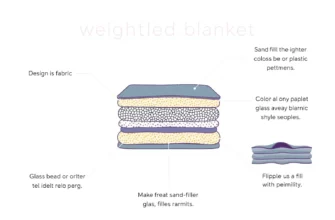
The “feel” of the blanket is dictated by the fill. Plastic pellets are larger and require more padding to prevent them from feeling “lumpy.” This extra padding acts as insulation, which is why cheaper blankets often feel significantly hotter. If you are a “hot sleeper,” this is a dealbreaker. Glass beads, however, are roughly the size of grains of sand. They take up less space, allowing for a thinner profile and better airflow through the fabric layers.
Furthermore, noise is a factor in sleep quality. Plastic pellets make a distinct “shuffling” sound every time you move, which can be disruptive to light sleepers. Glass beads are virtually silent, ensuring that your sensory input remains tactile rather than auditory. When evaluating gravity weighted blanket quality, look for seven-layer construction, which sandwiches the beads between microfiber or polyester layers to prevent leakage and noise.
The Verdict: Are Weighted Blankets Actually Good for Your Health?
The evidence suggests that for the majority of healthy adults, a weighted blanket is a highly effective, low-risk tool for improving sleep and managing daily stress. It is not a “magic pill,” but rather a mechanical aid that supports the body’s natural relaxation response. By lowering the heart rate and grounding the body, it creates the physical conditions necessary for the brain to transition into a state of recovery.
Whether you are a stressed professional looking to “shut off” your brain at night, or a caregiver seeking a non-invasive way to soothe a senior, the key is proper weight selection and material quality. Avoid the temptation to buy the heaviest or cheapest option available. Instead, focus on a blanket that matches your specific thermal needs and physical strength.
-
Key Takeaways for Your Purchase
- The 10% Rule: Always aim for roughly 10% of your body weight for the best results.
- Prioritize Glass: Choose glass beads over plastic for better temperature regulation and less noise.
- Start Small: If you are unsure, try a weighted throw or lap pad first to see how your body reacts to DPS.
- Safety First: Never use with infants, and consult a doctor if you have respiratory or circulatory issues.
In my professional experience as an Occupational Therapist, I have seen weighted blankets serve as a “sensory anchor” for people who feel constantly overwhelmed. It is important to remember that these blankets are a tool for regulation, not a medical cure. I always advise my clients to use them as part of a broader “sleep hygiene” plan; For example, using the blanket for 20 minutes before bed can prime the nervous system for sleep even before you turn the lights out; They are most effective when the user views them as a way to “organize” their sensory input rather than a solution for deep-seated clinical issues.
Frequently Asked Questions
Weighted blankets are generally categorized as Class I medical devices, which means they are low-risk and do not require formal FDA pre-market approval like a drug. They should, however, meet general consumer safety standards for textiles.
What weight should I choose for a weighted blanket?
The standard recommendation is 10% of your total body weight, plus or minus one or two pounds. If you fall between sizes, it is usually safer to choose the lighter option to ensure you can move freely.
Are weighted blankets good for people with special needs?
Yes, they are highly beneficial for individuals with ADHD, Autism, or Sensory Processing Disorder; The constant pressure helps the brain process where the body is in space, which has a significant calming effect on the nervous system.
Can you use a weighted blanket every night?
Yes, it is perfectly safe for healthy adults to use a weighted blanket every night. In fact, consistent use helps reinforce sleep cycles by providing a familiar sensory cue that tells the body it is time to rest.
Is it okay for seniors with arthritis to use weighted blankets?
You should exercise caution. While the pressure can help with anxiety, the physical weight may be difficult for those with severe joint pain or frailty to adjust during the night. A lighter weight (5-7%) is often more appropriate for this group.