- The Fundamentals of Sleeping with a Weighted Blanket for Maximum Comfort
- How to Position Yourself Under the Weight for the First Time
- Finding Your Ideal Sleeping Position with a Weighted Blanket
- Side Sleepers vs. Back Sleepers: Where Does the Weight Go?
- Beating the Heat: How to Stay Cool Under a Weighted Blanket
- Material Matters: Choosing Between Cotton‚ Bamboo‚ and Glass Beads
- Navigating Intimacy: Can You Have Sex Under a Weighted Blanket?
- Practical Tips for Couples and Intimacy
- Life Hacks for Sleeping with a Weighted Blanket Every Night
- The 10% Rule and Safety Considerations
- Understanding the Sensory Experience: What Should You Feel?
- From Restriction to Relaxation: The Sensory Timeline
- Expert Perspective: Deep Pressure Therapy and the Nervous System
- Frequently Asked Questions
The Fundamentals of Sleeping with a Weighted Blanket for Maximum Comfort
Stepping into the world of weighted bedding often feels like rediscovering the comfort of a deep‚ steady hug. This sensation is scientifically known as deep pressure stimulation‚ a therapeutic technique that applies firm but gentle pressure to the body to switch the nervous system from a state of “fight or flight” to “rest and digest.”
When you first learn how to sleep under a weighted blanket‚ the goal is to achieve a state of grounding that anchors the body without causing restriction. By mimicking the effects of swaddling‚ these blankets encourage the brain to release serotonin‚ which naturally transitions into melatonin as the night progresses.
Success with this sleep tool depends entirely on how you introduce the weight to your musculoskeletal system. It is not merely about pulling a heavy quilt over your bed; it is about calibrating your environment to accept a new form of sensory input that regulates your internal clock.
How to Position Yourself Under the Weight for the First Time
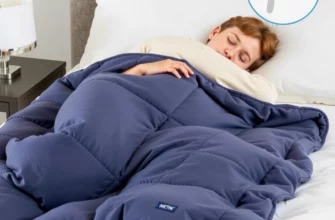
The most critical rule for using a weighted blanket for sleep is ensuring the weight is distributed symmetrically across your frame. To start‚ lay the blanket flat across the bed rather than bunching it up‚ as clumped glass beads can create pressure points that lead to morning soreness or restricted circulation.
Safety must remain your primary concern during the initial acclimation phase. Never pull the weighted material over your head or neck; the top edge of the blanket should rest no higher than your chest line to ensure your airways remain completely unobstructed and your peripheral vision isn’t restricted‚ which can trigger anxiety in some users.
If you are new to the experience‚ do not feel pressured to spend the entire night under the weight immediately. Many occupational therapists recommend an acclimation period where you use the blanket for 20 to 30 minutes while reading or relaxing on the couch before attempting a full eight-hour sleep cycle‚ allowing your proprioceptive system to adjust to the new load.
Finding Your Ideal Sleeping Position with a Weighted Blanket
Your preferred sleeping posture dictates how the heavy filling interacts with your joints and spine. Because a weighted blanket adds significant downward force‚ positions that were once comfortable might require slight ergonomic adjustments to prevent strain on the hips‚ shoulders‚ or lower back.
Choosing the best sleeping position with weighted blanket usage requires an understanding of gravity. While the weight is designed to be therapeutic‚ misalignment under 20 pounds of pressure can exacerbate existing joint issues if the body is not properly supported by the underlying mattress.
| Sleeping Position | Pros Under Weight | Cons/Risks | Best Practice |
|---|---|---|---|
| Back Sleeper | Maximum weight distribution; perfect spinal alignment. | Can feel restrictive for those with claustrophobia. | Keep feet slightly apart to prevent the blanket from pinning toes downward. |
| Side Sleeper | Provides a “cocoon” feeling; reduces tossing and turning. | Extra pressure on the bottom shoulder and hip joints. | Use a pillow between the knees to keep the pelvis neutral under the weight. |
| Stomach Sleeper | High level of sensory input for the chest and abdomen. | Increased risk of lower back arching and neck strain. | Use a very thin pillow or no pillow at all to protect the cervical spine. |
Side Sleepers vs. Back Sleepers: Where Does the Weight Go?
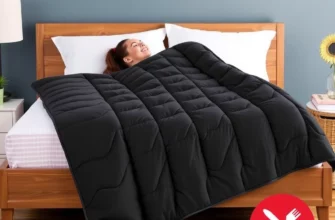
Back sleepers generally find the transition easiest because the weight is spread over the largest possible surface area. This even distribution helps in reducing cortisol levels and calming the nervous system without putting localized stress on any single muscle group‚ making it the best position to sleep with a weighted blanket for most beginners.
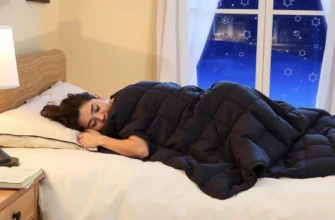
Side sleepers face a unique challenge: the weight tends to concentrate on the narrow points of the shoulders and hips. To avoid “bottoming out” against the mattress‚ side sleepers should ensure their blanket is not too heavy; excessive weight on the side can compress the brachial plexus nerves in the shoulder‚ leading to tingling or numbness in the arms.
Stomach sleeping is generally discouraged with heavy blankets because the weight can push the torso deeper into the mattress‚ causing the spine to curve unnaturally. If you must sleep on your stomach‚ opt for a blanket on the lighter end of the recommended spectrum to ensure your ribs can expand fully during deep breathing cycles.
Beating the Heat: How to Stay Cool Under a Weighted Blanket
The most common barrier to consistent use is the “sauna effect‚” where the density of the blanket traps body heat. However‚ modern textile engineering has made it possible to enjoy deep pressure therapy without waking up in a sweat by focusing on moisture-wicking materials and heat-conductive fillers.
Learning how to stay cool under a weighted blanket involves a combination of choosing the right hardware and managing your bedroom’s microclimate. A bedroom temperature of 65 to 68 degrees Fahrenheit is generally considered the “sweet spot” for using heavy bedding without overheating.
- Switch to a bamboo duvet cover: Bamboo fibers are naturally porous and pull moisture away from the skin.
- Choose glass beads over plastic: Glass beads are smaller and denser‚ allowing for more airflow between the beads compared to bulky plastic pellets.
- Use a “foot vent”: Stick your feet out from under the blanket to help your core temperature drop quickly.
- Layer strategically: Remove all other blankets and use only the weighted blanket paired with a thin‚ 100% cotton top sheet.
- Lower the thermostat: Drop your room temperature by 2-3 degrees more than usual to compensate for the blanket’s insulation.
Material Matters: Choosing Between Cotton‚ Bamboo‚ and Glass Beads
The internal fill is the engine of the blanket’s performance. Many budget options use plastic poly-pellets‚ which act as insulators and trap heat against the body. To effectively master how to stay cool with a weighted blanket‚ always look for medical-grade glass beads‚ which stay cooler to the touch and provide a more fluid‚ sand-like feel that contours to the body.
Fabric choice is equally vital for thermal regulation. While minky or fleece covers are cozy for winter‚ they are the primary culprits for night sweats. Cotton and bamboo are the gold standards for breathability; bamboo specifically has a silky texture that feels cool against the skin‚ making it an essential upgrade for hot sleepers or those living in humid climates.
Don’t overlook the importance of the weave. A “chunky knit” weighted blanket‚ which uses heavy yarn rather than beads‚ provides natural ventilation through the gaps in the fabric. This is often the best solution for those who want the weight but struggle with the trapped air of a traditional quilted design.
Navigating Intimacy: Can You Have Sex Under a Weighted Blanket?
When a weighted blanket becomes a permanent fixture in the bedroom‚ it inevitably intersects with a couple’s intimate life. While these blankets are designed for stillness and sleep‚ their presence doesn’t have to be a hindrance to physical connection‚ provided you understand the physics of the extra load.
The primary concern regarding sex under weighted blanket usage is mobility and heat. The very weight that makes you feel secure during sleep can feel cumbersome or restrictive during physical activity. Communication with your partner is key to ensuring the blanket enhances rather than distracts from the experience.
Practical Tips for Couples and Intimacy
Physical exertion naturally raises body temperature‚ and adding a 20-pound insulator can lead to rapid overheating. If the blanket is being used during intimacy‚ it is often best to move it to the side or use it only during the slower‚ more relaxed phases of connection to avoid physical exhaustion or discomfort.
Mobility can also be an issue; the friction of the beads and the heaviness of the fabric can make quick movements difficult. For many couples‚ the most effective “life hack” is to utilize the blanket during the “aftercare” or wind-down phase‚ where the calming effects of deep pressure stimulation can help both partners transition into a restful state together.
If you prefer to keep the blanket in play‚ consider using it as a base layer rather than a top layer. This provides a soft‚ grounded surface without the restrictive weight on top of your bodies. However‚ always ensure that neither partner feels pinned or unable to move freely‚ as this can turn a relaxing experience into one that feels claustrophobic.
Life Hacks for Sleeping with a Weighted Blanket Every Night
Consistency is where the real benefits of deep pressure therapy reside. When you commit to sleeping with weighted blanket every night‚ your body begins to associate the specific pressure with the immediate onset of sleep‚ effectively shortening your sleep latency (the time it takes to fall asleep).
To maintain this habit‚ you need a system for maintenance and safety. Treat your weighted blanket as a piece of therapeutic equipment rather than just another piece of laundry. Proper care ensures the beads don’t shift or leak‚ which would compromise the even pressure distribution required for efficacy.
- DO: Use a removable duvet cover to protect the weighted inner layer from body oils and sweat.
- DO: Check the integrity of the stitching once a month to prevent bead leakage.
- DO: Distribute the weight evenly before lying down to avoid muscle strain.
- DON’T: Use a weighted blanket if you have respiratory issues or chronic circulatory problems without consulting a doctor.
- DON’T: Attempt to machine wash a heavy blanket that exceeds your washer’s weight limit; most home machines cannot handle more than 15-20 pounds.
- DON’T: Fold the blanket in half to double the weight‚ as this can create dangerous levels of pressure on the chest.
The 10% Rule and Safety Considerations
The most important life hack sleeping with weighted blankets involves the “10% rule.” For optimal safety and comfort‚ the blanket should weigh approximately 10% of your total body weight plus one or two pounds. If a blanket is too heavy‚ it can cause joint pain or make you feel “trapped‚” which triggers a spike in cortisol—the exact opposite of the intended effect.
Signs that your blanket is too heavy include waking up with sore ribs‚ feeling short of breath‚ or finding it difficult to turn over during the night. If you fall between sizes‚ it is generally safer to round down rather than up‚ especially for those with smaller frames or older adults who may have more fragile skin and joints.
Cleaning is the final hurdle for nightly users. Since the inner weighted portion is difficult to wash‚ a high-quality duvet cover is non-negotiable. Wash the cover once a week just like your standard sheets‚ and only spot-clean the inner blanket as needed to preserve the life of the internal baffles and beads.
Understanding the Sensory Experience: What Should You Feel?
If you have never used one‚ you might wonder: how much of a weighted blanket do you feel? The sensation is not like being “squashed”; rather‚ it feels like a subtle‚ pervasive grounding. It fills the gaps between your body and the mattress‚ providing what sensory experts call proprioceptive feedback.
When asking how are you supposed to sleep with a weighted blanket‚ the answer lies in the transition from awareness to oblivion. Initially‚ you will be very aware of the weight‚ but within minutes‚ the brain’s sensory receptors adapt‚ and the heaviness fades into a background feeling of security and stillness.
From Restriction to Relaxation: The Sensory Timeline
In the first 1 to 5 minutes‚ you may feel a slight sense of “heaviness” in your limbs. This is the nervous system taking inventory of the new input; By the 15-minute mark‚ most users experience a noticeable drop in heart rate and a softening of muscle tension in the shoulders and jaw as the parasympathetic nervous system takes over.
Over time‚ the sensory experience changes your sleep architecture. Because the weight discourages tossing and turning‚ you spend more time in the deeper‚ more restorative stages of sleep (REM and deep sleep). The reduction in physical movement prevents the “micro-awakenings” that often leave people feeling groggy in the morning‚ even after eight hours of rest.
Ultimately‚ the blanket should feel like a “cocoon” that protects you from external stimuli. If at any point the sensation feels like a burden or causes any form of panic‚ simply fold the blanket down to your waist. Using the weight only on the lower half of the body still provides significant grounding benefits while allowing the upper torso to feel completely free.
Expert Perspective: Deep Pressure Therapy and the Nervous System
In my professional experience as a sleep specialist‚ I have observed that the success of weighted blankets hinges on the physiological “grounding” of the user. I always advise my clients to prioritize the 10% weight ratio above all else. Going too heavy doesn’t result in “more relaxation”; instead‚ it can lead to respiratory restriction or joint discomfort‚ especially in the hips and ankles. I have found that for patients with sensory processing sensitivities‚ starting with the blanket only on the legs for the first three nights is the most effective way to prevent the “trapped” sensation. Furthermore‚ if you suffer from sleep apnea or severe asthma‚ you must consult a physician before use‚ as the added chest pressure can interfere with autonomous breathing during deep sleep cycles.
Frequently Asked Questions
Yes‚ it is perfectly safe for healthy adults to use one nightly‚ provided the weight is correctly calculated at 10% of their body weight and they can easily move the blanket off themselves without assistance.
Is it okay for side sleepers to use a weighted blanket?
Side sleepers can use them effectively‚ but they should place a pillow between their knees to prevent the extra weight from pulling the hips out of alignment and causing lower back pain.
What should I do if my weighted blanket makes me too hot?
Switch to a cover made of bamboo or eucalyptus Tencel‚ and ensure your blanket is filled with glass beads rather than plastic pellets‚ as glass dissipates heat much more efficiently.
Can a weighted blanket help with restless leg syndrome?
While not a medical cure‚ the grounding pressure provides significant sensory input that can override the “creepy-crawly” sensations of RLS‚ helping to calm the urge to move the legs during the night.
How do I clean a weighted blanket without ruining it?
The best method is to use a removable duvet cover that can be machine washed. For the inner weighted part‚ spot clean only or use a commercial-grade laundromat machine if the manufacturer’s label explicitly allows for machine washing.