- Understanding How a Weighted Blanket Can Help With Anxiety and Stress
- The Immediate Calming Effect on Racing Thoughts
- The Biology of Calm: Your Weighted Blanket and the Parasympathetic Nervous System
- How Deep Pressure Signals the Brain to Relax
- Quick Reference: Choosing the Right Weight for Anxiety Relief
- What the Science Says: A Review of Weighted Blanket Anxiety Research
- Analyzing the Weighted Blanket Systematic Review and PubMed Data
- Lifting the Weight of Low Mood: Can it Help with Depression?
- How Weighted Therapy Complements Depression Treatment
- Common Misconceptions vs. Clinical Reality
- Silencing the Night: Managing Nightmares and Sleep Disturbances
- Better Sleep Quality and Nighttime Peace
- Action Plan: How to Integrate a Weighted Blanket Into Your Routine
- Frequently Asked Questions
Understanding How a Weighted Blanket Can Help With Anxiety and Stress
The sensation of a weighted blanket is often compared to a firm, consistent hug that envelops the entire body. This tactile experience is not merely a psychological comfort; it is a therapeutic application of weight that helps anchor a restless mind to the physical present.
For individuals living with chronic stress, the world can often feel overwhelming and unpredictable. A weighted blanket provides a controlled, predictable sensory environment that helps minimize the impact of external triggers and internal ruminations.
The Immediate Calming Effect on Racing Thoughts
When anxiety takes hold, the mind often spirals into “what-if” scenarios, creating a state of mental hyper-arousal. Grounding physical sensations serve as a circuit breaker for these racing thoughts by forcing the brain to process intense tactile input from the skin and muscles.
By applying uniform pressure across the limbs, the blanket provides a strong sense of physical boundaries. This helps individuals who feel “scattered” or “flighty” to feel more secure and contained within their own bodies, effectively reducing the intensity of a fight-or-flight response during a panic attack.
Using a weighted blanket to help with anxiety works because the brain prioritizes the heavy, steady touch signals over the erratic signals of a panicked mind. This shift in focus allows the heart rate to slow naturally as the body recognizes it is in a safe, protected space.
The Biology of Calm: Your Weighted Blanket and the Parasympathetic Nervous System
The effectiveness of weighted therapy is rooted in the way our nervous system interprets mechanical pressure. When the body is under stress, the sympathetic nervous system is dominant, preparing us for action by releasing adrenaline and cortisol.
Deep pressure stimulation acts as a physiological “off switch” for this state of high alert. By stimulating the mechanoreceptors located beneath the skin, the blanket encourages the body to transition into a parasympathetic state, which is responsible for rest, digestion, and recovery.
How Deep Pressure Signals the Brain to Relax
The pressure exerted by the blanket stimulates the vagus nerve, a key component of the parasympathetic nervous system that runs from the brainstem to the abdomen. Vagus nerve stimulation is a primary driver for lowering blood pressure and slowing the heart rate, creating a biological foundation for relaxation.
This process also influences neurochemistry by encouraging the brain to modulate its output of mood-regulating chemicals. Research indicates that deep pressure can lead to a measurable serotonin boost and a simultaneous reduction in serum cortisol levels.
Serotonin is a precursor to melatonin, the hormone responsible for sleep. By increasing these natural mood boosters during the day or evening, a weighted blanket helps the nervous system maintain a state of regulation that prevents the “peaks” of anxiety from becoming unmanageable.
Quick Reference: Choosing the Right Weight for Anxiety Relief
Selecting the correct weight is the most critical factor in ensuring the blanket is therapeutic rather than restrictive. A blanket that is too light will not provide enough sensory input, while one that is too heavy can cause discomfort or safety risks.
| User Body Weight | Recommended Blanket Weight | Safety Considerations |
|---|---|---|
| 100 ― 140 lbs | 12 ー 15 lbs | Ensure the user can remove the blanket independently. |
| 150 ― 190 lbs | 15 ー 20 lbs | Ideal for standard adult use; check for breathability in fabrics. |
| 200+ lbs | 25 lbs | Heavier weights may require specialized reinforced stitching. |
| Children (Ages 4+) | 10% of weight + 1 lb | Never use with infants or children under 2 years old. |
What the Science Says: A Review of Weighted Blanket Anxiety Research
While the concept of weighted therapy originated in occupational therapy for children with autism, recent clinical data has expanded to include a wider range of psychiatric conditions. Modern studies focus on how “proprioceptive input”—the body’s awareness of its position in space—affects emotional regulation.
Most research suggests that while a blanket is not a standalone cure for clinical disorders, it is a highly effective supplementary tool. Patient preference for weighted options is consistently high in clinical settings, often leading to a reduction in the need for PRN (as-needed) anti-anxiety medications.
Analyzing the Weighted Blanket Systematic Review and PubMed Data
A weighted blanket use a systematic review of existing literature often highlights significant improvements in “subjective” anxiety levels. This means that while heart rates might only drop slightly, the user’s perception of their own stress levels decreases dramatically after just 20 minutes of use.
Data found on PubMed regarding weighted blankets often points to their efficacy in high-stress environments, such as during dental procedures or chemotherapy. These studies show that physiological arousal—measured through skin conductance and pulse oximetry—is significantly lower when patients use weighted lap pads or blankets.
In a weighted blanket anxiety study involving psychiatric inpatients, participants reported a 60% reduction in anxiety symptoms. These findings support the use of weighted therapy as a safe, non-pharmacological intervention for managing acute distress in both clinical and home environments.
Lifting the Weight of Low Mood: Can it Help with Depression?
Depression often manifests as a physical sensation of emptiness or, conversely, a heavy, leaden paralysis. While it might seem counterintuitive to add physical weight to someone feeling “weighed down” by low mood, the sensory input can actually provide a sense of comfort and presence.
Improved sleep is the most direct way a weighted blanket assists with depression. Since insomnia and depression are closely linked, treating the sleep disturbance can lead to significant improvements in emotional resilience and energy levels during the day.
How Weighted Therapy Complements Depression Treatment
For those struggling with the physical heaviness of depression, the blanket provides a “cocooning” effect that can feel protective. This helps in regulating the limbic system, which governs emotional responses, making it easier for the individual to engage in other therapeutic activities like journaling or meditation.
Better emotional regulation through rest is a cornerstone of recovery. By improving sleep quality, weighted blankets help restore the brain’s ability to process negative emotions, which is often compromised during depressive episodes. This makes weighted blanket benefits for depression a key area of interest for holistic mental health wellness.
Common Misconceptions vs. Clinical Reality
There are many myths surrounding weighted therapy, ranging from it being a “magic cure” to concerns about it being dangerously hot; It is important to distinguish between marketing claims and actual therapeutic outcomes.
| The Common Myth | The Clinical Reality |
|---|---|
| It cures clinical anxiety and PTSD. | It is a management tool that reduces symptoms, not a cure for underlying disorders. |
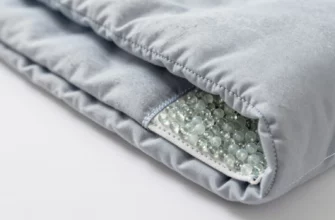
| Weighted blankets are too hot for summer. | Modern blankets use bamboo, glass beads, or open-knit cotton to maximize airflow and cooling. |
| The heavier the blanket, the better. | Excessive weight can cause joint pain; sticking to the 10% rule is essential for safety and comfort. |
| They are only for people with autism. | They are effective for anyone with sensory processing needs, insomnia, or general stress. |
Silencing the Night: Managing Nightmares and Sleep Disturbances
Nighttime is often the most difficult period for those with anxiety, as the lack of external distraction allows intrusive thoughts and nightmares to take center stage. A weighted blanket serves as a constant, soothing presence that discourages tossing and turning.
By limiting physical movement, the blanket helps the body stay in a deeper state of rest. This reduction in “micro-arousals”—the tiny movements that wake us up throughout the night—leads to more restorative sleep cycles and fewer instances of waking up in a state of panic.
Better Sleep Quality and Nighttime Peace
A weighted blanket anxiety sleep study revealed that users experienced fewer interruptions during the REM (Rapid Eye Movement) cycle. This is particularly important for those suffering from trauma-related nightmares, as deep pressure can lower the heart rate and prevent the physical “startle response” that causes a person to bolt upright in bed.
By reducing cortisol levels before bed, the blanket helps the brain transition into sleep mode more efficiently. When the body feels physically secure, the brain is less likely to remain in a state of hyper-vigilance, allowing for longer periods of uninterrupted, high-quality sleep.
Action Plan: How to Integrate a Weighted Blanket Into Your Routine
Integrating a weighted blanket into your life should be done gradually to allow your nervous system to adjust to the new stimulus. Follow these steps to maximize the therapeutic benefits without feeling overwhelmed.
- Start with short intervals: Use the blanket for 15–30 minutes while sitting on the couch to gauge your comfort level.
- Focus on the lower body first: If you feel claustrophobic, drape the blanket only over your legs to get used to the weight.
- Establish a pre-sleep ritual: Place the blanket on your bed 10 minutes before you plan to sleep to create a “cues for rest” environment.
- Check for temperature: Use a cotton or bamboo duvet cover if you tend to sleep hot, ensuring the weight doesn’t trap excessive body heat.
- Monitor your joints: If you wake up with hip or knee pain, try a slightly lighter weight or a smaller dimensions blanket.
- Combine with breathing exercises: Use the weight of the blanket as a physical guide for deep, diaphragmatic breathing.
In my professional experience as an Occupational Therapist, I view weighted blankets as a delivery system for proprioceptive input. This is the “hidden sense” that tells our brain where our body is in space. When an individual is anxious, their limbic system is often screaming that they are in danger. By providing intense, organized proprioceptive input through a weighted blanket, we provide a biological sense of safety to the brain. I always advise my clients to look at the blanket not as a luxury item, but as a neurological tool. The goal is to provide the brain with enough sensory data to confirm that the body is grounded, safe, and still, which naturally quiets the amygdala and allows for cognitive processing to resume.
Frequently Asked Questions
Many users feel a grounding effect within 15-30 minutes of use, though long-term sleep benefits and nervous system regulation may take a few nights of consistent adjustment.
Are there specific studies on weighted blankets and depression?
Yes, research indicates that the improvement in sleep quality and the reduction in physiological stress markers can significantly alleviate symptoms of depression and improve daytime energy.
Can a weighted blanket actually stop a nightmare?
While not a cure, the pressure can reduce physical movement and lower the heart rate, potentially leading to less disruptive sleep and a lower likelihood of waking up fully from night terrors.
What is the recommended weight for an adult with anxiety?
General clinical advice suggests choosing a blanket that is roughly 10% of your total body weight. A 150-pound adult should typically look for a 15-pound blanket.
Does PubMed have research on weighted blankets?
Yes, several studies indexed on PubMed explore the use of weighted blankets for reducing anxiety in medical environments and improving sleep outcomes in psychiatric care settings.
Is it safe to use a weighted blanket every night?
For most healthy adults, it is perfectly safe. However, individuals with respiratory, circulatory, or joint issues should consult a doctor before nightly use to ensure safety.