- Can you put a weighted blanket in a duvet cover without it shifting?
- Does a weighted blanket actually need a protective cover?
- Mastering the Flip to put a weighted blanket in a duvet cover
- How to keep a weighted blanket from bunching in the duvet
- Temperature Control: Can you heat a weighted blanket or use heated layers?
- Risks of using a weighted blanket on a heated blanket
- DIY Fillers and Fabrics: From Dried Beans to Lush Textures
- Choosing between lush fabric and breathable cotton
- Layering logic: Can you use a weighted blanket as a duvet?
- Can you put a normal blanket under a weighted blanket?
- Frequently Asked Questions
Can you put a weighted blanket in a duvet cover without it shifting?
You absolutely can‚ and in most cases‚ you definitely should. A weighted blanket—often referred to as a gravity blanket or sensory blanket—is a significant investment in your sleep hygiene that requires specific care to maintain its longevity.
The primary hurdle with these heavy bedding items is their weight‚ which makes frequent laundering a nightmare for standard residential washing machines. By using a protective outer layer‚ you create a barrier against skin oils‚ sweat‚ and dust mites without needing to haul a 20-pound insert to the dry cleaners every month.
Does a weighted blanket actually need a protective cover?
Standard comforters are lightweight enough to be tossed into a machine‚ but a weighted blanket contains thousands of small glass beads or plastic poly-pellets. This density puts immense strain on your washer’s drum and suspension‚ meaning you should aim to wash the inner weighted section as infrequently as possible.
A duvet cover acts as a sacrificial layer that takes the brunt of daily wear. Beyond cleanliness‚ the right cover can extend the lifespan of the internal baffles. If the inner weight is exposed to constant friction and moisture‚ the fabric pockets holding the weight can thin out‚ leading to leaks that are nearly impossible to repair effectively.
Mastering the Flip to put a weighted blanket in a duvet cover
Managing a heavy blanket inside a large fabric bag is a physical challenge that often results in a lumpy‚ uneven mess if done incorrectly. Using the right technique ensures the weight remains evenly distributed across your body‚ which is essential for triggering the nervous system’s relaxation response.
The most efficient way to handle this is the “Inside-Out Method‚” which minimizes the amount of heavy lifting required. Always ensure you are working on a flat surface like a large bed or a clean floor to prevent the weight from pulling the fabric out of your hands mid-process.
- Turn your duvet cover completely inside out and lay it flat on the bed with the opening at the foot.
- Place your weighted blanket directly on top of the inside-out cover‚ aligning all four corners and the edges perfectly.
- Locate the internal ties in the corners of the duvet cover and secure them to the loops on the weighted blanket using a double knot to prevent the heavy insert from sliding.
- Starting from the closed end (the head of the bed)‚ begin rolling the cover and the blanket together toward the opening at the foot‚ similar to rolling a sleeping bag.
- Once you reach the opening‚ reach inside the duvet cover “mouth” and pull the entire roll through the opening‚ then unroll it back toward the head of the bed.
- Give the blanket a firm shake to settle the weight and zip or button the closure.
How to keep a weighted blanket from bunching in the duvet
The most common complaint is the “clumping effect‚” where the heavy insert pools at the bottom of the cover. This usually happens because standard duvet covers often lack the necessary structural support to hold 15 to 25 pounds of weight in a vertical or horizontal position during movement.
To fix this‚ you must use the corner loops and internal ties. If your favorite cover doesn’t have them‚ you can perform a quick DIY hack by sewing 6-inch lengths of grosgrain ribbon or twill tape into the inside corners and the mid-points of each side. Having eight attachment points instead of just four provides a much more stable experience for active sleepers.
Temperature Control: Can you heat a weighted blanket or use heated layers?
Combining heavy pressure with electric heat introduces specific thermodynamic risks that many users overlook. Because weighted blankets are designed to hug the body closely‚ they can trap heat more efficiently than a standard quilt‚ potentially leading to overheating or material damage.
Safety should always be the priority when mixing electronics with dense bedding. You must verify the filler material of your blanket before introducing any external heat source‚ as some materials react poorly to sustained thermal exposure.
- Do: Use a breathable cotton or bamboo duvet cover if you tend to sleep hot‚ as these fabrics allow for better airflow through the weighted layers.
- Don’t: Place a weighted blanket on top of an active electric heated blanket‚ as the pressure can crush the internal heating coils‚ causing them to short-circuit or create fire-hazardous hot spots.
- Do: Pre-heat your bed with a heated blanket‚ but turn it off and remove it before laying down with your weighted blanket for the night.
- Don’t: Put a weighted blanket containing plastic poly-pellets in a high-heat dryer‚ as plastic fillers can melt and fuse together at temperatures exceeding 150°F.
- Do: Opt for glass bead fillers if you require a warmer environment‚ as glass is heat-stable and won’t degrade under normal household temperatures.
Risks of using a weighted blanket on a heated blanket
The physics of “insulative compression” is the main concern here. When you place a heavy object on top of an electric heating element‚ you compress the wires and the surrounding insulation. This prevents heat from dissipating as the manufacturer intended‚ which can cause the internal thermostat of the electric blanket to fail or the wires to overheat to dangerous levels.
Furthermore‚ if your blanket uses plastic poly-pellets‚ the concentrated heat from an electric blanket can cause the pellets to soften. This results in a “clumped” texture that ruins the sensory benefits of the blanket. Always check the manufacturer’s tag for a “No Heat” or “Low Heat” warning to ensure you aren’t voiding the warranty or risking a fire.
DIY Fillers and Fabrics: From Dried Beans to Lush Textures
If you are making your own blanket or choosing between different market options‚ the internal filler determines the entire user experience. While it is tempting to use household items for weight‚ organic fillers present long-term hygiene and durability issues that can’t be easily fixed once the blanket is sewn shut.
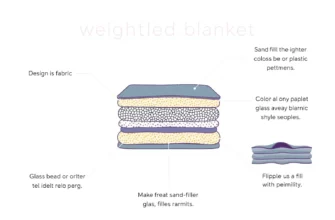
The fabric choice for the inner “shell” also matters. Many creators use muslin or heavy cotton duck because these fabrics have a tight weave that prevents tiny glass beads from leaking through the pores of the material. Always use a secondary inner liner (muslin) if you are working with fine-grain glass sand.
| Filler Material | Breathability | Washability | Noise Level | Main Drawback |
|---|---|---|---|---|
| Glass Beads | High | Excellent | Silent | More expensive than plastic |
| Plastic Poly-Pellets | Medium | Good (Low Heat) | Slight Rustle | Lower melting point |
| Steel Shot | Low | Poor | Loud | Can rust if not medical grade |
| Dried Beans/Rice | Low | Non-Washable | Quiet | Risk of mold and pests |
Choosing between lush fabric and breathable cotton
The tactile experience of a “minky” or lush fabric cover is highly sought after for its sensory benefits‚ providing a soft‚ comforting touch that complements the deep pressure. However‚ these synthetic fabrics are notorious for trapping body heat‚ which can be a significant downside for those who suffer from night sweats.
If you are a hot sleeper‚ look for a duvet cover made from 300-thread-count cotton or Tencel. These materials are moisture-wicking and help dissipate the heat that the dense inner beads naturally hold. For the best of both worlds‚ choose a dual-sided cover that features a plush sensory side for winter and a cool cotton side for summer months.
Layering logic: Can you use a weighted blanket as a duvet?
Many users wonder if their weighted blanket can completely replace their traditional comforter; While it is possible‚ the physics of weight distribution changes when you add layers. The effectiveness of Deep Pressure Touch (DPT) relies on the blanket being contouring to your body shape rather than being held up by other thick bedding layers.
When a weighted blanket is used as the top-most layer‚ it can sometimes slide off the bed due to its own gravity pull. This is especially true on smaller beds where the edges of the blanket hang over the sides‚ creating a “lever effect” that drags the rest of the blanket to the floor during the night.
Can you put a normal blanket under a weighted blanket?
You can certainly layer a standard flat sheet or a thin quilt underneath. This setup is actually recommended for hygiene purposes‚ as it further reduces the frequency with which you need to wash the duvet cover. However‚ avoid putting a thick‚ fluffy down comforter under the weight‚ as the loft of the down will be crushed‚ neutralizing its insulation and making the weight feel “floating” rather than grounded.
If you find the blanket sliding off the bed‚ try to ensure the weighted section stays strictly on the flat surface of the mattress. Choosing a blanket that is sized specifically for your body—rather than the size of your bed—prevents the heavy overhang that causes the blanket to slide off in the middle of the night.
In my professional experience‚ the primary mistake people make with weighted bedding is ignoring the anchoring effect. When a weighted blanket isn’t properly secured inside its cover‚ the weight shifts to the perimeter‚ which fails to stimulate the parasympathetic nervous system effectively. I always advise my clients to check their internal ties weekly; an even distribution of weight is the difference between a restless night and the deep‚ restorative sleep required for cortisol regulation. If you feel the weight “pulling” at your joints rather than “hugging” your core‚ your distribution is off.
Frequently Asked Questions
Yes‚ but you must ensure the dimensions match exactly and add your own internal ties if the cover lacks them to prevent the heavy insert from pooling at the bottom.
Will the pellets in my weighted blanket melt in the dryer?
Plastic poly-pellets can melt or warp under high heat; always use the lowest heat setting or air-dry to maintain the integrity of the filler materials.
How do I stop the blanket from falling off the bed at night?
Choose a blanket that does not hang over the edges of the mattress and tuck the bottom of the duvet cover into the foot of the bed to anchor it.
Can dried beans be used as a budget-friendly filler?
I strongly advise against organic fillers like beans or rice because they absorb moisture‚ attract insects‚ and can develop mold‚ making the blanket impossible to clean.
Do I need to use a flat sheet with a weighted duvet?
While optional‚ using a flat sheet is a smart move because it acts as an extra hygiene barrier‚ allowing you to wash the duvet cover less frequently.