- The Science of Using a Weighted Blanket for ADHD Sleep and Focus
- Calming the ADHD Brain: Why Weight Matters
- From Temple Grandin to Modern Sensory Integration Weighted Blankets
- Temple Grandin’s Legacy in Sensory Processing
- Navigating the Spectrum: Autism, OCD, and Dyspraxia Applications
- Easing Autism Anxiety with Therapeutic Weight
- Weighted Blankets for OCD and Dyspraxia
- The Occupational Therapy Standard: Choosing Your Blanket
- Fillers and Fabric: What Makes a Blanket Autism-Friendly?
- How to Secure Funding: Autism Grants and Personal Statements
- Writing a Personal Statement for a Weighted Blanket
- Safety First: Usage in Hospitals and Clinical Settings
- Weighted Blankets for Adults and Hospital Protocols
- Frequently Asked Questions
The Science of Using a Weighted Blanket for ADHD Sleep and Focus
For individuals with ADHD, the transition from a high-stimulation day to a restorative night of sleep is rarely a linear process. The ADHD brain often struggles with a “delayed sleep phase,” where the internal clock runs behind the standard environment, leading to a racing mind just as the lights go out. This neurological restlessness is not merely a lack of discipline; it is a physiological challenge involving the regulation of dopamine and norepinephrine.
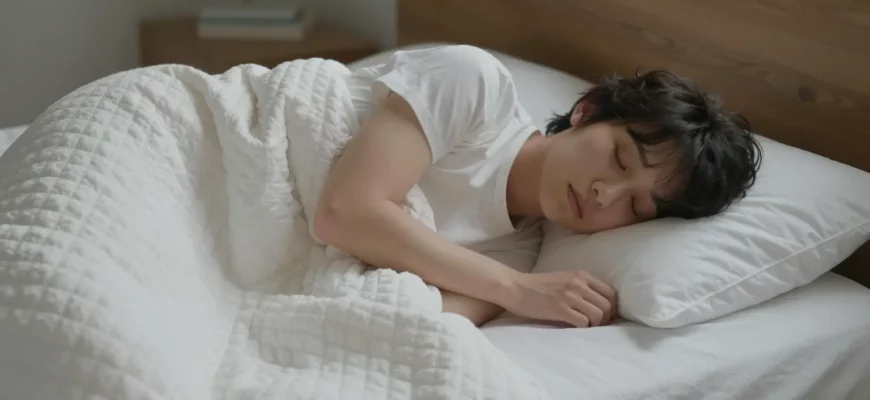
Deep pressure stimulation, the core mechanism behind weighted blankets, acts as a physical anchor for a nervous system that feels permanently unmoored. By providing consistent, distributed weight across the body, these blankets trigger a shift from the sympathetic nervous system (fight or flight) to the parasympathetic nervous system (rest and digest). This shift is essential for lowering the heart rate and quieting the mental noise that characterizes ADHD sleep problems.
Calming the ADHD Brain: Why Weight Matters
The ADHD brain is often hypersensitive to external stimuli while simultaneously being undersensitive to internal “proprioceptive” signals that tell the body where it is in space. This sensory paradox means that a light sheet can feel irritatingly flimsy, while the heavy pressure of a weighted blanket provides the brain with the precise input it needs to feel secure. Proprioceptive input serves as a neurological “mute button” for the hyper-arousal common in neurodivergent individuals.
When the skin feels the firm, steady pressure of a quality weighted blanket, the brain increases the production of serotonin. This neurotransmitter is the direct precursor to melatonin, the hormone responsible for governing sleep-wake cycles. For those with ADHD, who often experience a lag in natural melatonin production, this mechanical stimulation can jumpstart the transition into deep, REM-heavy sleep. Furthermore, the weight helps to inhibit the production of cortisol, the stress hormone that frequently spikes during late-night rumination.
Using weighted blankets for ADHD and anxiety isn’t just about comfort; it is about chemical regulation. By physically grounding the body, the blanket reduces “micro-movements” and restless leg sensations that frequently wake ADHD sleepers throughout the night. Consistency is key here; the brain begins to associate the specific weight of the blanket with the onset of the sleep cycle, creating a powerful psychological cue for rest.
From Temple Grandin to Modern Sensory Integration Weighted Blankets
The evolution of weighted therapy can be traced back to the innovative work of Dr. Temple Grandin, who recognized that deep pressure could significantly reduce anxiety in both animals and humans. Her “hug machine” proved that controlled, firm pressure could provide the calming sensory input that many autistic individuals crave but find difficult to accept from human contact. This foundational discovery paved the way for the portable, accessible sensory integration weighted blankets we use today.
Modern blankets have refined Grandin’s original concepts into sophisticated therapeutic tools. While the early prototypes were bulky and clinical, today’s designs utilize advanced materials to ensure that the pressure is evenly distributed. This prevents the “bunching” that can cause sensory spikes or discomfort, ensuring that the therapeutic weight remains consistent throughout the night.
| Feature | Standard Blanket | Sensory Integration Weighted Blanket |
|---|---|---|
| Pressure Type | Surface level / Light | Deep Touch Pressure (DTP) |
| Neuro-Impact | Tactile warmth only | Serotonin and Melatonin boost |
| Target Audience | General comfort | ADHD, Autism, SPD, Anxiety |
| Primary Goal | Temperature regulation | Nervous system regulation |
Temple Grandin’s Legacy in Sensory Processing
Temple Grandin’s personal experience with autism allowed her to identify that “light touch” is often perceived as an alarming or painful stimulus by neurodivergent nervous systems. In contrast, deep pressure—like that provided by a temple grandin weighted blanket—is processed as a calming, organizing force. This distinction is vital for parents and clinicians to understand: the goal is not just weight, but the “organizing” effect that weight has on a disorganized sensory system.
A sensory processing weighted blanket mimics the sensation of a firm, prolonged hug without the unpredictable social or sensory demands of human touch. For a child or adult in the middle of a sensory meltdown, this “cocooning” effect can provide an immediate sense of safety. The blanket acts as a physical boundary, defining where the body ends and the environment begins, which is a common area of confusion for those with sensory processing disorders.
Navigating the Spectrum: Autism, OCD, and Dyspraxia Applications
Neurodiversity is not a monolith, and the way a weighted blanket interacts with the body depends heavily on the specific neurotype of the user. While the underlying mechanism of deep pressure therapy remains constant, the clinical goals change. For some, the blanket is a tool for sleep; for others, it is a critical intervention for emotional regulation and motor planning. Understanding these nuances allows for a more tailored approach to sensory health.
In the context of autism, the blanket serves as a preventative tool to reduce the frequency and intensity of sensory overload. For those with OCD, the weight can provide a grounding “physical reality” that helps interrupt the cycle of intrusive thoughts. For individuals with dyspraxia, the blanket offers much-needed feedback to the joints and muscles, assisting with body awareness that is often compromised during the night.
Easing Autism Anxiety with Therapeutic Weight
Autism anxiety is often rooted in an inability to filter out environmental stimuli, leading to a state of constant high alert. An autistic weighted blanket functions as a shield against this overstimulation. By providing a “closed loop” of sensory feedback, the blanket allows the individual to focus on a single, soothing sensation. This focused sensory input can effectively lower the baseline of anxiety, making it easier to navigate transitions between activities or prepare for bed.
During a meltdown or “shutdown,” the weighted blanket provides a safe harbor. It is essential to use the blanket as a proactive tool rather than a punitive one; it should always be a choice made by the individual to seek comfort. Many families find that creating a “sensory corner” with a weighted blanket and low lighting helps the autistic child self-regulate before their anxiety reaches a breaking point.
Weighted Blankets for OCD and Dyspraxia
For those managing Obsessive-Compulsive Disorder, the “racing mind” is often accompanied by physical restlessness. An ocd weighted blanket can help ground the individual in the present moment, providing a tactile distraction from repetitive thoughts. The physical sensation of the weight serves as a “reality check” for the brain, signaling that the body is safe and stationary. This can be particularly helpful during the “winding down” period before sleep when compulsions often peak.
Dyspraxia, or Developmental Coordination Disorder, involves significant challenges with proprioception—the body’s ability to sense its own position. A dyspraxia weighted blanket provides intense feedback to the mechanoreceptors in the skin and muscles; This increased feedback helps the brain “map” the body more effectively, reducing the feeling of physical disorientation that can lead to poor sleep quality and frequent waking.
The Occupational Therapy Standard: Choosing Your Blanket
Selecting the right weighted blanket is a technical process that should ideally be guided by occupational therapy principles. A blanket that is too light will fail to provide the necessary deep pressure, while one that is too heavy can become a safety hazard or cause physical fatigue. The gold standard for therapeutic weight is approximately 10% of the user’s total body weight, plus or minus one or two pounds depending on personal preference.
Beyond weight, the construction of the blanket dictates its effectiveness; The distribution of the filler, the type of fabric used, and the ease of cleaning are all critical factors. For neurodivergent users, “sensory-friendly” fabrics are non-negotiable. A blanket that provides great pressure but has a “scratchy” seam or a noisy filler will ultimately be rejected by someone with tactile defensiveness.
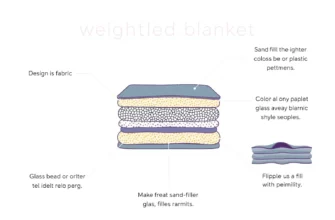
| Filler Type | Pros | Cons |
|---|---|---|
| Glass Beads | Smooth, silent, dense, stays cool | Higher cost |
| Plastic Pellets | Durable, washable, affordable | Can be noisy/bumpy |
| Steel Beads | Extremely dense (thinner blanket) | Can feel “cold” or “hard” |
| Weighted Fabric | No “beads” to shift, very quiet | Difficult to adjust weight |
Fillers and Fabric: What Makes a Blanket Autism-Friendly?
When searching for autism friendly weighted blankets, the filler material is the most important internal component. Glass beads are widely considered the superior choice for sensory-sensitive individuals. Unlike plastic pellets, glass beads are small and smooth, resembling fine sand, which allows them to contour to the body without creating the “pebble” sensation that many autistic people find distracting. They also tend to be quieter, which is crucial for those with auditory sensitivities.
Temperature regulation is another vital consideration. Many neurodivergent individuals struggle with “running hot” or have specific sensory aversions to sweating. Look for autism weighted blankets filler paired with breathable fabrics like bamboo, eucalyptus, or high-thread-count cotton. Avoid “minky” or synthetic fleece fabrics unless the user specifically craves that soft texture, as these materials trap heat and can lead to sensory discomfort during the night.
How to Secure Funding: Autism Grants and Personal Statements
A high-quality therapeutic weighted blanket can be a significant investment, often costing between $100 and $300. For many families, this is a financial barrier. However, because these blankets are recognized as therapeutic tools, there are several avenues for securing funding. Many insurance providers and state-funded grant programs will cover the cost if the blanket is classified as “Durable Medical Equipment” (DME) and accompanied by a letter of medical necessity from a doctor or OT.
Securing an autism grant weighted blanket requires clear documentation and a persuasive personal statement. You must move beyond the idea of “comfort” and focus on “functional outcomes.” Explain how the blanket will improve the individual’s ability to participate in daily life by increasing sleep duration or reducing the frequency of daytime meltdowns.
- Identify the specific medical need: Use clinical terms like “sensory processing dysfunction” or “chronic sleep onset latency.”
- Link to Occupational Therapy goals: Mention how the blanket supports “self-regulation” and “proprioceptive integration.”
- Document failed interventions: Briefly list other methods you have tried (e.g., sound machines, blackout curtains) to show why the weighted blanket is the necessary next step.
- Request a formal OT evaluation: A signature from a licensed Occupational Therapist carries significant weight with grant committees.
- Keep a daily sleep log: Providing data on current sleep patterns can demonstrate the urgent need for intervention.
Writing a Personal Statement for a Weighted Blanket
When writing a personal statement for weighted blanket funding, your tone should be professional yet descriptive of the daily challenges faced. Focus on the “ripple effect” of poor sleep: how a lack of rest leads to decreased focus at school, increased irritability, and a higher need for more expensive interventions. By positioning the blanket as a cost-effective, non-invasive solution, you increase the likelihood of approval.
Be specific about the features required. If the user has extreme tactile sensitivity, specify that a “glass bead filler with a cotton cover” is medically necessary to avoid skin irritation. Using the correct terminology shows the funding body that you are seeking a specific therapeutic tool, not just a luxury bedding item. Many non-profits, such as the Autism Society or local disability organizations, have specific templates for these applications.
Safety First: Usage in Hospitals and Clinical Settings
The use of weighted blankets in clinical environments, such as hospitals or psychiatric units, requires strict adherence to safety protocols. Unlike home use, hospital-grade blankets must be able to withstand rigorous sanitization processes. Infection control is paramount, and many clinical-grade blankets feature antimicrobial, wipeable covers that can be disinfected between uses.
Weight limits are also more strictly monitored in clinical settings to prevent respiratory distress. Medical professionals must ensure that the user has the physical strength to remove the blanket independently. This is especially important for sensory issues weighted blanket for adult users who may have co-occurring physical disabilities or limited mobility.
Weighted Blankets for Adults and Hospital Protocols
For adults, the sensory needs are often more complex. An autistic hospital weighted blankets program might use blankets not just for sleep, but as a “grounding” tool during painful procedures or periods of high anxiety. The pressure helps to mitigate the “white coat syndrome” and provides a sense of autonomy in an environment where the patient often feels they have little control.
Safety protocols in hospitals usually dictate that weighted blankets should never be used with patients who have:
- Respiratory issues: Such as asthma, sleep apnea, or COPD.
- Circulatory problems: Including Type 2 diabetes or heart conditions.
- Fragile skin: Especially in elderly populations where the weight could cause bruising or tears.
- Post-operative restrictions: Where the weight might interfere with incisions or medical equipment.
In my professional experience as an Occupational Therapist, I have seen weighted blankets fail only when they are treated as a “magic bullet” rather than a tool within a broader sensory diet. I always advise my clients that a blanket is most effective when paired with active sensory-seeking activities during the day. If a child hasn’t had the chance to jump, climb, or push heavy objects during their waking hours, their “proprioceptive tank” will be empty, and a blanket alone may not be enough to settle their nervous system. Use the blanket as the “cool down” phase of a day filled with meaningful movement. Additionally, never force a weighted blanket on a child; if they push it away, their nervous system is telling you that they are currently “over-responsive” to pressure, and forcing the issue can lead to increased trauma and sensory defensiveness.
Frequently Asked Questions
The standard clinical recommendation is 10% of the child’s body weight plus 1-2 pounds. For example, a 50-pound child would typically use a 5-7 pound blanket. Always consult with an Occupational Therapist to ensure the weight is appropriate for the child’s specific muscle tone and sensory profile.
Can a weighted blanket help with autism-related night waking?
Yes, weighted blankets provide continuous proprioceptive input throughout the night. This steady pressure helps maintain the body in a state of parasympathetic arousal, which can prevent the “micro-arousals” that lead to full waking in children with autism.
Are there grants available for autistic children to get weighted blankets?
Numerous organizations like The Autism Society, Danny’s Wish, and various state-level disability waivers provide funding for sensory equipment. You will typically need a “Letter of Medical Necessity” from a pediatrician or OT to qualify for these grants.
What is the best filler for a sensory-sensitive person?
Glass beads are the gold standard for sensory-sensitive individuals. They are smaller, smoother, and quieter than plastic pellets, providing a more uniform “hug” sensation without the distracting noise or texture of plastic.
Can I use a weighted blanket for my child who has dyspraxia?
Absolutely. For children with dyspraxia, the weight provides essential feedback to the brain regarding the body’s position. This increased body awareness can reduce the physical “clumsiness” and restlessness that often disrupts their sleep.