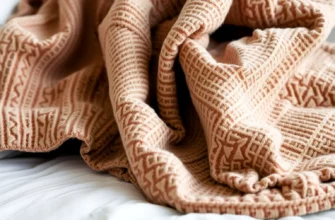
- Finding Your Ideal Weighted Blanket Weight: The 10% Rule and Beyond
- Why the 10% Rule is the Gold Standard for Sleep
- A Quick Reference Guide for Weighted Blanket Pounds
- Weight Chart: From Toddlers to Tall Adults
- Tailoring the Weight for Adults: When to Go Heavier or Lighter
- How Many Pounds Should an Anxiety Blanket Weigh for Adults?
- Safety First: Choosing a Kids Weighted Blanket Without the Risk
- How Many Pounds for a Childs Calm?
- Common Mistakes: How Do You Know What Weight You Need?
- The Bigger is Better Fallacy in Weighted Blankets
- Comparing Popular Brands: Layla vs. Gravity Blanket Weight Options
- Brand-Specific Sizing Nuances
- The Science of Pressure: OT Perspectives on Percentage Weight
- Why Weight Distribution Matters More Than Total Poundage
- Expert Perspective: The Safety and Efficacy of Deep Pressure
- Frequently Asked Questions
Finding Your Ideal Weighted Blanket Weight: The 10% Rule and Beyond
Choosing a heavy cover is more than just a matter of comfort; it is a calculated decision based on your body’s unique physiology. The goal is to provide enough pressure to trigger a biological response without causing physical strain or restricting movement during the night.
The foundation of this choice usually begins with a simple mathematical formula that has become the industry standard for sleep health. By identifying the specific weighted blanket weight that aligns with your frame‚ you can unlock the benefits of deep pressure stimulation‚ a therapeutic technique that mimics the feeling of being held or hugged.
Why the 10% Rule is the Gold Standard for Sleep
The most common recommendation you will encounter is to select a blanket that is roughly 10% of your total body weight. This specific ratio is not arbitrary; it is designed to provide enough “load” to stimulate the proprioceptive system—the sensory system that tells your brain where your body is in space—without being so heavy that it feels restrictive or suffocating.
For many users‚ adding one or two pounds to that 10% calculation provides the “sweet spot” for restorative sleep; If you weigh 150 pounds‚ a 15-pound blanket is the baseline‚ but many find that a 17-pound option offers that extra bit of grounding needed to quiet a restless mind. When considering a weighted blanket per weight‚ remember that the pressure should feel evenly distributed across your entire torso and limbs‚ rather than concentrated in one area.
This pressure works by encouraging the nervous system to switch from a “fight or flight” state to a “rest and digest” state. When determining a weighted blanket which weight is best for you‚ consider your sensitivity to touch; those who find firm pressure calming often lean toward the higher end of the 10% to 12% range.
A Quick Reference Guide for Weighted Blanket Pounds
Navigating the various poundage options can be confusing‚ especially when manufacturers use different units of measurement. Having a clear roadmap helps you avoid the hassle of returning a product that is either too light to be effective or too heavy to be comfortable.
The following data provides a comprehensive breakdown for various body types‚ ensuring you find a match that provides the necessary calming effect without overwhelming your frame.
| User Body Weight (lbs) | User Body Weight (kg) | Recommended Blanket Weight (lbs) | Recommended Blanket Weight (kg) |
|---|---|---|---|
| 40 – 70 lbs | 18 – 32 kg | 5 lbs | 2.3 kg |
| 70 – 90 lbs | 32 – 41 kg | 7 lbs | 3.2 kg |
| 90 – 110 lbs | 41 – 50 kg | 10 lbs | 4.5 kg |
| 110 – 140 lbs | 50 – 64 kg | 12 lbs | 5.4 kg |
| 140 – 170 lbs | 64 – 77 kg | 15 lbs | 6.8 kg |
| 170 – 200 lbs | 77 – 91 kg | 20 lbs | 9.1 kg |
| 200 – 230 lbs | 91 – 104 kg | 25 lbs | 11.3 kg |
| 230+ lbs | 104+ kg | 30 lbs | 13.6 kg |
Weight Chart: From Toddlers to Tall Adults
When using the weighted blanket lb guide above‚ it is important to treat these numbers as a starting point rather than an absolute law. Factors such as height and weight distribution play a massive role in how that poundage feels once you are under the covers.
For a taller adult‚ the 20 lbs of a weighted blanket weights kg equivalent of 9.1 kg is spread over a much larger surface area compared to a shorter individual. This means the pressure density—or the amount of weight felt per square inch—will be lower for taller people‚ potentially requiring a slightly heavier option to achieve the same sensory effect.
Tailoring the Weight for Adults: When to Go Heavier or Lighter
Adults have the luxury of personal preference‚ but they also face unique physical challenges like joint pain or temperature regulation. Choosing the right pressure blanket requires an honest assessment of your sleeping habits and physical comfort thresholds.
Some people thrive under significant weight‚ finding it the only way to silence racing thoughts‚ while others may find too much pressure induces a sense of trapped anxiety. Finding the balance is key to ensuring the blanket remains a tool for relaxation rather than a source of stress.
How Many Pounds Should an Anxiety Blanket Weigh for Adults?
When selecting an adult weighted blanket weight specifically for anxiety relief‚ many users find that the standard 10% rule can be safely exceeded if they are looking for a “firm” sensation. Adults weighing 150 to 180 pounds often debate between the 15lb and 20lb options; the 20lb choice is frequently preferred by those with high levels of sensory-seeking behavior or chronic restlessness.
However‚ if you struggle with claustrophobia or have respiratory issues like sleep apnea‚ rounding down is the safer and more comfortable path. When asking “for adults what weight do I need‚” consider your primary sleep position; side sleepers often prefer slightly lighter blankets (around 7% to 10%) because the weight is concentrated on the narrower surface area of the hips and shoulders‚ which can lead to joint soreness if the blanket is too heavy.
Safety First: Choosing a Kids Weighted Blanket Without the Risk
For parents‚ the stakes are much higher when introducing a weighted tool into a child’s sleep environment. While these blankets can be transformative for children with ADHD or sensory processing disorders‚ they carry significant risks if used incorrectly.
The most critical factor is the child’s ability to manipulate the blanket. A child must always be able to pull the blanket off their own body without assistance to ensure they can escape if they feel overheated or have difficulty breathing.
How Many Pounds for a Childs Calm?
The formula for children is stricter than it is for adults: 10% of their body weight plus exactly one or two pounds. For a 50-pound child‚ a 6-pound or 7-pound blanket is the upper limit‚ as their smaller frames and developing respiratory systems are more susceptible to the effects of heavy pressure.
When determining a kids weighted blanket how many pounds is appropriate‚ never use a weighted blanket for toddlers under the age of two. Their ribcages are flexible‚ and their muscle strength is insufficient to overcome the weight of even a “light” 5-pound blanket‚ posing a severe risk of suffocation. For older children‚ always consult with a pediatrician to ensure the weight for toddlers weighted blanket use is medically appropriate for their specific developmental stage.
Common Mistakes: How Do You Know What Weight You Need?
One of the most frequent errors consumers make is confusing bed size with personal weight requirements. A weighted blanket is a personal therapeutic tool‚ not a decorative bedspread‚ and choosing based on the dimensions of your mattress can lead to a poor experience.
Another common issue is the “weight moves” phenomenon‚ where the internal fill (usually glass beads or plastic pellets) shifts to one side of the blanket. This ruins the pressure distribution and can make a 15lb blanket feel like 30lbs on one leg and 0lbs on the other.
The Bigger is Better Fallacy in Weighted Blankets
Buying a King-sized weighted blanket for a single person is often a mistake unless you significantly increase the total weight. Because the weight is distributed over a larger surface area‚ a 20lb King blanket will provide much less pressure per square inch than a 20lb Twin blanket.
- Don’t buy based on bed size: A Queen-size blanket that hangs over the edges of the bed will use gravity to pull the weight off your body and onto the floor.
- Avoid uneven fill: Look for blankets with small stitched pockets (4-5 inches square) to ensure the weighted blanket size vs weight ratio remains consistent across your body.
- Check the “too heavy” signs: If you wake up with sore joints or find it difficult to roll over‚ the blanket is likely too heavy for your current physical state.
- Material matters: Glass beads are thinner and denser than plastic pellets‚ leading to a thinner profile that many find less “suffocating” even at higher weights.
Comparing Popular Brands: Layla vs. Gravity Blanket Weight Options
Different manufacturers use different internal constructions‚ which changes how the weight is perceived. A “15lb” blanket from one brand may feel significantly different from a “15lb” blanket from another due to the density of the filling and the type of fabric used for the cover.
Below is a comparison of two industry leaders to help you understand how brand-specific engineering affects your choice.
| Feature | Layla Weighted Blanket | Gravity Blanket |
|---|---|---|
| Weight Tiers | 15‚ 20‚ 25 lbs | 15‚ 20‚ 25‚ 35 lbs |
| Filling Type | Micro-glass beads | Fine-grade glass beads |
| Weight Distribution | Hexagon stitching pattern | Gridded square stitching |
| Key Differentiator | Flippable (one side cotton‚ one side mink) | Signature premium micro-fleece cover |
Brand-Specific Sizing Nuances
When looking at the layla weighted blanket weight‚ the brand focuses on a “one-size-fits-most” approach for their weight tiers‚ utilizing a hexagon stitching pattern that is specifically designed to prevent the beads from clumping in corners. This makes their 20lb option feel very consistent across the body.
In contrast‚ the question of how much should a gravity blanket weight often depends on whether you are buying their “Single” or “Queen/King” version. Gravity is known for high density‚ meaning their blankets are often smaller in physical dimensions than competitors‚ concentrating the poundage directly over the sleeper rather than letting it spread out across the mattress.
The Science of Pressure: OT Perspectives on Percentage Weight
Occupational therapists (OTs) have used weighted vests and blankets for decades to help patients with sensory processing disorders. From a clinical perspective‚ the total poundage is less important than the quality of the proprioceptive input—the “heavy work” signals sent to the brain.
This input helps the brain organize sensory information‚ which is why many therapists recommend an ot weighted blanket percentage weight of 10% as a baseline for clinical intervention.
Why Weight Distribution Matters More Than Total Poundage
The actual effectiveness of the blanket is determined by how many mechanoreceptors in your skin are being stimulated simultaneously. If the weighted blanket actual weight is high but the beads are clumped‚ the therapeutic benefit is lost.
Consistent pressure distribution is what triggers the release of dopamine and serotonin‚ the neurotransmitters responsible for calm and mood regulation. If you find that you are constantly adjusting the blanket to get the weight in the right place‚ you are likely dealing with a “low-density” fill issue‚ where the weighted blanket poundage is correct but the engineering is failing to deliver that weight where it matters most.
Expert Perspective: The Safety and Efficacy of Deep Pressure
In my professional experience as someone who has recommended sensory tools for years‚ I always advise clients to prioritize respiratory freedom over total weight. A weighted blanket should never feel like a lead weight; it should feel like a firm‚ reassuring embrace. If you have a history of circulatory issues‚ asthma‚ or chronic joint inflammation‚ I strongly suggest starting at 5% to 7% of your body weight and gradually increasing only if your body responds positively. The most common mistake I see is users “powering through” a blanket that is too heavy‚ which actually spikes cortisol levels due to physical stress‚ defeating the entire purpose of the therapy.
Frequently Asked Questions
If you are between standard sizes‚ round up to the heavier option if you primarily seek anxiety relief‚ or round down if you are a hot sleeper or have sensitive joints.
Can a weighted blanket be too heavy?
Yes‚ a blanket is too heavy if you experience shortness of breath‚ physical pain‚ or an inability to move freely under the covers. Safety dictates you must always be able to remove it yourself.
What weight should I get for a 50lb child?
For a 50lb child‚ a 5lb to 6lb blanket is the safest choice‚ following the 10% of body weight plus one pound guideline for pediatric use.
Does the size of the blanket (Twin vs King) change which weight I should buy?
Yes‚ because weight is distributed over surface area‚ a 20lb King blanket will feel significantly lighter than a 20lb Twin blanket. You may need a higher total weight for larger dimensions.
Is a 20lb weighted blanket too much for a 150lb person?
While 20lbs is slightly above the 10% rule for a 150lb person‚ many adults prefer this extra pressure for deeper sleep‚ provided they have no underlying respiratory or joint issues.