- Is it safe to sleep with a weighted blanket every night?
- The general consensus on nightly safety
- Potential side effects: When sleeping with a weighted blanket is bad for you
- Physical risks and mobility concerns
- Sleep apnea and snoring: Why heavy blankets require caution
- How chest weight affects respiratory effort
- Essential Dos and Don’ts for safe weighted blanket use
- Choosing the right weight for safety
- Myth vs․ Fact: Debunking dangerous misconceptions
- Expert Perspective: Weighted Bedding Safety
- Frequently Asked Questions
Is it safe to sleep with a weighted blanket every night?
Many adults find that the heavy, cocoon-like sensation of a weighted blanket provides a sense of security that standard bedding cannot replicate․ This feeling is rooted in the concept of deep pressure stimulation, a therapeutic technique that mimics the sensation of being held or hugged to promote relaxation․
For the vast majority of healthy adults, using a weighted blanket every night is perfectly safe and can even become a cornerstone of a healthy sleep hygiene routine․ The primary goal is to shift the body from a state of high alert into a restorative phase by gently calming the nervous system without relying on pharmacological aids․
The general consensus on nightly safety
If you are a healthy adult with full mobility, using a weighted blanket every night is generally considered a low-risk way to improve sleep quality․ The key to maintaining safety over long-term use lies in the 10% body weight rule, which ensures the blanket provides enough pressure to be effective but not so much that it becomes restrictive or exhausting to move under․
When considering if it is healthy to sleep with a weighted blanket, you must evaluate the breathability of the materials․ Natural fibers like bamboo or high-thread-count cotton are superior for nightly use because they prevent the “oven effect,” where heat becomes trapped against the skin․ If you find yourself waking up drenched in sweat, the blanket may be disrupting your natural circadian rhythm, which requires a drop in core body temperature to maintain deep sleep․
Proprioceptive input, or the awareness of your body in space, is what makes these blankets so effective for those with sensory processing issues․ By providing a constant, gentle squeeze, the blanket helps the brain organize sensory information․ This leads to a measurable reduction in cortisol levels and an increase in serotonin production, making the transition to sleep much smoother for those with racing thoughts or restless legs․
Potential side effects: When sleeping with a weighted blanket is bad for you
While the benefits are widely touted, a weighted blanket is not a universal solution, and there are specific scenarios where the added mass can be counterproductive․ Physical limitations and certain physiological responses can turn a comforting tool into a source of discomfort or even mild physical strain․
It is important to recognize that the “one size fits all” approach does not apply here․ A blanket that feels like a gentle hug to one person might feel like a heavy weight to another, especially if they have underlying joint issues or a smaller physical frame that struggles against the resistance of the fill material․
| Factor | Potential Benefit (Pro) | Potential Risk (Con) |
|---|---|---|
| Deep Pressure | Reduces anxiety and lowers heart rate․ | Can cause joint soreness or pressure point pain in side sleepers․ |
| Sleep Continuity | Reduces tossing and turning during the night․ | May make it difficult to change positions, leading to stiffness․ |
| Thermal Regulation | Provides warmth and a sense of coziness․ | Risk of overheating and night sweats if the fill is synthetic․ |
| Nervous System | Promotes relaxation via serotonin release․ | Can trigger feelings of claustrophobia or being trapped․ |
Physical risks and mobility concerns
One of the primary dangers of sleeping with a weighted blanket is the potential for restricted mobility․ If the blanket is too heavy for your specific strength level, you may find it difficult to shift positions during the night, which can lead to increased pressure on the hips, knees, and ankles․ This is particularly concerning for individuals with osteoarthritis or chronic pain conditions where regular movement is necessary to prevent morning stiffness․
Another physical side effect involves temperature regulation and the phenomenon known as “afterdrop․” If you become excessively hot under a heavy blanket and then remove it suddenly in a cold room, your body can experience a rapid fluctuation in core temperature, which can be jarring to the circulatory system․ To avoid this, it is bad to sleep under a weighted blanket that does not have adequate ventilation or moisture-wicking properties․
Circulatory issues can also be exacerbated by excessive weight․ If you have peripheral neuropathy or poor circulation in your limbs, the constant pressure of 15 to 20 pounds of glass beads can impede blood flow to the extremities․ Always ensure that you can easily kick the blanket off your feet without significant effort; if you feel “pinned” to the mattress, the blanket is objectively too heavy for your body type․
Sleep apnea and snoring: Why heavy blankets require caution
Respiratory safety is the most critical factor to consider before introducing a weighted blanket into your bedroom․ For individuals with compromised breathing patterns, the added weight on the chest and abdomen is not just a matter of comfort—it is a significant medical concern that requires a cautious approach․
If you have been told that you snore loudly or if you have a clinical diagnosis of obstructive sleep apnea, you must understand how external pressure interacts with your airway․ The act of breathing requires the diaphragm and intercostal muscles to expand the chest cavity; any weight placed on the torso increases the work of breathing, which can be dangerous during the deep stages of sleep․
How chest weight affects respiratory effort
When considering if someone with sleep apnea can use a weighted blanket, the answer is often a firm “no” or “only with medical clearance․” In sleep apnea, the airway periodically collapses․ Adding weight to the ribcage can further restrict lung expansion, potentially leading to longer or more frequent apnea events where the brain is deprived of oxygen․
For chronic snorers, the risk is similar․ Snoring is often a sign of a partially obstructed airway․ The extra pressure from a heavy blanket can compress the soft tissues of the neck and chest, making it even harder for air to pass through․ If you find yourself gasping for air or feeling exceptionally tired in the morning after using a weighted blanket, it is bad to use a weighted blanket when you snore without first consulting a sleep specialist․
Alternatives for respiratory-sensitive sleepers include using the blanket only on the lower half of the body․ By keeping the weight on the legs and hips, you can still benefit from proprioceptive input without putting any mechanical stress on the respiratory system․ This “waist-down” approach is a much safer way to test the benefits of deep pressure if you have concerns about your breathing․
Essential Dos and Don’ts for safe weighted blanket use
To maximize the therapeutic benefits of your bedding while minimizing the risks, you must follow a set of practical guidelines․ These rules are designed to help you determine if it is good to sleep with a weighted blanket based on your unique physiological needs and the environment in which you sleep․
Selection is the most important part of the process․ A blanket that is too light will fail to trigger the calming response, while one that is too heavy becomes a safety hazard․ Pay close attention to the fill material; glass beads are typically preferred over plastic pellets because they are smaller, quieter, and distribute weight more evenly across the body․
- DO: Follow the 10% rule․ Choose a blanket that is approximately 10% of your total body weight․ For a 150-pound person, a 15-pound blanket is the gold standard․
- DO: Ensure independent removal․ You must be able to remove the blanket from your body in under five seconds without assistance to ensure you are never trapped․
- DO: Use a cooling cover․ If you are a hot sleeper, opt for lyocell or bamboo covers to facilitate airflow and prevent heat-induced wakefulness․
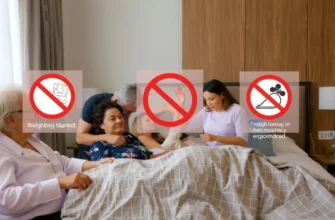
- DON’T: Cover your head or face․ Never pull a weighted blanket over your nose or mouth, as this creates a suffocation risk and restricts fresh oxygen intake․
- DON’T: Use with infants or toddlers․ Weighted blankets are strictly prohibited for children under the age of 2 and should be used with extreme caution for older children who lack the strength to move the weight․
- DON’T: Ignore chronic pain․ If you wake up with new hip or shoulder pain, the blanket is likely putting too much pressure on your joints and should be discontinued․
Choosing the right weight for safety
The safety of sleeping under a weighted blanket is dictated by the ratio of the blanket’s mass to your physical strength․ If you are between weight categories, it is generally safer to round down rather than up․ A 12-pound blanket that you can move freely is far more beneficial than a 15-pound blanket that leaves you feeling paralyzed in your sleep․
Material choice also plays a role in safety․ High-quality blankets use non-toxic glass beads sewn into small, individual pockets․ This prevents the weight from shifting to one side, which could otherwise create an uneven distribution of pressure that might strain your spine or neck if the weight bunches up in one area․
Myth vs․ Fact: Debunking dangerous misconceptions
As weighted blankets have surged in popularity, several myths have circulated regarding their safety and impact on the human body․ Distinguishing between legitimate medical warnings and internet-born myths is essential for making an informed decision about your sleep health․
Many people worry that the pressure of a weighted blanket can damage internal organs or the heart․ However, unless the blanket is grossly over the recommended weight limit (exceeding 20% of body weight), it does not provide enough force to impact internal organ function in a healthy adult․ The pressure is distributed across a wide surface area, making the actual “pounds per square inch” relatively low․
Myth: Weighted blankets can cause a heart attack by putting too much pressure on the chest․
Fact: For a healthy adult, the pressure is equivalent to a firm hug and does not impact cardiac output․ However, those with pre-existing congestive heart failure should consult a doctor, as their bodies may struggle with the minor increase in circulatory resistance․
Myth: Any child can use a weighted blanket for ADHD or autism symptoms․
Fact: This is a dangerous misconception․ Weighted blankets are a leading cause of accidental suffocation in infants․ They should only be used for children under strict supervision and only if the child has the motor skills to remove the blanket themselves․
Expert Perspective: Weighted Bedding Safety
In my professional experience working with patients in clinical sleep settings, I have seen weighted blankets work wonders for sensory regulation and chronic insomnia․ However, I must emphasize that they are medical contraindications for patients with COPD, severe asthma, or obstructive sleep apnea․ In these cases, the mechanical load on the chest can reduce functional residual capacity in the lungs․ I always advise my patients to start with a “test run” during a nap while they are fully awake before committing to a full night of use․ If you have any history of respiratory distress, never use a weighted blanket without a formal clearance from your physician․
Frequently Asked Questions
It is generally discouraged․ The extra weight on the chest can further restrict airways and impede the diaphragm, making apnea events more frequent or severe․
Is it bad to use a weighted blanket every single night?
No, for healthy adults, nightly use is safe and effective as long as the weight is 10% of your body mass and you do not experience overheating or joint pain․
What are the main side effects of sleeping with a weighted blanket?
The most common issues include excessive body heat, morning joint stiffness, and feelings of claustrophobia if the weight feels too restrictive․
Are weighted blankets dangerous for toddlers or small children?
Yes, they pose a significant suffocation risk for infants and toddlers who may not have the strength to move the blanket if it covers their face․
Should you use a weighted blanket if you snore?
Caution is necessary․ Since snoring often indicates a narrow airway, adding torso weight can exacerbate breathing difficulties during sleep․
Is it better to sleep under or on top of a weighted blanket?
To trigger the therapeutic benefits of deep pressure stimulation, you must sleep under the blanket, ensuring it covers your body evenly from the shoulders down․