- The Golden Rule: What Weight Should a Weighted Blanket Be for Most People?
- Understanding the 10% Body Weight Percentage Formula
- A Quick Reference Chart for Body Weight vs․ Blanket Pounds
- Calculating the Best Fit for Your Body Type
- What Weight Should a Weighted Blanket Be for Adults vs․ Seniors?
- Personal Preference: Why Some Adults Choose 12 lb vs 15 lb Blankets
- Safety Standards: How Much Weight in a Weighted Blanket for a Child?
- The Pediatric Weight Formula and Age Restrictions
- The In-Between Dilemma: Should You Round Up or Down?
- When to Choose a Heavier or Lighter Option
- Common Mistakes People Make When Choosing Blanket Weight
- Frequently Asked Questions
The Golden Rule: What Weight Should a Weighted Blanket Be for Most People?
Finding the right weighted blanket is less about buying bedding and more about selecting a therapeutic tool․ The sensation is often described as a gentle, full-body embrace that encourages the nervous system to shift from a state of “fight or flight” to “rest and digest․”
This physiological shift occurs through deep pressure stimulation, a technique that applies firm but gentle pressure to the body to increase serotonin and melatonin levels․ To achieve this without feeling trapped or overheated, the weight must be distributed precisely across your frame․
Understanding the 10% Body Weight Percentage Formula
The industry standard for most users is the 10 percent rule, which provides a mathematical baseline for comfort․ To calculate your ideal size, simply multiply your current body weight by 0․10 to find the target poundage for your blanket․
For the vast majority of adults, this calculation results in a blanket weighing between 12 and 25 pounds․ While the math is straightforward, you should treat this number as a starting point rather than an absolute law because individual sensitivity to pressure varies significantly․
If you weigh 150 pounds, a 15-pound blanket is your theoretical match, but because manufacturers typically produce blankets in 5-pound increments, you may need to decide between a 12-pound or 15-pound model․ Choosing a weight that feels like a firm hug rather than a heavy restriction is the key to improving sleep quality․
A Quick Reference Chart for Body Weight vs․ Blanket Pounds
Using a data-driven approach helps eliminate the guesswork when shopping for sensory bedding․ This chart outlines the most common body weight categories and their corresponding blanket recommendations based on standard manufacturing sizes․
| User Body Weight | Ideal Blanket Weight | Standard Commercial Size |
|---|---|---|
| 90 ⸺ 120 lbs | 9 ⸺ 12 lbs | 10 lbs or 12 lbs |
| 121 ⎯ 160 lbs | 12 ⎯ 16 lbs | 15 lbs |
| 161 ⎯ 200 lbs | 16 ⸺ 20 lbs | 15 lbs or 20 lbs |
| 201 ⎯ 250 lbs | 20 ⎯ 25 lbs | 20 lbs or 25 lbs |
| 251 lbs + | 25 lbs + | Custom or 30 lbs |
Calculating the Best Fit for Your Body Type
When looking at the 100-150 lbs range, a 12-pound blanket often provides the most balanced experience․ For those in the 150-200 lbs bracket, a 15-pound blanket is the most common choice, though users with high anxiety or sensory seeking behaviors often prefer moving up to 20 pounds․
The specific 161 lb weighted blanket guide suggests a unique dilemma: the 10% rule dictates 16․1 pounds, but 16-pound blankets are rare in retail settings․ In this specific case, opting for a 15-pound blanket is usually the safer bet to ensure the weight remains comfortable for a full eight hours of sleep․
For individuals over 200 lbs, the 10% rule may lead you toward a 25-pound blanket, but you must consider your physical strength and mobility․ If the blanket is too heavy to pull up or adjust during the night, it can lead to sleep disruptions rather than improvements․
What Weight Should a Weighted Blanket Be for Adults vs․ Seniors?
Adults often have varying reasons for seeking deep pressure therapy, ranging from chronic insomnia to restless leg syndrome․ While the 10% rule is effective for a healthy adult, age-related physical changes can necessitate a shift in how we calculate these weights․
Seniors, in particular, may find that a blanket meeting the 10% threshold is too taxing on fragile skin or arthritic joints․ For older adults, a lighter blanket weighing between 5% and 7% of their body weight often provides the therapeutic benefits without the risk of physical strain or circulation issues․
Personal Preference: Why Some Adults Choose 12 lb vs 15 lb Blankets
Many adults find themselves debating between a 12 lb and 15 lb blanket because they sit right on the edge of the 10% calculation․ A 12 lb blanket is often preferred by “hot sleepers” or those who experience mild claustrophobia, as it provides sensory input without feeling overwhelming․
Conversely, a 15 lb blanket is the “sweet spot” for many because it offers enough resistance to stimulate the release of dopamine․ If you are using a blanket specifically for anxiety relief, the slightly heavier 15 lb option can offer a more grounded feeling that helps quiet a racing mind before bed․
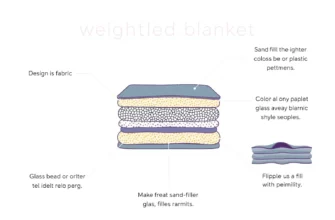
Fabric choice also plays a role here; a 15 lb blanket made with glass beads will feel thinner and more breathable than one filled with plastic poly-pellets․ Glass beads are denser, meaning the blanket can be thinner while maintaining the same weight, which is a major factor for adult comfort․
Safety Standards: How Much Weight in a Weighted Blanket for a Child?
Safety is the absolute priority when introducing weighted therapy to children․ Unlike adults, children have developing respiratory systems and less physical strength to maneuver heavy textiles, making the selection process much stricter․
The most important rule is that a child must always be able to remove the blanket by themselves․ If they lack the motor skills or strength to push the blanket off their face or body, it poses a significant suffocation risk and should not be used․
The Pediatric Weight Formula and Age Restrictions
The standard pediatric formula is slightly different from the adult version: 10% of the child’s body weight plus one or two additional pounds․ For a 40-pound child, a 5-pound or 6-pound blanket is typically the maximum recommended weight to ensure safety and comfort․
Weighted blankets are strictly prohibited for infants and toddlers under the age of two․ Even for older children, constant supervision is recommended during the initial transition period to ensure they do not become entangled or overheated while using the blanket․
Occupational therapists often recommend using these blankets for short durations, such as 20 minutes before bed, rather than the entire night․ This helps the child regulate their sensory system without the risk of long-term physical fatigue from the extra weight․
The In-Between Dilemma: Should You Round Up or Down?
Many people find that their calculated weight falls exactly between two standard blanket sizes․ If you weigh 165 pounds, your “perfect” weight is 16․5 pounds, but you will likely only find 15-pound and 20-pound options at the store․
Deciding whether to round up or down depends entirely on your health profile and sensory needs․ Rounding down is the conservative, safer choice for most people, especially if it is your first time using a weighted product․
- Round Up If: You have a high sensory threshold, struggle with severe “racing thoughts” at night, or have used weighted blankets successfully in the past․
- Round Down If: You have joint pain, circulatory issues, or are prone to feeling overheated during the night․
- Round Down If: You have any history of respiratory issues, such as sleep apnea or asthma, to ensure your chest expansion is not restricted․
- Round Up If: You are using the blanket specifically for restless leg syndrome and want the weight concentrated on your lower body․
When to Choose a Heavier or Lighter Option
Choosing a heavier option can be beneficial for individuals with sensory processing disorder who require more intense “proprioceptive input” to feel where their body is in space․ However, a blanket that is too heavy can actually increase cortisol levels by making the user feel pinned down, which defeats the purpose of the therapy․
If you find that a 15-pound blanket doesn’t feel like enough, but a 20-pound version feels like too much, consider a 15-pound blanket with a textured cover․ Sometimes the tactile input from a minky or weighted fabric cover can provide the extra sensory feedback you need without adding physical pounds․
Common Mistakes People Make When Choosing Blanket Weight
One of the most frequent errors is purchasing a blanket based on the size of the bed rather than the weight of the person․ A King-sized weighted blanket is significantly heavier than a Twin-sized one, but the weight is spread over a larger surface area, which can actually decrease the pressure you feel on your body․
- Buying for the Bed Size: If a 20-pound blanket hangs over the edges of the bed, gravity will pull the weight toward the floor, causing the blanket to slide off and potentially strain your joints as you try to pull it back․
- Ignoring Couple Weights: If two people are sharing a blanket, you should not simply add your weights together․ It is much more effective to use two separate blankets tailored to each person’s individual 10% rule․
- Forgetting About the Filling: Blankets filled with large plastic beads often have poor weight distribution․ Always look for glass bead filling with small quilted squares to ensure the weight doesn’t bunch up in one corner․
- Overestimating Physical Strength: If you cannot comfortably carry the blanket from the closet to the bed, it is likely too heavy for safe sleeping․
In my professional experience, I have observed that the 10% rule is an excellent guide, but it is not a rigid law․ I always advise my clients to focus on the “Goldilocks zone” of pressure—where the blanket feels heavy enough to ground you, but light enough that you can turn over comfortably․ If you find yourself waking up with sore joints or feeling short of breath, you have surpassed your ideal weight․ Deep Pressure Touch works by stimulating the skin’s pressure receptors; it doesn’t require massive weight to be effective, just consistent, even distribution․ I often suggest starting with a lighter weight if you have any underlying health conditions like scoliosis or fibromyalgia, as the extra pressure can sometimes aggravate sensitive trigger points․
Frequently Asked Questions
Yes, a blanket is too heavy if it restricts your ability to breathe deeply, causes joint pain, or is difficult to move without significant effort․ Safety is compromised if the user cannot remove the blanket independently․
What if I weigh 160 pounds, what size blanket should I get?
For someone weighing 160 pounds, a 15-pound or 16-pound blanket is the mathematical ideal․ Since 15-pound blankets are the standard retail size, a 15-pound model will provide the most comfortable and accessible experience․
Are weighted blankets safe for the elderly?
Weighted blankets are generally safe for seniors, provided they have the physical strength to manage the weight․ However, caution is required for those with fragile skin, circulation disorders, or respiratory conditions like COPD․
Does the size of the bed matter for the weight of the blanket?
The blanket should be sized to your body, not the mattress․ A blanket that is too large will hang over the sides, causing gravity to pull the weight off the bed and creating an uneven, uncomfortable experience․
How many pounds should a weighted blanket be for a 50 lb child?
Following the pediatric guideline of 10% plus 1-2 lbs, a 50-pound child should use a blanket weighing between 5 and 7 pounds․ Always ensure the child is at least two years old and has the strength to move the blanket․