- Finding Your Perfect Match: Is a 20 lb Weighted Blanket the Best Choice?
- Who Should Use a 20 lb or 25 lb Weighted Blanket?
- The Math of Comfort: Matching Blanket Weight to Your Body
- Deciding Between a 15 lb or 20 lb Weighted Blanket
- Dimensions and Sizing: Why 60×80 Matters
- Comparing the 60×80 vs. 80×87 Weighted Blanket
- Material Selection: From Cooling Bamboo to Cozy Minky
- Best Fabrics for Hot Sleepers and Sensory Needs
- Common Mistakes: What to Avoid When Buying Heavy Blankets
- Safety First: When Weight Becomes a Risk
- The Heavyweight Battle: 25 lb vs. 20 lb Comparison
- Is a 25 lb Blanket Too Heavy for Every Night Use?
- Frequently Asked Questions
Finding Your Perfect Match: Is a 20 lb Weighted Blanket the Best Choice?
Choosing a weighted blanket is more than a simple bedding purchase; it is an investment in your neurological health and sleep architecture. The surge in popularity of the 20 lb weighted blanket stems from its ability to provide deep pressure stimulation, a therapeutic technique that mimics the sensation of being held or hugged. This physical input signals the brain to transition from a “fight or flight” state to a “rest and digest” state by modulating the autonomic nervous system.
While many shoppers view 20 lbs as the standard adult weight, the effectiveness of the blanket depends entirely on your unique physiology. If the blanket is too light, you miss out on the sensory benefits; if it is too heavy, you may experience discomfort or restricted movement during the night. Understanding the specific mechanics of weight distribution and pressure therapy is the first step toward achieving the restorative sleep you deserve.
Who Should Use a 20 lb or 25 lb Weighted Blanket?
The golden rule for selecting the right weight is the 10% body weight formula. For a 20 lb weighted blanket to be effective and safe, it is typically recommended for adults who weigh between 180 and 220 pounds. This ensures the pressure is firm enough to penetrate the soft tissues and reach the proprioceptive receptors without causing physical strain or respiratory resistance.
However, some individuals prefer a more intense therapeutic pressure and may opt for a 25lb weighted blanket even if they fall slightly below the 220-pound threshold. This is common among those dealing with high-arousal states, such as severe anxiety or sensory processing disorders, where a higher pressure load is required to achieve a calming effect. Conversely, if you are a side sleeper, you might find that a heavier blanket puts excessive pressure on your hips and shoulders, making the 20 lb option the upper limit of comfort.
It is also important to consider your physical strength and mobility. A 20 lb load can feel surprisingly heavy when you are trying to adjust the blanket in the middle of the night. If you have joint pain, arthritis, or limited upper body strength, always prioritize your ability to easily remove the blanket without assistance to ensure a safe sleeping environment.
The Math of Comfort: Matching Blanket Weight to Your Body
Precision is key when matching your body mass to a weighted tool. The relationship between your weight and the blanket’s weight determines the “pressure profile” you will experience. A blanket that is perfectly calibrated will distribute its mass evenly across your entire body, preventing “hot spots” of pressure that could lead to muscle soreness or circulation issues.
| Your Body Weight (lbs) | Recommended Blanket Weight (lbs) | Ideal Pressure Experience |
|---|---|---|
| 100 ⸺ 130 lbs | 10 ⸺ 12 lbs | Gentle, soothing pressure for lighter frames. |
| 130 ⸺ 170 lbs | 15 lbs | Standard therapeutic weight for most average-sized adults. |
| 170 ⸺ 210 lbs | 20 lbs | Deep, firm pressure ideal for stress relief and RLS. |
| 210 — 250 lbs | 25 lbs | Heavy-duty pressure for larger frames or high sensory needs. |
| 250+ lbs | 30 lbs | Maximum pressure; often requires a King-sized dimension. |
Deciding Between a 15 lb or 20 lb Weighted Blanket
If you weigh approximately 150 pounds, you sit at the crossroads of two popular sizes. Sleepers at 160 pounds and a 20 lb weighted blanket often find themselves debating if the extra 5 pounds will lead to better sleep or just more sweat. The 15 lb option is generally safer for those who move frequently in their sleep, as it allows for easier rotation and prevents the feeling of being “pinned” to the mattress.
However, for those searching for a 20 lb weighted blanket for 120 lbs individuals, extreme caution is advised. Using a blanket that represents nearly 17% of your body weight can lead to significant discomfort and may even impede natural breathing patterns during deep sleep. If you are an “in-between” weight, consider your primary goal: if it is for quick relaxation on the couch, the heavier 20 lb option might be fine, but for 8 hours of continuous sleep, the 15 lb version is often the more sustainable choice.
Mobility is the ultimate deciding factor. If you find that a 15 or 20 lb weighted blanket makes you feel trapped, your cortisol levels may actually rise, defeating the purpose of the product. Test the weight by placing it only over your legs first; if your ankles or knees feel strained after 20 minutes, the weight is likely too high for your frame.
Dimensions and Sizing: Why 60×80 Matters
The physical dimensions of your blanket are just as critical as the weight itself. A common mistake is buying a weighted blanket that matches the exact dimensions of your bed; Unlike a standard comforter, a weighted blanket should not hang over the edges of the mattress. If a 20 lb blanket hangs over the side, gravity will pull the weight toward the floor, causing the blanket to slide off you during the night and potentially damaging the internal stitching.
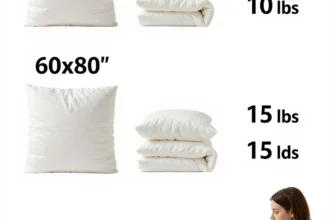
The 60×80 inch dimension is the industry standard for a 20 lb weighted blanket because it fits perfectly on top of a Queen-sized mattress without overhanging. This concentration of weight ensures that the full 20 pounds are focused on your body rather than the mattress edges. If you share a bed, you should generally use two separate weighted blankets rather than one large one, as individual weight needs vary significantly between partners.
- Queen Size (60×80): Best for single sleepers on Queen or Full beds; provides high weight density.
- King Size (80×87): Designed to cover the surface of a King bed; weight is more “diluted” across the larger area.
- Throw Size (48×72): Ideal for use on a sofa or for travel; the 20 lb weight will feel much more intense in this smaller format.
Comparing the 60×80 vs. 80×87 Weighted Blanket
When you move from a 20 lb 60×80 weighted blanket to an 80×87 20lb weighted blanket, the “feel” of the weight changes dramatically. In the larger 80×87 size, the 20 pounds are spread over nearly 50 square feet. This means the pressure applied to any single square inch of your body is significantly lower. If you want a heavy, cocoon-like feel, the smaller dimension is superior.
The 20 lb weighted throw blanket is a specialized tool often used in clinical settings or for evening relaxation. Because the surface area is so small, the 20 lbs of pressure is highly concentrated. This is excellent for “grounding” yourself after a stressful day, but it may be too intense for full-body overnight use. Always ensure the weight is distributed across your torso and legs, avoiding direct pressure on the neck or head.
For King-sized beds, the 80×87 size is often preferred for aesthetic reasons, but if you are using it for therapeutic purposes, you may need to increase the weight to 30 lbs to achieve the same pressure sensation as a 20 lb Queen-sized blanket. Remember that weight density is the metric that actually dictates the calming effect, not just the total poundage listed on the box.
Material Selection: From Cooling Bamboo to Cozy Minky
The fabric of your blanket dictates its thermal regulation and tactile experience. A 20 lb blanket acts as a massive insulator, trapping body heat against your skin. This is why many users complain of “night sweats” when using traditional cotton or polyester blankets. Modern engineering has introduced specialized fabrics that mitigate this heat retention, making weighted therapy accessible even for hot sleepers.
Bamboo and Minky represent the two ends of the material spectrum. Bamboo is a semi-synthetic fiber known for its incredible moisture-wicking and “cool-to-the-touch” properties. A 20 lb bamboo weighted blanket is the gold standard for those who live in warmer climates or suffer from hot flashes. On the other hand, Minky is a plush, microfiber fabric that offers a sensory-rich, velvety texture, making it perfect for winter months or individuals who find soft textures particularly soothing.
Best Fabrics for Hot Sleepers and Sensory Needs
If you struggle with temperature regulation, look for a 20lb quilted weighted blanket featuring a “300 thread count” cotton or bamboo shell. These natural fibers allow for better airflow than synthetic blends. Inside the blanket, the choice of filling also matters. Glass beads are superior to plastic poly-pellets because they are smaller, denser, and do not retain as much heat. They also provide a much quieter experience, which is vital for those with auditory sensitivities.
For those with sensory processing issues, the 25 lb minky weighted blanket offers “tactile input” that can be very grounding. The raised “dots” or quilted patterns on these blankets provide additional sensory feedback. However, these fabrics are heavy and can be difficult to clean. Always use a removable duvet cover to extend the life of your blanket; it is much easier to wash a cover than to attempt to fit a 20 lb blanket into a standard home washing machine.
Durability is another factor. High-quality blankets use double-stitched pockets (usually 4×4 or 5×5 inches) to keep the glass beads from shifting. If the beads leak or cluster in one corner, the blanket loses its therapeutic value and becomes a lumpy, uncomfortable mess. Check the reinforced edging and stitching density before purchasing to ensure the blanket can withstand the internal pressure of its own weight.
Common Mistakes: What to Avoid When Buying Heavy Blankets
The market for weighted blankets is flooded with options, leading to confusion regarding units of measurement and safety standards. One of the most common errors is the confusion between pounds (lbs) and kilograms (kg). A 20 kg weighted blanket is approximately 44 lbs—a weight that is dangerously heavy for almost any individual sleeper and could lead to injury or suffocation if used improperly.
Similarly, when users search for a “200 lb weighted blanket,” they are typically referring to their own body weight rather than the blanket’s weight. Never attempt to find or use a blanket that weighs 200 lbs. Furthermore, avoid the “heavier is better” trap. Some users assume that if 20 lbs feels good, 40 lbs will feel twice as good. In reality, excessive weight can compress nerves and lead to “pins and needles” sensations or long-term joint strain.
- Ignoring Machine Limits: Most home washing machines have a weight limit of 15-20 lbs; washing a 20 lb blanket (which gets heavier when wet) can break your appliance’s drum.
- Choosing the Wrong Size: Buying a King-sized blanket for a single person often results in the blanket sliding off the bed due to the weight of the overhang.
- Neglecting Safety for Kids: Never use an adult 20 lb blanket on a child; children require specifically calibrated 2-5 lb blankets based on their much smaller frames.
- Skipping the Cover: Using a weighted blanket without a duvet cover makes it nearly impossible to keep clean without risking damage in the wash.
Safety First: When Weight Becomes a Risk
Safety is paramount when dealing with heavy sleep aids. A weighted blanket should never be used by anyone who cannot move it off their body independently. This includes infants, small children, and individuals with physical disabilities or cognitive impairments. For toddlers, a 2-3 lb weighted blanket is the maximum safe range, and even then, it should only be used under supervision or according to a pediatrician’s advice.
There are also medical contraindications to consider. If you have chronic respiratory issues, such as asthma or sleep apnea, the added pressure on your chest could exacerbate these conditions. Individuals with circulation problems or Type 2 diabetes should consult a doctor before using a weighted blanket, as the pressure can affect blood flow to the extremities. As a rule of thumb, the blanket weight should never exceed 15% of the user’s total body weight for extended periods.
Lastly, be aware of the “entrapment” risk. The blanket should never be wrapped tightly around the body or used to restrain someone. It is a tool for comfort, not a physical restraint. If you feel any shortness of breath or a racing heart after applying the blanket, remove it immediately and opt for a lighter weight.
The Heavyweight Battle: 25 lb vs. 20 lb Comparison
For those at the upper end of the weight spectrum, the choice between 20 and 25 lbs is a common dilemma. The 25 lb option is often seen as the “heavy-duty” version, catering to those who find the 20 lb standard to be too subtle. This is particularly relevant for individuals over 6 feet tall, as their body mass is spread over a larger vertical area, requiring more total poundage to achieve the same pressure density.
| Feature | 20 lb Weighted Blanket | 25 lb Weighted Blanket |
|---|---|---|
| Best For | Adults 170-200 lbs | Adults 210-250 lbs |
| Ease of Movement | Moderate; easy for most adults. | Low; can feel restrictive for side sleepers. |
| Washing | Borderline for home machines. | Requires commercial/industrial washers. |
| Therapeutic Intensity | Standard for anxiety/insomnia. | High; best for autism/severe sensory needs. |
Is a 25 lb Blanket Too Heavy for Every Night Use?
Using a 25 lb weighted gravity blanket every night can be transformative for some, but it carries risks for others. The long-term impact on your joints—specifically the knees and ankles—should not be ignored. If you wake up with stiff joints, the blanket may be too heavy. However, for individuals on the autism spectrum, a 24 lb weighted blanket or 25 lb version can be a life-changing tool for managing “meltdowns” or high-arousal states by providing the intense sensory input their nervous system craves.
Maintenance is the biggest hurdle for the 25 lb category. Most residential dryers cannot tumble a 25 lb wet blanket effectively, which can lead to mold or mildew growth if the interior stays damp. If you choose this weight, plan on using a professional laundering service or a large-capacity machine at a laundromat. Furthermore, the sheer bulk of a 25 lb blanket makes it less portable; it is not something you can easily pack for a trip or move from room to room.
Ultimately, the “heavyweight” choice depends on your specific goals. If you are using it for targeted therapy (e.g., sitting with it for 30 minutes to calm down), 25 lbs is excellent. If you want a blanket to stay under for 8 hours of sleep, start with the 20 lb version to see how your body responds to the load over several nights before committing to a heavier model.
In my professional experience as a sleep consultant, I have seen that the “10% rule” is a starting point, not a biological law. The real magic of a 20 lb load happens when it triggers the parasympathetic nervous system, effectively lowering heart rate and inducing a state of calm. However, I always advise my clients that subjective comfort is the ultimate metric. If a blanket makes you feel claustrophobic, it will spike your heart rate regardless of what the “math” says. Always ensure you can move your limbs freely and that the blanket does not cause any numbness or tingling in your extremities. A weighted blanket should feel like a firm hug, never like a burden.
Frequently Asked Questions
For a 150-lb person, 20 lbs represents about 13% of their body weight. While slightly above the 10% rule, many sleepers prefer this extra pressure for anxiety relief, though it may feel restrictive for side sleepers.
What is the best size for a 20 lb weighted blanket: 48×72 or 60×80?
A 60×80 size is best for Queen beds as it covers the body without sliding off. The 48×72 size is better for couch use or smaller individuals who want a higher concentration of weight on a smaller surface area.
Can I use a 20 lb weighted blanket for my child?
No. A 20 lb blanket is dangerously heavy for children. Kids should use blankets specifically designed for their weight, typically in the 2-5 lb range, to avoid risks of suffocation or physical injury.
How do I wash a 20 lb or 25 lb weighted blanket?
Check your washer’s weight capacity first. Most 20 lb blankets require a heavy-duty home machine or a commercial laundromat. Always use a duvet cover to minimize the need for washing the weighted insert itself.
Does a 20 lb bamboo weighted blanket actually stay cool?
Yes, bamboo is naturally moisture-wicking and more breathable than cotton or polyester. When paired with glass bead filling, it helps dissipate body heat, making it the best option for hot sleepers.
What is the difference between a 20 lb and 20 kg weighted blanket?
The difference is massive: 20 kg is approximately 44 lbs. A 20 kg blanket is far too heavy for a single adult and is rarely appropriate or safe for standard home use.