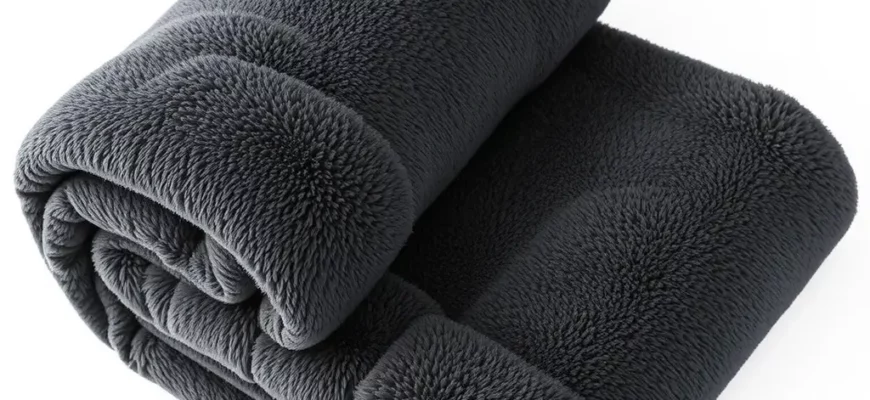
- The Science of Cozy: Why a Plush Weighted Blanket is More Than Just a Sleep Aid
- How Soft Textures Boost the Calming Effects of Weight
- Quilted vs. Knitted: Decoding the Best Way to Distribute Weight
- The Classic Quilted Design for Consistent Pressure
- Choosing Your Feel: Comparison Table of Premium Materials
- The Luxury of Velvet: Is a Velvet Knitted Weighted Blanket Right for You?
- The Breathability Factor in Knitted Velvet Designs
- The Gold Standard for Temperature Control: Merino Wool Weighted Blanket
- Why Hot Sleepers Prefer Natural Wool Fibers
- Essential Care: How to Keep Your Weighted Blanket Fresh
- Expert Perspective: The Tactile-Weight Ratio
- Frequently Asked Questions
The Science of Cozy: Why a Plush Weighted Blanket is More Than Just a Sleep Aid
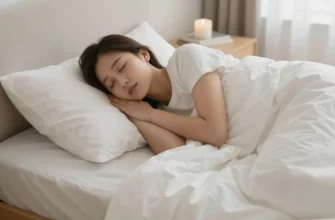
When you drape a plush weighted blanket over your shoulders, the immediate sensation is one of profound security. This isn’t just about the physical warmth; it is about how your nervous system interprets the combination of weight and texture. High-quality plush materials provide a soft-to-the-touch experience that serves as the first layer of relaxation before the actual weight begins its work.
The concept of Deep Touch Pressure (DTP) is the mechanical foundation of these blankets. By applying gentle, distributed force across the body, the blanket encourages the brain to transition from a “fight or flight” state to a “rest and digest” state. When this pressure is paired with a comforting weight and a luxurious texture, the psychological grounding effect is significantly amplified.
How Soft Textures Boost the Calming Effects of Weight
The intersection of tactile comfort and proprioceptive input is where the magic happens for those with high sensory needs. While the weight handles the internal biological response, the surface material manages the external sensory experience. Using sensory-friendly materials like high-pile plush ensures that the skin is not irritated, which is a common barrier to sleep for individuals with tactile sensitivities.
Creating a calming sleep environment requires more than just silence and darkness; it requires a physical “cocoon” that feels safe. Plush textures are specifically engineered to mimic the feeling of a hug, which triggers the release of oxytocin. For users dealing with high levels of daily stress, the tactile feedback of a plush surface can be the deciding factor in how quickly they reach deep REM sleep.
Quilted vs. Knitted: Decoding the Best Way to Distribute Weight
Choosing between a quilted and a knitted construction is perhaps the most important technical decision you will make. These two methods distribute weight using entirely different physics. A quilted comfort weighted blanket relies on internal fillers, whereas a knitted version relies on the density of the textile itself to provide the necessary poundage.
Traditional quilted blankets are often the standard for those who want precise weight control. They feature a “sandwich” construction: an outer cover, an inner lining, and a filling of glass beads or heavy plastic pellets. This design allows for a very specific weight—such as exactly 15 or 20 pounds—to be achieved with mathematical precision across the entire surface area of the bed.
The Classic Quilted Design for Consistent Pressure
The secret to a high-performing quilted blanket lies in the durable box stitching. These small, sewn squares act as individual chambers that prevent the glass beads from bunching up in one corner. If you are an active sleeper who tosses and turns, a quilted design with smaller pockets (typically 4×4 inches) ensures the weight stays on your body rather than sliding to the mattress.
Even weight distribution is the primary goal of any therapeutic bedding. In a quilted model, the “quilted comfort” comes from the padding surrounding the beads, which prevents you from feeling the graininess of the filling. This makes it a reliable choice for those who want a flat, streamlined look on their bed while maintaining a consistent level of pressure throughout the night.
Choosing Your Feel: Comparison Table of Premium Materials
Selecting the right fabric depends heavily on your local climate and your personal internal thermostat. While velvet offers a regal aesthetic, merino wool provides unmatched technical performance. Use the table below to identify which material aligns with your specific sleep requirements.
| Material Type | Breathability Level | Texture Feel | Best For |
|---|---|---|---|
| Standard Plush | Moderate | Fuzzy & Ultra-Soft | Winter Warmth / Children |
| Solid Velvet | Low to Moderate | Smooth & Dense | Luxury Aesthetics / Cold Sleepers |
| Velvet Knitted | High | Textured & Heavy | Year-Round Use / Sensory Input |
| Merino Wool | Excellent | Organic & Springy | Hot Sleepers / Sustainability |
The Luxury of Velvet: Is a Velvet Knitted Weighted Blanket Right for You?
Velvet has long been associated with opulence, but in the world of weighted bedding, it serves a functional purpose. A velvet weighted blanket is exceptionally durable and holds its shape better than many other synthetic fabrics. However, the traditional solid velvet cover can sometimes trap too much heat for those who live in warmer climates.
This is where the velvet knitted weighted blanket enters the scene as a premium alternative. Instead of using a fabric shell filled with beads, these blankets are hand-crafted by weaving thick “tubes” of velvet-wrapped filler into a giant mesh. This construction provides a unique tactile experience that many find more grounding than a flat fabric surface because of the varied heights of the loops.
The Breathability Factor in Knitted Velvet Designs
One of the biggest misconceptions is that velvet is always too hot. Because the knitted style features large open loops, it allows for significant airflow. These “air channels” allow body heat to dissipate rather than being trapped against your skin. A breathable velvet knit is the ideal solution for someone who loves the heavy, luxurious feel of velvet but tends to wake up sweaty under traditional comforters.
The hand-crafted comfort of a knitted blanket also means there is no “noise” associated with the blanket. Unlike bead-filled blankets that might make a subtle rustling sound when you move, a knitted velvet blanket is completely silent. This makes it a top-tier choice for sleepers who are easily disturbed by auditory triggers during the night.
The Gold Standard for Temperature Control: Merino Wool Weighted Blanket
If you are looking for an investment piece that will last for decades, the merino wool weighted blanket is the pinnacle of sleep technology. Unlike synthetic plush or velvet, wool is a biological fiber designed by nature to regulate temperature. It is a common myth that wool is only for the cold; in reality, it is one of the most versatile materials on the planet.
Merino wool fibers have a natural “crimp” that creates millions of tiny air pockets. This structure allows the material to act as an insulator in the winter and a cooling system in the summer. Furthermore, wool is naturally flame-resistant and antimicrobial, making it a much cleaner option for long-term use compared to synthetic blends that might harbor odors over time.
Why Hot Sleepers Prefer Natural Wool Fibers
The primary advantage of wool is its moisture-wicking properties. While synthetic plush might make you feel “clammy” if you sweat, wool can absorb up to 30% of its own weight in moisture without feeling damp. For hot sleepers, this means the blanket actively pulls sweat away from the body and allows it to evaporate into the air, keeping your skin dry and your core temperature stable.
Beyond the physical benefits, choosing wool is a nod toward sustainable sleep gear. Merino wool is a renewable resource and is biodegradable. When you invest in a high-quality wool piece, you are choosing a material that is as kind to the environment as it is to your nervous system. It offers a sophisticated, organic aesthetic that fits perfectly into a minimalist or modern bedroom design.
Essential Care: How to Keep Your Weighted Blanket Fresh
Maintaining the integrity of your weighted blanket requires a different approach than standard laundry. Because of the sheer weight and the specific fiber types involved, improper washing can lead to a “dead” texture or, worse, a broken washing machine. Follow these guidelines to ensure your investment remains in peak condition.
- Do: Use a commercial-grade laundromat machine for blankets over 15 lbs to avoid damaging your home appliance’s suspension.
- Do: Spot clean small stains with a mild detergent and cold water to extend the time between full washes.
- Don’t: Use fabric softeners on plush or velvet materials; the chemicals coat the fibers and actually make them less soft over time.
- Don’t: Apply high heat. Synthetic plush and velvet can “melt” or become “crunchy” if exposed to a hot dryer. Always air dry or use the lowest possible heat setting.
- Do: Check the care label on merino wool specifically. Many wool blankets are “dry clean only” to prevent the fibers from felting and shrinking.
Expert Perspective: The Tactile-Weight Ratio
In my professional experience as a sleep environment specialist, I’ve found that the “Tactile-Weight Ratio” is often more important than the weight itself. While most people focus on the 10% of body weight rule, the psychological grounding effect changes drastically based on surface texture. For clients with ADHD, a textured knitted surface provides a secondary point of focus that can quiet a racing mind. Conversely, for those with chronic insomnia driven by physical discomfort, a smooth quilted plush surface reduces friction and prevents “sensory spikes” that cause micro-awakenings. I always advise my clients to choose a texture that matches their daytime sensory preferences; if you find yourself fidgeting with fabrics, go for the knit. If you prefer a clean, “barely-there” feel, stick to the quilted plush.
Frequently Asked Questions
Plush is typically made from high-pile synthetic fibers like Minky, offering a fuzzy, “teddy-bear” feel. Velvet has a shorter, much denser pile that creates a smooth sheen and a more elegant, sophisticated hand-feel.
Are velvet knitted weighted blankets hot to sleep under?
Surprisingly, no. Because they are constructed with large, open loops rather than a solid sheet of fabric, they offer superior airflow that allows body heat to escape, making them cooler than many quilted options.
Can I wash a merino wool weighted blanket in the machine?
Most merino wool blankets should not be machine washed as the agitation causes the fibers to felt and shrink. I recommend professional dry cleaning or careful spot cleaning for all natural wool bedding.
Why should I choose a quilted comfort weighted blanket over a knitted one?
Quilted blankets offer higher weight precision and a more compact profile. If you need an exact weight like 25 lbs or prefer a blanket that fits easily inside a standard duvet cover, the quilted design is the better choice.
Is the velvet knit weighted blanket better for people with sensory sensitivities?
Yes, the unique “bumpy” texture of the knitted loops provides additional tactile stimulation. This can be more grounding and calming for individuals who benefit from sensory input to regulate their nervous system.