- Is the Bearaby Cotton Napper Weighted Blanket Right for Your Sleep Style?
- Why the Hand-Knit Design Changes Everything
- Comparing the Napper Collection: Cotton vs. Tree vs. Velvet
- Which Material Matches Your Body Temperature?
- Stay Cool with the Bearaby Tencel Tree Napper Weighted Blanket
- The Science of Eucalyptus Fibers in Bedding
- Eco-Luxury: The Bearaby Velvet Weighted Blanket Experience
- Recycled Marine Plastic Turned into Soft Velvet
- How to Choose the Perfect Weight for Your Napper
- The 10% Rule vs. Personal Preference
- Maintenance and Care: Keeping Your Knit Blanket Fresh
- Machine Washing a 20lb Knitted Blanket
- Expert Perspective: Knitted Pressure Therapy
- Frequently Asked Questions
Is the Bearaby Cotton Napper Weighted Blanket Right for Your Sleep Style?
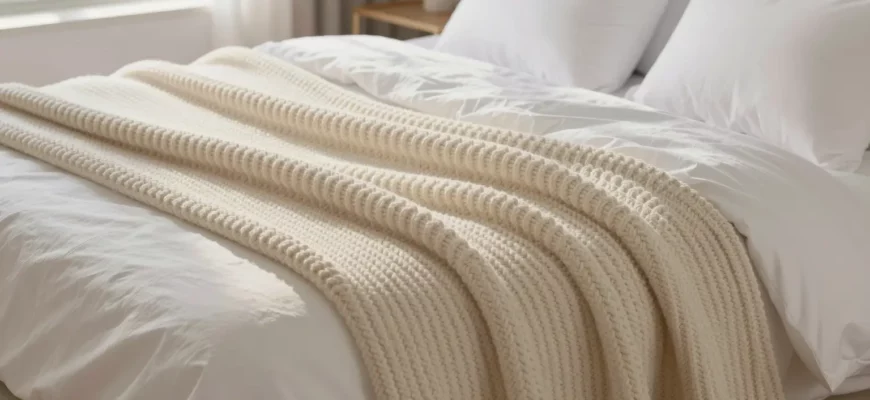
The Bearaby Cotton Napper has redefined the weighted blanket category by eliminating the noisy, shifting beads found in traditional designs. By using a sophisticated hand-knitted construction, this blanket provides deep touch pressure through the sheer weight of its organic cotton layers rather than artificial fillers;
Choosing a weighted blanket often involves a trade-off between comfort and temperature regulation. The Cotton Napper solves this by utilizing a chunky knit aesthetic that looks as good on a sofa as it feels on your body, offering a tactile experience that mimics a firm, consistent hug.
Why the Hand-Knit Design Changes Everything
Traditional weighted blankets rely on quilted pockets filled with glass or plastic pellets. Over time, these pockets can leak, or the beads can bunch up in corners, leading to uneven pressure. Bearaby’s filler-free design ensures the weight is permanently integrated into the fabric itself, providing a consistent sensory experience regardless of how much you toss and turn.
The open-loop structure of the bearaby cotton napper weighted knit blanket acts as a natural ventilation system. While solid fabric blankets trap body heat against the skin, this breathable weighted blanket allows air to circulate freely through the weave. This makes it an ideal choice for individuals who crave the psychological benefits of weight but historically struggle with night sweats or overheating.
Comparing the Napper Collection: Cotton vs. Tree vs. Velvet
Selecting the right Bearaby requires understanding the thermal and tactile differences between their three flagship materials. While the weight remains consistent across the line, the way each fabric interacts with your skin and your home’s ambient temperature varies significantly.
| Feature | Cotton Napper | Tree Napper | Velvet Napper |
|---|---|---|---|
| Primary Material | Organic Cotton | Tencel Lyocell (Eucalyptus) | Recycled Marine Plastic |
| Best For | Year-round use | Hot sleepers & summer | Cold sleepers & winter |
| Texture | Soft, crisp, classic | Silky, cool-to-the-touch | Buttery, plush, luxurious |
| Eco-Footprint | Biodegradable & Organic | Closed-loop Tencel | Diverts 900+ bottles from oceans |
Which Material Matches Your Body Temperature?
If you live in a climate with four distinct seasons, the organic cotton version is the most versatile choice. It provides enough insulation for autumn nights but remains breathable during the spring. For those who find themselves constantly flipping the pillow to the “cool side,” the cooling weighted blanket properties of the Tree Napper are unmatched due to its moisture-wicking eucalyptus fibers.
Conversely, the bearaby velvet weighted blanket is the ultimate winter companion. The recycled velvet yarn has a higher pile that traps a small amount of heat within the knit loops, creating a cozy microclimate. If your primary goal is to use the blanket as a decorative throw in a drafty living room, the velvet option offers the most visual depth and warmth.
Stay Cool with the Bearaby Tencel Tree Napper Weighted Blanket
The Tree Napper is specifically engineered for “hot sleepers” who previously found weighted therapy impossible due to temperature spikes. By utilizing Tencel, a fiber derived from sustainably sourced eucalyptus wood pulp, Bearaby has created a blanket that is naturally more absorbent than cotton.
This material doesn’t just feel cool; it actively manages moisture. As your body temperature fluctuates during the night, the Tencel fibers wick sweat away from the skin and release it into the air, preventing that “clammy” feeling often associated with synthetic weighted blankets.
The Science of Eucalyptus Fibers in Bedding
Tencel is produced through a closed-loop lyocell process, which recycles 99% of the water and solvents used during manufacturing. This makes it one of the most sustainable sleep options on the market. Unlike cotton, which has a slightly matte, crisp texture, Tencel has a silk-like sheen and a fluid drape that conforms more closely to the contours of your body.
The cooling Tencel fabric is also naturally hypoallergenic and gentle on sensitive skin. Because the fibers are smoother than wool or some lower-grade cottons, there is significantly less friction. This makes the Tree Napper a preferred choice for those who prioritize a silky tactile experience alongside high-performance cooling.
Eco-Luxury: The Bearaby Velvet Weighted Blanket Experience
The Velvet Napper represents a breakthrough in sustainable home decor. While many luxury velvet products are made from virgin polyester, Bearaby uses yarn spun from recycled marine plastic. This process transforms environmental waste into a high-end textile that feels indistinguishable from traditional silk velvet.
This blanket is designed for the sensory seeker. The weight combined with the plush, strokable surface of the velvet creates a grounding effect that is particularly effective for evening relaxation. It is a statement piece that bridges the gap between functional medical aid and high-end interior design.
Recycled Marine Plastic Turned into Soft Velvet
Each velvet blanket diverts approximately 900 plastic bottles from the ocean, making it a powerful choice for eco-conscious consumers. The durability of this recycled material is a major selling point; it resists pilling and maintains its rich color even after repeated use. To maintain the velvet’s sheen, avoid using harsh detergents that can strip the fibers of their natural softness.
The luxury weighted blanket aesthetic is further enhanced by the way the velvet catches the light. The chunky knit creates deep shadows and highlights, giving the blanket a sculptural quality. For those using the Napper to manage sensory processing disorders, the extra tactile input from the velvet pile provides additional calming feedback.
How to Choose the Perfect Weight for Your Napper
Selecting the correct weight is the most critical step in ensuring your Napper provides the intended therapeutic benefits. Bearaby offers weights ranging from 10lb to 25lb, catering to children, teenagers, and adults of all sizes. The goal is to find a weight that feels substantial but does not restrict movement or breathing.
While the bearaby cotton napper weighted blanket sizing is standard, the hand-knit nature means the blanket may stretch slightly over time. This is a normal part of the “breaking in” process and does not affect the actual weight distribution of the product.
- 10 lb Napper: Ideal for individuals weighing between 80 lbs and 120 lbs, or those who prefer a very light pressure.
- 15 lb Napper: The most popular choice, perfect for adults in the 130 lbs to 170 lbs range.
- 20 lb Napper: Best suited for individuals weighing 180 lbs to 220 lbs who want a deep, grounding sensation.
- 25 lb Napper: Recommended for those over 230 lbs or anyone who specifically requires high-intensity pressure therapy.
The 10% Rule vs. Personal Preference
The general medical consensus for ideal sleep pressure is roughly 10% of your total body weight. However, personal preference plays a significant role. Some users find that because the Bearaby is so breathable, they can comfortably go slightly heavier than the 10% rule without feeling trapped or overheated.
When choosing for shared use, it is generally recommended to select the weight based on the smaller person to ensure safety and comfort. If you are between sizes, consider how you intend to use the blanket: a 15lb blanket is often better for the couch, while a 20lb version might be more effective for dedicated overnight sleep improvements.
Maintenance and Care: Keeping Your Knit Blanket Fresh
Many people hesitate to buy a premium weighted blanket because they fear the cleaning process. Because the Bearaby lacks internal beads, it is significantly easier to wash than traditional models. You don’t have to worry about glass pellets leaking into your washing machine or the blanket becoming unbalanced during the spin cycle.
However, because of the density of the organic cotton or Tencel yarns, there are specific protocols you must follow to ensure the blanket doesn’t lose its shape or soft texture over time.
- Wash separately: The weight of the blanket can damage other delicate items in the load.
- Cold water only: Use a gentle cycle with cold water to prevent the organic fibers from shrinking.
- Tumble dry on low: This is the most important step; high heat can make the cotton feel “crunchy” or damage the Tencel fibers.
- Skip the softener: Fabric softeners can coat the fibers and reduce the natural breathability of the knit.
Machine Washing a 20lb Knitted Blanket
Cleaning a bearaby napper requires a machine that can handle heavy loads. For the 20lb and 25lb versions, ensure your washing machine does not have a center agitator, as the blanket can become tangled and put excessive strain on the motor. If you have a compact machine, it may be safer to use a commercial-sized washer at a local laundromat.
Drying is the most time-consuming part of washable weighted blanket care. Because the chunky yarn holds a significant amount of water, it may take two to three full drying cycles on a low-heat setting to become completely dry. Never hang the blanket to dry; the sheer weight of the wet fabric will stretch the loops and permanently misshape the blanket. Always dry it flat or in a tumble dryer.
Expert Perspective: Knitted Pressure Therapy
In my professional experience as a sleep coach, I have found that Deep Touch Pressure (DTP) is most effective when the user feels secure rather than restricted. Many traditional weighted blankets fail because they create a “sauna effect,” which triggers a cortisol spike that counteracts the calming benefits of the weight. The Bearaby design is superior because it facilitates the release of serotonin and melatonin through pressure while maintaining a neutral skin temperature. I always advise my clients to look for “breathable weight”—the sensation of being held without the claustrophobia of heavy, non-porous fabrics. This chunky knit approach is particularly beneficial for those with sensory processing sensitivities who are easily overwhelmed by the sound of shifting beads.
Frequently Asked Questions
No, the open-loop knit design provides significantly more airflow than traditional weighted blankets. The gaps between the yarn allow heat to escape, making it much cooler than blankets filled with glass or plastic beads.
Can you wash the Bearaby Tree Napper in a standard machine?
Yes, it is machine washable. However, for the 20lb and 25lb versions, you should verify your machine’s weight capacity and avoid machines with center agitators to prevent damage to the appliance or the blanket.
What is the main difference between the Cotton Napper and the Tree Napper?
The primary difference is the material: the Cotton Napper uses organic cotton for a classic, soft feel, while the Tree Napper uses Tencel (eucalyptus) which offers active cooling and a silkier texture for hot sleepers.
Is the Bearaby Velvet Napper soft or scratchy?
The eco-velvet is exceptionally soft and buttery to the touch. Despite being made from recycled plastic, the manufacturing process creates a smooth, plush fiber that is ideal for those with sensitive skin.
How long does it take for a Bearaby blanket to dry?
Due to the high density of the hand-knitted layers, it typically takes 2-3 drying cycles on a low-heat setting. It is important to ensure it is fully dry to maintain the integrity of the organic fibers.
Are Bearaby blankets safe for pets?
They are generally safe and pets often love the weight. However, keep in mind that long or sharp claws could potentially snag the large knit loops, so it is best to keep your pet’s nails trimmed.