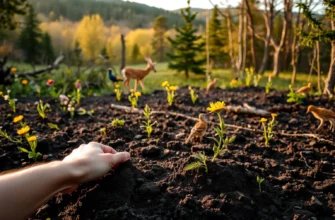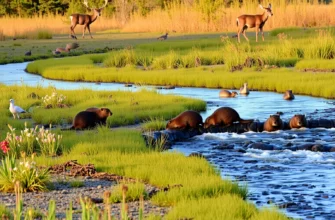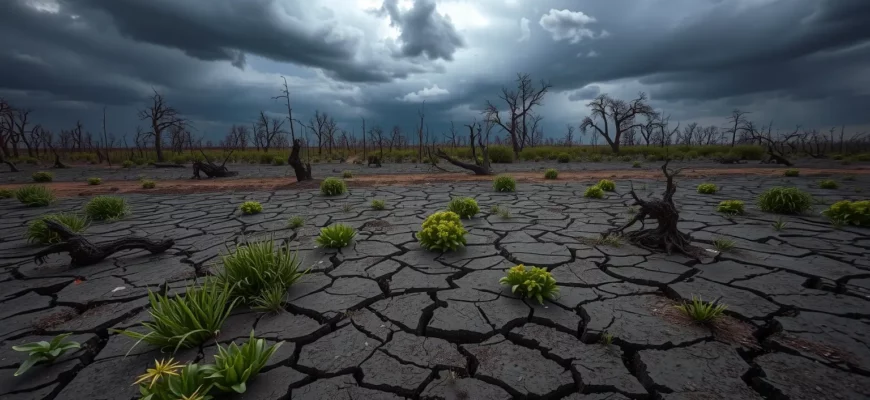
- Understanding the Arguments for Why Rewilding is Bad for Modern Ecosystems
- When Good Intentions Lead to Ecological Instability
- Lessons from the Field: Why Rewilding in Yellowstone and Other Sites Faced Failure
- The Yellowstone Myth vs․ Reality
- Myth vs․ Fact: Does Rewilding Really Prevent Natural Disasters?
- Deconstructing the Disaster Prevention Promise
- The Risk of Systemic Collapse: When Ecosystems Have Already Adjusted
- Why the Path of Rewilding is More Dangerous Than Targeted Protection
- The Economic Reality: Why Large-Scale Rewilding is Too Expensive
- Opportunity Costs and Budget Drains
- The Impossibility of Pleistocene Rewilding: Why We Can’t Go Back
- Scientific Barriers to Ancient Restoration
- The Do No Harm Rule: Why Bad Rewilding is Worse Than No Intervention
- The Ethical Cost of Failed Interventions
- Societal Impacts and the Fear of Systemic Collapse
- Human Consequences of Radical Environmental Shifts
- Expert Perspective: Pragmatic Conservation
- Frequently Asked Questions
Understanding the Arguments for Why Rewilding is Bad for Modern Ecosystems
The concept of rewilding has captured the public imagination, promising a return to a pristine, self-regulating natural world․ However, this romanticized vision frequently clashes with the stubborn realities of the 21st century, where landscapes have been irrevocably altered by centuries of human activity․
To suggest that we can simply remove human intervention and expect a harmonious “reset” ignores the complex web of ecological adjustments that have occurred in the absence of ancient species․ Many critics argue that forcing a return to a prehistoric state is not only impractical but potentially catastrophic for the biodiversity that has successfully adapted to managed environments․
When Good Intentions Lead to Ecological Instability
One of the primary reasons why rewilding is bad for certain regions is the dramatic mismatch between historical ecological baselines and our current climatic reality․ We are no longer living in the Holocene of five centuries ago; elevated atmospheric CO2, altered precipitation patterns, and nitrogen deposition have fundamentally changed soil chemistry and plant physiology․ Attempting to reintroduce species based on what lived there in 1500 AD ignores the fact that the “habitat” they once occupied no longer exists in a functional sense․
When we force these transitions, we often trigger profound ecological instability․ Existing wildlife patterns, which have stabilized over hundreds of years of traditional land management, are suddenly thrown into chaos․ For example, in many parts of Europe, open-canopy woodlands and meadows rely on active human grazing or mowing to maintain their high levels of floral diversity․ Abandoning these lands to “nature” often results in a monoculture of scrubland or dense, low-diversity forest that chokes out the very endangered species conservationists aim to protect․
Lessons from the Field: Why Rewilding in Yellowstone and Other Sites Faced Failure
The reintroduction of wolves to Yellowstone National Park is often cited as the ultimate success story of trophic cascades․ However, a closer examination by ecologists reveals a much more nuanced and less “miraculous” reality․ The narrative that “wolves changed rivers” is a simplified version of events that omits the influence of climate change, fluctuating elk populations, and the role of other predators like bears and cougars․
When we look at instances where rewilding fails, we see a recurring theme of oversimplification․ Proponents often assume that an ecosystem is a simple machine where you can plug in a missing part and expect the whole system to run better․ In reality, ecosystems are non-linear, chaotic systems where the introduction of a top-tier predator can have devastating effects on non-target species and local human communities that were never part of the original simulation․
The Yellowstone Myth vs․ Reality
While the return of wolves did impact elk behavior, the “green fire” effect—where willow and aspen trees supposedly surged back—has been highly inconsistent across the park․ Research indicates that willow recovery has been limited to specific areas with high water tables, suggesting that hydrological changes were just as important as predator presence․ This demonstrates that rewilding in Yellowstone failed to meet the sweeping, park-wide ecological transformation often promised in viral videos and popular media․
Furthermore, the impact on local communities cannot be ignored․ Livestock losses and the increased cost of herd protection have created a deep rift between conservationists and rural residents․ When we ignore the socio-economic footprint of reintroducing apex predators, we risk the long-term viability of the project through political backlash and illegal culling․ True ecological restoration must account for the humans who live in the landscape, or it is doomed to fail as a social experiment․
Myth vs․ Fact: Does Rewilding Really Prevent Natural Disasters?
Myth: Rewilding is a “natural” way to stop wildfires and floods;
Fact: Unmanaged land often leads to an accumulation of “fuel load” (dead wood and dense scrub), which can significantly increase the intensity and spread of wildfires compared to actively managed forests․Myth: Beavers always prevent downstream flooding․
Fact: While beaver dams can slow water, in certain topographies, dam failures during extreme weather events can cause catastrophic flash flooding for downstream infrastructure․Myth: Large herbivores will naturally manage the landscape․
Fact: Without natural migration routes (which are blocked by roads and cities), enclosed “wild” herds often overgraze specific areas, leading to soil erosion and habitat degradation․
Deconstructing the Disaster Prevention Promise
The claim that rewilding prevents natural disasters is frequently used as a marketing tool to gain public support, but the empirical evidence is mixed․ Effective land management risks are often minimized in these discussions․ For instance, in Mediterranean climates, the abandonment of traditional grazing leads to the rapid growth of highly flammable shrubs․ Without the “browsing pressure” of managed livestock, these areas become tinderboxes, turning what should be a healthy forest into a site for high-intensity crown fires that sterilize the soil․
Furthermore, the idea that rewilding is a silver bullet for flood management ignores the complexity of modern river systems․ In many cases, engineered solutions like sustainable urban drainage and targeted wetland restoration are more effective and predictable than simply “letting the river go wild․” When a river is allowed to breach its banks in a modern, fragmented landscape, it often destroys productive agricultural land and displaces communities rather than creating a diverse mosaic of habitats․
The Risk of Systemic Collapse: When Ecosystems Have Already Adjusted
Ecosystems are not static; they are dynamic entities that constantly move toward a state of equilibrium․ Over the centuries, many environments have reached a new, stable balance in the absence of certain species․ When we reintroduce a “lost” species, we aren’t just filling a hole; we are introducing a massive biological shock to a system that has already adjusted․
This path of rewilding is dangerous because it treats the current ecosystem as “broken” rather than “different․” If an ecosystem has spent 500 years adapting to the absence of a large herbivore or predator, reintroducing that animal can act exactly like the introduction of an invasive species․ The current flora and fauna have no evolutionary memory of the threat, leading to a potential systemic collapse where the new equilibrium is shattered without a viable replacement․
Why the Path of Rewilding is More Dangerous Than Targeted Protection
Existing species have adapted to the specific niches available in our modern, fragmented world․ For example, many ground-nesting birds have thrived in traditional agricultural landscapes because those landscapes provided specific cover and food sources․ Introducing large-scale “wilding” can remove these specific niches, replacing them with a chaotic environment where these specialized species cannot compete․
The danger of shocking a stable ecosystem into collapse is particularly high when dealing with soil health․ The microbiome of the soil is highly sensitive to changes in vegetation and animal waste․ Forcing a rapid transition from a managed grassland to a “wild” forest can lead to a massive release of stored carbon and a decline in soil fertility that takes decades to recover․ Targeted protection of existing high-value habitats is often a much safer and more effective strategy for preserving biodiversity․
The Economic Reality: Why Large-Scale Rewilding is Too Expensive
The financial cost of rewilding is frequently understated by its proponents․ Unlike traditional conservation, which often works within existing land-use frameworks, radical rewilding requires massive land acquisition and the removal of productive acreage from the economy․ This creates a permanent drain on conservation budgets that could be used more effectively elsewhere․
| Feature | Targeted Conservation | Radical Rewilding |
|---|---|---|
| Land Cost | Low (Uses existing easements) | Extreme (Requires total buyout) |
| Management | Predictable (Seasonal tasks) | High (Fencing & monitoring) |
| Economic Output | Maintains local agriculture | Eliminates agricultural income |
| Success Rate | High (Goal-oriented) | Unpredictable (Hands-off) |
Opportunity Costs and Budget Drains
The maintenance costs of “wild” fences and the constant monitoring required to prevent rewilded animals from escaping into human-populated areas are astronomical․ In the Netherlands, the Oostvaardersplassen project became an economic and ethical nightmare as thousands of large herbivores starved due to lack of management, leading to costly emergency interventions and public outcries․
Furthermore, we must consider the compensation for local farmers and industries․ When wolves or lynx are introduced, the government often has to provide ongoing subsidies to cover the loss of livestock and the increased labor costs for farmers․ These funds are often diverted from other critical environmental initiatives, such as water quality improvement or urban greening, proving that rewilding is too expensive for the limited ecological returns it often provides․
The Impossibility of Pleistocene Rewilding: Why We Can’t Go Back
One of the more extreme branches of this movement is Pleistocene rewilding—the idea that we should reintroduce megafauna, or modern “proxies” for extinct species like mammoths and sabertooth cats․ While scientifically fascinating, this approach has been tested and proven to be an impossible goal in any modern context․
The biological and climatic differences between the Pleistocene era and today are too vast to bridge․ During the Pleistocene, the “Mammoth Steppe” was a cold, dry, and nutrient-rich grassland․ Today, much of that land has turned into wet, acidic tundra or dense taiga․ Reintroducing large herbivores to these environments doesn’t recreate the steppe; it simply leads to animals struggling to survive in a habitat that is no longer climatically suitable for them․
Scientific Barriers to Ancient Restoration
The lack of suitable habitats for mega-herbivores is a major scientific hurdle․ A single elephant or rhino proxy requires a massive range to remain healthy and avoid destroying its own food supply․ In our fragmented world, providing a range of several thousand contiguous hectares is nearly impossible without displacing entire human communities and infrastructure․
Moreover, the genetic reality of “proxy” species is flawed․ An Asian elephant is not a Woolly Mammoth․ It does not have the same gut microbiome, the same cold tolerance, or the same social structures․ Forcing these animals into sub-arctic or temperate environments is an ethical violation disguised as science; The Pleistocene rewilding has been tested in small-scale enclosures, and the results consistently show that we cannot force the Earth to go back in time․
The Do No Harm Rule: Why Bad Rewilding is Worse Than No Intervention
In medicine, the first rule is “do no harm․” The same should apply to ecology․ Poorly planned interventions are often more destructive than leaving a landscape in its current, managed state․ When “bad rewilding” occurs, it doesn’t just fail to help; it actively degrades the existing biodiversity and poisons the public’s perception of conservation as a whole․
- Ignoring Soil Health: Planting trees on ancient grasslands destroys high-carbon soil and kills rare meadow flora․
- Lack of Community Buy-In: Forcing projects on rural populations leads to sabotage and political resistance․
- Inadequate Scaling: Reintroducing a species into a space that is too small leads to inbreeding and disease․
- Absence of Exit Strategies: Failing to plan for what happens when a population grows too large for its “wild” enclosure․
The Ethical Cost of Failed Interventions
Doing bad rewilding is worse than doing no rewilding because it creates an ecological “sink․” For example, if you reintroduce a bird species into a habitat that looks correct but lacks the necessary insect biomass due to nearby pesticide use, you are essentially luring those birds to a site where they will fail to breed․ This is an ethical failure that wastes precious genetic stock․
Protecting existing habitats—even if they are “man-made” like hedgerows or traditional orchards—is almost always more effective than forcing new ones․ We must respect the ecological ethics of the current landscape․ Acknowledging that some areas are better off with minimal, targeted human intervention rather than radical, high-risk overhauls is the hallmark of a mature conservation strategy․
Societal Impacts and the Fear of Systemic Collapse
The push for radical environmentalism often ignores the basic requirements of human survival, specifically regarding food security and rural stability․ In many online forums and academic circles, there is a growing concern that aggressive rewilding could trigger a collapse of local food systems by converting productive farmland into non-productive wilderness․
This is not just a concern for farmers; it is a global security issue․ As the global population grows, we need more efficient land use, not less․ Converting vast swaths of the European or North American countryside into “wild” zones forces food production to move to less regulated parts of the world, often leading to tropical deforestation and higher carbon footprints for transport․
Human Consequences of Radical Environmental Shifts
The societal impact of rewilding includes the displacement of rural communities that have managed the land for generations․ When agriculture is replaced by “eco-tourism,” the economic base of these communities becomes fragile and seasonal․ This leads to the “hollowing out” of the countryside, where young people move to cities and traditional knowledge of the land is lost forever․
If we continue to prioritize radical environmental shifts over human survival needs, a societal collapse of rural life becomes inevitable․ We must find a pragmatic middle ground where conservation supports agriculture rather than seeking to replace it․ True sustainability is about the integration of humans and nature, not the forced separation of the two․
Expert Perspective: Pragmatic Conservation
In my professional experience as an ecologist, I have found that the most successful projects are those that embrace Applied Ecology rather than chasing the ghost of a prehistoric past․ I always advise my clients and students that we must manage the world we have, not the one we lost․ This means prioritizing site-specific interventions that include human stakeholders from the beginning․ Radical rewilding ideologies often fail because they ignore the fact that ecosystems have already adjusted to human presence; trying to “undo” that presence is often more traumatic for the environment than helpful․ We should focus on enhancing the biodiversity within our existing landscapes—through better agricultural practices and targeted habitat restoration—rather than attempting high-risk, large-scale experiments that threaten both ecological and social stability․
Frequently Asked Questions
It can be․ “Bad rewilding” occurs when species are introduced to ecosystems that have already reached a new equilibrium, potentially causing the collapse of existing, stable biodiversity patterns․
Why did the Yellowstone rewilding project face so much criticism?
Critics highlight that the “trophic cascade” effects were oversimplified and that the project caused significant economic hardship for local ranching communities due to livestock predation․
Is Pleistocene rewilding scientifically possible?
No․ It has been tested and proven largely impossible because the modern climate and soil conditions are fundamentally different from those of the Pleistocene era․
Why is doing nothing sometimes better than rewilding?
According to the “do no harm” principle, leaving a stable, human-managed ecosystem alone is safer than introducing high-risk, unproven biological shocks that could fail․
What are the biggest economic downsides to rewilding?
The primary downsides are the astronomical costs of land acquisition, the loss of productive agricultural land, and the permanent need for expensive management and compensation funds․
Can rewilding cause an ecosystem to collapse?
Yes․ Introducing apex predators or large herbivores into a fragile, already-adjusted system can trigger a negative chain reaction that destroys current habitat niches․