- Breaking Down the Rewild Definition in Modern Ecology
- The Core Mechanics: What Rewilding Means for Ecosystems
- How Oxford, Cambridge, and Merriam-Webster Define Rewilding
- Linguistic Evolution: From Niche Term to Global Vocabulary
- Beyond Biology: The Rewilding Definition in Slang and Lifestyle
- Rewilding the Human Spirit: A Cultural Shift
- Common Misconceptions: What Rewilding is NOT
- Clarifying the Rewilded State
- A Global Perspective: Rewilding Meanings Across Languages
- Translating the Call of the Wild
- Actionable Steps: How to Become a Modern Rewilder
- From Definition to Action: Starting Your Journey
- Expert Perspective: Ecological Resilience
- Frequently Asked Questions
Breaking Down the Rewild Definition in Modern Ecology
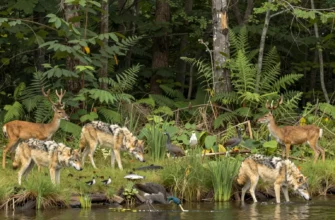
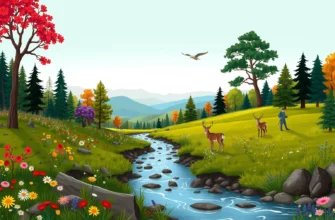
The term rewilding represents a fundamental shift in how we approach environmental stewardship. Rather than simply protecting what remains, this strategy focuses on actively restoring the self-sustaining rhythms of nature to landscapes that have been degraded by human intervention.
While traditional conservation often tries to freeze an ecosystem in a specific historical state, rewilding is about the future. It is the process of giving the land back its autonomy, allowing natural processes like flooding, decomposition, and predation to dictate the shape of the environment once more.
The Core Mechanics: What Rewilding Means for Ecosystems
At its heart, the rewilding meaning centers on the restoration of natural processes rather than just the preservation of specific species. This involves a transition from high-intensity human management to a state where the land is “self-willed.” In practice, this often means removing man-made barriers like dams and fences to restore habitat connectivity and allow wildlife to migrate freely across vast distances.
One of the most effective frameworks for understanding this is the “3 Cs” model: Cores, Corridors, and Carnivores. Cores provide large, strictly protected areas where nature can thrive without interference. Corridors act as vital transit routes that link these cores, preventing genetic isolation. Finally, Carnivores serve as apex predators that regulate the entire food web, a phenomenon known as a trophic cascade.
By focusing on these three pillars, ecological restoration becomes more than just planting trees. It becomes about rebuilding the functional complexity of the Earth. When we reintroduce a missing species, such as the wolf or the beaver, we aren’t just adding an animal; we are restarting a biological engine that manages water cycles and maintains biodiversity naturally.
How Oxford, Cambridge, and Merriam-Webster Define Rewilding
The way we define rewilding has shifted significantly as the concept moved from niche biology journals into the mainstream consciousness. Linguistic authorities have struggled to keep pace with this evolution, leading to subtle but important differences in how the term is categorized across major dictionaries.
In the last decade, the dictionary rewilded definition has transitioned from a technical verb used by scientists to a broader cultural descriptor. This change reflects a growing societal desire to repair the fractured relationship between humanity and the biosphere.
| Dictionary Authority | Primary Focus of Definition | Key Nuance |
|---|---|---|
| Oxford English Dictionary | Ecological Strategy | Emphasizes the reintroduction of animal species that have been driven out or exterminated. |
| Merriam-Webster | State of Wildness | Focuses on the return to a wild or uncultivated state, often applied more broadly than just biology. |
| Cambridge Dictionary | Environmental Protection | Highlights the protection of the natural environment by stopping human activities and reintroducing animals. |
Linguistic Evolution: From Niche Term to Global Vocabulary
The term first appeared in the early 1990s, coined by conservationists Michael Soulé and Reed Noss. Initially, it was a highly technical concept focused on “large-scale wilderness recovery.” However, as the rewilding movement gained momentum, American and British dictionaries began to diverge slightly in their interpretations.
American definitions, such as those found in Merriam-Webster, often lean toward a general return to a natural state. In contrast, British sources like Oxford frequently highlight the active management required to kickstart nature, such as removing invasive species or breaching sea walls. The recent inclusion of “rewilder” as a recognized noun signals that this is no longer just a theory, but a vibrant career path and identity for thousands of activists and land managers worldwide.
Beyond Biology: The Rewilding Definition in Slang and Lifestyle
In recent years, the rewilding definition has escaped the confines of ecology and entered the realm of personal development and lifestyle. In this context, to rewild oneself is to strip away the artificial constraints of modern life and reclaim ancestral habits that promote physical and mental well-veing.
This cultural shift suggests that humans, much like the landscapes we inhabit, have become “domesticated” by technology, sedentary routines, and processed diets. Rewilding the human spirit is about reintegrating with the natural world to restore our own internal ecosystems.
Rewilding the Human Spirit: A Cultural Shift
When people use rewilding definition slang, they are usually talking about “untaming” their daily existence. This might involve practicing functional movement in outdoor settings, adopting a diet rich in wild-foraged foods, or practicing “digital fasting” to break the cycle of screen addiction. The goal is to realign our biological rhythms with the solar cycle, which many practitioners believe is essential for overcoming the chronic stress of the Anthropocene.
There is a powerful link between mental health and these broader rewilding definitions. Psychologists have noted that nature-based solutions can drastically reduce cortisol levels and improve cognitive function. However, a common misconception is that human rewilding requires a total rejection of civilization. In reality, it is about finding a sustainable balance—integrating wildness into a modern framework to build personal resilience.
Common Misconceptions: What Rewilding is NOT
Because the term has become so popular, its meaning is often diluted or misunderstood. To truly understand the rewilded state, we must distinguish it from other forms of land management. Many assume rewilding is a “hands-off” approach that involves simply walking away from a piece of land, but this is rarely the case in the early stages.
Clarifying the rewild meaning requires us to look at the intent behind the action. It is not about creating a static museum of nature, but about enabling a dynamic, ever-changing future.
Myth: Rewilding is just another word for traditional conservation.
Fact: Conservation focuses on protecting what currently exists or preventing further loss. Rewilding focuses on restoring lost functions and allowing nature to take the lead, even if the outcome is unpredictable.
Clarifying the Rewilded State
One of the most persistent myths is that rewilding means abandoning productive farmland to let weeds take over. In truth, successful projects often require intense human intervention at the start. This might involve re-engineering riverbeds to their natural curves or carefully monitoring the health of reintroduced keystone species until they are established.
Another fear is that a rewilded landscape is “dangerous” because of the presence of predators. However, data from European rewilding sites shows that apex predators like lynx and wolves actually improve landscape safety by reducing the overpopulation of deer, which in turn prevents vehicle collisions and protects forest regrowth. Rewilding is a managed transition toward self-sustainability, not a descent into chaos.
A Global Perspective: Rewilding Meanings Across Languages
The call to return to nature is universal, but the way we express it varies significantly across cultures. For non-English speakers, the term “rewilding” doesn’t always have a direct, one-word equivalent, leading to a variety of descriptive phrases that capture the essence of the movement.
Whether someone is searching for “rewilding significado” in Spain or “rewilding meaning in Hindi,” the underlying desire is the same: restoring the autonomy of the living world.
- Spanish (Asilvestramiento): Refers to the process of becoming wild again, often used in the context of abandoned livestock or reclaimed forests.
- Hindi (Prakritik Punarsthapana): Translates roughly to “natural restoration,” focusing on the re-establishment of the original order of the earth.
- Urdu (Fitrati Bahali): Focuses on the “restoration of nature,” highlighting the spiritual and physical healing of the landscape.
- French (Réensauvagement): A direct translation that has gained massive traction in European policy discussions regarding the restoration of the “wildness” factor in the Alps and Pyrenees.
Translating the Call of the Wild
The global impact of the rewilding movement is visible in how different cultures perceive the man-nature relationship. In many Indigenous cultures, the “rewilding que es” question is irrelevant because the concept of “wildness” as something separate from humans doesn’t exist. For these communities, the focus is not on “returning” to nature, but on honoring the reciprocal relationship that has always existed.
In contrast, in heavily urbanized nations like Japan or parts of India, rewilding is seen as a vital tool for climate adaptation. By restoring mangroves or urban forests, these regions use nature-based solutions to mitigate the effects of monsoons and heat islands. The definition may change linguistically, but the functional goal of ecosystem resilience remains a global priority.
Actionable Steps: How to Become a Modern Rewilder
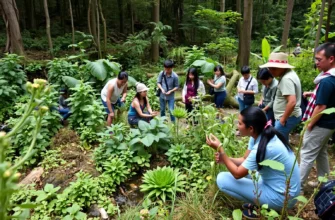
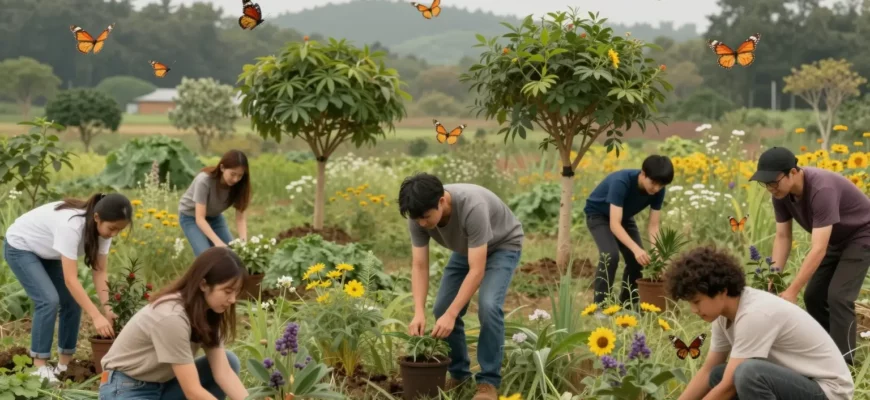
You don’t need a thousand acres of land to apply the rewilder definition to your life. Rewilding is a scalable philosophy that can be practiced in a backyard, a community garden, or through local advocacy. The goal of a modern rewilder is to reduce human dominance over the environment and invite biodiversity back into our daily spaces.
By taking small, intentional steps, you can help create the habitat connectivity necessary for larger ecological recovery.
- Stop the “Neatness” Habit: Leave a patch of your garden to grow wild. Dead wood and “weeds” like nettles are essential habitats for pollinators and fungi.
- Plant Native Keystone Species: Research the plants that are indigenous to your specific zip code. One native oak tree can support hundreds of insect species, whereas a non-native ornamental tree might support none.
- Support Wildlife Corridors: Talk to your neighbors about removing or raising the bottom of garden fences. Small gaps allow hedgehogs and other small mammals to travel safely between foraging grounds.
- Practice Micro-Rewilding: If you live in an apartment, use window boxes to create “stepping stones” for bees and butterflies moving through the urban landscape.
From Definition to Action: Starting Your Journey
Becoming a rewilder means moving beyond the dictionary meaning and into active participation. This journey starts with observation and humility. Instead of trying to control every inch of your environment, try to see where nature is trying to break through.
Advocating for landscape-scale restoration is also a powerful way to contribute. Support organizations that are removing dams or campaigning for the reintroduction of keystone species. By understanding that nature is a self-organizing system, we can stop trying to be its master and start acting as its partner.
Expert Perspective: Ecological Resilience
In my professional experience, the most successful rewilding projects are those that embrace uncertainty. I always advise land managers to shift their focus from preserving a static past—trying to recreate a specific year in history—to enabling a dynamic future. Rewilding is about restoring the functionality of nature, not just achieving a specific species count. When we allow a river to flood or a predator to hunt, we are investing in the ecosystem’s ability to adapt to climate change. True resilience comes from complexity, and that complexity only returns when we have the courage to step back and let natural processes lead the way.
Frequently Asked Questions
The simplest definition is the process of restoring land to its natural, uncultivated state, primarily by reintroducing native species and allowing natural processes to take over.
How does the Merriam-Webster rewilding definition differ from Oxford?
While Oxford focuses heavily on the biological strategy of reintroducing animals, Merriam-Webster provides a broader definition that includes the general return to a wild or natural state.
What does a rewilder actually do?
A rewilder is an individual who actively works to reverse environmental damage by promoting the self-sufficiency of ecosystems, whether through large-scale policy or small-scale habitat restoration.
Is rewilding just another word for conservation?
No. Conservation aims to protect and maintain the current state of an environment, while rewilding focuses on bringing back what was lost and letting nature manage itself without constant human help.
What does rewilding mean in a lifestyle context?
In a lifestyle or slang context, it means reclaiming your natural human state by spending more time outdoors, eating whole foods, and reducing your reliance on modern technology.
What is the meaning of rewilding in other languages like Spanish or Hindi?
In Spanish, it is often called asilvestramiento, and in Hindi, Prakritik Punarsthapana; both terms emphasize the universal goal of returning autonomy to the natural world.