- How Isabella Tree Rewilding Redefined the British Landscape
- The Knepp Estate Legacy: A Blueprint for Biodiversity
- From Mapperton to Coombeshead: The Rise of the Rewilding Estates
- Diversifying the Model: Mapperton, Alladale, and Somerleyton
- The Wild North: Transforming Ennerdale and the Lake District
- Wild Ennerdale: A Decade of Natural Process in the Lakes
- Bison in Kent and the New Economy of Nature Credits
- The Wilder Blean: Why Bison are Returning to Kent
- Rewilding the Fens and Urban Marshes: Restoring Lost Wetlands
- From Wicken Fen to Hackney: Water as a Catalyst
- The Domestic Wild: Rewilding Your Garden with Alan Titchmarsh
- Chelsea Rewilding: Bringing the Wildwood to the Showground
- Frequently Asked Questions
How Isabella Tree Rewilding Redefined the British Landscape
The concept of rewilding was once a fringe ecological theory, often dismissed as an idealistic dream for those disconnected from the realities of land management. This changed dramatically when Isabella Tree and Charlie Burrell decided to step back from intensive, unprofitable dairy farming at the Knepp Estate in West Sussex. Their shift from a struggle against nature to a partnership with it sparked a national conversation about how we perceive “productive” land.
By allowing natural processes to take the lead, the movement has demonstrated that biodiversity can return with astonishing speed when human intervention is minimized. This hands-off philosophy does not mean abandonment; rather, it involves restoring the functional roles of species that have been missing from our landscapes for centuries. Today, the “Knepp model” serves as a primary reference point for landowners across the United Kingdom seeking to transition from chemical-heavy agriculture to nature-based solutions.
The Knepp Estate Legacy: A Blueprint for Biodiversity
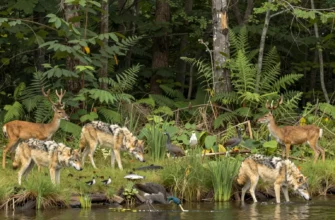
The transformation of the Knepp Estate began with the realization that the heavy Weald clay was fundamentally unsuitable for modern, intensive cereal and dairy production. Instead of continuing to fight the soil with ever-increasing inputs of fertilizer and diesel, the estate owners opted for a radical experiment: they stopped plowing and introduced free-roaming herbivores. This move allowed the natural grazing cycles of Old English Longhorn cattle, Exmoor ponies, and Tamworth pigs to shape the landscape into a mosaic of scrub, grassland, and emerging woodland.
The results have been nothing short of miraculous for British wildlife. Areas that were once sterile monocultures are now home to the UK’s largest population of Purple Emperor butterflies and a thriving breeding colony of Turtle Doves. If you look at knepp estate rewilding area horsham photos from twenty years ago versus today, the visual difference is staggering. The rise of scrubland success stories at Knepp proved that “messy” landscapes are often the most ecologically rich, providing the complex structures required for nesting, foraging, and shelter.
Knepp has now become the gold standard for projects like Kernwood and various smaller holdings. It demonstrates that a self-sustaining ecosystem can provide multiple benefits, including carbon sequestration and water purification, without the need for constant human meddling. The estate’s success has shifted the paradigm, showing that nature-led recovery is more resilient and cost-effective than traditional, target-based conservation which often focuses on preserving a single species in a static “museum” environment.
From Mapperton to Coombeshead: The Rise of the Rewilding Estates
Following the success of Knepp, several other historic estates have recognized that their traditional management models are no longer economically or ecologically viable. This shift is particularly evident in the West Country and the Scottish Highlands, where the scale of land allows for ambitious ecosystem restoration. These projects are not carbon copies of one another; they adapt the rewilding principles to their specific local climates and soil types.
From the rolling hills of Dorset to the rugged glens of Sutherland, these estates are proving that wilding can coexist with diverse income streams, including eco-tourism and high-quality organic meat production. By reintroducing keystone species and diversifying habitats, these landowners are creating a more robust countryside that can withstand the pressures of a changing climate while providing a haven for disappearing British species.
| Estate Name | Primary Focus | Key Species/Impact |
|---|---|---|
| Mapperton Rewilding | Transition from intensive grazing to wood-pasture. | White Park cattle and Iron Age pigs creating diverse habitat edges. |
| Alladale Estate | Restoring the Great Wood of Caledon in the Highlands. | Planting nearly a million native trees and supporting pine marten recovery. |
| Rewilding Coombeshead | Species reintroduction and wetland restoration. | Beavers and wildcats helping to manage water systems and predator-prey dynamics. |
| Somerleyton Estate | Connecting fragmented habitats in East Anglia. | Large-scale habitat corridors for deer and small mammals. |
Diversifying the Model: Mapperton, Alladale, and Somerleyton
The mapperton rewilding project in Dorset illustrates how a traditional estate can pivot toward a wilder future without losing its heritage. By reducing sheep numbers and introducing naturalistic grazing with heritage breeds, they are encouraging the return of rare flora and fauna. This approach focuses on “pulsed” grazing, where animals move through the landscape in a way that mimics the behavior of extinct wild herbivores, preventing any single plant species from dominating the ground.
Further north, alladale rewilding represents one of the most ambitious projects in the UK. Located in the heart of the Highlands, Alladale is working to restore the Caledonian forest, which once covered vast swathes of Scotland. Their work involves extensive peatland restoration and the planting of Scots pine, rowan, and birch. This is not just about trees; it is about creating a functional ecosystem that could one day support apex predators, though the focus currently remains on smaller mammals and birds of prey.
At rewilding coombeshead in Devon, the focus has been on the reintroduction of species that have a disproportionate impact on their environment. The beaver is the star of the show here, acting as a hydrologist that creates ponds and wetlands. These water bodies slow the flow of rivers, reducing downstream flooding and providing nursery grounds for fish and amphibians. This project highlights that rewilding is often about restoring the “engineers” that keep the landscape healthy and functioning.
The Wild North: Transforming Ennerdale and the Lake District
While private estates lead much of the rewilding movement in the south, the north of England offers a different model based on large-scale partnerships. In the Lake District, where land ownership is a complex mix of public bodies and private farmers, rewilding must be a collaborative effort. These projects focus on upland recovery, where decades of overgrazing have left hillsides bare and rivers prone to flash flooding.
The landscape in the north is rugged and vast, providing an opportunity to look at entire river catchments. By allowing rivers to break free from their man-made channels and move naturally across floodplains, these projects are restoring the natural “sponge” effect of the land. This not only benefits wildlife but also protects human communities situated further down the valley from the increasing frequency of extreme weather events.
Wild Ennerdale: A Decade of Natural Process in the Lakes
The ennerdale rewilding project is one of the longest-running and most successful examples of a partnership-led approach. A collaboration between the National Trust, the Forestry Commission, and United Utilities, Wild Ennerdale covers over 4,000 hectares of valley and mountain. The primary goal here is to allow natural processes to determine the landscape’s future, rather than managing for a specific aesthetic or agricultural output. This means letting the River Liza find its own path across the valley floor, creating a dynamic environment of gravel banks and fallen timber.
The success of wild ennerdale rewilding has proven that even in a landscape as culturally significant as the Lake District, there is room for wildness. By removing internal fences and reducing sheep numbers, the valley has seen a resurgence of native woodland and a significant increase in the diversity of bird life. This project serves as a living laboratory, showing that lake district rewilding can enhance the beauty and ecological value of the National Park without erasing its human history.
Similarly, broughton hall rewilding in Yorkshire is blending landscape recovery with human health. Their project emphasizes that access to wild spaces is a fundamental human need. By integrating wellness retreats with rewilding efforts, they are demonstrating that a restored landscape can support both the local economy and the mental well-being of visitors. This holistic approach suggests that the future of the British countryside lies in its ability to provide “public goods” like clean air, water, and space for reflection.
Bison in Kent and the New Economy of Nature Credits
Innovative rewilding isn’t just happening in the remote uplands; it is also taking root in the more populated southeast. The introduction of European bison to Kent represents a significant milestone in British conservation. These massive animals are not just being kept in a zoo; they are being used as active participants in forest management. Their presence marks a shift toward using mega-herbivores to do the work that humans usually do with chainsaws and heavy machinery.
Furthermore, the financial landscape of land management is shifting. As traditional agricultural subsidies are phased out, new markets are emerging that value nature. Nature credits and biodiversity net gain are becoming central to the conversation; This allows landowners to receive payments for the environmental services their land provides, such as carbon storage or habitat creation, making rewilding a viable business decision rather than just a philanthropic endeavor.
Key Takeaways: The Evolution of Rewilding Economics
- Bison as Engineers: Bison naturally thin out woodland by de-barking trees and creating dust baths, which opens up the canopy for new growth and insect life.
- Nature Credits: Projects like those at Castle Howard are pioneering “Nature Credits,” allowing companies to invest in verified ecological restoration.
- Scalable Pilots: The Kent project serves as a template for how large herbivores can be safely integrated into managed British woodlands.
- Economic Resilience: Diversifying income through carbon sequestration and eco-tourism provides a buffer against volatile food commodity markets.
The Wilder Blean: Why Bison are Returning to Kent
The bison rewilding kent project, known as Wilder Blean, is a groundbreaking initiative led by Kent Wildlife Trust and Wildwood Trust. European bison were chosen because they are “ecosystem engineers” capable of transforming dense, dark woodland into a light-filled mosaic. By rubbing against trees and eating bark, they create standing deadwood—a vital habitat for fungi and beetles—while their heavy movements through the undergrowth create pathways for other animals.
This kent rewilding project is a vital pilot for the rest of the UK. It demonstrates that large-scale species reintroduction is possible even in relatively fragmented landscapes. The bison are closely monitored, and the data gathered here will inform future projects across the country. The project has already seen a positive response from the local community, highlighting the power of charismatic megafauna to engage the public in conservation efforts.
On the financial side, the nature credits castle howard initiative is exploring how to fund these transitions. By quantifying the increase in biodiversity and carbon storage, estates can sell “credits” to organizations looking to offset their environmental footprint. This creates a sustainable revenue stream that replaces traditional farming income. It is a sophisticated market-based approach that ensures the long-term viability of rewilding projects by treating nature as a valuable asset rather than a secondary concern.
Rewilding the Fens and Urban Marshes: Restoring Lost Wetlands
Wetlands are some of the most productive ecosystems on earth, yet the UK has lost the vast majority of its fens and marshes to drainage and agriculture. Rewilding these areas involves a different set of challenges, primarily centered on water management and peat restoration. In East Anglia, the effort to “re-wet” the landscape is not only about wildlife but also about preventing the massive release of carbon from dry, oxidizing peat soils.
Urban rewilding is also gaining momentum. In cities like London, restoring small pockets of marshland can have a massive impact on local biodiversity and flood resilience. These projects prove that nature does not need thousands of acres to thrive; even a few hectares of restored riverbank or wetland can provide a vital corridor for species moving through an otherwise concrete environment.
From Wicken Fen to Hackney: Water as a Catalyst
The wicken fen rewilding project in Cambridgeshire is a pioneer in the field, with a 100-year vision to create a massive, 53-square-kilometer nature reserve. By slowly acquiring land and allowing the water table to rise, the National Trust is reversing centuries of drainage. This project is critical for habitat connectivity, allowing species to migrate across the landscape as the climate warms. It is a long-term commitment that recognizes that true ecological recovery happens on a decadal, not seasonal, timescale.
Similarly, the rewilding the fens movement, including the Great Fen project, is working to link fragmented islands of habitat. By creating “green corridors” between existing nature reserves, they are enabling wildlife to move freely and maintain healthy genetic diversity. These fens also act as a massive carbon sink, trapping greenhouse gases in the wet soil and helping the UK meet its net-zero targets. The return of cranes and bitterns to these areas is a clear indicator that the “re-wetting” is working.
In the heart of the capital, hackney marshes rewilding and the restoration of the river wandle rewilding show that the wild can return to the city. By removing concrete riverbanks and allowing native reeds to grow, urban planners are improving water quality and providing a refuge for kingfishers and water voles. These urban projects are essential for “social rewilding,” ensuring that city dwellers have access to nature and understand its importance in their daily lives.
The Domestic Wild: Rewilding Your Garden with Alan Titchmarsh
The rewilding movement has moved from the vast estates of the Highlands into the suburban gardens of Middle England. This cultural shift is perhaps best exemplified by the changing attitudes of traditional gardening figures. For years, the ideal garden was a manicured lawn and weed-free borders. Now, there is a growing realization that perfection is the enemy of biodiversity.
This transition was highlighted at the Chelsea Flower Show, where “wild” gardens have recently taken center stage. The message is clear: our gardens, which collectively cover more land than all the UK’s nature reserves combined, are a critical frontline in the battle against species extinction. By making small changes to how we manage our outdoor spaces, we can create a national network of wildlife corridors.
- Stop the Mow: Reduce the frequency of lawn mowing to allow clover, daisies, and self-heal to flower, providing vital nectar for bees.
- Ditch the Chemicals: Eliminate pesticides and herbicides to allow a healthy food chain of insects, birds, and hedgehogs to establish itself.
- Create Water: Even a small pond or a sunken basin can provide a home for dragonflies, frogs, and birds in need of a drink.
- Log Piles: Leave fallen wood and leaves in a corner to create a “bug hotel” that supports the base of the ecological pyramid.
- Hedgehog Highways: Cut a small 13cm hole in the bottom of fences to allow hedgehogs to travel between gardens in search of food and mates.
Chelsea Rewilding: Bringing the Wildwood to the Showground
The presence of a chelsea rewilding garden at the world’s most prestigious flower show marked a turning point in public perception. It showed that a “wild” space could be both beautiful and intentional. This influence has spread quickly, with homeowners now seeking out native plants over exotic ornamentals. The focus has shifted from what a garden looks like to what it does for the environment.
Even alan titchmarsh rewilding comments have reflected this shift. While he remains a proponent of traditional gardening skills, he has increasingly advocated for a more relaxed approach that leaves room for nature. He emphasizes that gardening and rewilding are not mutually exclusive; rather, it is about finding a balance where we can enjoy our outdoor spaces while still supporting local ecology. This “middle way” has made the concept of rewilding accessible to millions of people who might have been intimidated by the large-scale estate models.
For those interested in garden rewilding gloucester or elsewhere, the advice is simple: start small and observe. By letting a corner of your garden go wild, you will quickly see which species move in. Whether it’s planting a native hedge instead of a fence or simply leaving the seed heads on your sunflowers for the finches, every action contributes to a larger whole. The domestic wild is about reconnecting with the cycles of the seasons and realizing that we are part of the ecosystem, not separate from it.
In my professional experience managing landscape-scale restoration projects, I have found that the biggest hurdle isn’t the ecology—it’s the human desire for control; I always advise landowners and managers to embrace patience as a management tool. Rewilding is not about abandonment; it is a sophisticated form of management where you monitor the land and intervene only when a natural process is stuck. You have to accept that you won’t always know what the outcome will look like in five years. Social buy-in is equally critical. You cannot simply “wild” a landscape without bringing the local community along with you. It requires a shift in how we value land, moving away from short-term yields toward long-term ecological health and resilience.
Frequently Asked Questions
Traditional conservation often focuses on “freezing” a landscape to protect specific species, whereas rewilding focuses on restoring natural processes and letting nature take the lead in determining the habitat’s future.
Can I visit the Knepp Estate rewilding area in Horsham?
Yes, the Knepp Estate is accessible via a network of public footpaths, and they also offer guided safaris and camping for those who want a deeper look at the project’s results.
How are bison helping the rewilding project in Kent?
Bison act as ecosystem engineers by creating light-filled clearings and disturbing the soil, which allows dormant seeds to germinate and provides new habitats for a wide variety of insects and birds.
Is rewilding possible in small urban spaces like Hackney or a private garden?
Absolutely. Micro-rewilding through native planting, creating ponds, and leaving wild corners can mimic the ecological functions of larger estates and provide vital corridors for urban wildlife.
What are nature credits, and how do they support projects like Castle Howard?
Nature credits are a financial mechanism where businesses invest in environmental restoration to offset their impact, providing landowners with a reliable income stream to fund rewilding efforts.
What is the significance of the Ennerdale rewilding project in the Lake District?
It is one of the UK’s longest-running projects, demonstrating that minimizing human intervention in upland areas can lead to significant recovery of native woodlands and natural river processes.