- Why Modern Rewilding Projects Are the Key to Ecological Resilience
- The Philosophy of the Rewilding Institute and Dave Foreman
- The Powerhouses Behind the Movement: From Rewild․org to the Rewilding Alliance
- Strategic Partnerships: The Rewilding Fund and Global Alliances
- Comparing Global Impact: Large-Scale vs․ Community Rewilding
- From the Outback to the Everglades: Rewilding Initiatives Across Australia and the USA
- Becoming a Rewilding Facilitator in Australia
- US Spotlight: The Florida Rewilding Collective and Tompkins Legacy
- Actionable Steps: How to Start a Rewilding Project in Your Local Area
- Essential Tools and Resources for Aspiring Rewilders
- Debunking the Myths: Is Rewilding Anti-Agriculture?
- The Future of Urban Restoration: Mexico City and Beyond
- Urban Biodiversity: Small Spaces‚ Big Impact
- Frequently Asked Questions
Why Modern Rewilding Projects Are the Key to Ecological Resilience
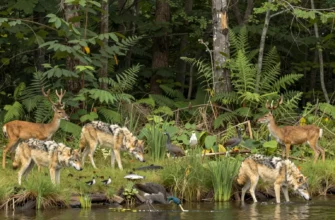
Rewilding represents a paradigm shift from traditional conservation‚ moving away from merely protecting what remains to actively rebuilding what has been lost․ While conventional methods often focus on managing specific species within fenced boundaries‚ modern rewilding projects aim to restore the self-sustaining functional logic of entire ecosystems․
The movement thrives on the “Three Cs” framework: Cores‚ Corridors‚ and Carnivores․ By establishing large core wilderness areas‚ connecting them via wildlife corridors‚ and reintroducing apex predators to trigger trophic cascades‚ these initiatives allow nature to take the driver’s seat once again․
This proactive approach fosters ecological resilience‚ enabling landscapes to better withstand the pressures of climate change and habitat fragmentation․ Instead of constant human intervention‚ the goal is to reach a point where the land manages itself through natural processes like flooding‚ fire‚ and predation․
The Philosophy of the Rewilding Institute and Dave Foreman
The intellectual bedrock of North American rewilding can be traced back to the Rewilding Institute in Westport‚ NY․ Founded by the late Dave Foreman‚ a titan of wildlands philanthropy‚ the institute has long championed the idea that “conservation is not enough” if it does not include the restoration of big‚ connected wilderness․
Foreman’s leadership at the Rewilding Institute transformed the movement from a radical fringe idea into a scientifically grounded strategy for continental-scale restoration․ He argued that for ecosystems to truly function‚ they require the presence of large wide-ranging animals that have been systematically removed by human expansion․
The Wildlands Project philosophy‚ which Foreman helped pioneer‚ emphasizes that landscape connectivity is the only way to prevent the genetic isolation of species․ By focusing on the “Big Outside‚” the institute provides a roadmap for North America to move beyond isolated parks toward a continental network of wildness․
The Powerhouses Behind the Movement: From Rewild․org to the Rewilding Alliance
Global restoration efforts are no longer fragmented‚ thanks to the emergence of highly organized foundations that provide the capital and strategic oversight necessary for large-scale impact․ These organizations act as the connective tissue between local biological expertise and global financial resources․
Rewild;org‚ which evolved from the roots of Global Wildlife Conservation‚ has become a central hub for these efforts․ By partnering with high-profile philanthropists and scientists‚ they focus on the “search for lost species” and the protection of irreplaceable biodiversity hotspots that are on the brink of collapse․
The Rewilding Alliance further extends this reach by creating a collaborative network of practitioners․ This alliance ensures that lessons learned in the restoration of the European Highlands can be adapted and applied to the grasslands of Argentina or the temperate forests of the United States․
Strategic Partnerships: The Rewilding Fund and Global Alliances
The Rewilding Fund operates as a critical financial engine‚ accelerating projects that might otherwise stall due to a lack of immediate capital․ This fund targets initiatives where a strategic injection of cash can secure land titles or fund the complex translocation of keystone species across international borders․
Brian Sheth’s involvement in rewilding has been instrumental in bridging the gap between Silicon Valley’s resources and environmental boots-on-the-ground․ His vision emphasizes that biodiversity is a measurable asset that provides essential ecosystem services‚ such as carbon sequestration and water purification‚ which are vital for global economic stability․
A prime example of this collaborative model is the Rewilding Argentina Foundation․ Working in the Iberá Wetlands‚ they have successfully reintroduced giant anteaters‚ pampas deer‚ and jaguars․ This project proves that restoring top-tier predators can revitalize local economies through eco-tourism‚ turning conservation into a viable regional development strategy․
Comparing Global Impact: Large-Scale vs․ Community Rewilding
Understanding the spectrum of rewilding requires looking at both the vast continental initiatives and the intimate‚ community-led projects that transform urban landscapes․ Both are essential‚ but they operate with different constraints and objectives․
| Feature | Continental-Scale (e․g․‚ Tompkins Conservation) | Community/Urban (e․g․‚ Mexico City Rewilding) |
|---|---|---|
| Primary Goal | Restoration of apex predators and massive carbon sinks․ | Increasing local biodiversity and climate adaptation․ |
| Land Size | Millions of acres across national borders․ | Pocket forests‚ wetlands‚ and micro-corridors․ |
| Community Role | Transitioning from extractive industries to eco-tourism․ | Direct citizen participation in planting and monitoring․ |
| Key Challenge | Political navigation and complex land acquisition․ | High human density and infrastructure constraints․ |
From the Outback to the Everglades: Rewilding Initiatives Across Australia and the USA
Geographic context dictates the strategy for any restoration project․ In Australia‚ the focus is often on mitigating the damage caused by invasive species‚ while in the United States‚ the primary challenge is overcoming habitat fragmentation caused by highways and urban sprawl․
Australia’s unique evolutionary history means that native marsupials are exceptionally vulnerable to feral cats and foxes․ Rewilding here often involves “mainland islands”—massive fenced areas where invasive predators are eradicated to allow native fauna to thrive before being released into wider‚ managed landscapes․
In contrast‚ the USA focuses heavily on the “Corridors” aspect of the 3Cs․ The goal is to link existing national parks so that species like grizzly bears and wolves can migrate safely․ Projects like the Florida Wildlife Corridor aim to create a continuous path of protected land from the Everglades to the Panhandle․
Becoming a Rewilding Facilitator in Australia
The role of a rewilding facilitator in the Australian landscape is increasingly vital․ These professionals act as intermediaries between government agencies‚ private landowners‚ and indigenous communities to ensure that restoration projects are socially and ecologically integrated․
In regions like New South Wales and Victoria‚ community engagement is the linchpin of success․ Facilitators help farmers understand that reintroducing “ecosystem engineers” like the Southern Brown Bandicoot can improve soil health through their constant digging‚ which aerates the earth and aids seed germination․
Melissa Kemp’s contributions to the field have highlighted the importance of using fossil records to guide restoration․ By understanding what species lived in a specific area before human interference‚ facilitators can make evidence-based decisions on which species are truly native to the landscape‚ rather than relying on recent historical accounts․
US Spotlight: The Florida Rewilding Collective and Tompkins Legacy
The Florida Rewilding Collective is a prime example of grassroots energy meeting high-level policy․ Their work focuses on the Florida panther‚ a keystone species that requires massive territories․ By securing conservation easements on private ranchlands‚ they ensure the panther has room to roam without coming into conflict with developers․
The legacy of Tompkins Conservation continues to loom large over American rewilding․ Founded by Kristine and the late Douglas Tompkins‚ the organization pioneered the “buy to give” model․ They purchased vast tracts of degraded farmland‚ restored the natural processes‚ and then donated the land back to the public as national parks․
This model is now being adapted for the American Prairie project in Montana․ The goal is to create the largest nature reserve in the lower 48 states by stitching together public and private lands to allow bison to roam freely across millions of acres‚ just as they did centuries ago․
Actionable Steps: How to Start a Rewilding Project in Your Local Area
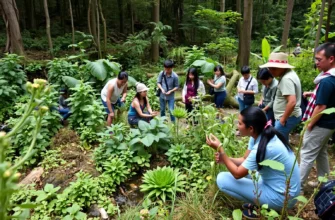
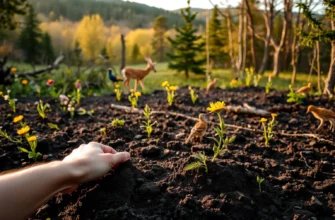
You don’t need a million acres to make a difference․ Rewilding can begin in a backyard‚ a schoolyard‚ or a neglected corner of a city park․ The key is to stop “gardening” and start “facilitating” natural processes․
If you are looking to start a rewilding project‚ follow these fundamental steps to ensure ecological integrity and long-term viability:
- Conduct a Baseline Assessment: Identify what native species are missing and what invasive species are currently dominating the site․
- Remove Barriers: This could mean taking down unnecessary fences to allow wildlife movement or removing concrete to expose natural soil․
- Select Keystone Flora: Plant “anchor” species that provide the most significant food and shelter for local insects and birds․
- Embrace Messiness: Leave dead wood and leaf litter on the ground; decaying organic matter is the foundation of a healthy food web․
- Monitor and Pivot: Use citizen science apps to track which species return and adjust your strategy based on what nature tells you․
Essential Tools and Resources for Aspiring Rewilders
Research is the first step in any successful restoration․ Utilizing a reputable rewilding website can provide access to species distribution maps and case studies that prevent you from “reinventing the wheel․”
The Rewild Young Nature Skills Program is an excellent resource for involving the next generation․ It teaches practical field skills such as tracking‚ botany‚ and soil science‚ ensuring that the movement has a pipeline of skilled practitioners for decades to come․
Engaging with the rewilding foundation networks allows local projects to tap into a global brain trust․ These organizations often provide templates for community outreach and legal frameworks for land protection‚ which are often the biggest hurdles for small-scale initiatives․
Debunking the Myths: Is Rewilding Anti-Agriculture?
One of the most persistent misconceptions is that rewilding aims to drive farmers off the land․ This “wild vs․ farmed” binary is a false choice that ignores the potential for regenerative agriculture to coexist with wild spaces․
Myth: Rewilding means abandoning productive farmland and losing food security․
Fact: Rewilding often targets marginal land where farming is economically unviable․ On productive lands‚ integrating wild margins and hedgerows can actually increase crop yields by supporting natural pollinators and pest-controlling predators․
Myth: Rewilding is just “letting it go” and will lead to an influx of weeds and pests․
Fact: True rewilding is a managed process․ In the early stages‚ active intervention is required to remove invasive species so that native plants can regain their foothold and eventually outcompete the “weeds․”
Discussions on platforms like discuss․rewild․com emphasize that the most successful projects are those where farmers are paid for the “public goods” they produce‚ such as clean water and carbon storage‚ rather than just the calories they grow․
The Future of Urban Restoration: Mexico City and Beyond
As the global population becomes increasingly urban‚ the frontier of rewilding is shifting into the heart of our cities․ Urban rewilding isn’t just about aesthetics; it’s a critical tool for cooling cities and managing stormwater in an era of extreme weather․
Mexico City rewilding efforts provide a masterclass in this field․ By restoring the ancient “Chinampa” wetland systems‚ the city is not only bringing back native axolotls and migratory birds but also creating natural sponges that prevent the catastrophic flooding that plagues the metropolitan area․
Local facilitators like Margie Gillis have been instrumental in these urban initiatives․ Her work focuses on transforming “grey infrastructure” into “green infrastructure” by engaging local neighborhoods in the restoration of urban ravines and abandoned lots․
Urban Biodiversity: Small Spaces‚ Big Impact
Pocket forests‚ using the Miyawaki method‚ are popping up in cities worldwide․ These ultra-dense plantings of native trees grow 10 times faster and are 30 times more biodiverse than traditional park plantations․ A space as small as six parking spots can become a thriving ecosystem․
Local collectives are also playing a larger role in urban planning․ By advocating for “dark corridors”—areas with minimal light pollution at night—they ensure that nocturnal pollinators and migratory birds can navigate through the city without disorientation;
Engaging citizens in bio-monitoring through mobile apps creates a sense of ownership․ When people see a rare orchid or a native bee returning to their neighborhood‚ they become the fiercest defenders of these restored spaces‚ ensuring the project’s longevity through political and social support․
In my professional experience as an ecological restoration specialist‚ I have found that the biggest mistake people make is equating “planting trees” with “rewilding․” If you plant a thousand trees but don’t address the absence of keystone species or the interruption of natural water cycles‚ you haven’t rewilded; you’ve simply created a plantation․ True rewilding requires a deep understanding of trophic cascades․ For instance‚ I always advise that restoring a single apex predator or a high-impact herbivore like the beaver can do more for a landscape than ten years of human labor․ These animals are the true architects of the wild․ Our job is not to build the ecosystem‚ but to remove the obstacles—dams‚ fences‚ and poisons—that prevent nature from building itself; Self-sustainability is the only metric of success in this field․
Frequently Asked Questions
The Rewilding Institute focuses on protecting and restoring large-scale wilderness and biodiversity across North America․ They use the “3Cs” framework—Cores‚ Corridors‚ and Carnivores—to advocate for science-based restoration that ensures ecosystems remain functional and self-sustaining․
How can I find rewilding projects near me in Australia?
To find local initiatives‚ search for regional rewilding facilitators or organizations like the Great Eastern Ranges․ Local Landcare groups and the Australian Wildlife Conservancy also frequently lead rewilding-adjacent projects focused on predator-free safe havens․
Who was Dave Foreman and why is he important to rewilding?
Dave Foreman was a pioneering conservationist and co-founder of the Rewilding Institute and Earth First!․ He is credited with mainstreaming the concept of rewilding by emphasizing the need for large‚ connected habitats and the reintroduction of apex predators to maintain ecological health․
Is Rewild․org a nonprofit organization?
Yes‚ Rewild․org is a nonprofit organization (operating under Global Wildlife Conservation)․ Its mission is to protect and restore the wild by partnering with local communities‚ indigenous groups‚ and scientists to save endangered species and critical habitats․
How does rewilding differ from traditional conservation?
Traditional conservation often focuses on “freezing” an ecosystem in a specific state or protecting a single species․ Rewilding differs by focusing on restoring natural processes (like herbivory or predation) and then stepping back to let nature manage itself with minimal human interference․
Can rewilding projects help with climate change?
Absolutely․ Restored ecosystems‚ particularly forests‚ wetlands‚ and grasslands‚ are highly efficient at carbon sequestration․ Furthermore‚ rewilded landscapes are more resilient to climate-induced threats like wildfires‚ floods‚ and droughts because they possess greater biological diversity and structural complexity․