- Why the Dundreggan Rewilding Centre is a Global Leader in Nature Recovery
- The Vision of Trees for Life in Glenmoriston
- Planning Your Visit: Dundreggan Rewilding Centre Reviews and Highlights
- What to Expect: Trails, Trees, and Tranquility
- The Irish Connection: Scaling Rewilding Projects in Ireland
- Bridging the Irish Sea: Shared Ecological Goals
- Can We Rewild Wicklow? The Future of the Garden County
- Restoring the Wicklow Mountains: Challenges and Wins
- How to Get Involved: From Volunteering to Local Action
- Supporting Nature Recovery at Every Scale
- Frequently Asked Questions
Why the Dundreggan Rewilding Centre is a Global Leader in Nature Recovery
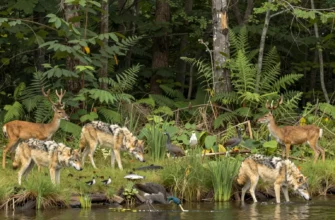
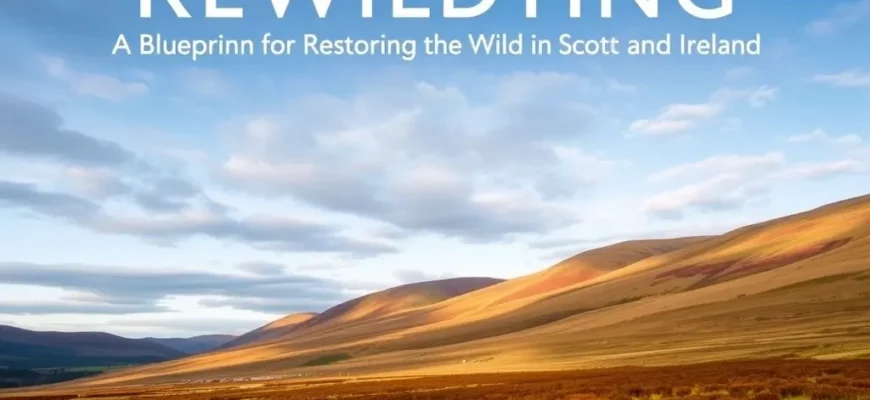
The Dundreggan Rewilding Centre represents a seismic shift in how we perceive the Scottish Highlands. For centuries, these landscapes were managed as “sporting estates,” kept in a state of arrested development for deer stalking and grouse shooting, but today, this 10,000-acre expanse in Glenmoriston is a living laboratory for ecological resurrection.
As the flagship project for the charity Trees for Life, Dundreggan has moved beyond simple conservation to active restoration. It is the world’s first major rewilding hub, designed specifically to bridge the gap between complex ecological science and public engagement, proving that a landscape returning to life is far more valuable than a barren moorland.
The Vision of Trees for Life in Glenmoriston
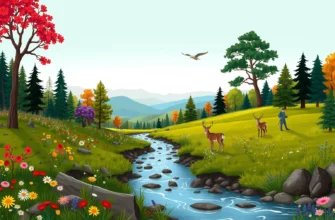
The history of the Dundreggan estate is one of transformation, moving from a Victorian-era hunting ground to a sanctuary where the Caledonian Forest can finally expand its borders. Since its acquisition in 2008, the mission has been to facilitate the return of the “Great Wood of Caledon,” a vast temperate rainforest that once blanketed much of Scotland. By focusing on restoring the wild through natural regeneration and strategic planting, the project aims to create a self-sustaining ecosystem where humans are observers and participants rather than dominators.
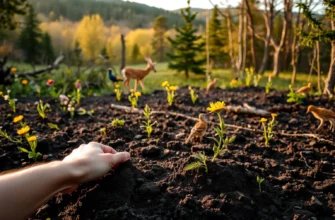
Central to this success is the native tree nursery located on-site. This facility is not just a garden; it is a specialized center that produces over 60,000 trees annually, including rare species like mountain willow and dwarf birch. These “montane scrub” species are vital for high-altitude biodiversity, providing cover and food for specialized wildlife that cannot survive in the lower glens. By collecting seeds from the last remaining ancient trees in the area, Dundreggan ensures that the genetic heritage of the local forest is preserved for future centuries.
Planning Your Visit: Dundreggan Rewilding Centre Reviews and Highlights
Travelers visiting the Highlands often seek rugged beauty, but Dundreggan offers something deeper: a sense of hope and tangible progress. Feedback from visitors consistently emphasizes that this is not a static museum of nature but a vibrant, changing landscape that rewards those who slow down and observe the smaller details.
The center itself is an architectural marvel that sits lightly on the land, using sustainable materials and offering panoramic views of the glen. Whether you are a seasoned hiker or a family looking for an afternoon of discovery, the facility provides the necessary context to understand why this work matters on a global scale.
- The Mànran Guest Wing: High-quality, sustainable accommodation for those who want to stay overnight and experience the forest at dawn and dusk.
- Interactive Storytelling: The visitor center features educational displays that use Gaelic culture and folklore to explain our historical connection to the woods.
- All-Abilities Access: Several trails are designed to be fully accessible, ensuring that everyone, regardless of mobility, can experience the Highlands’ recovery.
- Guided Rewilding Walks: Expert-led tours that explain the nuances of visitor experience, from identifying pine marten tracks to spotting rare lichens.
What to Expect: Trails, Trees, and Tranquility
The trail network at Dundreggan is carefully curated to showcase different stages of forest recovery. The “Wilder Ways” path offers an immersive experience through young woodland, where the density of birdlife is noticeably higher than in the surrounding overgrazed hills. Visitors should look out for the vibrant insect life that has returned to the glen, a direct result of the increased plant diversity.
Seasonality plays a major role in what you will see. In late spring, the forest floor is a carpet of wildflowers and the air is thick with the song of willow warblers. By autumn, the golden hues of the birch trees and the deep reds of the rowan berries provide a dramatic backdrop for the rutting season. The immersive storytelling within the center connects these biological events to the local Gaelic heritage, reminding us that the names of the landscape are often rooted in the trees and animals that once lived there.
The Irish Connection: Scaling Rewilding Projects in Ireland
The success of Dundreggan is not just a Scottish triumph; it is a roadmap for the entire North Atlantic fringe, particularly Ireland. Both regions share a similar “Atlantic Rainforest” climate, characterized by high humidity and mild temperatures, which is perfect for the growth of mosses, liverworts, and ancient oaks.
Ireland currently has one of the lowest forest covers in Europe, yet the potential for habitat restoration in Ireland is immense. By looking at the Dundreggan model, Irish conservationists are finding ways to move past the “green desert” of Sitka spruce plantations toward a more diverse, resilient, and native-led approach to land management.
Bridging the Irish Sea: Shared Ecological Goals
The parallels between the Scottish Highlands and the West of Ireland are striking. Both landscapes suffer from high levels of peatland degradation and a lack of native woodland due to centuries of overgrazing. However, species like the Scots Pine, which was long thought to be extinct in Ireland until recent genetic testing proved otherwise, serve as a biological bridge between the two nations.
To achieve nature-based solutions at scale, Irish projects are increasingly adopting the community-led dialogue seen in Scotland. Overcoming agricultural challenges requires working with farmers to show that rewilding is not an “anti-farming” movement, but a way to diversify land use and create new economic streams through eco-tourism and carbon sequestration payments.
Can We Rewild Wicklow? The Future of the Garden County
Wicklow, often called the “Garden of Ireland,” faces a unique set of challenges that make it a prime candidate for a Dundreggan-style intervention. While the Wicklow Mountains National Park covers a significant area, much of it is ecologically “quiet” due to intense grazing pressure from high deer populations and the encroachment of invasive rhododendron.
The “Rewild Wicklow” movement is gaining momentum, advocating for a shift in how we manage these uplands. By restoring the wild in the heart of the east coast, we can create vital wildlife corridors that allow species to move freely between the mountains and the sea, increasing the overall resilience of the Irish landscape.
| Feature | Current State in Wicklow | Rewilding Potential |
|---|---|---|
| Tree Cover | Dominated by commercial conifer plantations with low biodiversity. | Expansion of native woodland including Oak, Rowan, and Birch. |
| Grazer Management | High density of Sika and Red hybrids preventing natural regrowth. | Strategic culling and fencing to allow natural regeneration of saplings. |
| Peatland Health | Many bogs are drained or eroded, releasing stored carbon. | Blocking drains to re-wet the land and restore Irish peatlands. |
| Tourism Model | High-volume, low-impact transit through Glendalough. | Development of sustainable travel hubs and educational centers. |
Restoring the Wicklow Mountains: Challenges and Wins
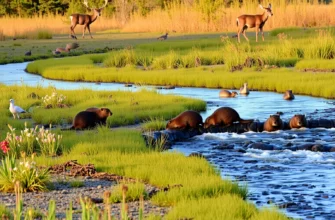
One of the biggest hurdles for upland restoration in Wicklow is the sheer number of deer. Without natural predators, these herbivores eat almost every native sapling that attempts to grow, effectively “locking” the forest in time. However, successful pockets of temperate rainforest do exist, such as the ancient oak woods at Tomnafinnoge. These remnants serve as the seed source for future expansion.
The role of private landowners is also shifting. Many are beginning to see the value in nature-based solutions for flood mitigation; By allowing the upper reaches of the Liffey and Slaney rivers to rewild, the landscape acts as a giant sponge, slowing the flow of water during heavy rains and protecting downstream communities from the increasing threats of climate change.
How to Get Involved: From Volunteering to Local Action
Rewilding is not a spectator sport; it requires a massive collective effort. Whether you are inspired by the Scottish Highlands tourism model or the burgeoning movements in Ireland, there are concrete steps you can take to support the return of nature. Action can range from large-scale physical labor to simple changes in how you manage your own backyard.
The goal is to move from a state of “nature depletion” to “nature recovery.” Every acre returned to a wilder state contributes to biodiversity recovery and helps mitigate the worst effects of the climate crisis.
- Volunteer for Nature: Sign up for a “Conservation Week” at Dundreggan to plant trees and remove invasive species in the heart of the Highlands.
- Support Irish NGOs: Donate to organizations like Hometree or Rewilding Ireland, which are working to buy and restore land across the island.
- Practice Citizen Science: Use apps like iNaturalist to record wildlife sightings in the Wicklow Mountains, helping researchers track habitat connectivity.
- Advocate for Change: Write to local representatives to support policies that incentivize community-led conservation rather than monoculture forestry.
Supporting Nature Recovery at Every Scale
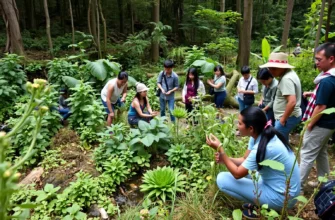
You don’t need 10,000 acres to make a difference. Even in urban environments, planting native Irish or Scottish wildflowers can create essential “stepping stones” for pollinators. For those with more time, volunteer for nature programs offer a way to gain hands-on experience in ecosystem restoration, teaching skills in seed collection and nursery management.
In Ireland, supporting the Rewild Wicklow initiative might mean participating in local clean-up days or attending workshops on sustainable land management. The key is to remain engaged and vocal about the need for nature-based solutions. By 10X-ing our efforts today, we ensure that the next generation inherits a landscape that is louder, greener, and more resilient than the one we have now.
In my professional experience, the technical side of rewilding—planting trees or rewetting bogs—is actually the easy part. The real challenge lies in securing the “social license” from the people who live and work on the land. I have found that Dundreggan succeeded because it didn’t treat the local community as an obstacle; it treated them as the primary stakeholders. In Ireland, where land ownership is deeply tied to cultural identity and history, we must avoid top-down mandates. I always advise rewilding advocates to integrate local heritage and traditional ecological knowledge into their plans. If the local farming community doesn’t see a future for themselves in a rewilded landscape, the project will eventually fail. Success looks like a mosaic of land uses where nature recovery and human livelihoods coexist.
Frequently Asked Questions
The centre is situated in Glenmoriston, approximately 8 miles from Loch Ness in the Scottish Highlands, easily accessible via the A887 road.
Are there any active rewilding projects in Ireland I can visit?
Yes, Wild Nephin National Park in Mayo is a major site, along with community-led projects like Hometree in County Clare and various initiatives in the Wicklow Mountains.
What makes Dundreggan different from a standard nature reserve?
Dundreggan focuses on active restoration and “letting nature lead,” featuring an on-site native tree nursery and a dedicated hub for rewilding education and research.
How can I support the Rewild Wicklow initiative?
Support them by joining their advocacy campaigns, participating in local biological recording, and promoting sustainable land-use policies to local government officials.
Is the Dundreggan Rewilding Centre dog-friendly?
Dogs are generally welcome but must be kept on short leads at all times to protect ground-nesting birds and sensitive wildlife habitats from disturbance.
What are the best times of year to visit rewilding sites in the UK and Ireland?
Late spring (May-June) is ideal for seeing birdlife and wildflowers, while autumn (October) offers spectacular foliage and the chance to witness the deer rut.