- Why Choosing Ice Blocks for Cold Plunge is Better Than Using Loose Cubes
- The Science of Surface Area and Melting Rates
- Comparing Your Cooling Options: Blocks‚ Cubes‚ and Bricks
- Smart and Affordable Ways to Get Ice for Cold Plunge Sessions
- DIY Ice Block Hacks: Using Household Containers
- Essential Tips for Keeping Cold Plunge Water Clean and Clear
- Maintaining Hygiene Without Harsh Chemicals
- The Risks and Realities of Using Dry Ice for Cold Plunge
- Why Solid Carbon Dioxide is a Safety Hazard
- How to Prevent Your Cold Plunge from Freezing During Winter
- Insulation and Circulation Strategies
- Expert Perspective: Safe Temperature Management
- Frequently Asked Questions
Why Choosing Ice Blocks for Cold Plunge is Better Than Using Loose Cubes
When you are looking to lower your water temperature significantly‚ the physical form of your ice matters just as much as the quantity. Most beginners start by dumping bags of convenience store cubes into their tub‚ only to find the water warms up before they have even finished their breathing exercises.
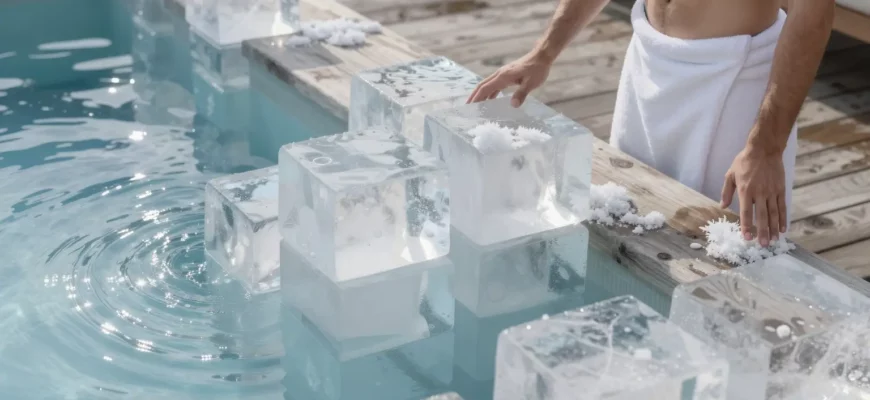
Switching to large ice blocks changes the game by leveraging the power of thermal mass. By using denser‚ larger frozen units‚ you ensure that your cooling medium lasts through multiple sessions without the rapid degradation seen with crushed or cubed alternatives.
The Science of Surface Area and Melting Rates
The rate at which ice melts is directly proportional to its surface area. Small cubes have a massive amount of surface area exposed to the relatively warm water‚ which leads to a rapid energy exchange that melts the ice in minutes. While this provides a quick initial chill‚ it lacks the staying power needed for a sustained practice.
By contrast‚ using ice bricks for cold plunge creates a much lower surface-area-to-volume ratio; This means the core of the block remains frozen longer‚ providing a steady‚ slow-release cooling effect. To get the most out of your chill‚ always aim for blocks that are at least 5 to 10 pounds‚ as these offer the optimal balance between manageable weight and cooling longevity.
Maintaining a consistent temperature is vital for triggering the desired cold shock response. When the water temperature fluctuates wildly because your ice has disappeared‚ your body cannot effectively adapt to the stimulus. Using blocks allows you to keep the water at a steady 50°F for the duration of a 5-minute soak‚ rather than watching the thermometer climb mid-plunge.
Comparing Your Cooling Options: Blocks‚ Cubes‚ and Bricks
Choosing the right cooling method depends on your budget‚ the size of your tub‚ and how often you plan to plunge. While cubes are easy to find‚ they are rarely the most efficient choice for a dedicated home setup.
| Ice Type | Cooling Duration | Cost Efficiency | Convenience | Best For |
|---|---|---|---|---|
| Loose Cubes | 15-30 Minutes | Low (Expensive over time) | High (Buy anywhere) | One-off sessions |
| Large Ice Blocks | 2-4 Hours | High (DIY at home) | Medium (Requires prep) | Daily practitioners |
| Reusable Bricks | 1-2 Hours | Maximum (One-time buy) | Medium (Freezer space) | Small insulated tubs |
For those using an ice chest for cold water plunge setups‚ the insulation of the chest itself will further extend the life of these blocks. If you have limited freezer space‚ a hybrid approach often works best: use reusable bricks to maintain a baseline temperature and add one or two large blocks to reach your target chill.
Smart and Affordable Ways to Get Ice for Cold Plunge Sessions
Consistency is the hardest part of cold therapy‚ and the logistics of how to get ice for cold plunge can become a major barrier. Buying $20 worth of ice every day is not sustainable for most people‚ making home production the only logical path for long-term success.
The most effective way to keep an ice plunge cold without breaking the bank is to create a “rotation” system in your home freezer. By dedicating a shelf to large molds‚ you can ensure you always have at least 30 to 50 pounds of ice ready to go at any moment.
DIY Ice Block Hacks: Using Household Containers
You do not need specialized equipment to make high-quality ice bricks. Large Tupperware containers‚ silicone baking molds‚ or even clean 1-gallon milk jugs (with the tops cut off) serve as excellent vessels for freezing. Avoid using thin glass containers‚ as the expansion of the water during the freezing process will cause them to shatter.
When freezing your blocks‚ keep in mind that a 10lb block typically takes 24 to 36 hours to freeze solid in a standard home freezer. If you are making 20lb blocks‚ expect a full 48-hour cycle. To make removal easier‚ run the outside of the container under warm water for 30 seconds; the block will slide right out without cracking the plastic mold.
If you find that your home freezer is too small‚ consider investing in a dedicated vertical or chest freezer. This allows you to store a massive thermal mass of ice‚ which is particularly useful during the summer months when tap water temperatures can rise above 70°F. Having 100 pounds of ice on standby ensures you can drop the temperature of a 100-gallon tub by 15-20 degrees in under an hour.
Essential Tips for Keeping Cold Plunge Water Clean and Clear
Water maintenance is often overlooked until the water becomes murky or develops an odor. Every time you add ice‚ you are potentially introducing minerals or bacteria‚ especially if you are using “found” containers for your blocks. Keeping your water clear is a matter of both prevention and consistent filtration.
- Always shower before you plunge to remove body oils‚ lotions‚ and sweat‚ which are the primary causes of cloudy water.
- Use a simple pool skimmer or fine-mesh net after every session to remove hair or any debris that fell in while the lid was open.
- Cover your tub with a tight-fitting‚ insulated lid immediately after use to block sunlight‚ which prevents algae growth.
- Add 1-2 cups of Epsom salts to the water; not only does this provide magnesium for your skin‚ but it also acts as a mild natural antiseptic.
- Drain and replace the water every 2-4 weeks if you are not using a high-end UV or ozone filtration system.
Maintaining Hygiene Without Harsh Chemicals
Many plungers prefer to avoid chlorine or bromine because they want a natural experience. If you choose the chemical-free route‚ you must be more diligent about mechanical cleaning. A small‚ submersible pond pump can be used to circulate water through a basic sediment filter‚ which will catch the fine particles that a skimmer misses.
To keep cold plunge clean over longer periods‚ consider food-grade hydrogen peroxide (35% concentration). It is a powerful oxidizer that breaks down into water and oxygen‚ leaving no toxic residue. Use approximately 1 ounce of 35% hydrogen peroxide per 100 gallons of water once a week to maintain clarity without the “pool smell” of traditional chemicals.
The Risks and Realities of Using Dry Ice for Cold Plunge
In the quest for the ultimate chill‚ some people consider using dry ice for cold plunge because it is significantly colder than regular ice. However‚ this is a dangerous practice that can lead to life-threatening situations. Dry ice is solid carbon dioxide (CO2) and behaves very differently than frozen water.
Dry ice does not melt; it sublimates‚ meaning it turns directly from a solid into a gas. This creates two major hazards: severe cryogenic burns upon skin contact and the risk of asphyxiation in enclosed spaces as the CO2 gas displaces oxygen near the water’s surface.
Why Solid Carbon Dioxide is a Safety Hazard
The temperature of dry ice is approximately -109.3°F (-78.5°C). If a piece of dry ice touches your skin‚ it causes instant frostbite and cell death. Even if you drop it into the water‚ the extreme temperature difference can cause the tub material—especially plastic or acrylic—to become brittle and crack‚ leading to a catastrophic leak.
Furthermore‚ because CO2 gas is heavier than air‚ it will sit in a thick layer just above the water level. As you sit in the tub and lean back‚ you may unknowingly breathe in concentrated CO2 instead of oxygen; This can lead to dizziness‚ loss of consciousness‚ and drowning within seconds. For these reasons‚ never use dry ice directly in your cold plunge setup.
How to Prevent Your Cold Plunge from Freezing During Winter
If you live in a climate where temperatures drop below zero‚ your challenge shifts from keeping the water cold to preventing it from turning into a solid block of ice. A frozen tub can expand and destroy your plumbing‚ pumps‚ and the tub structure itself.
- Do use a water circulation pump to keep the surface moving; moving water is much harder to freeze than stagnant water.
- Do invest in a high-R-value insulated cover to trap the residual heat of the earth or the water’s thermal mass.
- Don’t leave your filtration hoses exposed; wrap them in foam pipe insulation to prevent “ice plugs” from forming in the lines.
- Do use a floating stock tank de-icer if you expect a deep freeze; these are designed to keep a small area of water open for livestock and work perfectly for plunges.
- Don’t salt the water excessively to lower the freezing point; while it works‚ it can be corrosive to metal components in your tub.
Insulation and Circulation Strategies
To keep cold plunge from freezing‚ the most effective tool is a simple 500 GPH (gallons per hour) submersible pump. By placing the pump near the surface‚ you create constant agitation. This kinetic energy‚ combined with the fact that water is densest at 39°F‚ helps keep the deeper water from reaching the freezing point.
If you are using an uninsulated stock tank‚ wrap the exterior in Reflectix or spray foam insulation. This creates a thermal barrier that slows down the transfer of heat from the water to the freezing outside air. In extreme northern climates‚ placing your tub on a wooden platform rather than directly on concrete will also reduce conductive heat loss into the ground.
Expert Perspective: Safe Temperature Management
In my professional experience working with high-performance athletes‚ I have found that the “colder is better” mentality is often counterproductive. I always advise my clients to aim for a temperature range of 45°F to 55°F. This is the “sweet spot” where you trigger the maximum release of norepinephrine and activate brown adipose tissue without putting unnecessary strain on the heart. I often hear people ask if tap water is cold enough; the answer depends entirely on your local climate. In winter‚ tap water in many regions comes out at 52°F‚ which is perfect for a beginner. However‚ during the summer‚ you will absolutely need those 10lb ice blocks to bring the water down from 70°F to a therapeutic level. Consistency in your practice matters far more than hitting 33°F for ten seconds.
Frequently Asked Questions
Maintaining low temperatures is achieved through high-quality R-value insulation and the use of large thermal masses like ice blocks. A well-insulated tub with a thick cover can retain its chill for 48-72 hours by minimizing heat exchange with the surrounding air.
Is tap water cold enough for a cold plunge without ice?
It depends on the season. In many northern latitudes‚ winter tap water ranges between 45°F and 55°F‚ which is ideal for cold therapy. In warmer months or climates‚ tap water often exceeds 65°F‚ necessitating the addition of ice blocks to reach a therapeutic range.
How many ice blocks do I need for a standard plunge tub?
For a standard 100-gallon tub‚ you generally need 20 to 40 lbs of ice blocks to drop the temperature by 10-15 degrees. The exact amount varies based on the starting water temperature and the ambient air temperature outside the tub.
Can I use an ice chest for a cold water plunge setup?
Yes‚ modified chest freezers (often called “freezer plunges”) are excellent because they are pre-insulated and designed to maintain sub-freezing temperatures. When sealed correctly with marine-grade caulk‚ they provide a highly efficient and cost-effective DIY plunge solution.
Why are dedicated plunge pools colder than standard pools?
Plunge pools are designed for a specific physiological trigger called the cold shock response. Unlike standard swimming pools kept at 78°F-82°F for comfort‚ plunge pools are kept below 59°F to stimulate the nervous system and reduce systemic inflammation.