- Why Investing in a Cold Plunge Heater Changes Your Winter Routine
- Maintaining the Perfect Chill with Precise Temperature Control
- Comparison: Choosing the Right Heater and Pump for Your Setup
- What to Do When Your Cold Plunge Pump Stops Working
- Troubleshooting Clogs, Air Locks, and Motor Failures
- Step-by-Step: Converting a Standard Bathtub into a Cold Plunge
- Selecting a Motor and Circulator for Home Use
- Upgrading Your Experience: Smart Integration and Lighting
- Setting Up Smart Home Automation for Your Recovery Tub
- Maintenance Checklist: Keeping Your Water Clear and Equipment Running
- Expert Perspective: The Flow Rate vs. Efficiency Paradox
- Frequently Asked Questions
Why Investing in a Cold Plunge Heater Changes Your Winter Routine
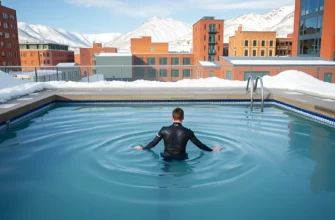
Most enthusiasts focus entirely on reaching the lowest possible temperatures, often ignoring the physical reality of winter climates. When the ambient temperature drops below freezing, your recovery tub faces a significant mechanical threat: the expansion of frozen water.
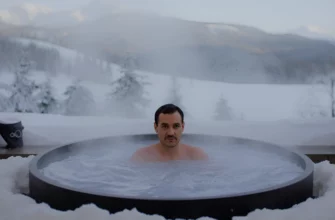
A dedicated heating element for your cold plunge is not about turning your ice bath into a hot tub; it is about maintaining a liquid state to protect your expensive plumbing and pump housing from internal pressure cracks. Without active thermal regulation, a single overnight freeze can expand water by approximately 9% in volume, which is more than enough force to shatter PVC pipes and seize a high-end motor.
Maintaining the Perfect Chill with Precise Temperature Control
The goal of a cold plunge heater for winter use is to act as a fail-safe against the “ice block effect.” When water remains stagnant in freezing temperatures, it begins to crystallize around the pump’s impeller and within the narrow channels of a chiller’s heat exchanger; By integrating a thermostat-controlled heater, you can set a floor temperature—typically around 34°F to 37°F—ensuring the water stays dangerously cold for your body but safely liquid for your equipment.
Modern cold plunge tub temperature control systems rely on digital thermostats that trigger a low-wattage heating element the moment the water approaches the freezing point. This prevents the pump from trying to move slush, which is a leading cause of motor burnout. Always ensure your thermostat probe is submerged away from the heating element to get an accurate reading of the bulk water temperature rather than a localized “hot spot” near the heater.
For those living in extreme climates, a 500W to 1000W external heating element is usually sufficient to counteract sub-zero ambient air. These units are designed to kick in only when necessary, keeping your electricity bill manageable while providing 24/7 peace of mind that your hydrotherapy setup won’t be a frozen loss by morning.
Comparison: Choosing the Right Heater and Pump for Your Setup
Selecting the right hardware depends on whether you have a permanent outdoor installation or a temporary indoor tub. The following table breaks down the three primary methods for maintaining thermal stability in your cold plunge system.
| Equipment Type | Installation Complexity | Temperature Precision | Best Use Case |
|---|---|---|---|
| External Inline Heater | Moderate (Requires plumbing) | High (Digital Control) | Permanent outdoor setups with dedicated filtration. |
| Submersible De-icer | Low (Drop-in) | Low (Basic On/Off) | Budget-friendly freeze prevention for stock tanks. |
| Integrated Chiller/Heater | High (All-in-one unit) | Extreme (0.1 degree accuracy) | Professional-grade recovery centers and high-end home gyms. |
What to Do When Your Cold Plunge Pump Stops Working
A failed pump is the most common technical hurdle in cold therapy, usually manifesting at the most inconvenient times. When the water stops moving, the temperature becomes uneven, and the risk of bacterial growth increases exponentially. Before you call a technician or order a replacement, you must adopt a diagnostic mindset to identify whether the issue is electrical, mechanical, or a simple air lock.
Listen closely to your unit. A silent pump usually points to an electrical disconnect or a tripped GFCI, while a loud grinding noise suggests physical debris. If the motor is humming but no water is flowing, immediately power down the unit to prevent the motor from overheating and melting the internal seals.
- Check the Power Source: Ensure the GFCI outlet hasn’t tripped due to moisture or a power surge.
- Inspect for “Slurping” Sounds: This indicates an air lock where air is trapped in the pump volute, preventing the impeller from catching water.
- Feel the Pump Housing: If it is hot to the touch, the motor is struggling against a clog or a seized bearing.
- Look for Reduced Flow: If the jets are weak, your filter is likely at 90% capacity and needs an immediate swap.
Troubleshooting Clogs, Air Locks, and Motor Failures
If your cold plunge pump is not working despite having power, the most likely culprit is an air lock. This occurs frequently after a water change or when the water level drops too low. To fix this, you may need to “burp” the system. Loosen the intake union slightly while the pump is off until water begins to trickle out, then tighten it back up; this forces the trapped air out of the line, allowing the pump to prime properly.
Mechanical clogs often occur when hair, skin cells, or outdoor debris bypass the primary filter and wrap around the impeller. Most submersible and external pumps have a removable faceplate. Once removed, you can use a pair of needle-nose pliers to clear any obstructions. If the impeller is clear but still won’t spin, the internal start capacitor might have failed, which generally requires a motor replacement.
For those experiencing cold plunge jets not working, check the venturi air valves. Sometimes the “lack of flow” isn’t a pump issue at all, but rather a clogged air intake that prevents the bubbling action users expect. Regularly soak your removable jet nozzles in a white vinegar solution to break down calcium deposits that can restrict flow over time.
Step-by-Step: Converting a Standard Bathtub into a Cold Plunge
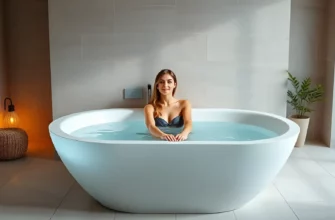
You do not need a $5,000 custom tub to enjoy consistent cold therapy. Converting a standard household bathtub is a viable entry point, provided you manage the water circulation and temperature externally. The key is to move away from bags of ice and toward a “set and forget” system using a portable motor and chiller unit.
- Deep Clean the Basin: Scrub the tub with a non-abrasive cleaner to remove soap scum, which can clog small portable pumps.
- Position the External Circulator: Place your pump and chiller unit on a stable, dry surface nearby. Ensure the intake hose is submerged at the deepest point of the tub.
- Establish a Siphon Loop: Prime the hoses manually or use a self-priming pump to ensure water is moving through the chiller/heater before turning the power on.
- Install the Thermostat Probe: Secure the sensor to the side of the tub using a suction cup, ensuring it is at least six inches below the water line.
- Verify GFCI Safety: Never operate a pump or heater in a bathtub without a dedicated GFCI adapter between the device and the wall outlet.
Selecting a Motor and Circulator for Home Use
When choosing a cold plunge pump for bathtub use, noise levels are a primary concern. Most industrial pumps are too loud for a small bathroom. Look for a “magnetic drive” pump; these are significantly quieter and have no mechanical seals to leak. A flow rate of 500 to 800 gallons per hour (GPH) is ideal for a standard 50-gallon bathtub, providing enough movement to prevent thermal layering without creating a whirlpool effect.
Safety is the absolute priority when mixing water and electricity indoors. I recommend using a 12V DC pump rather than a standard 110V AC pump if possible, as the lower voltage significantly reduces the risk of a lethal shock in the event of a catastrophic failure. Additionally, always use a “drip loop” on all power cords—this is a simple U-shape in the cord that prevents water from traveling down the wire and into the electrical socket.
A quality cold plunge water circulator should also include a pre-filter screen. Even in a clean bathroom, lint and hair will find their way into the system. A simple mesh screen on the intake will save the motor from unnecessary strain and extend the life of your setup by months, if not years.
Upgrading Your Experience: Smart Integration and Lighting
The transition from a basic soak to a high-performance recovery routine often involves automation. Integrating your cold plunge into a smart home ecosystem allows you to manage the grueling nature of the habit. There is a psychological advantage to knowing the water is exactly 39°F before you even step out of bed, removing the “friction” of preparation that often leads to skipped sessions.
Smart plugs rated for outdoor use (like the TP-Link Kasa series) can handle the heavy amperage of a chiller or heater. By setting a schedule, you can keep the water at a “holding temperature” of 45°F during the day and trigger a “deep chill” cycle two hours before your scheduled plunge. This strategy can reduce your monthly energy consumption by up to 30% compared to running the chiller at its lowest setting 24/7.
Setting Up Smart Home Automation for Your Recovery Tub
Beyond simple scheduling, a smart cold plunge thermostat can be linked to voice assistants like Alexa or Google Home. You can create a “Recovery Mode” routine that dims the bathroom lights, starts a specific playlist, and activates the water circulator with a single command. This creates an immersive environment that helps manage the sympathetic nervous system’s response to the cold shock.
For those who plunge at night or in a dark garage, a cold plunges light kit is a functional upgrade. Submersible, battery-operated LED pucks are the easiest to install, but for a professional look, you can integrate 12V RGB strip lighting behind the tub’s rim. Stick to blue or green wavelengths, as these have been shown in some studies to promote a calmer psychological state, which is vital when you are trying to control your breathing in 40-degree water.
Maintenance Checklist: Keeping Your Water Clear and Equipment Running
Neglecting maintenance is the fastest way to kill a cold plunge pump. Because cold water hides bacteria better than warm water, many users assume their tub is clean when it is actually harboring a biofilm. Consistent airflow and filtration are your best defenses against a murky tank and a failing motor.
Use the following schedule to ensure your system remains efficient and sanitary. Always disconnect the power before reaching into the pump housing or cleaning the filter.
- Weekly: Remove the 20-micron filter and rinse it with a high-pressure hose. If the filter looks “slimy,” soak it in a light chlorine solution.
- Weekly: Wipe down the water line with a microfiber cloth to remove body oils and “scum lines” before they harden.
- Monthly: Inspect the pump intake for hair or debris. Check the GFCI “Test” button to ensure the safety breaker is still functional.
- Monthly: Calibrate your digital thermostat by comparing its reading to a high-quality analog thermometer. Sensors can drift over time.
- Quarterly: Deep clean the plumbing by running a specialized “flush” solution through the lines to break down internal calcium buildup.
Expert Perspective: The Flow Rate vs. Efficiency Paradox
In my professional experience, the most common engineering mistake people make is over-specifying their pump. There is a common misconception that a more powerful pump leads to faster cooling or heating. In reality, if the flow rate is too high, the water moves through the heat exchanger too quickly to allow for efficient energy transfer. You want “laminar flow” across the cooling coils, not turbulent, high-speed bypass. For most home setups, a pump that turns over the total volume of the tub 10 to 12 times per hour is the “sweet spot” for both thermal efficiency and equipment longevity.
Frequently Asked Questions
Yes, but use caution. Most pond heaters are designed to keep a small hole in the ice for fish, not to maintain a specific temperature for humans. Always pair a pond heater with an external digital thermostat to prevent the water from getting too warm or the heater from running dry.
Why is my cold plunge pump making a humming noise but not moving water?
This is almost always an air lock or a seized impeller. Try the “gravity feed” method by lowering your intake hose below the water line to force air out, or check the impeller for small pebbles or hair that might be jamming the magnet.
Is it possible to have a cold plunge with no ice?
Absolutely. A dedicated chiller unit with a built-in pump can maintain temperatures as low as 37°F indefinitely. This eliminates the recurring cost of ice and ensures your tub is ready for use at any moment without preparation.
How often should I clean my cold plunge pump filter?
For heavy use (daily plunges), rinse the filter once a week and replace it every month. A dirty filter increases backpressure, which makes the motor run hotter and significantly shortens the lifespan of your pump.
Can I leave my cold plunge heater outside in freezing temperatures?
Only if the pump is running constantly or the unit has a built-in “anti-freeze” mode. Standing water in a pipe will freeze and crack the plastic in just a few hours of sub-freezing weather, even if the main tub is not yet frozen.