- Is It Safe to Cold Plunge After Eating?
- What Happens When You Cold Plunge After Dinner?
- The Best Timing for Food and Ice Baths
- Wait Times for Light Snacks vs. Heavy Meals
- Contrast Therapy: Transitioning Between Cold and Heat
- Should You Cold Plunge Before or After a Hot Shower?
- Cold Exposure and Your Health: Sickness and Surgery
- Can You Cold Plunge While Having a Cold?
- Managing Intense Physical Responses to Cold
- Why Does Submerging Your Head Change the Experience?
- Explaining Unusual Post-Plunge Reactions
- Optimizing Your Recovery Routine
- Cold Plunge Before a Massage: Yay or Nay?
- Expert Perspective: The Blood Flow Steal Phenomenon
- Frequently Asked Questions
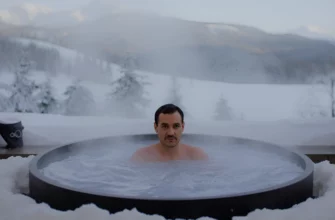
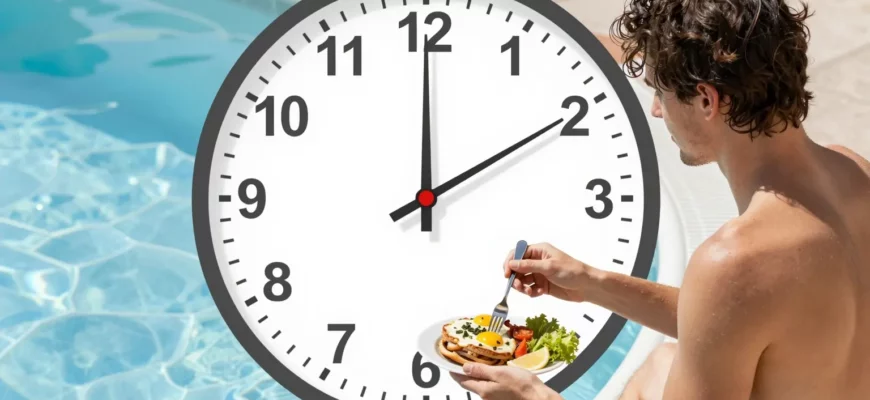
Is It Safe to Cold Plunge After Eating?
The short answer is that while it is rarely life-threatening for a healthy individual, plunging immediately after a meal is far from optimal. Your body is a master of resource allocation, and a heavy meal initiates a complex physiological process that requires significant energy and blood volume to be directed toward your digestive tract.
When you submerge yourself in freezing water, you force your internal systems into a direct conflict. Your “rest and digest” parasympathetic nervous system is trying to process nutrients, while the cold shock triggers a massive “fight or flight” sympathetic response that demands blood flow return to your core and vital organs to maintain temperature.
To avoid a biological tug-of-war, most experts recommend waiting at least 90 to 120 minutes after a substantial meal before entering an ice bath. This window allows the stomach to complete the most intensive stages of gastric emptying, ensuring that your circulatory system can handle the intense vasoconstriction caused by the cold without compromising your digestive comfort or nutrient absorption.
What Happens When You Cold Plunge After Dinner?
The primary concern with a cold plunge after food is the sudden diversion of blood flow. Under normal post-meal conditions, the body increases blood flow to the stomach and intestines to facilitate the breakdown of food and the transport of nutrients; however, the moment your skin hits cold water, peripheral vasoconstriction kicks in, pulling blood away from the digestive organs to protect your core temperature.
This sudden shift can lead to significant gastrointestinal distress. Because the smooth muscles of the stomach are deprived of the oxygenated blood they need to churn and process food, you may experience sharp cramping, intense nausea, or even a complete “stalling” of the digestive process. In some cases, the shock can lead to vomiting if the body decides that the energy required for digestion is a luxury it cannot afford during a perceived survival crisis.
Furthermore, the impact on nutrient absorption cannot be ignored. Efficient digestion relies on a stable internal environment and consistent enzyme activity. By inducing a state of systemic stress and thermal shock, you potentially impair the absorption of essential vitamins and minerals, as the body prioritizes heat production and metabolic defense over the long-term benefit of processing your dinner.
The Best Timing for Food and Ice Baths
Establishing a routine that respects your metabolic clock is the key to reaping the benefits of cold therapy without the side effects. Whether you are using a dedicated tub or a simple stock tank, the relationship between your last meal and your dip determines how your body manages the inflammatory response and the subsequent metabolic boost.
- Don’t: Jump into 45-degree water immediately after a high-protein, high-fat meal like a steak dinner, as these take the longest to exit the stomach.
- Do: Wait a minimum of 2 hours after a heavy meal to ensure primary digestion is complete and blood pressure has stabilized.
- Don’t: Plunge on a completely empty stomach if you are prone to hypoglycemia, as the cold shock can cause a rapid drop in blood sugar levels.
- Do: Opt for a small, carbohydrate-based snack 30 minutes prior if you need a quick energy boost to help your body generate heat during the session.
- Do: Listen to your gut; if you feel bloated or “heavy,” postpone your plunge by another hour to stay safe after a cold plunge.
Wait Times for Light Snacks vs. Heavy Meals
The “waiting rule” is not a one-size-fits-all metric because different macronutrients move through the digestive system at varying speeds. A light snack consisting of simple sugars, such as a piece of fruit or a handful of berries, usually leaves the stomach within 30 minutes. For these smaller inputs, a 30-to-45-minute wait is usually sufficient to prevent cramping.
Heavy meals are a different story entirely. Fats and proteins require complex enzymatic breakdowns and stay in the stomach significantly longer. If you have consumed a meal rich in healthy fats or dense animal proteins, the 2-hour rule should be your absolute minimum. Plunging too soon after a meal of this caliber often results in a “heavy” feeling in the gut that can persist long after you have exited the water.
Individual metabolic rates also play a role in how a cold plunge after a meal feels. Some practitioners find that the increased metabolic rate from cold exposure actually helps them feel less bloated over time, but this is usually only the case when the plunge is timed correctly. Always prioritize your personal comfort over a rigid schedule, as your body’s signals are the most accurate indicators of readiness.
Contrast Therapy: Transitioning Between Cold and Heat
Contrast therapy, the practice of alternating between cold and hot environments, is one of the most effective ways to stimulate the circulatory system. However, the order in which you perform these transitions and how you manage your core temperature is vital for preventing the “after-drop” effect, where your internal temperature continues to fall even after you have left the cold water.
The goal of contrast therapy is to create a “pumping” action in the blood vessels. Heat causes vasodilation (widening of the vessels), while cold causes vasoconstriction (narrowing). By alternating these, you essentially exercise your vascular system, which can help flush metabolic waste and reduce systemic inflammation. Understanding the sequencing is the difference between an invigorating session and one that leaves you shivering for hours.
Should You Cold Plunge Before or After a Hot Shower?
Deciding whether to cold plunge before or after a hot shower depends on your primary goal. If you are looking for a metabolic boost and maximum alertness, ending on cold is the preferred method. This forces your body to work harder to warm itself back up, burning more calories and keeping your sympathetic nervous system engaged for a longer duration.
However, if you are plunging in the evening or are sensitive to the cold, transitioning from a cold plunge to a warm shower can be a safer way to raise your core temperature. When moving from a cold plunge to a hot bath or shower, be extremely cautious of the “after-drop”. As your skin warms up, blood begins to flow back to your extremities. This blood has been chilled by the skin and can actually lower your core temperature further as it returns to your heart, sometimes causing a sudden onset of intense shivering.
A balanced protocol often involves starting with a warm shower to relax the muscles, followed by the cold plunge, and then returning to a lukewarm (not hot) shower to stabilize. Avoid blistering hot water immediately after a plunge, as the rapid vasodilation can cause a sudden drop in blood pressure, leading to lightheadedness or fainting. Gradual rewarming is always the safest approach for your cardiovascular system.
Cold Exposure and Your Health: Sickness and Surgery
While cold plunging is often touted as an immune booster, there are specific times when the stress of the cold is counterproductive. Using cold therapy when your body is already under significant physiological stress—such as during an active infection or following a surgical procedure—requires a cautious, evidence-based approach.
Myth: Cold plunging while you have a fever will help “break” the fever and kill the virus.
Fact: Cold immersion during a fever can dangerously spike your internal temperature and place an extreme burden on your heart and immune system.
Myth: You should cold plunge right after surgery to reduce swelling immediately.
Fact: The vasoconstriction from cold can severely limit the delivery of oxygen and nutrients to the surgical site, potentially delaying the healing of incisions and increasing the risk of necrosis.
Can You Cold Plunge While Having a Cold?
When you are battling a respiratory infection or a common cold, your immune system is already operating at a high capacity. A cold plunge triggers a significant cortisol spike. While cortisol is an anti-inflammatory, prolonged or intense spikes can actually suppress immune function when the body is already taxed. This can lead to a worsening of symptoms or a longer recovery time.
If you are feeling under the weather but still want the mental benefits of cold exposure, consider a cold face plunge instead of full-body immersion. Submerging just your face in icy water stimulates the vagus nerve and triggers the mammalian dive reflex without the systemic stress of a full plunge. This provides a “reset” for your nervous system without forcing your body to fight a battle on two fronts: the virus and the cold shock.
For those recovering from surgery, the risks are even higher. Surgical recovery requires robust circulation to repair tissues and clear out debris from the procedure. Always wait for full clearance from your surgeon before resuming cold plunges, as the pressure changes and temperature shifts can interfere with internal sutures and the delicate process of revascularization at the wound site.
Managing Intense Physical Responses to Cold
The experience of submerging your body in freezing water is more than just a “cold feeling.” It is a systemic event that involves your brain, your heart, and your autonomic nervous system. Some of the reactions practitioners experience can be startling, but they are usually rooted in well-understood biological reflexes designed to keep you alive.
Understanding these responses helps you move from a state of panic to a state of controlled observation. When you know why your heart rate is spiking or why you feel a sudden surge of euphoria, you can manage the cold plunge feeling with greater composure, turning a stressful event into a meditative practice;
Why Does Submerging Your Head Change the Experience?
Submerging your head in a cold plunge is a vastly different experience than keeping it above the water line. This is due to the Mammalian Dive Reflex, which is most strongly triggered by cold water hitting the face and nostrils. This reflex immediately slows the heart rate (bradycardia) and redirects blood flow to the brain and heart, more intensely than a neck-down plunge.
While this can lead to a deeper state of calm for experienced practitioners, it also increases the rate of core temperature cooling. The head has a high density of blood vessels and a high surface area-to-volume ratio, making it a major site for heat loss. If you choose to submerge your head, limit the duration to a few seconds at the end of your session to avoid a rapid drop in core temperature that could lead to disorientation.
Explaining Unusual Post-Plunge Reactions
Some men report unusual physical reactions after transitioning from a hot environment (like a sauna) to a cold plunge, including the release of small amounts of seminal fluid. This is not typically an inflammatory or reproductive issue, but rather a sympathetic nervous system reaction involving the pelvic floor muscles. The sudden shock of the cold causes a rapid contraction of the smooth muscles in the prostate and seminal vesicles, which can physically “squeeze” out fluid.
Similarly, the “dripping” sensation some people feel is often the result of the body’s intense vasoconstriction and subsequent shivering. Extreme temperature shifts can cause the pelvic floor to spasm, which is a normal, albeit surprising, part of the body’s attempt to generate heat and protect the core. Unless these symptoms are accompanied by pain or persistent discomfort, they are generally considered benign side effects of the thermal transition. However, always consult a doctor if you experience localized pain or blood in any fluids after a plunge.
Optimizing Your Recovery Routine
To get the most out of your wellness routine, you must understand how cold exposure interacts with other recovery modalities. The timing of your plunge in relation to exercise, massage, or lymphatic drainage can either amplify your results or inadvertently hinder your progress.
| Activity | Plunge Timing | Primary Benefit |
|---|---|---|
| Strength Training | 4+ Hours After | Allows for natural hypertrophy and muscle adaptation while reducing delayed onset muscle soreness (DOMS) later. |
| Deep Tissue Massage | After Massage | Helps flush the metabolic waste and toxins released during the massage through the lymphatic system. |
| Cardio/Endurance | Immediately After | Rapidly brings down core temperature and reduces systemic inflammation from high-volume training. |
Cold Plunge Before a Massage: Yay or Nay?
In general, plunging before a massage is not recommended. Cold water causes your muscles to contract and your connective tissues to stiffen as a protective measure. If you go into a massage immediately after a cold plunge, your therapist will be working against “armored” muscles, making it much harder to reach deeper tissue layers and potentially causing discomfort.
Conversely, taking a cold plunge after a massage can be highly beneficial. Massage therapy moves lymph and breaks up adhesions, releasing metabolic byproducts into the bloodstream. The vasoconstriction from a subsequent cold plunge helps “push” these fluids through the system, while the anti-inflammatory effects of the cold soothe any soreness caused by the deep tissue work. This combination is a powerful tool for anyone looking to stay safe in cold water while maximizing their recovery window.
Expert Perspective: The Blood Flow Steal Phenomenon
In my professional experience working with high-performance athletes, the most overlooked aspect of cold therapy is the competition between the parasympathetic and sympathetic nervous systems. When you eat, your body enters a “rest and digest” state, which is inherently parasympathetic. Cold immersion, however, is a massive sympathetic “fight or flight” trigger. I always advise my clients to avoid forcing these two systems to compete. When you plunge too soon after a meal, you are essentially stealing blood flow away from the gut at the exact moment it needs it most. This not only leads to gastrointestinal distress but also reduces the efficiency of your recovery, as the body is too busy managing the “crisis” of the cold to properly handle the “repair” of digestion. Always give your body the time to finish one task before asking it to survive another.
Frequently Asked Questions
You should wait a minimum of 90 to 120 minutes. This allows the stomach to empty and prevents the circulatory system from having to choose between digestion and core temperature regulation.
Is it okay to submerge my head in a cold plunge?
Yes, but you should limit head submersion to 5-10 seconds. It triggers a powerful mammalian dive reflex and can cause your core temperature to drop much faster than body-only immersion.
Why do I feel lightheaded if I take a hot shower immediately after a cold plunge?
This is caused by rapid vasodilation. Moving from cold to hot makes your blood vessels open quickly, which can cause a temporary drop in blood pressure and reduced blood flow to the brain.
Can I cold plunge if I recently had surgery?
No, you must seek strict medical clearance first; Cold exposure can restrict blood flow to the healing site, irritate incisions, and cause dangerous spikes in blood pressure during the early recovery phase.
Does cold plunging after dinner help with sleep?
It can, but only if timed correctly. While lowering core temp helps sleep, the initial cortisol and adrenaline spike can keep you awake if you plunge within 2 hours of your bedtime.
Why does a cold plunge make me feel like I’m dripping fluid?
This is typically a muscular reaction to thermal shock. The cold causes smooth muscles in the pelvic region to contract sharply, which can occasionally result in the release of seminal or prostatic fluid.