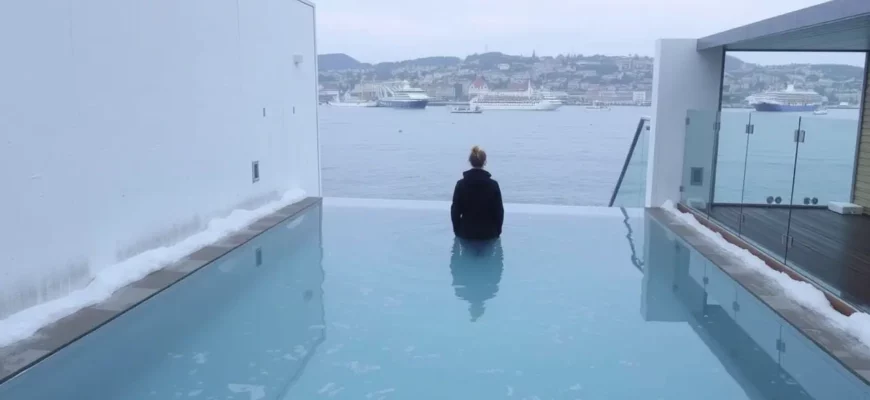
- Why Cold Plunging in Copenhagen is a Local Rite of Passage
- The Best Copenhagen Harbor Baths for Your First Dip
- The Nordic Connection: Finding the Chill in Helsinki, Stockholm, and Oslo
- Helsinki’s Avanto: The Finnish Art of Ice Swimming
- From Stockholm’s Archipelago to the Fjords of Oslo and Tromso
- Urban Ice: Navigating the Cold Water Scene in Munich and Berlin
- Munich’s Eisbach River: Not Just for Surfers
- Berlin’s Frozen Lakes: Finding Peace in the City
- Alpine Refreshment: Why Switzerland and Zurich Offer the Ultimate Cleanse
- The Crystal Waters of Lake Zurich and Beyond
- Western Europe’s Hidden Dips: Exploring France and the Netherlands
- Parisian Plunges and the French Atlantic Coast
- The Dutch Tradition: Canals and North Sea Dips
- From the East to the West: Tokyo’s Unique Cold Water Culture
- Tokyo’s Mizufuro: The Urban Sanctuary
- Expert Perspective: Safe Thermal Transitions
- Frequently Asked Questions
Why Cold Plunging in Copenhagen is a Local Rite of Passage
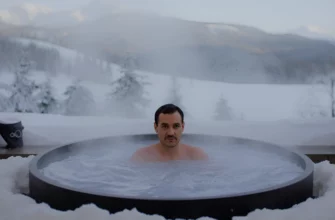
In the heart of the Danish capital, the concept of “Vinterbadning” transcends mere exercise; it is a foundational pillar of the city’s social fabric․ As the mercury drops and the Baltic winds sharpen, thousands of Copenhageners head to the waterfront, not despite the cold, but because of it․
The culture of Danish winter swimming is defined by a unique blend of stoicism and community․ Unlike the solitary experience often found in modern wellness retreats, Copenhagen’s harbor baths are hubs of collective resilience where the shared shock of the water fosters immediate bonds between strangers․
This practice is deeply rooted in the historical “Vinterbadeklubber” (winter swimming clubs), some of which boast waiting lists spanning several decades․ To understand the local obsession, one must look past the physical chill and recognize the mental clarity and communal warmth that follows a dip in the frigid harbor․
The Best Copenhagen Harbor Baths for Your First Dip
For those seeking the quintessential cold plunge Copenhagen experience, the district of Nordhavn offers Sandkaj․ This urban boardwalk provides year-round access to the harbor, featuring modern wooden jetties and integrated ladders that make entering the 2°C water manageable for novices․
Islands Brygge remains the most iconic location, where the harbor bath’s striking architectural design by Bjarke Ingels Group provides a safe, enclosed environment for winter swimming․ During the peak of January, the best time for ice swimming is often during the early morning hours when the water is calmest and the rising sun provides a visual distraction from the biting temperature․
While public access points are plentiful, joining a local club or booking a mobile sauna session is highly recommended․ These facilities provide the necessary infrastructure to manage your core temperature․ To ensure you know how to stay safe after a cold plunge, always prioritize immediate drying and find a sheltered spot out of the wind to begin your metabolic recovery․
Safety in Copenhagen’s waters is bolstered by the city’s rigorous water quality monitoring․ The “Blue Flag” status of the harbor ensures that even in the depths of winter, the water is clean and safe for immersion․ However, beginners should always swim with a partner and limit initial exposure to under sixty seconds to prevent the onset of hypothermic symptoms․
The Nordic Connection: Finding the Chill in Helsinki, Stockholm, and Oslo
The Nordic region represents the global epicenter of cold water immersion, with each capital city offering a distinct variation of the ice-and-fire ritual․ From the deep-rooted traditions of Finland to the dramatic seaside scenery of Norway, the North is where “winter bathing” reaches its most refined form․
In these latitudes, the practice is less about a fitness trend and more about a survival mechanism for the dark winter months․ The physiological benefits are treated as a secondary bonus to the primary goal of achieving a state of “Sisu”—the Finnish concept of extraordinary resilience and grit in the face of adversity․
| City | The Vibe | Typical Temp | Must-Visit Spot |
|---|---|---|---|
| Helsinki | Industrial-Chic & Traditional | -1°C to 2°C | Löyly or Allas Sea Pool |
| Stockholm | Archipelago Serenity | 1°C to 3°C | Hellasgården |
| Oslo | Urban Fjord Floating Saunas | 2°C to 4°C | SALT or KOK Oslofjord |
Helsinki’s Avanto: The Finnish Art of Ice Swimming
In Finland, the “Avanto” (a hole cut in the ice) is a sacred space․ The cold plunge Helsinki offers is inseparable from the Finnish sauna tradition, which dictates a rhythmic cycle of intense heat followed by immediate immersion in freezing water or snow․
Public saunas like Löyly, located on the edge of the Baltic, provide a high-end entry point for visitors․ The architectural masterpiece allows swimmers to descend a ladder directly into the sea after a session in a smoke sauna․ The key to the Finnish method is the “Löyly” (steam), which prepares the cardiovascular system for the sudden vasoconstriction caused by the ice-cold water․
For a more local experience, the Allas Sea Pool in the city center features a heated pool alongside a dedicated sea-water pool that remains at the ambient temperature of the harbor․ This contrast therapy is proven to stimulate the production of norepinephrine, providing a natural antidepressant effect that lasts for hours after the swim․
From Stockholm’s Archipelago to the Fjords of Oslo and Tromso
The cold plunge Stockholm experience is often found just outside the city center at Hellasgården․ This lakeside retreat is famous for its winter swimming facilities, where the ice is kept open by mechanical bubblers․ Always bring a pair of neoprene socks when visiting Hellasgården, as the walk from the sauna to the lake can be punishing on bare feet during a Swedish freeze․
Moving west to Norway, the cold plunge oslo scene has been revolutionized by floating saunas in the Oslofjord․ These vessels allow users to jump directly into the deep, salty waters of the fjord while looking back at the Opera House․ The salinity of the water in Oslo means it feels sharper on the skin than the brackish Baltic, intensifying the sensory experience of the plunge․
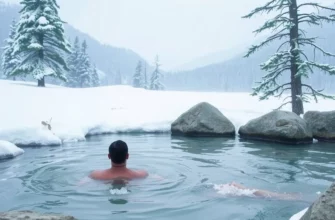
For those venturing further north, a cold plunge tromso session offers the chance to swim under the Aurora Borealis․ In the Arctic Circle, the water temperature rarely rises above 4°C, even in the summer․ Plunging here requires extreme caution due to the rapid onset of the “afterdrop” phenomenon, making the proximity of a heated changing room or sauna absolutely vital for safety․
Urban Ice: Navigating the Cold Water Scene in Munich and Berlin
Germany’s relationship with cold water is deeply tied to the “Eisschwimmen” movement and the country’s historic “Lebensreform” philosophy․ In cities like Munich and Berlin, the practice is often more rugged and nature-focused than the structured harbor baths of the Nordics․
The German approach emphasizes the community of “Seehunde” (seals)—hardy individuals who meet daily at sunrise to break the ice․ This scene is also heavily influenced by Freikörperkultur (FKK), the German nudist movement, which views the body’s direct contact with cold water and air as the purest form of health promotion․
Munich’s Eisbach River: Not Just for Surfers
The Eisbach, a man-made river flowing through the Englischer Garten, is famous for its standing wave, but it is also a premier destination for a cold plunge munich session․ Unlike a still lake, the Eisbach is a fast-flowing body of water, which significantly increases the rate of convective heat loss from the body․
A cold plunge münchen in the Eisbach requires specific safety protocols․ You must never plunge alone in the river, as the current can be deceptive, especially when your muscles begin to stiffen from the cold․ The most experienced locals recommend entering the water near the P1 terrace and exiting quickly before the current pulls you toward the more turbulent sections downstream․
The temperature of the Eisbach, fed by groundwater and the Isar river, can drop to 1°C in January․ Because of the movement, the water never truly freezes, but the wind-chill factor in the Englischer Garten can make the exit more challenging than the entry․ Always have a thick parka or a “dryrobe” waiting on the bank for an immediate transition․
Berlin’s Frozen Lakes: Finding Peace in the City
Berliners take to the surrounding lakes as soon as the first frost hits․ A cold plunge berlin experience is typically found at Plötzensee or Schlachtensee․ These lakes offer a serene, expansive environment that contrasts with the urban grit of the city․ The “Berliner Seehunde” club is the oldest in the city, and their organized Sunday swims are a spectacle of hats, gloves, and collective shivering․
Schlachtensee, located in the Grunewald forest, is particularly popular due to its exceptionally clear water․ In the winter, the community often clears a path through the ice․ When swimming in a frozen lake, never swim under the ice shelf; stay within the cleared area to ensure you have an immediate exit point if your breath control falters․
Alpine Refreshment: Why Switzerland and Zurich Offer the Ultimate Cleanse
Switzerland offers perhaps the most pristine cold water experiences in Europe․ The water quality in Swiss lakes is often high enough to be potable, and the backdrop of the Alps provides a meditative environment that enhances the psychological benefits of the plunge․
In Zurich, the tradition of winter bathing is centered around the “Badis”—historic bathhouses that line the lake and the Limmat river․ These facilities provide a structured environment for those who find wild swimming in the mountains too intimidating․
The Crystal Waters of Lake Zurich and Beyond
For a cold plunge switzerland experience, the See-Bad Enge in Zurich is the gold standard․ During the winter, this facility remains open for “Eisschwimmen,” offering a sauna and a sheltered area to enter the lake․ The water of Lake Zurich is remarkably soft, but the glacial melt-off keeps it incredibly cold well into the spring months․
A cold plunge zurich session is often touted by locals as a cure for everything from the common cold to chronic stress․ For those seeking a more “wild” cold plunge schweiz experience, the mountain lakes like Lake Brienz or Lake Cauma offer turquoise waters that remain frigid year-round․ However, the high altitude of these lakes can affect your oxygen saturation, making breath control during the initial cold shock even more critical․
- Do: Enter the water slowly and focus on long, controlled exhalations to suppress the gasp reflex․
- Do: Wear a wool hat; you lose a significant percentage of body heat through your head while submerged․
- Do: Bring a thermos of warm ginger tea or broth to sip immediately after dressing․
- Don’t: Dive headfirst into alpine water; the sudden temperature change can trigger cardiac arrhythmia in even healthy individuals․
- Don’t: Stay in longer than one minute for every degree Celsius of water temperature (e․g․, 4 minutes in 4°C water)․
- Don’t: Take a hot shower immediately after your plunge; this can cause blood to rush to the skin too quickly, leading to fainting․
Western Europe’s Hidden Dips: Exploring France and the Netherlands
While the Nordics and Germany are the traditional strongholds, Western Europe has seen a massive surge in cold water therapy․ In France and the Netherlands, the practice is evolving from a New Year’s Day stunt into a daily wellness habit for urban professionals․
The “Nieuwjaarsduik” in the Netherlands is the largest organized cold plunge event in the world, but the real growth is happening in the canals of Amsterdam and the coastal waters of Brittany, where the Atlantic provides a rugged, salty alternative to lake swimming․
Parisian Plunges and the French Atlantic Coast
Finding a cold plunge france location often leads travelers to the rugged coasts of Biarritz or Brittany․ The Atlantic Ocean offers a different challenge: the waves․ The mechanical action of the surf adds a layer of physical exertion to the cold exposure, which can help generate metabolic heat but also increases the risk of exhaustion․
In the capital, a cold plunge paris experience is more curated․ The Bassin de la Villette in the 19th arrondissement has become a focal point for urban swimmers․ While the water is treated, it remains at ambient winter temperatures․ Parisians often pair their dips with “sophrologie”, a French relaxation technique that emphasizes mental visualization to overcome the physical discomfort of the water․
The Dutch Tradition: Canals and North Sea Dips
The Netherlands is home to a unique cold plunge nederland culture centered around the North Sea․ Every January 1st, over 10,000 people descend on Scheveningen for a mass plunge․ Outside of this event, the “Zandvoort” beach is a popular spot for year-round swimmers who brave the grey, turbulent North Sea․
In Amsterdam, canal swimming has seen a resurgence, though it is strictly regulated for safety due to boat traffic and water quality․ Always check the local “Zwemwater” app before entering any Dutch canal or lake․ The Dutch approach is highly social, often ending with a bowl of “Erwtensoep” (thick pea soup) to jumpstart the warming process from the inside out․
From the East to the West: Tokyo’s Unique Cold Water Culture
Tokyo offers a completely different perspective on cold water․ Here, the practice is not about wild nature, but about the “Mizufuro”—the cold water bath found in every Sento (public bathhouse) and Onsen․ This is an urban sanctuary where the ritual is performed with surgical precision․
The Japanese approach is focused on the “Kenshin” (alternating heat and cold) protocol․ It is an essential part of the Sento experience, used to balance the nervous system and reset the body after a long day in the neon-lit metropolis․
Tokyo’s Mizufuro: The Urban Sanctuary
A cold plunge tokyo session typically follows a long soak in a 42°C hot bath․ The transition to the 15°C Mizufuro is designed to induce a state of “Totono-u”—a Japanese term for the specific feeling of being “centered” or “aligned” that occurs after contrast therapy․
Top-rated Sentos like Kogane-yu in Kinshicho or Fuku-no-yu in Bunkyo offer meticulously maintained cold baths․ Unlike the outdoor plunges in Europe, the temperature here is controlled, making it an excellent environment for learning how to reduce inflammation through consistent, controlled exposure․ The protocol usually involves 10 minutes of heat followed by 1-2 minutes of cold, repeated three times․
- Mistake 1: Not washing before entry․ In Japanese bathhouse culture, you must be meticulously clean before entering any shared water․
- Mistake 2: Holding your breath․ This increases internal pressure and can lead to lightheadedness․ Always focus on a steady “sighing” breath․
- Mistake 3: Jumping in․ Enter the Mizufuro slowly to allow your baroreceptors to adjust to the pressure change․
- Mistake 4: Staying in too long․ In a Sento, the goal is a “reset,” not an endurance test․ Two minutes is usually the maximum for therapeutic benefit․
- Mistake 5: Neglecting hydration․ The intense heat-cold cycle is dehydrating; always drink mineral water or ion drinks between sets․
Expert Perspective: Safe Thermal Transitions
In my professional experience working with thermal physiology, the most dangerous part of a cold plunge isn’t the water itself—it is the ten minutes immediately after you exit․ I always advise my clients to be wary of the “Afterdrop․” This occurs when the peripheral blood vessels dilate upon exiting the water, sending cold blood from your limbs back to your core, causing your internal temperature to continue falling even after you are dry․
I have found that the most common mistake is jumping into a hot shower to “thaw out․” This can cause a dangerous drop in blood pressure․ Instead, embrace the shiver response․ Shivering is your body’s most effective way of generating endogenous heat․ Pat yourself dry, put on loose wool layers, and move your body gently to encourage natural circulation․ The goal is a slow, steady return to homeostasis, not a thermal shock in the opposite direction․
Frequently Asked Questions
The most iconic spots are Sandkaj in the Nordhavn district and the Islands Brygge harbor bath, both offering clean water and excellent local community vibes․
Do I need special gear for an ice swimming session in Helsinki?
Yes, I highly recommend neoprene boots and gloves to protect your extremities from the “burning” sensation of the ice, along with a wool hat to prevent heat loss․
Is it legal to cold plunge in Munich’s rivers?
It is generally legal in designated areas of the Isar and the Eisbach, but you must be extremely cautious of the strong currents and submerged obstacles․
How long should a beginner stay in a cold plunge?
Beginners should aim for 30 to 60 seconds․ The goal is to overcome the initial “gasp reflex” and regain control of your breathing, not to test your endurance․
What are the main benefits of cold water therapy?
The primary benefits include significantly improved circulation, faster muscle recovery, a massive release of dopamine for mood enhancement, and better sleep quality through nervous system regulation․
Can I find cold plunge spots in Paris during the winter?
While rarer than in the Nordics, you can visit the Bassin de la Villette for urban swimming or check specific pools like Piscine Pailleron for cold-water sessions․