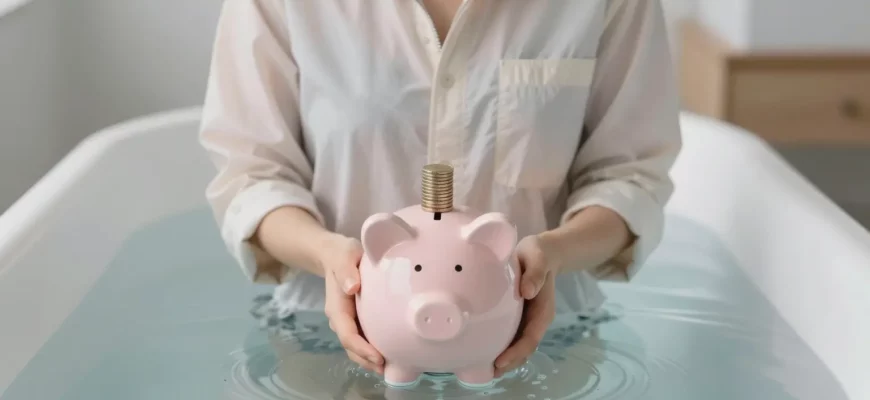
- Navigating the Rules: Can You Really Buy a Cold Plunge with HSA Funds?
- The Golden Ticket: Securing Your Letter of Medical Necessity
- HSA Eligibility Comparison: Cold Plunge vs. Standard Recovery Tools
- Beyond the Chill: How Cold Exposure Impacts Muscle Recovery and Lactic Acid
- The Lactic Acid Myth: What Actually Happens to Your Muscles?
- Metabolic Fire: The Truth About Fat Loss and Cold-Induced Thermogenesis
- Activating Brown Fat for Long-Term Metabolic Health
- Safety First: Understanding CAD Block and Nerve Responses
- Cold-Activated Depolarization: When the Chill Becomes a Risk
- The Detox Dilemma: Herx Reactions and Liver Support
- Managing the Cold Flu: What to Do if You Feel Sick After a Plunge
- Optimizing the Routine: Breathwork, Frequency, and Contrast Therapy
- Mastering the Breath: How to Control the Panic Response
- Critical Warnings: Why You Should Never Plunge While High
- Expert Perspective: Medical Reimbursement Strategy
- Frequently Asked Questions
Navigating the Rules: Can You Really Buy a Cold Plunge with HSA Funds?
Investing in a high-end cold plunge system represents a significant commitment to your long-term wellness and recovery architecture. While these units can cost several thousand dollars, many users overlook the fact that Health Savings Accounts (HSA) and Flexible Spending Accounts (FSA) can bridge the financial gap if managed correctly.
The Internal Revenue Service (IRS) typically views cryotherapy equipment as a dual-purpose item, meaning it serves both a general health purpose and a potential medical one. To qualify for reimbursement, the purchase must transition from a “luxury wellness tool” to a “medical necessity” in the eyes of tax regulators. This transition is not automatic and requires specific clinical documentation before you swipe your HSA debit card.
The Golden Ticket: Securing Your Letter of Medical Necessity
A Letter of Medical Necessity (LMN) is the foundational document required to justify the use of pre-tax dollars for specialized recovery equipment. This is not a simple doctor’s note; it is a formal prescription that links the equipment directly to the treatment of a diagnosed medical condition.
To be valid for an IRS audit, your LMN must include a specific diagnosis, such as chronic systemic inflammation, fibromyalgia, or clinical depression where cold therapy is a primary treatment modality. The document should explicitly state the duration of treatment and why a standard ice pack or cold shower is insufficient for the patient’s clinical needs.
When you schedule a consultation with your healthcare provider, come prepared with peer-reviewed data regarding how to use HSA for wellness effectively. Focus the conversation on your chronic symptoms rather than athletic performance. The IRS does not consider “faster marathon times” a medical necessity, but they do recognize the mitigation of chronic pain or the management of autoimmune flare-ups as valid reasons for specialized equipment.
HSA Eligibility Comparison: Cold Plunge vs. Standard Recovery Tools
Understanding the financial landscape of wellness investments requires a clear breakdown of what the IRS traditionally accepts; While a cold plunge offers superior thermal consistency, other tools have lower barriers to entry for reimbursement.
| Recovery Tool | Typical HSA Eligibility | Required Documentation | Average Cost Range |
|---|---|---|---|
| Cold Plunge System | Conditional (Dual-Purpose) | Formal LMN & Specific Diagnosis | $2,500 – $10,000 |
| Infrared Sauna | Conditional (Dual-Purpose) | Formal LMN & Specific Diagnosis | $3,000 – $8,000 |
| Standard Ice Packs | Always Eligible | None (Over-the-Counter) | $15 – $50 |
| Compression Boots | Rarely Eligible | Specific Vascular Diagnosis | $500 – $1,200 |
For those looking to maximize their benefits, searching for performance medicine specialists or sports doctors near me can help locate providers who understand the nuances of IRS medical expense rules. These specialists are often more familiar with the physiological benefits of cryotherapy and can provide the rigorous documentation required for high-ticket wellness investments.
Beyond the Chill: How Cold Exposure Impacts Muscle Recovery and Lactic Acid
There is a common misconception in the fitness world that jumping into freezing water “flushes” lactic acid out of the muscles like a squeegee on a windshield. This is a simplified myth that ignores the actual metabolic processes at play during and after intense physical exertion.
In reality, the body is remarkably efficient at clearing lactate on its own, usually returning to baseline levels within an hour of stopping exercise; The true value of cold water immersion lies in its ability to induce profound vasoconstriction, which limits the secondary tissue damage caused by excessive post-workout inflammation.
The Lactic Acid Myth: What Actually Happens to Your Muscles?
When you subject your body to temperatures below 55°F, your blood vessels constrict, pushing blood away from the extremities and toward your core. This process doesn’t necessarily “clear” metabolic waste faster, but it does reduce the permeability of capillary walls, which prevents inflammatory white blood cells from flooding the muscle tissue and causing delayed onset muscle soreness (DOMS).
Timing is the most critical factor when recovering after training. If your goal is pure hypertrophy (muscle growth), plunging immediately after a lifting session may actually blunt your gains by suppressed the very inflammatory signals needed for muscle repair. However, for endurance athletes or those in a multi-day competition phase, the reduction in muscle soreness relief provided by the cold is invaluable for maintaining performance across consecutive days.
Metabolic Fire: The Truth About Fat Loss and Cold-Induced Thermogenesis
The relationship between cold exposure and weight loss is often sensationalized, but the underlying science of non-shivering thermogenesis is grounded in hard biology. The primary driver of this metabolic boost is the activation of brown adipose tissue (BAT), often referred to as “liquid gold” for its high mitochondrial density.
Unlike white fat, which stores energy, brown fat burns energy to produce heat. Regular exposure to cold temperatures trains your body to upregulate the production of Uncoupling Protein 1 (UCP1), which allows your mitochondria to generate heat instead of ATP. This shift enhances metabolic flexibility, allowing the body to switch more efficiently between fuel sources.
Activating Brown Fat for Long-Term Metabolic Health
The secret to burning calories with cold isn’t just about the minutes spent in the water; it’s about the metabolic afterburn. When you exit the plunge, your body must work overtime to return to 98.6°F. This process is heavily mediated by norepinephrine, which can spike by 200-300% during a three-minute immersion.
This surge in norepinephrine does more than just wake you up; it acts as a chemical trigger for the recruitment of new brown fat cells. Over months of consistent practice, the metabolic benefits of ice baths become cumulative. You essentially remodel your adipose tissue profile, increasing your resting metabolic rate even when you aren’t in the water.
Safety First: Understanding CAD Block and Nerve Responses
While the benefits of cold therapy are vast, the physiological stress of extreme cold is not without risk. One of the most significant but least discussed dangers is Cold-Activated Depolarization (CAD) block. This occurs when the cold causes a failure in nerve conduction, effectively “short-circuiting” the signals between your brain and your muscles.
CAD block can manifest as a sudden loss of motor control or, in more severe cases, a disruption of the electrical signals that regulate your heart rhythm. This is why staying safe in cold water requires more than just mental toughness; it requires an understanding of your own biological limits.
Critical Red Flags: When to Exit the Water Immediately
- Loss of Manual Dexterity: If you cannot touch your pinky to your thumb, your peripheral nerves are beginning to fail.
- Chest Pain or Palpitations: This indicates the heart is struggling with the sudden increase in blood pressure.
- Slurred Speech or Confusion: These are early signs of core hypothermia and cognitive decline.
- Blue or White Patchy Skin: This suggests localized tissue freezing or severe ischemia.
Cold-Activated Depolarization: When the Chill Becomes a Risk
The nerve response to ice is a protective mechanism, but it can turn dangerous if you push past the point of numbness. When nerves reach a certain temperature, the sodium-potassium pump that facilitates electrical firing slows down. If this happens to the phrenic nerve, which controls your diaphragm, your ability to breathe could be compromised.
Individuals with pre-existing heart conditions or a history of arrhythmias must be extremely cautious. the sudden shock of cold water triggers the mammalian dive reflex, which simultaneously slows the heart rate while constricting blood vessels. This “clashing” of signals can put immense strain on the cardiovascular system, making medical clearance non-negotiable for high-risk populations.
The Detox Dilemma: Herx Reactions and Liver Support
A segment of the cold plunge community reports feeling flu-like symptoms after their first few sessions, a phenomenon sometimes called a “cold plunge herx.” While the cold doesn’t “squeeze” toxins out of the liver, the massive circulatory shift can mobilize metabolic byproducts and inflammatory markers that have been stagnant in the lymphatic system.
If you have a high toxic load or are dealing with chronic illness, the sudden rush of blood from the periphery to the internal organs can temporarily overwhelm your filtration pathways. This is not a “detox” in the traditional sense, but rather a systemic inflammatory response to a rapid change in internal pressure and circulation.
Managing the Cold Flu: What to Do if You Feel Sick After a Plunge
If you find yourself feeling tired after ice bath sessions, it is a sign that your nervous system or your lymphatic system is overtaxed. Hydration is the single most important factor in mitigating detox symptoms from cold. Water is required to process and excrete the metabolic waste that is mobilized during the plunge.
To support your body’s transition, consider light movement or lymphatic drainage exercises immediately after your session. This helps the blood return to the extremities gradually and prevents the “heavy” feeling that often accompanies a systemic Herxheimer-like response. Never use cold plunging as a primary detox method; it is a supplementary tool that must be balanced with adequate rest and nutrition.
Optimizing the Routine: Breathwork, Frequency, and Contrast Therapy
To get the most out of your wellness investment, you must treat the cold plunge as a skill to be mastered rather than a chore to be endured. The first 60 to 90 seconds are the most difficult, as the body enters a state of “cold shock.” Mastering your breathing techniques for cold is the only way to override the primitive “gasp reflex.”
A daily cold plunge routine does not need to be long to be effective. Research suggests that just 11 minutes of total cold exposure per week, divided into short sessions, is enough to trigger the desired metabolic and hormonal shifts.
Mastering the Breath: How to Control the Panic Response
The goal of breathwork in the water is to signal to your autonomic nervous system that you are safe. Avoid hyperventilation, which can lead to lightheadedness and increases the risk of passing out in the water. Instead, focus on a long, controlled exhale.
The “Box Breathing” method (4 seconds in, 4 hold, 4 out, 4 hold) is effective for many, but a simple 1:2 ratio (4 seconds in, 8 seconds out) is often better for suppressing the sympathetic “fight or flight” response. By extending the exhale, you stimulate the vagus nerve, which actively lowers your heart rate and allows you to settle into the chill.
- The Entrance: Step in decisively. Do not hesitate at the waist. Submerge up to the neck to trigger the full hormonal response.
- The First 30 Seconds: Focus exclusively on the exhale. Your body will want to take short, shallow breaths. Force a long, slow whistle through your lips.
- The Mettle Phase (Minute 1-2): Once your breath is under control, remain still. Moving creates a “thermal layer” break, making the water feel colder.
- The Exit: Move slowly. Your blood pressure may drop as you stand up. Dry off immediately but do not jump into a hot shower; let your body reheat naturally to maximize the metabolic burn.
Critical Warnings: Why You Should Never Plunge While High
There is a growing and dangerous trend of combining “bio-hacking” substances with cold therapy. Using cannabis, alcohol, or other substances before entering a cold plunge is extremely hazardous and can lead to fatal consequences. Substances impair your brain’s ability to accurately perceive temperature and coordinate the complex physiological responses needed to stay alive in freezing water;
Alcohol, specifically, is a vasodilator. It forces blood to the skin’s surface, which accelerates the loss of core body heat while simultaneously tricking you into feeling “warm.” This creates a perfect storm for rapid-onset hypothermia. Similarly, cannabis can interfere with the shivering response, which is your body’s primary defense against a dropping core temperature.
- DO: Plunge with a partner if you are testing new temperature lows.
- DON’T: Use any mind-altering substances within 6 hours of a plunge.
- DO: Keep your hands and feet out of the water if you find the pain unbearable; the core benefits remain the same.
- DON’T: Hyperventilate before getting in, as this can cause shallow-water blackout.
- DO: Listen to your body. If you feel a “sense of impending doom,” get out immediately.
Expert Perspective: Medical Reimbursement Strategy
In my professional experience working with both athletes and tax professionals, the biggest mistake people make is buying the equipment first and asking for the LMN second. I always advise my clients to secure their Letter of Medical Necessity and get written confirmation from their HSA provider before making a multi-thousand-dollar purchase. The IRS is increasingly scrutinizing “wellness” expenses. To protect yourself, maintain a log of your symptoms and how the cold plunge specifically alleviates them. This creates a “paper trail” of medical efficacy that is much harder for an auditor to dispute than a simple receipt from a wellness brand.
Frequently Asked Questions
No, it does not speed up the chemical clearance of lactate. However, it significantly reduces inflammation and perceived muscle soreness, which are the actual factors that hinder your performance the day after a hard workout.
Can I use my HSA for a cold plunge if I don’t have a chronic injury?
Generally, no. For a cold plunge to be HSA-eligible, a physician must diagnose you with a specific medical condition (like chronic pain or an autoimmune disorder) and prescribe the unit as a necessary treatment for that condition.
Is it safe to cold plunge every day?
Daily plunging is safe for most healthy individuals, but it can overtax the nervous system if overdone. A baseline of 11 minutes total per week is usually sufficient to achieve 90% of the metabolic and mood-boosting benefits.
What is a cold plunge Herx reaction?
It is a temporary “healing crisis” where the body’s inflammatory response to rapid circulatory shifts feels like a mild flu. It usually occurs in beginners or those with high systemic inflammation as the body adjusts to the intense thermal stress.
What are the risks of CAD block in cold water?
CAD block is a disruption of nerve signals caused by extreme cold. It can lead to sudden muscle weakness, loss of coordination, or dangerous heart rhythm changes, making it vital to monitor your limits and exit the water if you feel numb.
Why is it dangerous to cold plunge while high or intoxicated?
Substances impair your thermoregulation and dull your pain receptors. This makes it impossible for your brain to properly manage cold shock, drastically increasing the risk of drowning, heart failure, or severe hypothermia.