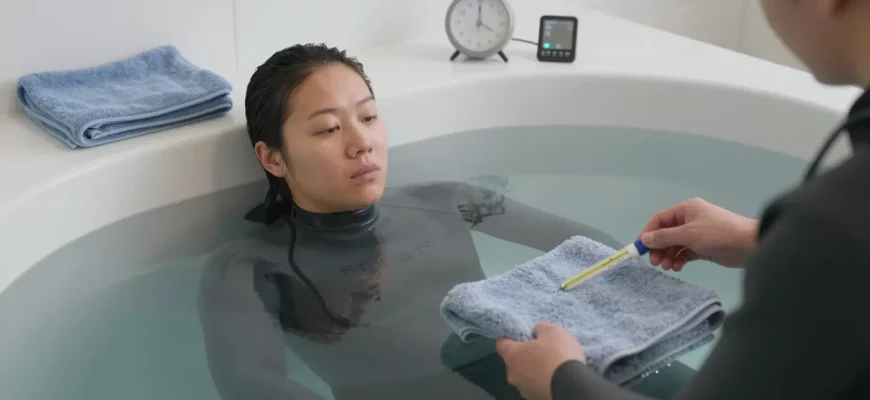
- Understanding the Relationship Between Cold Plunging and Raynauds Syndrome
- How Cold Water Triggers Vasoconstriction in Raynaud’s Patients
- Is Cold Exposure Safe for Raynaud’s and Autoimmune Conditions?
- Cold Plunging with Hashimoto’s and Thyroid Issues
- Managing Adrenal Fatigue and Cortisol Spikes
- Navigating Cold Water Therapy with Type 1 Diabetes
- How Cold Immersion Affects Blood Sugar and Insulin
- Specific Health Concerns: From Blood Clots to Post-Surgical Recovery
- Can Cold Plunging Lead to Blood Clots?
- Cold Plunging After a Vasectomy or for Prostate Health
- Digestive and Histamine Responses to the Ice Bath
- Why Cold Plunges Might Trigger a Bowel Movement
- Cold-Induced Histamine Release and Skin Reactions
- The Evolution of Cold Immersion: From Ancient History to Modern Sweden
- A Brief History of Cold Plunges Across Cultures
- Cold Plunging in Modern Sweden and Cultural Integration
- Essential Safety Checklist for Raynauds and Autoimmune Plungers
- Protective Gear: Booties and Gloves for Raynauds
- Expert Perspective: Gradual Adaptation and Vascular Safety
- Frequently Asked Questions
Understanding the Relationship Between Cold Plunging and Raynauds Syndrome
Cold water immersion has surged in popularity as a tool for resilience, but for those living with Raynaud’s, the experience is fundamentally different․ While a healthy individual experiences a standard “cold shock,” a person with Raynaud’s undergoes a hyper-reactive vascular event that can be both painful and potentially damaging to the skin tissues․
The primary concern is not the cold itself, but the body’s disproportionate response to it․ Understanding this physiological “misfire” is the first step in determining whether you can safely participate in ice baths or if you should stick to more temperate recovery methods․
How Cold Water Triggers Vasoconstriction in Raynaud’s Patients
When most people enter an ice bath, their blood vessels narrow—a process called vasoconstriction—to keep heat at the core․ In a person with Raynaud’s, this process goes into overdrive, causing the small arteries that supply blood to the skin to narrow excessively․ This is often referred to as a vasospasm, which effectively shuts down blood flow to the fingers, toes, and sometimes the nose or ears․
During a typical cold plunge, the body reacts to ice water by releasing norepinephrine, which signals the vessels to constrict․ For those with Raynaud’s, the alpha-2 adrenergic receptors in the blood vessels are hypersensitive․ If your fingers turn stark white, then blue, and finally red upon rewarming, you are witnessing a classic Raynaud’s attack, which is the body’s way of over-protecting itself from perceived thermal threats․
Is Cold Exposure Safe for Raynaud’s and Autoimmune Conditions?
The safety of cold therapy for autoimmune patients hinges on the concept of hormetic stress․ This is the idea that a small amount of stress can make the body stronger, but for those with compromised systems, the “dose” makes the poison․ We must distinguish between a healthy systemic challenge and a stressful event that triggers a flare-up of underlying symptoms․
| Response Category | Standard Physiological Response | Raynaud’s/Autoimmune Response |
|---|---|---|
| Vascular Action | Controlled narrowing followed by a healthy “glow” (vasodilation) upon exit․ | Prolonged vasospasm; digits may remain white or blue for 20+ minutes after exiting․ |
| Nervous System | Short-term sympathetic spike followed by deep parasympathetic relaxation․ | Potential for sustained “fight or flight” response, leading to extreme fatigue․ |
| Tissue Impact | Increased oxygenation and reduced inflammation in muscle tissues․ | Risk of localized ischemia (lack of oxygen) in the extremities․ |
Cold Plunging with Hashimoto’s and Thyroid Issues
Hashimoto’s thyroiditis affects how the body manages its internal thermostat․ Because the thyroid is the master regulator of metabolism and heat production, people with hypothyroidism often feel “cold to the bone” even in mild temperatures․ Immersing a hypothyroid body in ice water can place an immense burden on the endocrine system, as it struggles to generate enough heat to compensate for the rapid loss․
If you are managing Hashimoto’s, the cold plunge could potentially suppress thyroid function further by spiking cortisol, which inhibits the conversion of T4 to the active T3 hormone․ It is vital to monitor your basal body temperature the morning after a plunge; if it remains lower than usual, your system may not be recovering from the thermal stress efficiently․
Managing Adrenal Fatigue and Cortisol Spikes
The “cold shock” response is essentially a massive dump of adrenaline and cortisol․ For someone with adrenal exhaustion, this isn’t a refreshing wake-up call; it’s a withdrawal from a nearly empty bank account․ If you find yourself feeling “wired but tired” or experiencing a “crash” hours after a plunge, your adrenals may be struggling to keep up with the demand․
The stress response in cold water is intense․ For those with high baseline stress, limit sessions to 60 seconds at a slightly higher temperature (55°F/13°C) to avoid overtaxing the hypothalamic-pituitary-adrenal (HPA) axis․ Pushing through the shivers is not always a sign of mental toughness; sometimes, it is a sign of physiological overreach․
Navigating Cold Water Therapy with Type 1 Diabetes
Type 1 Diabetes adds a layer of complexity to metabolic therapies like cold plunging․ Cold exposure forces the body to burn glucose rapidly through shivering thermogenesis and the activation of brown adipose tissue (BAT)․ While this can improve insulin sensitivity over time, the immediate effect can be a sharp drop in blood glucose levels․
- DO: Check your blood sugar immediately before and after the plunge to understand your personal “glucose curve” in response to cold․
- DO: Have a fast-acting glucose source nearby, as the “afterdrop” (when cold blood from the limbs returns to the core) can cause a secondary dip in sugar․
- DON’T: Plunge alone if you are prone to hypoglycemia, as the initial cold shock can mask the early warning signs of low blood sugar․
- DON’T: Use an insulin pump or CGM in the water unless the manufacturer explicitly states it can withstand freezing temperatures and high-pressure immersion․
How Cold Immersion Affects Blood Sugar and Insulin
The shivering process is one of the most effective ways the body consumes glucose without requiring high levels of insulin․ For Type 1 Diabetics, this means that a 3-minute plunge can act like a short, high-intensity workout․ Be aware that the glucose-lowering effects of a cold plunge can last for several hours as the body works to restore its glycogen stores and maintain core temperature․
Furthermore, the vasoconstriction caused by the ice can change the absorption rate of insulin if it was recently injected into an area like the thigh or abdomen․ Avoid injecting insulin into “large muscle groups” right before a plunge, as the shifting blood flow can make the timing of the insulin peak unpredictable․
Specific Health Concerns: From Blood Clots to Post-Surgical Recovery
Beyond autoimmune and metabolic issues, cold water immersion impacts the physical properties of our blood and the healing of sensitive tissues․ It is a powerful hemodynamic tool, meaning it physically moves blood around the body, which carries specific risks for those with cardiovascular histories or recent surgeries․
Can Cold Plunging Lead to Blood Clots?
Cold water causes the blood to become more viscous, or “thicker,” as a natural response to the drop in temperature․ For the average healthy person, this is temporary and harmless․ However, for individuals with a history of Deep Vein Thrombosis (DVT) or those taking certain medications, this increased viscosity combined with intense vasoconstriction could theoretically increase the risk of a clot․
The sudden spike in blood pressure that occurs when you first hit the water is also a factor․ Anyone with uncontrolled hypertension or a known heart arrhythmia should seek medical clearance before attempting an ice bath․ Safety in the water is about blood flow regulation, not just “toughing it out․”
Cold Plunging After a Vasectomy or for Prostate Health
Post-surgical recovery requires a delicate balance of blood flow to bring in nutrients and the removal of inflammatory waste․ After a vasectomy, localized icing is standard, but full-body immersion in freezing water can be too aggressive․ Wait until the surgical incision is fully closed and you have cleared the 2-week mark to avoid the risk of infection or “cold-induced shock” to the sensitive pelvic floor muscles․
Regarding prostate health, some believe that cold therapy can reduce inflammation in the pelvic region․ However, extreme cold can also cause the pelvic floor to tighten or spasm․ If you suffer from chronic prostatitis or pelvic pain, gradual cooling is better than an icy shock to ensure you are relaxing the muscles rather than causing them to seize up in a protective reflex․
Digestive and Histamine Responses to the Ice Bath
The human body’s reaction to cold is holistic, meaning it doesn’t just stop at the skin or muscles․ The internal organs, specifically the digestive tract, and the immune system’s histamine response are both deeply affected by the sudden shift in environment․
Myth: Cold plunging is a “cure” for histamine intolerance and MCAS․
Fact: For many, the physical stress of cold exposure actually triggers a mast cell response, causing the release of histamine․ This can lead to “cold urticaria,” where the skin breaks out in hives or itchy welts․
Why Cold Plunges Might Trigger a Bowel Movement
If you feel an urgent need to visit the restroom after a plunge, you are experiencing the power of the vagus nerve․ The cold shock initially triggers the sympathetic nervous system, but as you breathe through it and exit the water, the body often over-corrects into a deep parasympathetic state․ This “rest and digest” mode stimulates peristalsis, the muscular contractions that move waste through the colon․
This is also linked to the “mammalian dive reflex;” When your face or body hits cold water, the body prioritizes blood flow to the brain and heart, often “shunting” blood away from the digestive organs․ Once you exit and rewarm, the sudden rush of blood back to the gut can stimulate a quick digestive clearance․
Cold-Induced Histamine Release and Skin Reactions
Redness after a cold plunge is normal—it’s called “reactive hyperemia,” and it’s a sign that fresh blood is rushing back to the skin․ However, if the redness is accompanied by raised bumps, intense itching, or swelling, you may have a histamine sensitivity․ The body perceives the extreme cold as an allergen or injury, prompting mast cells to dump histamine into the bloodstream․
For those with Mast Cell Activation Syndrome (MCAS), cold plunging should be approached with extreme caution․ Always perform a “patch test” by holding an ice cube to your inner wrist for two minutes․ If a welt forms, full-body immersion could lead to a systemic histamine reaction, which may include dizziness or difficulty breathing․
The Evolution of Cold Immersion: From Ancient History to Modern Sweden
The practice of intentional cold exposure is not a modern “biohacking” fad; it is a cultural cornerstone that spans millennia․ From the frigid waters of the Roman “frigidarium” to the Japanese Shinto practice of “Misogi,” humans have long recognized that the cold has a way of clarifying the mind and tempering the body․
In Scandinavia, winter swimming is a way of life․ It is not viewed as a “hack,” but as a social and communal activity that bridges the gap between the harsh environment and human resilience․ This tradition has evolved to become inclusive of the diverse populations that now call these regions home․
A Brief History of Cold Plunges Across Cultures
Ancient civilizations used cold water primarily for its invigorating effects on the spirit․ The Romans followed their hot baths with a dip in the cold pool to “close the pores” and sharpen the senses․ In the 1800s, Vincenz Priessnitz and Sebastian Kneipp popularized “hydrotherapy” in Europe, using cold water wraps and baths to treat everything from infections to nervous exhaustion․ The transition from survival to wellness is a testament to the human ability to find strength in adversity;
Cold Plunging in Modern Sweden and Cultural Integration
In Sweden, the “vinterbad” (winter bath) is often paired with a sauna session․ This “contrast therapy” is a staple of Swedish health culture․ Interestingly, this tradition has become a point of cultural integration․ Muslims living in Sweden have increasingly embraced the winter swimming culture, often finding that it aligns with Islamic principles of hygiene, discipline, and the appreciation of nature;
In cities like Malmö, you will see a diverse cross-section of society at the “kallbadhus” (cold bath house)․ This shared experience of the cold acts as a social equalizer․ The physical challenge of the ice water transcends language and cultural barriers, creating a unique sense of community belonging through shared hormetic stress․
Essential Safety Checklist for Raynauds and Autoimmune Plungers
If you have Raynaud’s or an autoimmune condition and still want to reap the benefits of cold therapy, you must move away from the “all or nothing” mentality․ Safety in this context means mitigation and management․ You are not trying to “beat” the cold; you are trying to dance with it without getting burned—or in this case, frostbitten․
- Start with “Cool” Instead of “Ice”: Begin at 60°F (15°C) and only drop the temperature by 1-2 degrees each week as your body adapts․
- Limit Duration: For Raynaud’s sufferers, two minutes is often the “sweet spot” where you get the neurological benefits without triggering a severe vascular shutdown․
- Focus on Breath: Use slow, nasal exhales to signal to your nervous system that you are safe, which can help dampen the over-reactive vasoconstriction․
- Have a Rewarming Plan: Have a dry robe, wool socks, and a warm (not hot) drink ready immediately․ Avoid hot showers for at least 30 minutes after a plunge to prevent “afterdrop” dizziness․
Protective Gear: Booties and Gloves for Raynauds
The most effective way to plunge with Raynaud’s is to “cheat” the extremities․ Since the vasospasms occur primarily in the hands and feet, keeping these areas protected allows you to get the systemic benefits of the cold on your core and vagus nerve without risking the digits․ Neoprene booties and gloves are essential tools for anyone with vascular sensitivity․
By wearing 3mm or 5mm neoprene gear, you maintain a thin layer of trapped, slightly warmer water against your skin․ This prevents the “trigger” temperature from being reached in your fingers and toes․ Protecting your extremities is not “cheating”; it is a smart medical intervention that allows you to stay in the water long enough to stimulate the vagus nerve and reduce systemic inflammation․
Expert Perspective: Gradual Adaptation and Vascular Safety
In my professional experience, the biggest mistake Raynaud’s and autoimmune patients make is trying to follow the “Wim Hof” protocols designed for healthy metabolic baselines․ For a Raynaud’s sufferer, the goal isn’t to see how long you can last; it’s to train your blood vessels to stay open just a fraction of a second longer each time․ I always advise my clients to focus on the “minimum effective dose․” If you can achieve a mood lift and reduced inflammation at 55 degrees with gloves on, there is no reason to push to 34 degrees and risk tissue ischemia․ Always prioritize the integrity of your vascular system over the temperature on the thermometer․
Frequently Asked Questions
No, it is not a cure․ While some find that very gradual cold adaptation helps their tolerance over months, for many, it remains a trigger for painful vasospasms․ Always consult a rheumatologist before starting․
Is it safe to cold plunge if I have Hashimoto’s?
It depends on your current thyroid stability․ Cold plunging can stress the adrenals and thyroid, so it should be approached with caution, at higher temperatures, and only if your T3/T4 levels are well-managed․
What should I do if my fingers turn white during a cold plunge?
Exit the water immediately and warm the area gradually․ Do not use hot water; use lukewarm water, armpit heat, or gentle movement to restore circulation safely without causing tissue damage․
How long should a diabetic stay in a cold plunge?
Start very short—under 2 minutes․ Always check blood sugar levels before and after, as the metabolic demand of shivering can cause significant and sudden glucose fluctuations․
Why do I feel the urge to go to the bathroom after a cold plunge?
This is caused by the activation of the parasympathetic nervous system via the vagus nerve․ Once you exit the cold, the body shifts into “rest and digest” mode, which stimulates the digestive tract․
Are there risks of blood clots with ice baths?
Cold water increases blood viscosity and blood pressure․ People with a history of DVT, cardiovascular issues, or those on blood thinners should avoid cold plunging without specific medical clearance․