- The Science of Sleep: Is Cold Plunge Before Bed Good for Your Rest?
- Timing Your Dip: How Long Before Sleep Should You Plunge?
- Morning vs. Night: Choosing the Right Time for Your Routine
- Morning Energy Boost vs. Evening Wind-Down
- The Daily Habit: Can You Cold Plunge Everyday Safely?
- Building Resilience Without Burning Out
- Special Considerations: Plunging During Illness or Menstruation
- Is it Safe to Plunge While on Your Period?
- Temperature and Equipment: Getting the Most Out of the Cold
- Does a Cold Shower Count as a Cold Plunge?
- Logistics and Setup: HSA Eligibility and Home Practice
- Can You Use HSA Funds for a Cold Plunge?
- Step-by-Step: Your Ideal Nighttime Cold Plunge Routine
- Expert Perspective: Circadian Cold Exposure
- Frequently Asked Questions
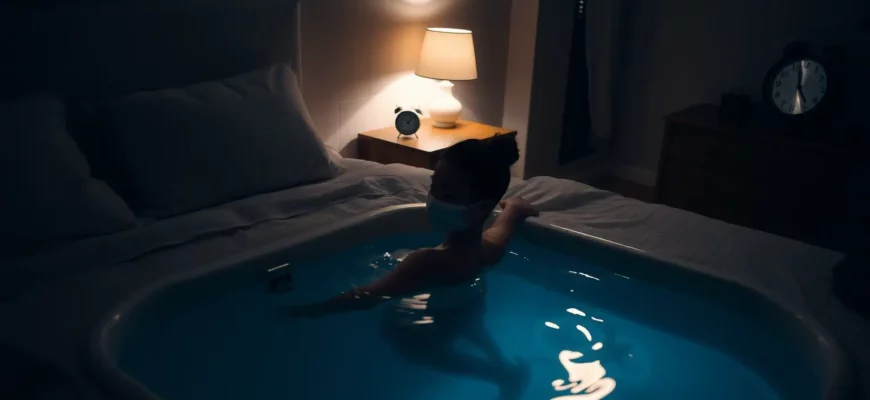
The Science of Sleep: Is Cold Plunge Before Bed Good for Your Rest?
The relationship between cold exposure and sleep is governed by the body’s internal thermostat, known as the circadian rhythm. While many associate ice baths with a morning “wake-up call,” the physiological shift that occurs after exiting the water can actually serve as a powerful sedative.
Your body naturally begins to shed heat in the evening to prepare for sleep, reaching its lowest temperature in the early morning hours. By utilizing a cold plunge, you effectively accelerate this cooling process, signaling to your brain that it is time to transition into a state of deep rest.
However, the initial shock of the water triggers a significant release of norepinephrine and cortisol. These hormones are designed for alertness, which is why the timing of your immersion is the single most important factor in determining whether you will wake up refreshed or spend the night tossing and turning.
Timing Your Dip: How Long Before Sleep Should You Plunge?
To achieve better sleep quality, you should aim to finish your cold exposure session roughly one to three hours before your head hits the pillow. This specific window allows the initial spike in heart rate and adrenaline to subside while capitalizing on the subsequent drop in core temperature.
If you plunge immediately before lying down, your body may still be in a state of “thermogenic rebound.” This is the process where your metabolism ramps up to defend your internal temperature, potentially leaving you feeling physically hot and mentally wired under the covers. By giving yourself a two-hour buffer, you ensure that the lowering body temperature coincides perfectly with your natural melatonin production.
Morning vs. Night: Choosing the Right Time for Your Routine
Deciding when to submerge depends largely on your primary health goals, whether they are focused on cognitive performance or physical recovery. A morning session is essentially a biological “jumpstart,” while an evening session is a calculated tool for nervous system regulation.
Morning plunges take advantage of the natural cortisol rise, amplifying your focus and mood for the entire day. Conversely, evening plunges focus on “down-regulating” the nervous system, provided the exposure is brief enough to avoid over-stimulating the adrenal glands.
| Feature | Morning Plunge | Evening Plunge |
|---|---|---|
| Primary Benefit | High dopamine and long-term alertness. | Physical recovery and parasympathetic activation. |
| Hormonal Impact | Optimizes the natural cortisol awakening response. | Triggers a rapid cooling cycle for sleep onset. |
| Water Temp | Colder (39°F ⏤ 45°F) for maximum shock. | Moderate (50°F ⎻ 55°F) for relaxation. |
| Best For | Combating brain fog and procrastination. | Deep tissue recovery and lowering stress. |
Morning Energy Boost vs. Evening Wind-Down
The daily cold plunge benefits change based on the sun’s position. In the morning, the goal is the “cold shock response,” which can increase dopamine levels by up to 250% for several hours. This is why many high-performers swear by it as a replacement for their morning caffeine.
When considering if a cold plunge is better in the morning or at night, consider your stress levels. An evening session focuses on vagus nerve stimulation. This cranial nerve is a key player in the parasympathetic nervous system; a brief cold stimulus to the neck and chest area can help “reset” your heart rate variability (HRV), making it easier to enter a calm, meditative state before bed.
The Daily Habit: Can You Cold Plunge Everyday Safely?
Consistency is the bedrock of cold habituation, but more is not always better. The concept of “hormesis” suggests that a stressor is beneficial only when the body has the resources to recover from it; otherwise, it becomes a chronic burden on your endocrine system.
Most practitioners find that a daily routine builds significant mental resilience and metabolic flexibility. However, if you find yourself feeling lethargic, experiencing “cold bones” (a deep chill that won’t go away), or noticing a decline in your sleep quality, it may be a sign of systemic overtraining.
- DO: Listen to your heart rate variability (HRV) trends; a sharp drop means you should take a rest day.
- DO: Focus on “minimum effective dose” (roughly 11 minutes total per week).
- DON’T: Plunge for longer than 5-10 minutes if your goal is daily consistency.
- DON’T: Use the cold as a way to “punish” yourself after a hard workout if you are already exhausted.
- DO: End on “cold” if you want to boost metabolism, or “warm” (with a shower) if you are plunging for sleep.
Building Resilience Without Burning Out
When asking should you cold plunge daily, the answer depends on your total “stress bucket.” If you are under high pressure at work or training for a marathon, a can you do a cold plunge everyday approach might actually hinder your progress by keeping your cortisol levels chronically elevated.
True resilience is built when you challenge the body and then provide the safety of warmth and rest. For many, a 4-5 day per week schedule provides the perfect balance of metabolic stimulation without the risk of burning out the adrenal system.
Special Considerations: Plunging During Illness or Menstruation
There are times when the body’s defensive resources are better spent elsewhere. Cold immersion is a form of “voluntary stress,” and during specific biological windows, this stress can be counterproductive to healing and hormonal balance.
When the immune system is actively fighting a pathogen, the body naturally raises its temperature (fever) to kill off the virus or bacteria. Forcing the body to cool down during this time can interfere with the natural immune response and prolong the duration of your illness.
Is it Safe to Plunge While on Your Period?
The decision to plunge with a cold is usually a hard “no,” but cold plunge while on your period is a much more nuanced topic. During the menstrual phase, many women experience systemic inflammation and cramping. The cold acts as a powerful anti-inflammatory, which can significantly reduce pelvic discomfort for some.
However, during the luteal phase (the week before your period), your core body temperature is naturally higher and your sensitivity to cold increases. You may find that the water feels significantly more painful or that your body takes much longer to rewarm. Listening to these sensory cues is vital for maintaining hormonal health.
Temperature and Equipment: Getting the Most Out of the Cold
A common misconception in the biohacking community is that a lower temperature always yields better results. In reality, the “Goldilocks zone” for cold thermogenesis is generally between 45°F and 55°F. Dropping into near-freezing water increases the risk of “afterdrop,” a dangerous condition where cold blood from the extremities rushes back to the core.
The effectiveness of your session is also determined by “hydrostatic pressure.” This is the pressure water exerts on your body, which aids in lymphatic drainage and blood flow. This is a primary reason why a still tub of water often feels much “colder” and more effective than a moving stream of water from a showerhead.
Myth: You need a $5,000 chiller unit to see any health benefits.
Fact: A simple chest freezer or a stock tank filled with ice provides the same physiological benefits as high-end equipment, provided you can maintain the temperature.
Myth: Cold showers are the same as full immersion.
Fact: Because air gaps exist in a shower, you do not achieve the same level of thermal conductivity or hydrostatic pressure found in a full plunge.
Does a Cold Shower Count as a Cold Plunge?
When comparing cold shower vs cold plunge, the plunge is the clear winner for metabolic and recovery benefits. A shower is a great “gateway” to cold exposure, but it lacks the ability to trigger the full mammalian dive reflex, which is what slows the heart rate and activates the vagus nerve.
If you are wondering is colder better for cold plunge, the answer is no. Once you have triggered the initial “gasp” response and calmed your breathing, the physiological benefits plateau. Spending 3 minutes at 50°F is often more beneficial for sleep than spending 30 seconds at 38°F, as the former allows for a more controlled transition into the parasympathetic state.
Logistics and Setup: HSA Eligibility and Home Practice
Setting up a home practice has become increasingly accessible. For those using the cold for legitimate medical reasons—such as treating chronic inflammation, fibromyalgia, or clinical depression—there may be financial avenues to offset the cost of high-quality tubs.
The IRS allows the use of Health Savings Account (HSA) or Flexible Spending Account (FSA) funds for certain pieces of equipment if they are deemed a “medical necessity.” This requires a specific paper trail, but it can make the transition to a daily home practice much more affordable.
Can You Use HSA Funds for a Cold Plunge?
To use hsa for cold plunge equipment, you must obtain a Letter of Medical Necessity (LMN) from a licensed physician. This letter must state that the cold plunge is being used to treat a specific diagnosis. Common conditions that qualify include arthritis, chronic pain syndromes, or certain circulatory disorders.
When designing your home cold plunge setup, consider the proximity to your bedroom if you plan on doing nighttime sessions. Having a “warm-up station” nearby with a robe and a warm beverage is essential for ensuring that you don’t stay in a shivering state for too long before trying to sleep.
Step-by-Step: Your Ideal Nighttime Cold Plunge Routine
To turn a cold shock into a sleep aid, you must follow a structured protocol that emphasizes the “rewarm” phase. The goal is to avoid a massive spike in metabolic activity that would keep you awake.
A successful nighttime routine is about how to stay safe after a cold plunge while ensuring your body doesn’t enter a state of “afterdrop” where your core temperature continues to plummet after you’ve exited the water.
The Preparation: Set your water temperature between 50°F and 55°F. This is cool enough to trigger a response but warm enough to prevent extreme shivering.
The Entry: Submerge up to your neck. Focus on a long, slow exhale to signal to your brain that you are safe.
The Duration: Stay in for 2 to 5 minutes. You want to reach the point where the water feels “warm” or your skin feels slightly numb, but exit before you start to shiver uncontrollably.
The Passive Rewarm: Gently pat yourself dry. Do not take a hot shower immediately, as this can cause a rapid drop in blood pressure. Instead, put on warm, loose-fitting clothes.
The Final Wind-Down: Sip an herbal, non-caffeinated tea and dim the lights. This nighttime recovery routine ensures your body returns to its baseline temperature naturally.
Expert Perspective: Circadian Cold Exposure
In my professional experience, the biggest mistake people make with evening cold plunges is staying in too long. I always advise my clients that for sleep optimization, the goal is “thermal signaling,” not “metabolic crushing.” If you are still shivering 30 minutes after your plunge, you have stayed in too long and likely spiked your cortisol too high for restorative sleep. I have found that a 3-minute dip followed by a passive rewarm in a heavy linen robe is the sweet spot for increasing deep sleep markers on wearable tech.
Frequently Asked Questions
Yes, daily plunging is generally safe for healthy individuals, but always monitor for signs of adrenal fatigue or persistent lethargy, which suggest you need a rest day.
Can I cold plunge while on my period?
Yes, many find it helpful for reducing inflammation, though you should avoid it during the luteal phase if you find yourself becoming overly sensitive to the cold.
How long should I wait to sleep after a cold plunge?
You should wait between 1 and 2 hours before bed to allow your heart rate to stabilize and your internal temperature to reach the ideal “sleep dip.”
Is a cold shower as effective as a cold plunge?
No, because a shower lacks hydrostatic pressure and full thermal conductivity, making it less effective for deep recovery and nervous system regulation.
Should I cold plunge if I have a cold or flu?
No, you should prioritize rest and warmth when sick, as the stress of cold exposure can tax an already burdened immune system.
Can I use my HSA or FSA to buy a cold plunge tub?
Yes, provided you obtain a Letter of Medical Necessity from your doctor stating the plunge is for treating a specific medical condition.