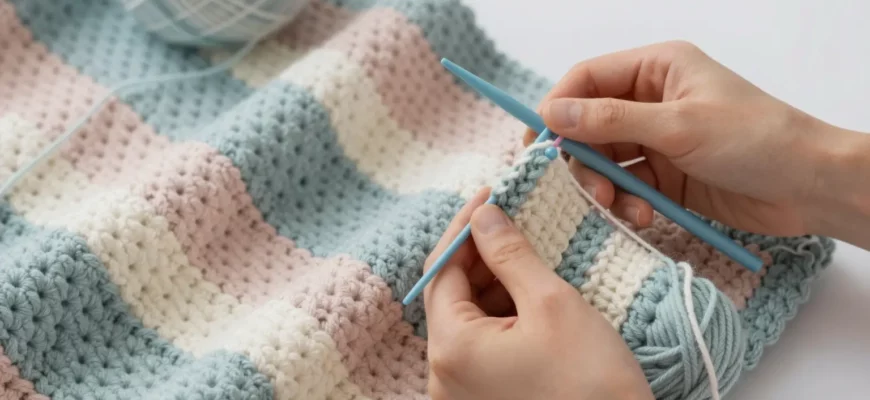
- Why a 3 Weight Yarn Crochet Blanket is the Perfect Choice for All Seasons
- The Delicate Balance of Crochet Baby Blankets with 3 Weight Yarn
- Mastering the Classic: Crochet Blankets with 4 Weight Worsted Yarn
- Best Patterns for Medium Weight and Worsted Textures
- Going Big: Bulky and Super Bulky Yarns for Quick-Finish Blankets
- Using a 19mm Hook for Weight 6 Chunky Yarn Patterns
- The Science of the Weighted Blanket: Best Heavy Yarn Options
- Specialty Textures: Sport Weight and Chenille Blankets
- Creating Softness with Bernat Baby Blanket Tiny Yarn Weight
- Essential Checklist: Before You Start Your Blanket
- Can You Mix Different Yarn Weights in One Blanket?
- Managing Tension in a Multi-Weight Scrap Project
- Common Mistakes When Choosing Blanket Yarn
- Expert Perspective: The Drape Test
- Frequently Asked Questions
Why a 3 Weight Yarn Crochet Blanket is the Perfect Choice for All Seasons
Selecting a 3 weight yarn for your next crochet project offers a level of sophistication and versatility that heavier fibers simply cannot match. Often categorized as DK (Double Knitting) or Light Worsted‚ this yarn thickness strikes a balance between the delicate nature of lace and the sturdy reliability of traditional blanket yarns.
Because these fibers are thinner‚ they allow for a much more refined drape and movement. A 3 weight yarn crochet blanket won’t feel like a heavy rug sitting on your lap; instead‚ it flows over the body‚ making it an elite choice for garments and decorative throws that need to look as good as they feel.
The Delicate Balance of Crochet Baby Blankets with 3 Weight Yarn
When you are crafting for the newest members of the family‚ the physical weight of the finished piece is a safety and comfort priority. Using a crochet baby blanket baby weight yarn ensures that the fabric remains breathable‚ reducing the risk of overheating during spring or summer months.
Intricate patterns‚ such as the feather and fan stitch or complex shells‚ thrive when worked with thinner strands. The stitch definition remains crisp and clear‚ allowing the artistry of your hook work to stand out rather than being buried in the fuzz of a thicker fiber. If you are looking for a reliable option‚ a lightweight Bernat baby blanket yarn provides that signature cloud-like softness without the overwhelming bulk of a category 6 alternative.
Working a baby blanket with light weight yarn also means the finished gift is easier for parents to pack into a diaper bag. While a chunky blanket is great for floor play‚ a 3-weight heirloom piece is the one that stays with the child from the car seat to the stroller because of its unmatched portability and gentle texture.
| Weight Category | Common Names | Recommended Hook Sizes | Best Use Case |
|---|---|---|---|
| 3 ー Light | DK‚ Light Worsted‚ 8-Ply | 3.75mm to 4.5mm (F to G) | Baby blankets‚ lightweight shawls‚ summer throws. |
| 4 ー Medium | Worsted‚ Aran‚ Afghan | 4.5mm to 5.5mm (G to I) | Standard bed blankets‚ beginner projects‚ home decor. |
| 5 ー Bulky | Chunky‚ Craft‚ Rug | 6.0mm to 8.0mm (J to L) | Quick-stitch throws‚ winter weighted blankets. |
| 6 ー Super Bulky | Super Chunky‚ Roving | 9.0mm to 15mm (M to P/Q) | Arm knitting‚ giant stitch textures‚ high-speed gifts. |
Mastering the Classic: Crochet Blankets with 4 Weight Worsted Yarn
If there is a “gold standard” in the fiber arts world‚ it is undoubtedly the category 4 worsted weight yarn. This medium thickness is the most widely available and offers a massive library of patterns‚ making it the essential starting point for any beginner who wants to see quick progress without losing the classic “knit-look” texture.
The versatility of a crochet blanket with medium weight yarn cannot be overstated. It is heavy enough to provide warmth during a cold winter night but light enough that a queen-sized blanket won’t become an immovable object. It is the practical choice for everyday use‚ surviving multiple trips through the washing machine while maintaining its structural integrity.
Best Patterns for Medium Weight and Worsted Textures
When working with a crochet blanket worsted weight yarn‚ you have the structural strength to experiment with “yarn-eater” stitches. Stitches like the waffle stitch or the basketweave create deep‚ three-dimensional pockets of air that trap heat efficiently. These textures require a yarn that isn’t too floppy‚ which is why worsted weight is the preferred medium for these high-relief patterns.
For those planning a larger project‚ such as a granny square blanket pattern queen size‚ worsted weight is the logical choice. It allows you to join hundreds of motifs without the seams becoming excessively bulky or the corners sagging under their own weight. Brands like Caron Simply Soft offer a lustrous sheen and exceptional drape‚ while Bernat’s classic acrylics provide the sturdiness needed for a high-traffic family room throw. An easy crochet blanket for 4 weight yarn‚ such as a simple moss stitch or half-double crochet chevron‚ can often be completed in a few weeks of evening crafting.
Going Big: Bulky and Super Bulky Yarns for Quick-Finish Blankets
The rise of “hygge” decor has made chunky‚ oversized blankets a staple in modern interior design. Utilizing weight 5 and 6 yarns allows makers to create a full-sized throw in a fraction of the time it would take with traditional worsted weight. These yarns are essentially multiple strands of fiber twisted or felted together to create a rope-like consistency that flys off the hook.
However‚ speed comes with a physical trade-off. A finished super bulky weight Bernat blanket yarn project can weigh anywhere from 5 to 10 pounds. This added mass creates a natural calming effect‚ similar to a commercial weighted blanket‚ making these projects favorites for those who struggle with sleep or anxiety.
Using a 19mm Hook for Weight 6 Chunky Yarn Patterns
When you move into the territory of a weight 6 chunky yarn crochet blanket pattern 19mm hook‚ you are no longer just crocheting; you are essentially sculpting. A 19mm hook‚ often called a “S” or “T” hook‚ is necessary to ensure the fabric remains supple and flexible. If you use a hook that is too small for these giant fibers‚ the resulting blanket will be as stiff as a piece of cardboard.
Managing such heavy yarn requires a change in technique. To prevent hand fatigue‚ work with the weight of the blanket supported on a table rather than letting it hang off your lap. This reduces the strain on your wrists and shoulders. The aesthetic of these big stitches is undeniable—they create a bold‚ architectural look that serves as a focal point in any room. Whether you are looking for a crochet or knit blanket pattern for 5 weight yarn‚ the key is to keep your tension loose and your stitches simple to let the yarn’s texture shine.
The Science of the Weighted Blanket: Best Heavy Yarn Options
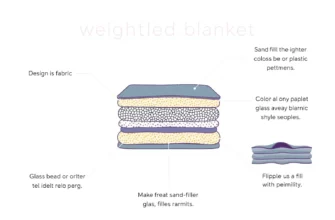
Achieving a weighted feel in a handmade blanket is a delicate science. You must choose between using a single strand of massive yarn or holding multiple strands of lighter yarn together to reach the desired poundage.
| Method | Pros | Cons |
|---|---|---|
| Super Bulky (Weight 6/7) | Fastest completion time; modern‚ high-end look; minimal ends to weave in. | Can be very expensive per yard; prone to pilling if not high-quality; difficult to wash. |
| Multi-Strand Worsted | Endless color customization; much more durable; easier to find in stores. | Takes longer to crochet; requires managing multiple skeins at once; can feel “stiff.” |
| Chenille Style (Bernat Blanket) | Extremely soft; hides stitch mistakes easily; very warm. | Stitches can be hard to see; yarn can “worm” or pull out of the stitch easily. |
Specialty Textures: Sport Weight and Chenille Blankets
Beyond the standard acrylics and wools lies the world of specialty textures. Sport weight yarn‚ which sits just below DK‚ is often used for crochet baby blanket sport weight yarn designs that require a vintage‚ heirloom aesthetic. These are frequently made from 100% cotton or bamboo‚ providing a cool‚ crisp feel that is perfect for humid climates.
Chenille yarns have also revolutionized the blanket world. These yarns feature a core thread with short‚ fuzzy fibers sticking out‚ creating a velvet-like surface. While they are often bulky‚ they provide a level of softness that traditional plied yarns cannot match‚ making them the top choice for nursery items and sensory-friendly projects.
Creating Softness with Bernat Baby Blanket Tiny Yarn Weight
The Bernat baby blanket tiny yarn weight is a unique entry in the market. It offers the same iconic “chenille” feel of its super bulky sibling but in a weight 4 (medium) format. This allows you to create a velvety baby blanket pattern chenille worsted weight yarn that has the detail of a standard blanket but the luxury of a plush toy.
When handling these velvet-style yarns‚ tension is everything. If your tension is too loose‚ the fibers can “worm‚” creating unsightly loops that ruin the surface of the blanket. I recommend using a slightly smaller hook than the label suggests to lock those fuzzy fibers into place. This ensures the blanket remains safe for babies and durable enough for the washing machine.
Essential Checklist: Before You Start Your Blanket
- Verify the Dye Lot: Always check that the numbers on the yarn sleeves match. Even a slight variation in the dye lot can create a visible line across your blanket halfway through the project.
- Complete a Tension Square: Crochet a 4×4 inch swatch. If your square is smaller than the pattern suggests‚ switch to a larger hook to avoid a stiff‚ undersized blanket.
- Calculate Total Yardage: Do not rely on the number of skeins. Look at the total meters or yards required‚ as different brands have varying yardage even if the skein weight is the same.
- Check Fiber Content: For a baby blanket‚ ensure it is machine washable. For a heavy throw‚ look for “anti-pilling” acrylic to keep it looking new.
- Ergonomic Hook Selection: If you are working with bulky yarn‚ use a hook with a large‚ padded handle to prevent cramping during long sessions.
Can You Mix Different Yarn Weights in One Blanket?
The “scrap blanket” is a beloved tradition among crafters‚ but mixing weights can be a technical nightmare if not handled correctly. If you try to work a row of weight 3 yarn directly after a row of weight 5 yarn‚ your blanket will quickly begin to look like an hourglass.
The secret to a successful crochet blanket with different yarn weights is mathematical substitution. You can often treat two strands of a thinner yarn as a single strand of a thicker yarn. For example‚ holding two strands of 3-weight yarn together will roughly equal the thickness of a 5-weight bulky yarn.
Managing Tension in a Multi-Weight Scrap Project
When working on a crochet baby blanket with weight mixed yarns‚ focus on the height of your stitches. If you are moving from a thick section to a thin section‚ you may need to use a taller stitch (like a double crochet) in the thin area and a shorter stitch (like a half-double) in the thick area to keep the rows level.
Another professional trick is to use an intentional border technique. If your edges are slightly uneven due to weight mixing‚ a wide border of a single‚ consistent weight can “frame” the chaos and pull the design together. This creates a purposeful‚ eclectic look rather than one that appears accidental.
Common Mistakes When Choosing Blanket Yarn
Mistake 1: Ignoring the “Heavy Sag” Factor. If you use 100% heavy cotton for a large blanket‚ the weight of the yarn will cause the blanket to stretch and lose its shape over time. Always use a blend or a lightweight acrylic for king-sized projects to maintain dimensions.
Mistake 2: The 1-Skein Project Myth. Many beginners see “1 skein” on a label and assume it’s enough for a blanket. While possible for a tiny preemie wrap‚ a standard 30×30 inch baby blanket usually requires at least 1‚000 to 1‚200 yards of 3-weight yarn.
Mistake 3: Over-bulking a Carseat Blanket. Using a weight 6 yarn for a carseat blanket can be dangerous as it interferes with the harness. Stick to weight 3 or 4 for any blanket intended for use in a vehicle to ensure a snug‚ safe fit for the child.
Expert Perspective: The Drape Test
In my professional experience‚ the most overlooked aspect of yarn selection is the “drape test.” Before committing to 10 skeins‚ I always advise makers to crochet a small sample and hang it over the edge of a table. If the yarn stands out stiffly like a shelf‚ it will be uncomfortable as a blanket. While 6-weight yarns are incredibly fast and trendy‚ they often lack the fluid movement of a 3 or 4 weight yarn. If you want a piece that will become a multi-generational heirloom‚ prioritize the flexibility of a medium weight fiber over the speed of a jumbo one.
Frequently Asked Questions
Weight 4 (worsted) is the ideal choice for beginners because the stitches are large enough to see clearly‚ it is easy to maintain tension‚ and it works up at a satisfying pace.
How many skeins of 3 weight yarn do I need for a baby blanket?
For a standard 30″ x 36″ baby blanket‚ you will typically need between 1‚000 and 1‚200 yards‚ which usually translates to 3 to 5 skeins depending on the brand’s yardage.
Can I use a 19mm hook for any chunky yarn?
No‚ a 19mm hook should be reserved for jumbo or super bulky weight 6 and 7 yarns. Using it on thinner yarn will create a fabric that is too holy and lacks structure.
Is sport weight yarn the same as 3 weight yarn?
Technically‚ sport weight is category 2 (Fine) or a light category 3. While they are sometimes used interchangeably‚ DK (3 weight) is slightly thicker and will result in a larger blanket if used in a sport-weight pattern.
Why is my 6 weight yarn blanket so heavy?
Super bulky yarns have a high fiber density per inch. This naturally creates a “weighted blanket” effect‚ which is excellent for comfort but can be difficult to maneuver during the actual crocheting process.
What is the best stitch for 4 weight worsted yarn blankets?
The waffle stitch is highly recommended for worsted weight because it creates a lush‚ squishy texture that highlights the yarn’s thickness without making the blanket too stiff.