- What Defines a Truly Quality Weighted Blanket?
- The Secret to Even Weight Distribution
- Material Matters: From Breathable Eucalyptus to Organic Cotton
- Eco-Friendly and Sustainable Selections
- Temperature Control: Cooling Tech vs. Weighted Warmth
- Beating the Heat with Summer Covers
- Heated Solutions for Cold Sleepers
- Modern Elegance: Integrating Weighted Blankets into Your Decor
- From Rustic Textures to Modern Minimalism
- The Right Fit: Sizing for Every Family Member
- Weight Guidelines for Adults and Kids
- Maintenance and Longevity: Keeping Your Blanket Fresh
- Washing and Drying Heavy Bedding
- Market Comparison: Evaluating Top Brands
- Which Brand Fits Your Lifestyle?
- Expert Perspective: The Physiology of Weighted Pressure
- Frequently Asked Questions
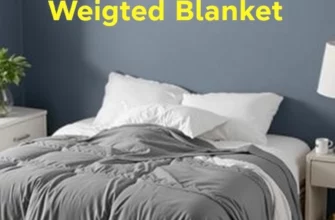
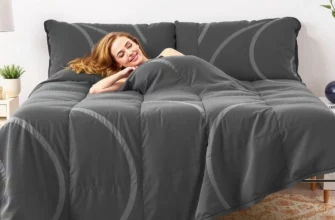
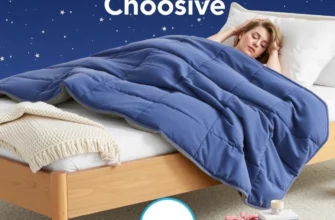
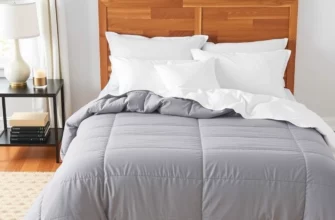
What Defines a Truly Quality Weighted Blanket?
A quality weighted blanket is far more than just a heavy piece of bedding; it is a precision-engineered tool designed to facilitate deep pressure stimulation. This physiological phenomenon mimics the sensation of being held or hugged‚ which triggers the brain to release serotonin and melatonin while simultaneously reducing cortisol levels. When you transition from a standard comforter to an authentic weighted blanket‚ the immediate tactile feedback should feel like a gentle‚ even groundedness rather than a cumbersome weight.
Luxury options‚ such as those from Luxome or Beautyrest‚ distinguish themselves through the quality of their internal components and the sophistication of their textile engineering. High-end manufacturers prioritize a low-profile feel‚ ensuring that the blanket contours to the body’s natural curves rather than sitting stiffly on top. This subtle difference determines whether a blanket provides therapeutic relief or simply causes physical discomfort during the night.
The Secret to Even Weight Distribution
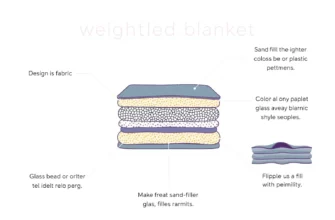
The most common failure in lower-tier weighted bedding is the “pooling” effect‚ where the internal fill shifts to the corners‚ leaving the center empty. To combat this‚ a good knight weighted blanket or similar high-quality model utilizes small quilted pockets‚ often no larger than four inches square. Smaller pocket dimensions are essential because they lock the weighted media in place‚ ensuring that the pressure remains consistent across your entire torso and limbs regardless of how much you toss and turn.
Furthermore‚ the integrity of the seams is a critical benchmark of longevity. Because these blankets carry significant mass—often between 15 and 25 pounds—the tension on the fabric is immense. Always look for double-stitched or reinforced perimeter seams to prevent the internal beads from leaking‚ a common issue that can render a cheaper blanket useless within months. High-density stitching not only secures the fill but also maintains the structural shape of the blanket over years of repeated use.
Material Matters: From Breathable Eucalyptus to Organic Cotton
The fabric that touches your skin dictates the overall sensory experience and the blanket’s thermal performance. While early iterations of weighted blankets relied heavily on synthetic polyesters‚ modern sleep science has pivoted toward natural fibers that offer superior moisture management and skin compatibility. Choosing between a eucalyptus weighted blanket and a traditional cotton option depends largely on your personal body chemistry and local climate.
| Material Type | Primary Benefit | Best For |
|---|---|---|
| Eucalyptus (Tencel) | High breathability and moisture-wicking | Hot sleepers and eco-conscious consumers |
| Organic Cotton | Crisp feel and hypoallergenic properties | Sensitive skin and traditional bedding feel |
| Vellux / Plush | Extreme softness and high heat retention | Winter use and sensory seekers who like soft textures |
| Glass Bead Fill | Uniform weight without bulk | Premium blankets seeking a low profile |
Eco-Friendly and Sustainable Selections
In the current market‚ a sustainably made weighted blanket is often synonymous with Tencel or Lyocell fibers derived from eucalyptus wood pulp. These materials are processed in a closed-loop system‚ which recycles 99% of the water and solvents used. Beyond the environmental perks‚ an eucalyptus weighted blanket is naturally resistant to bacteria and dust mites‚ making it a “cleaner” choice for long-term sleep hygiene.
Identifying a truly ecofriendly weighted blanket requires looking past marketing buzzwords and checking for certifications like Oeko-Tex Standard 100. This ensures that every component‚ from the fabric to the thread and the glass beads‚ is free from harmful chemicals. Natural made weighted blankets using organic cotton covers‚ such as those offered by Purecare or Puredown‚ provide a chemical-free sleep environment that supports both respiratory health and skin integrity.
Temperature Control: Cooling Tech vs. Weighted Warmth
The most frequent criticism of weighted bedding is that it traps excessive body heat‚ leading to night sweats. However‚ modern temperature-regulating technology has largely solved this issue. By manipulating the density of the fill and the weave of the outer shell‚ manufacturers can now create blankets that feel cool to the touch even in the height of summer. Conversely‚ for those in colder climates‚ active heating elements can be integrated for the ultimate winter sanctuary.
Beating the Heat with Summer Covers
For many‚ a quility weighted blanket summer cover is the difference between a restful night and an overheated struggle. These covers are typically engineered from high-conductivity fabrics that pull heat away from the body. A luxome blanket cool weighted system‚ for example‚ often utilizes a 100% bamboo or lyocell lyocell cover that feels significantly colder than room temperature upon initial contact.
The type of fill also plays a massive role in heat dissipation. Unlike plastic poly-pellets‚ which act as insulators and trap heat‚ micro-glass beads are highly conductive and allow heat to pass through the blanket. When combined with a cuteking cool weighted gravity heavy blanket design‚ the result is a heavy sensation that doesn’t result in a spike in core body temperature‚ allowing the user to reach the deep REM cycles necessary for cognitive recovery.
Heated Solutions for Cold Sleepers
On the opposite end of the spectrum‚ some users require active warmth to relax their muscles. Products like the pure enrichment weighted heated throw blanket combine the benefits of deep pressure with the soothing effects of thermotherapy. These dual-function blankets are particularly effective for individuals with chronic pain or Raynaud’s syndrome‚ as the heat increases blood flow while the weight calms the nervous system.
Safety is paramount when electricity meets heavy bedding; A pure enrichment weighted warmth blanket or a smart queen weighted blanket with heating elements will feature auto-shutoff timers and overheat protection. Never use a heated weighted blanket if the internal wiring is pinched or if the fabric shows signs of wear‚ as the pressure of the beads can exacerbate mechanical stress on the heating coils over time.
Modern Elegance: Integrating Weighted Blankets into Your Decor
The era of clinical-looking‚ grey-only weighted blankets is over. Today’s designs prioritize modern elegance‚ ensuring that your therapeutic tools complement your interior design. Whether your home leans toward a rustic weighted blanket aesthetic with chunky knit textures or a sleek‚ minimalist vibe with velvet finishes‚ there is a decorative weighted blanket that fits the bill without sacrificing functionality.
From Rustic Textures to Modern Minimalism
Integrating these heavy items into a room requires a focus on texture and color palettes. A decorative duvet for weighted blanket use allows you to swap out the look of your bedding seasonally without purchasing a new weighted core. For a modern elegance weighted blanket look‚ choose deep jewel tones or muted earth tones in matte fabrics that absorb light rather than reflecting it.
If you prefer a more tactile‚ farmhouse feel‚ chunky hand-knitted weighted blankets offer a unique advantage: the large loops in the knit provide natural ventilation‚ making them some of the most breathable options on the market. These blankets don’t require a cover and serve as a beautiful accent piece at the foot of the bed or draped over a leather sofa‚ bridging the gap between medical-grade comfort and high-end home styling.
The Right Fit: Sizing for Every Family Member
Selecting the wrong size or weight is the primary reason users give up on weighted bedding. A common mistake is treating a weighted blanket like a standard comforter and sizing it to the bed rather than the person. Because gravity is the driving force‚ a blanket that is too large will hang over the edges of the mattress and eventually slide off the bed‚ pulling the user along with it.
| User Weight | Recommended Blanket Weight | Ideal Dimensions |
|---|---|---|
| 40 ー 70 lbs | 5 ー 7 lbs | 36″ x 48″ (Child Size) |
| 100 ⎼ 140 lbs | 12 ⎼ 15 lbs | 48″ x 72″ (Individual) |
| 150 ⎼ 190 lbs | 15 ー 20 lbs | 60″ x 80″ (Queen/Full) |
| 200+ lbs | 25 lbs | 60″ x 80″ or larger |
Weight Guidelines for Adults and Kids
For younger users‚ the comfort bay kids weighted blanket options provide a safe entry point into sensory bedding. The golden rule for pediatric use is that the child must be able to remove the blanket themselves without assistance. Generally‚ this means the blanket should not exceed 10% of their body weight plus one or two pounds. Avoid using weighted blankets for infants or toddlers who lack the motor skills to adjust the bedding if it covers their face.
Adults sharing a bed should consider a smart queen weighted blanket or a great bay home weighted blanket designed for couples. However‚ many sleep experts suggest that couples are often better served by two individual weighted blankets rather than one large one. This prevents “blanket hogging” and allows each person to choose the specific weight and temperature profile that suits their unique physiology‚ ensuring neither partner is overwhelmed by a blanket that is too heavy or too hot.
Maintenance and Longevity: Keeping Your Blanket Fresh
The sheer mass of a weighted blanket makes maintenance a logistical challenge. You cannot simply toss a 20-pound blanket into a standard top-loading washing machine without risking damage to the machine’s suspension or the blanket’s seams. Understanding the specific care requirements for your chosen model is essential for protecting your investment and maintaining a hygienic sleep environment.
Washing and Drying Heavy Bedding
The most efficient way to maintain your bedding is to use an easy weighted blanket system that features a removable outer cover. This allows you to wash the cover weekly while only cleaning the heavy inner core once or twice a year. If you are using a puredown luxury weighted blanket breathable cotton cover‚ you can wash the cover on a cold‚ gentle cycle and tumble dry on low to maintain the integrity of the cotton fibers.
- Do: Use a front-loading commercial washer for the weighted inner core to ensure even weight distribution during the spin cycle.
- Do: Air dry the weighted section whenever possible to prevent the glass beads from degrading the fabric through high-heat friction.
- Don’t: Use bleach or harsh fabric softeners‚ as these can break down the specialized fibers in cooling blankets.
- Don’t: Iron your weighted blanket; the heat can melt plastic pellets or damage the internal adhesive layers used in some premium brands.
Market Comparison: Evaluating Top Brands
Navigating the crowded market requires an eye for specific brand strengths. While many blankets look identical in photos‚ the internal construction varies wildly. Some brands focus on luxury textiles‚ while others prioritize medical-grade weight distribution or budget-friendly accessibility.
- Mosaic: Known for their mosaic weighted blankets offers‚ they provide one of the widest ranges of sizes and custom weights in the industry.
- Beautyrest: Their beautyrest luxury 18-lb weighted throw blanket is a favorite for living room use‚ combining high-end aesthetic appeal with reliable therapeutic pressure.
- Great Bay Home: A great bay weighted blanket is often the best choice for those seeking value without sacrificing the quality of the glass bead fill.
- Luxome: The gold standard for integrated cooling technology and high-thread-count covers.
- PureCare: Ideal for allergy sufferers due to their focus on antimicrobial fabrics and clinical-grade construction.
Which Brand Fits Your Lifestyle?
If your primary goal is a luxury feel that doubles as home decor‚ the Vellux or Beautyrest lines are difficult to beat. These brands invest heavily in the “hand” of the fabric‚ ensuring the blanket feels like a high-end fashion accessory. For those focused purely on the therapeutic benefits of deep pressure stimulation‚ Mosaic and Great Bay Home offer the most granular control over weight-to-size ratios‚ allowing for a more customized experience.
Ultimately‚ the best brand is the one that aligns with your primary sleep challenge. If you wake up sweating‚ prioritize Luxome’s cooling tech. If you have a child with sensory processing needs‚ the Comfort Bay or Mosaic kid-specific lines offer the safety and durability required for daily use.
Expert Perspective: The Physiology of Weighted Pressure
In my professional experience as a sleep consultant‚ I have found that the efficacy of a weighted blanket is almost entirely dependent on the “fluidity” of the fill. I always advise my clients to opt for glass beads over plastic pellets. The reason is simple: glass is denser‚ meaning the blanket can be thinner and more breathable while maintaining the same weight. This prevents the “claustrophobic” heat trap that many beginners associate with weighted bedding. Furthermore‚ I’ve observed that the nervous system responds most favorably to a weight that is exactly 10% of the user’s body weight; going significantly heavier can actually trigger a “fight or flight” response rather than the intended relaxation.
Frequently Asked Questions
You should choose a weight based on 10% of your individual body weight‚ not the bed size. For a queen bed used by one person‚ a 60″ x 80″ blanket is standard‚ but ensure it does not hang over the edges‚ as the weight will cause it to slide off during the night.
Are weighted blankets safe for children?
Yes‚ provided the child is at least one year old and weighs enough to move the blanket independently. Always follow the 10% weight rule and consult with a pediatrician for children with underlying health conditions.
Can I use a weighted blanket in the summer?
Absolutely. Look for blankets made with moisture-wicking eucalyptus or bamboo fabrics and glass bead fills‚ which do not retain heat as much as synthetic materials.
What is the difference between glass beads and plastic pellets?
Glass beads are smaller and denser‚ allowing for a thinner blanket that contours better to the body. Plastic pellets are bulkier‚ noisier‚ and tend to trap more heat‚ making them a lower-quality option.
How do I wash a heavy weighted blanket without damaging my machine?
Use a removable duvet cover for regular cleaning. For the weighted inner‚ use a commercial-grade front-loading washer at a laundromat if the blanket exceeds 15 pounds to protect your home machine’s motor.
Why are some weighted blankets significantly more expensive than others?
Higher prices usually reflect the use of Oeko-Tex certified organic materials‚ advanced cooling fabrics like Tencel‚ and superior construction methods like smaller quilted pockets and double-stitched seams.