- Understanding Weighted Blanket Heat and Why Some Make You Sweat
- The Physics of Pressure and Insulation
- Will a Weighted Blanket Keep You Warm During Winter?
- Best Fabrics for Maximum Winter Warmth
- Strategic Choices: Using a Weighted Blanket During Summer Months
- Summer vs․ Winter Component Comparison
- Glass Beads vs․ Plastic Pellets: Which Bead Type Stays Cooler?
- Why Glass Microbeads Are the Cool Choice
- How to Find a Weighted Blanket That Isnt Hot
- The Hot Sleepers Buying Checklist
- Common Mistakes People Make When Buying for Warm Weather
- Expert Perspective: Sleep Thermoregulation
- Frequently Asked Questions
Understanding Weighted Blanket Heat and Why Some Make You Sweat
The sensation of a weighted blanket is often described as a “deep pressure hug,” a feeling that can trigger the release of serotonin and promote relaxation․ However, for many individuals, this soothing embrace quickly transforms into an uncomfortable furnace as the night progresses․ The primary challenge lies in how these blankets manage the micro-climate between your skin and the fabric layers․
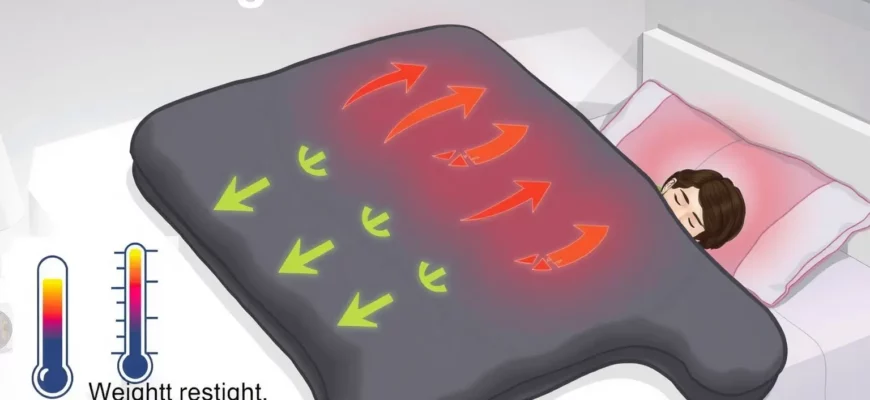
When you experience weighted blanket heat, you are essentially feeling the result of restricted airflow․ Because these blankets are designed to be heavy, they naturally possess higher density than a standard duvet․ This density can create a seal around the body, preventing the natural rise and escape of warm air that occurs during your sleep cycle․
The Physics of Pressure and Insulation
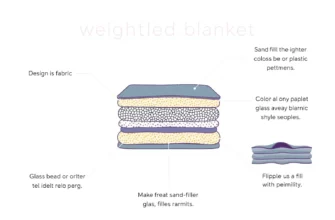
To understand why you might feel like you are roasting, we have to look at how heavy fillers trap body heat․ Most weighted blankets rely on multiple layers of fabric to keep the internal weights in place․ These layers, often made of polyester or dense cotton, act as insulation․ Heat transfer occurs through conduction and convection, and when a blanket is pressed firmly against your skin by 15 or 20 pounds of weight, the conductive heat transfer is maximized․
The role of fabric density in airflow cannot be overstated․ A standard comforter has “loft”—pockets of air that can move and circulate․ In contrast, a weighted blanket is often compressed․ If the blanket uses a tight, non-breathable weave, it traps body heat within the internal fibers, leading to a rapid rise in skin temperature․ For hot sleepers, this results in the dreaded “night sweat” cycle, where the body attempts to cool itself through perspiration, but the moisture has nowhere to evaporate․
If you are trying to figure out how to stay cool while enjoying deep pressure, you must look for blankets that prioritize ventilation․ This involves choosing materials that allow for moisture-wicking and high vapor permeability․ Without these features, the blanket essentially acts as a thermal barrier, reflecting your own metabolic heat back toward you without any chance of dissipation․
Will a Weighted Blanket Keep You Warm During Winter?
While hot sleepers struggle with heat retention, those who run cold often find weighted blankets to be a revelation during the winter months․ The same density that causes overheating in the summer becomes a powerful ally when the temperature drops․ Because the blanket conforms to the unique shape of your body, it eliminates the “cold pockets” that often plague traditional bedding․
Weighted blankets keep you warm by creating a consistent thermal envelope․ Unlike a light quilt that might shift and allow cold air to draft in from the sides, the weight of these blankets anchors the edges against the mattress․ This creates a seal that prevents convective heat loss, ensuring that the warmth your body generates stays exactly where you need it․
Best Fabrics for Maximum Winter Warmth
For those seeking a cozy winter sleep, the choice of outer cover is the most critical factor․ Minky and fleece are the gold standards for heat retention․ These synthetic fabrics are engineered with a high “pile,” meaning they have millions of tiny fibers that trap air․ Static air is one of the best insulators in nature, which is why a minky-covered weighted blanket feels significantly warmer than a plain cotton one․
Layering strategies for cold nights can also enhance the experience․ I recommend placing the weighted blanket as the middle layer, with a thin sheet underneath and a heavier quilt on top if necessary․ However, most users find that a weighted blanket with insulating fabrics is sufficient on its own․ The weight ensures the insulating fabrics stay in direct contact with your body, maximizing the thermal efficiency of the material and keeping your core temperature stable throughout the night․
Strategic Choices: Using a Weighted Blanket During Summer Months
Using a weighted blanket during the summer requires a complete shift in material strategy․ You cannot use the same setup in July that you used in January without risking severe sleep disruption․ The goal during the warmer months is to maintain the weight while maximizing the “breathability” of the entire system․
The following table compares the essential components you should look for when transitioning between seasons․ Choosing the right combination can mean the difference between a restful night and waking up in a pool of sweat․
| Component | Summer (Cooling) Choice | Winter (Warming) Choice | Why It Matters |
|---|---|---|---|
| Outer Fabric | Bamboo Lyocell or Tencel | Minky or Flannel | Bamboo wicks moisture away; Minky traps heat․ |
| Internal Fill | Glass Microbeads | Plastic Pellets or Poly-fill | Glass is denser and stays cooler; Poly-fill adds bulk/warmth․ |
| Weave Type | Open-Knit or Percale | Tight Sateen or Quilted | Open-knit allows air to flow directly through the blanket․ |
| Thermal Mass | Low (Thin profile) | High (High loft/thick) | Thin blankets dissipate heat faster than thick, padded ones․ |
Summer vs․ Winter Component Comparison
When selecting a weighted blanket summer season cooling option, the fabric breathability ratings are your most important metric․ Materials like Bamboo Lyocell are prized because they are naturally more absorbent than cotton, pulling sweat away from the skin and allowing it to evaporate quickly․ This evaporative cooling is what keeps your skin temperature from spiking during the night․
Furthermore, the fill material temperature conductivity plays a hidden role․ Some blankets use “poly-fill” padding to keep the beads from shifting․ In the summer, this padding is your enemy․ It acts as a thick layer of insulation, similar to the pink fiberglass in your attic․ For summer use, look for “thin-profile” blankets that use minimal padding and rely on glass beads, which do not hold onto heat as stubbornly as plastic or fiberfill․
Glass Beads vs․ Plastic Pellets: Which Bead Type Stays Cooler?
The internal weights of a blanket are not just there for the mass; they also contribute to the overall thermal profile of the product․ Most high-end blankets use either glass microbeads or plastic (HDPE) pellets․ While both provide the necessary weight, their thermal mass and how they interact with your body heat are vastly different․
Glass beads are significantly smaller than plastic pellets—often the size of grains of sand․ This allows them to be packed more densely without adding extra thickness to the blanket․ Because the blanket stays thinner, there is less material for heat to get trapped in, which is a major advantage for anyone concerned about weighted blanket bead type hot issues․
Why Glass Microbeads Are the Cool Choice
The heat dissipation of glass vs․ plastic is a matter of material science․ Glass has a higher thermal conductivity than plastic, meaning it is better at moving heat away from your body․ Plastic is a natural insulator; once plastic pellets get warm, they tend to stay warm for a long time․ Glass microbeads act like a heat sink, absorbing excess warmth and distributing it more evenly across the surface of the blanket․
Bulkiness and airflow also come into play․ Because plastic pellets are larger, they require more fabric “loft” or padding to prevent them from feeling lumpy or making noise․ This extra padding is exactly what leads to staying cool at night becoming a struggle․ Glass beads provide a smooth, heavy feel without the need for thick, heat-trapping polyester batting, making them the superior choice for year-round temperature regulation․
How to Find a Weighted Blanket That Isnt Hot
Shopping for a weighted blanket when you are a “hot sleeper” requires a discerning eye for technical specifications․ You cannot simply trust a label that says “cooling” without verifying the materials used․ Many manufacturers use the term “cooling” simply because the blanket is slightly thinner than their winter version․
To ensure you get a truly breathable experience, you need to focus on the fiber content and the construction method․ A 100% natural fiber content is non-negotiable for those who suffer from night sweats․ Synthetic fibers like polyester or “microfiber” are essentially plastic, and plastic does not breathe․ Even a small percentage of polyester in the blend can significantly reduce the moisture-wicking capabilities of the blanket․
The Hot Sleepers Buying Checklist
If you want the weighted blanket adult soft hot weather experience without the sweat, follow this checklist before making your purchase․ These specific technical specs will ensure your blanket promotes airflow rather than blocking it․
- Prioritize 100% Bamboo or Tencel: These fibers are more breathable and cooler to the touch than even the highest-thread-count cotton․
- Verify Glass Bead Fill: Ensure the blanket uses glass microbeads rather than plastic pellets to minimize thermal insulation․
- Avoid Polyester Batting: Look for blankets that are “thin-fill” or “no-fill,” meaning they don’t have a thick layer of polyester fluff inside․
- Check for a Removable, Washable Cover: Keeping the fabric clean prevents body oils from clogging the weave, which maintains long-term breathability․
- Look for an Open-Knit Design: Some modern weighted blankets are made of heavy, braided yarn with visible holes, offering the maximum possible ventilation․
- Choose the Correct Weight: A blanket that is too heavy for your body size will be thicker by necessity, which naturally increases heat retention․
Common Mistakes People Make When Buying for Warm Weather
One of the most frequent errors is choosing a blanket that is unnecessarily heavy․ While the general rule is 10% of your body weight, going higher than that often requires the manufacturer to use more filler and more fabric layers․ This increased bulk exponentially increases the insulation factor, making the blanket much hotter than a properly sized one․
Critical Warning: Never use a standard polyester duvet cover over a cooling weighted insert․ A high-quality bamboo weighted blanket will lose all its cooling properties if you wrap it in a non-breathable synthetic cover․ Always match your cover material to your cooling needs to ensure the system works as intended․
Another mistake is ignoring the “weave” of the fabric․ A “sateen” weave is very smooth and feels luxurious, but it is a tighter weave that traps more air․ A “percale” weave is a traditional one-over, one-under pattern that is much more breathable․ For summer use, always opt for percale or open-knit constructions to allow your body heat to escape efficiently․
Expert Perspective: Sleep Thermoregulation
In my professional experience as a sleep consultant, I have found that the “micro-climate” under your covers is the single most overlooked factor in sleep quality․ Your body needs to drop its core temperature by about 2 to 3 degrees Fahrenheit to initiate deep sleep and enter REM cycles․ If a weighted blanket traps too much heat, it prevents this natural cooling process, leading to fragmented sleep and “micro-awakenings” throughout the night․ I always advise my clients to view cooling weighted blankets not just as a luxury, but as a functional tool for biological thermoregulation․ If you are sweating, you aren’t just uncomfortable; you are actively depriving your brain of deep recovery time․
Frequently Asked Questions
Yes, but the fabric still matters․ Even with AC, a non-breathable blanket creates a pocket of trapped heat against your skin that the room’s air cannot reach․ Always use bamboo or cotton covers to ensure the AC can actually cool you down;
What is the best fabric for a cooling weighted blanket?
Bamboo Lyocell and Tencel are the top choices․ These materials are naturally moisture-wicking and have a high thermal conductivity, meaning they feel cool to the touch and move heat away from your body faster than cotton․
Do weighted blankets make night sweats worse?
They can if they are made of polyester․ To alleviate night sweats, switch to a glass-bead fill and a natural fiber cover, which allows for better air circulation and moisture evaporation․
Is there a specific weight that is cooler?
Weight doesn’t directly dictate heat, but thickness does․ However, a lighter blanket (closer to 7-10% of your body weight) usually requires fewer layers of fabric, which can result in a cooler sleep experience․
How do I wash a cooling weighted blanket without ruining the fabric?
Always use cold water and a gentle cycle․ Avoid fabric softeners, as they leave a waxy coating on the fibers that can clog the “pores” of the fabric, permanently reducing its breathability and cooling effectiveness․