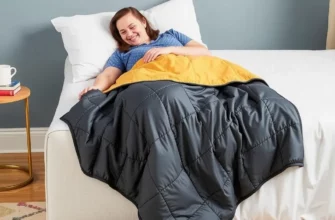
- Understanding Weighted Blankets for Autism: The Power of Deep Pressure Stimulation
- How Proprioceptive Input Calms the Autistic Nervous System
- Why ADHD Brains and Bodies Respond to Extra Weight
- Managing Hyperactivity and Restlessness in ADHD Adults
- The Sleep Solution: Falling Asleep vs. Staying Asleep
- Reducing Sleep Latency and Night Wakings
- Safety Protocols: Calculating Weight and Avoiding Risks
- Choosing the Right Weight for Children and Toddlers
- Scientific Evidence: What the Research Says About Sensory Weight
- Clinical Studies and Occupational Therapist Recommendations
- Practical Buying Guide: Materials, Costs, and Financial Aid
- How To Get Help Paying for a Weighted Blanket
- Frequently Asked Questions
Understanding Weighted Blankets for Autism: The Power of Deep Pressure Stimulation
For many individuals on the autism spectrum, the world often feels like a chaotic symphony of overwhelming sensory data; Weighted blankets have emerged as a primary tool for managing this sensory overload by utilizing a therapeutic technique known as Deep Pressure Stimulation (DPS). This method mimics the sensation of a firm hug or swaddling, which helps the body transition from a state of high alert to one of physiological calm.
The core mechanism behind this shift is the activation of the parasympathetic nervous system. When the body feels the gentle, distributed weight of a sensory blanket, it signals the brain to lower cortisol levels and increase the production of serotonin, the neurotransmitter responsible for mood stabilization. This chemical transition is vital for neurodivergent individuals who frequently experience a heightened “fight or flight” response to everyday environments.
How Proprioceptive Input Calms the Autistic Nervous System
Proprioception is often referred to as our “sixth sense,” providing us with an internal map of where our body parts are in relation to one another and the space around us. Many autistic individuals experience proprioceptive dysfunction, which can manifest as clumsiness, toe-walking, or a constant need to crash into furniture to feel “grounded.” By applying consistent weighted blanket sensory input, we provide the brain with the precise data it needs to map the body effectively.
This heavy input acts as a sensory anchor. When an individual uses the best weighted blankets for autism nervous system regulation, the pressure stimulates mechanoreceptors under the skin. These receptors send a flood of organizing information to the central nervous system, which helps quiet the “white noise” of other sensory distractions like the hum of a refrigerator or the texture of clothing. This grounding effect is often the difference between a sensory meltdown and a successful transition to a restful state.
In clinical settings, this is frequently called “tactile grounding.” For a child who feels like they are floating or disconnected from their physical boundaries, the weight provides a definitive border. It tells the brain exactly where the body ends and the bed begins, which dramatically reduces the anxiety associated with open spaces or the dark.
Why ADHD Brains and Bodies Respond to Extra Weight
While autism often involves a need for sensory organization, ADHD is frequently characterized by a search for stimulation to satisfy a restless nervous system. For an individual with ADHD, lying still is not merely a matter of choice; it is a physiological challenge. The ADHD brain is often under-stimulated, leading to external behaviors like fidgeting, leg bouncing, or the inability to settle the mind at night.
Weighted blankets address this by providing “passive” sensory input. Instead of the individual needing to move their muscles to get sensory feedback, the blanket provides that feedback constantly. This helps quiet the urge to fidget and allows the executive functions of the brain to focus on the task of falling asleep rather than managing physical restlessness.
Managing Hyperactivity and Restlessness in ADHD Adults
Adults with ADHD often describe their nighttime experience as “having a motor that won’t turn off.” This internal hyperactivity can lead to severe sleep onset insomnia. Using a weighted blanket for adhd adults serves as a physical inhibitory tool. The weight makes it physically more difficult to toss and turn, which in turn reduces the frequency of micro-awakenings caused by self-movement.
Discussions within communities, such as the adhd weighted blanket reddit threads, often highlight that the benefits extend beyond just sleep. Many adults use these blankets during work-from-home sessions or while relaxing on the couch to curb the impulse to constantly stand up or change positions. The pressure helps “muffle” the internal noise of hyperactivity, providing a sense of physical security that allows for deeper focus or more profound relaxation.
Furthermore, the reduction in physical movement has a secondary benefit: it prevents the spike in heart rate that usually accompanies vigorous tossing and turning. By keeping the body still, the weighted blanket helps maintain a lower resting heart rate, which is a prerequisite for the brain to enter the deeper stages of the sleep cycle.
The Sleep Solution: Falling Asleep vs. Staying Asleep
Sleep disturbances are one of the most common co-occurring challenges for both ASD and ADHD populations. Whether it is a delay in the body’s natural melatonin production or an over-responsiveness to nocturnal sounds, the result is often chronic exhaustion. Weighted blankets serve as a non-pharmacological intervention to improve both sleep latency and sleep maintenance.
| Sleep Challenge | How Weight Helps | Biological Result |
|---|---|---|
| High Sleep Latency (Taking hours to fall asleep) | Stimulates serotonin-to-melatonin conversion. | Faster transition to “sleep mode.” |
| Frequent Night Wakings | Provides “cocoon” effect that prevents startle reflex. | Increased duration of deep sleep stages. |
| Restless Leg Syndrome / Fidgeting | Applies physical resistance to involuntary movements. | Lower physical exertion during the night. |
| Early Morning Waking | Maintains consistent body temperature and pressure. | Extended sleep cycles until morning. |
The biological impact of weight on the sleep-wake cycle is significant. Research suggests that deep pressure can trigger the release of dopamine and serotonin, which are the chemical precursors to melatonin. For children who struggle with weighted blanket autism falling asleep issues, this natural chemical boost can replace or supplement external melatonin supplements, providing a more holistic approach to circadian rhythm regulation.
Reducing Sleep Latency and Night Wakings
For many neurodivergent children, the transition from being awake to being asleep is the most difficult part of the day. The brain requires a “wind-down” period that is often interrupted by sensory distractions. A weighted blanket helps by creating a sensory-neutral environment. It acts as a shield against light breezes from fans or the shifting of bedsheets, which might otherwise trigger a sensory “alert” in an autistic child.
When it comes to weighted blanket autism stay asleep goals, the consistency of the weight is key. Throughout the night, as we move through different sleep stages, we often have brief moments of semi-consciousness. For a neurotypical person, these are ignored. For someone with sensory processing issues, these moments can turn into full-blown wakefulness. The constant tactile feedback of the blanket provides an immediate sense of safety upon these brief wakings, allowing the individual to drift back to sleep without fully alerting.
Safety Protocols: Calculating Weight and Avoiding Risks
While weighted blankets are incredible tools, they are medical-grade sensory equipment and must be treated with respect. Safety is the absolute priority, especially when dealing with children, the elderly, or those with limited mobility. A weighted blanket should never be used as a restraint, and the user must always be able to remove the blanket themselves without assistance.
The weight distribution is just as important as the total weight. High-quality blankets use small baffled pockets to ensure the beads don’t all slide to one side. If the weight shifts, it can create uneven pressure that is not only uncomfortable but could potentially restrict movement or breathing in certain positions. Always inspect the blanket for leaking beads, as these can pose a choking hazard for children who engage in “mouthing” behaviors.
Choosing the Right Weight for Children and Toddlers
Finding the “sweet spot” for weight is essential for effectiveness. If the blanket is too light, it won’t provide the necessary DPS to trigger the parasympathetic nervous system. If it is too heavy, it can cause physical fatigue or even anxiety. For a child, calculating the weighted blanket autism body weight ratio usually involves taking 10% of their weight and adding one or two pounds to account for the size of the blanket draping over the bed.
When considering a weighted blanket anxiety toddlers solution, parents must be extremely cautious. Most experts suggest waiting until a child is at least 3 years old and weighs at least 30 pounds. The child must have the upper body strength to push the blanket off their chest if they feel uncomfortable. Using a blanket that is too heavy for a small child can lead to “positional asphyxia,” a dangerous condition where the body cannot expand the chest enough to breathe deeply. Always prioritize safety over the desire for a quick sleep solution.
Scientific Evidence: What the Research Says About Sensory Weight
The use of weighted blankets isn’t just a trend; it’s rooted in decades of occupational therapy practice. Dr. Temple Grandin was a pioneer in this field, developing the “hug machine” to help calm her own autistic nervous system. Since then, clinical research has expanded to look at how these tools impact sleep hygiene and anxiety in broader neurodivergent populations.
While some early studies were small in scale, recent peer-reviewed research has shown a clear correlation between the use of weighted blankets and improved “sleep wellness.” Occupational therapists (OTs) often include these blankets as part of a “sensory diet,” a customized plan of physical activities and tools designed to meet a person’s specific sensory needs. The American Occupational Therapy Association (AOTA) recognizes deep pressure as a valid intervention for those with sensory modulation disorders.
Clinical Studies and Occupational Therapist Recommendations
A landmark adhd weighted blanket study published in the Journal of Sleep Medicine & Disorders found that participants using a weighted blanket had a calmer night’s sleep and felt more refreshed in the morning. For autism, weighted blanket autism research often focuses on the reduction of “off-task” behaviors and self-stimulatory actions. When the nervous system is regulated by pressure, the need for repetitive movements (stimming) often decreases because the sensory hunger is being met by the blanket.
Furthermore, understanding the weighted blanket for autism icd 10 coding is important for clinical documentation. While a blanket itself isn’t a “diagnosis,” it is often prescribed under codes like F84.0 (Autistic Disorder) or R41.841 (Sensory Processing Disorder) to justify its use as a medical necessity. This medical context is crucial for families seeking reimbursement or professional guidance on how to integrate the blanket into a comprehensive therapy plan.
Practical Buying Guide: Materials, Costs, and Financial Aid
Purchasing a weighted blanket is an investment in long-term health, but the market is flooded with options that vary wildly in quality. The “fill” of the blanket is perhaps the most important choice. Glass beads are generally considered superior to plastic poly-pellets because they are denser, quieter, and hold less heat. For those with “tactile defensiveness,” the sound of plastic beads rubbing together can actually be a sensory trigger, making glass beads the preferred choice for a truly calming experience.
| Feature | Glass Beads | Plastic Poly-Pellets |
|---|---|---|
| Texture/Feel | Smooth, sand-like, uniform. | Bumpy, can feel “pebbly.” |
| Heat Retention | Stays cool; better for “hot sleepers.” | Tends to trap heat. |
| Noise Level | Virtually silent. | Can make a “rustling” sound. |
| Sustainability | Eco-friendly and non-toxic. | Synthetic plastic material. |
Fabric choice is equally vital. Many autistic individuals have specific preferences or aversions to certain textures. “Minky” or plush fabrics provide extra sensory input (softness), while “cooling” fabrics made of bamboo or specialized cotton are better for those who struggle with temperature regulation, a common issue in ADHD and ASD populations;
How To Get Help Paying for a Weighted Blanket
High-quality weighted blankets can range from $100 to $300, which can be a barrier for many families. However, there are several avenues for help with paying for autism needs for weighted blankets. If a doctor or OT provides a letter of medical necessity, these blankets are often eligible for purchase using HSA (Health Savings Account) or FSA (Flexible Spending Account) funds.
For those on Medicaid, some states offer “waiver” programs that cover sensory equipment as part of the child’s home support. Additionally, non-profit organizations like “Harkla” or “Blueberry Wishes” sometimes offer grants or discounted items for families in need. The weighted blanket cost for autistic toddler care should not be a deterrent to safety; always look for products that offer a trial period, as sensory preferences can be unpredictable, and you want to ensure the child actually responds well to the weight before committing financially.
In my professional experience working with neurodivergent children and adults, I have found that a weighted blanket is most effective when viewed as a single tool in a much larger sensory toolbox. I always advise my clients to use the blanket as part of a “sensory diet”—meaning we don’t just use it at bedtime. The most successful outcomes occur when the blanket is used proactively, such as for 20 minutes after school to decompress, rather than only using it when a child is already in the middle of a meltdown. It is also vital to remember that sensory needs change. What feels good today might feel restrictive tomorrow. Always listen to the user; if they push the blanket away, respect their sensory autonomy immediately. A tool that is forced upon someone quickly becomes a source of trauma rather than a source of calm.
Frequently Asked Questions
While full-sized blankets are for rest, “weighted lap pads” are excellent for classrooms or mealtimes. They provide the same deep pressure to the thighs, which helps ground the child and reduces the urge to leave their seat during tasks requiring focus.
Are weighted blankets safe for all autistic children?
No. They are contraindicated for children with respiratory issues, certain cardiac conditions, or very low muscle tone. They should never be used for infants. Always consult a pediatrician to ensure your child’s physical health is compatible with weighted therapy.
What is the best weight for an adult with autism?
Adults typically follow the 10% rule but have more flexibility. Most adults prefer blankets between 15 and 25 pounds. The key is that the weight must be heavy enough to feel like a firm hug but light enough that the person can easily get out from under it.
Will insurance pay for a weighted blanket for autism?
It is possible but requires effort. You will need a prescription from a doctor using a specific ICD-10 code and a Letter of Medical Necessity. Many families find success using HSA/FSA funds or through specific Medicaid waiver programs for Durable Medical Equipment (DME).
How do I clean a weighted blanket?
Most high-quality blankets come with a removable “duvet” cover that is machine washable. For the inner weighted portion, check the weight limit of your home washing machine; many are too heavy for standard agitators and should be professionally laundered or spot-cleaned.
Does a weighted blanket help with meltdowns?
Yes, by providing immediate “proprioceptive input,” a blanket can help lower the heart rate and shorten the duration of a sensory meltdown. It acts as a safe “cocoon” that helps the individual’s nervous system reset after being overwhelmed.