- Why a Weighted Blanket for Elderly Users is a Game-Changer for Restorative Sleep
- How Deep Pressure Stimulation Works for the Aging Body
- Calming the Storm: Using a Weighted Blanket for Dementia Patients and Sundowning
- Reducing Agitation and Anxiety During the Evening Hours
- Specialized Support: Weighted Blankets for Alzheimers Patients and Sensory Regulation
- Addressing Tactile Needs with Fidget Blankets
- Tactile Relief: The Versatility of Weighted Lap Blankets for Dementia
- Portability and Ease of Use in Senior Care Settings
- Critical Safety Standards: Choosing the Right Weight for Older Adults
- When To Avoid Weighted Therapy: Red Flags for Caregivers
- Beyond Dementia: Benefits for Acquired Brain Injury and Neurological Health
- Rebalancing the Nervous System After Neurological Trauma
- Buying Guide: Fabric, Filling, and Regional Standards
- Hygiene and Maintenance for Long-Term Care
- Expert Perspective: A Geriatric Occupational Therapists Perspective on Weighted Therapy
- Frequently Asked Questions
Why a Weighted Blanket for Elderly Users is a Game-Changer for Restorative Sleep
Restorative sleep often feels like a disappearing luxury as we age, yet it remains the cornerstone of neurological health and physical recovery; For many seniors, the transition from standard bedding to therapeutic tools marks a shift toward proactive wellness and away from reliance on sleep medications.
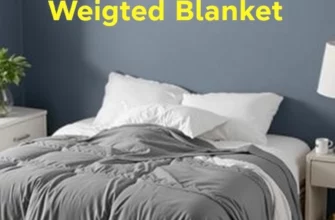
The aging nervous system frequently stays in a state of high alert, making it difficult to transition into deep, slow-wave sleep. By introducing a weighted blanket for seniors, caregivers can provide a non-pharmacological intervention that grounds the body and signals the brain to release calming neurotransmitters.
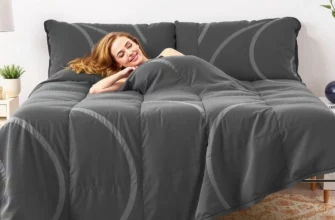
This tactile approach replaces the light, often shifting feel of traditional duvets with a consistent, stabilizing pressure. This change is not just about comfort; it is about biological regulation and assisting the body in finding its natural rhythm again.
How Deep Pressure Stimulation Works for the Aging Body
Deep pressure stimulation (DPS) functions much like a firm hug or a gentle massage, applying distributed weight across the body’s surface. This physical input encourages the brain to transition from the “fight or flight” sympathetic nervous system to the “rest and digest” parasympathetic nervous system.
When the parasympathetic system is engaged, the body naturally lowers its heart rate and reduces the production of cortisol, the primary stress hormone; For an older adult, lowering cortisol levels by even a small margin can significantly improve the quality of REM sleep and reduce nighttime wakefulness.
Furthermore, this gentle pressure for sleep helps boost the production of serotonin, which is a precursor to melatonin. Since melatonin production naturally declines with age, using a weighted tool to stimulate this chemical pathway is a highly effective way to regulate the circadian rhythm without external supplements.
Calming the nervous system through DPS also addresses “sensory seeking” behaviors. Many seniors with age-related neurological changes feel physically ungrounded, and the heavy sensation of glass beads or specialized pellets provides the proprioceptive input their brain craves to feel safe and secure.
Calming the Storm: Using a Weighted Blanket for Dementia Patients and Sundowning
Dementia care often involves managing “sundowning,” a phenomenon where patients experience increased confusion, anxiety, and agitation as the sun sets. This late-day distress can lead to pacing, vocalizing, and a total inability to rest, which exhausts both the patient and the caregiver.
A weighted anxiety blanket in dementia care acts as an anchor, providing a physical boundary that helps the individual understand where their body ends and the environment begins. This grounding effect is often enough to break the cycle of evening confusion and prevent the escalation of aggressive behaviors.
| Feature | Standard Weighted Blanket | Weighted Lap Pad / Blanket |
|---|---|---|
| Primary Use | Full-night sleep and bed rest. | Daytime seated use and wheelchair transport. |
| Weight Range | 7 lbs to 15 lbs for seniors. | 2 lbs to 5 lbs. |
| Mobility Impact | Higher; requires strength to shift. | Minimal; very easy to remove quickly. |
| Best For | Insomnia and night-time wandering. | Sundowning, anxiety in recliners, and meals. |
Reducing Agitation and Anxiety During the Evening Hours
Managing evening confusion requires a multi-sensory approach that addresses the fear associated with fading light and cognitive decline. By placing a weighted blanket over a patient during the early evening, caregivers can often pre-emptively lower the baseline of anxiety before sundowning peaks.
This grounding technique using weight provides a constant, unchanging sensory input that does not require the patient to process complex information. In many clinical settings, the introduction of these blankets has led to reducing the need for pharmacological interventions like sedatives or antipsychotics, which often carry heavy side effects for the elderly.
The sensation of weight also helps inhibit the urge to pace aimlessly. By providing enough tactile feedback to satisfy the body’s need for movement, the blanket allows the person to remain seated or lying down comfortably, which directly lowers the risk of falls associated with wandering in a confused state.
Specialized Support: Weighted Blankets for Alzheimers Patients and Sensory Regulation
Alzheimer’s disease often strips away the ability to process environmental cues, leaving many patients feeling detached or physically lost. For those in their late 60s, 70s, or 80s, sensory feedback becomes one of the few reliable ways to communicate a sense of comfort and safety.
A weighted blanket for adults with Alzheimer’s serves as a physical anchor to the world, offering a constant “reminder” of the body’s presence. This is particularly important because sensory processing difficulties can make even a soft breeze or a flickering light feel threatening to someone with advanced memory loss.
By cocooning the individual in a gentle, weighted layer, we create a sensory-neutral environment. This reduces the “noise” of the room and allows the patient to focus on the internal feeling of being held, which is a universal human signal for safety that remains intact even when cognitive memory fades.
Addressing Tactile Needs with Fidget Blankets
Restless hands are a hallmark of Alzheimer’s and other forms of dementia, often leading to skin picking or the repetitive pulling of clothing. Integrating tactile sensory tools into a weighted format addresses two needs at once: calming the central nervous system and occupying the hands.
The best weighted fidget blankets for elderly sensory engagement include built-in textures like soft faux fur, smooth silk, and raised bumps. Adding functional elements like large zippers, wooden buttons, or fabric loops allows the user to engage in rhythmic, repetitive motions that are naturally soothing.
Fidgeting and memory loss are deeply linked to the need for stimulation. By providing a safe, productive outlet for this energy, caregivers can reduce the patient’s frustration and prevent the destruction of standard bedding or clothing. These blankets transform a tool for sleep into a tool for active, calm engagement during the day.
Tactile Relief: The Versatility of Weighted Lap Blankets for Dementia
While full-sized blankets are excellent for nighttime, they are often too cumbersome for daytime use or for individuals who spend much of their time in a wheelchair or recliner. Weighted lap blankets for dementia offer a portable, less restrictive alternative that still provides the core benefits of deep pressure.
These smaller versions are designed to sit across the thighs or the torso, targeting the largest muscle groups to trigger a systemic calming response. They are particularly effective during transitions, such as moving from a private room to a common dining area, where environmental overstimulation is common.
- Quick Removal: Lap weights can be pushed off instantly by the user, ensuring they never feel trapped or restricted.
- Targeted Pressure: They focus weight on the lower body, which is highly effective for dampening the “restless leg” sensations common in the elderly.
- Social Integration: Because they look like a standard throw or lap robe, they don’t look “clinical,” helping to maintain the dignity of the senior in public spaces.
Portability and Ease of Use in Senior Care Settings
In senior care settings, portable calming tools are essential for maintaining a calm atmosphere without the use of physical restraints. A lap weight can be moved easily between a wheelchair and a lounge chair, ensuring the senior has access to sensory regulation during high-stress times like medical exams or family visits.
Maintaining body temperature without overheating is a major concern for the elderly, whose internal thermostats are often compromised. Lap weights allow for therapeutic pressure without covering the chest or neck, which prevents the dangerous core temperature spikes that full blankets might cause in a seated position.
For caregivers, these tools are significantly easier to manage. They require less physical effort to place and remove, and they rarely interfere with mobility aids like walkers or oxygen tubing, making them a safer choice for seniors who are still somewhat active during the day.
Critical Safety Standards: Choosing the Right Weight for Older Adults
Safety is the absolute priority when introducing weighted therapy to an aging population. While the “10% of body weight” rule is a standard guideline for younger adults, seniors often require a lighter ratio—closer to 5% to 7%—to account for muscle wasting, fragile skin, and potential respiratory limitations.
A blanket that is too heavy can become a hazard rather than a help. For an elderly person with limited upper-body strength, the weight must never be so high that they cannot independently push the blanket off. If a user feels trapped, the resulting panic can lead to a dangerous spike in blood pressure or heart rate.
Critical Safety Rule: Never use a weighted blanket with a senior who has COPD, severe asthma, or any condition that limits chest expansion. The external pressure can make it significantly harder for them to take deep breaths, leading to hypoxia.
- Check Skin Integrity: Avoid using weighted blankets on seniors with parchment skin, active shingles, or open pressure ulcers, as the friction and weight can cause skin tears.
- Monitor for Entrapment: Ensure the blanket is not so large that it bunches up and creates a suffocation risk if the user shifts during the night.
- Consult with Doctors: Always check with a GP before using weight on individuals with congestive heart failure or circulation issues like advanced edema.
- Choose Glass Beads: Opt for micro-glass beads over plastic pellets, as they distribute weight more evenly and prevent “hot spots” of pressure on fragile joints.
When To Avoid Weighted Therapy: Red Flags for Caregivers
Caregivers must be vigilant about respiratory issues and chest pressure. If a senior shows signs of labored breathing, or if they are unable to reposition themselves in bed, the blanket must be removed immediately. Senior mobility concerns often fluctuate, so a blanket that was safe last month may become a risk if the individual has a health setback.
Fragile seniors with advanced osteoporosis also require caution. The pressure of 15 pounds concentrated on a single hip or knee joint can cause discomfort or even micro-fractures in extremely brittle bones. Always prioritize a “light and wide” distribution of weight to ensure no single joint is bearing the brunt of the load.
Beyond Dementia: Benefits for Acquired Brain Injury and Neurological Health
The application of weighted blankets for adults with acquired brain injury (ABI) is a growing field in neuro-rehabilitation. Following a stroke or a traumatic brain injury (TBI), the brain’s ability to interpret sensory data is often damaged, leading to a permanent state of hyperarousal or “sensory flooding.”
Weighted therapy provides the proprioceptive feedback necessary to help the brain re-map the body’s position in space. This is essential for patients who have lost sensation in a limb; the weight provides a clear signal to the somatosensory cortex, helping to reduce the “phantom” sensations or the feeling of limb disconnection.
The empathetic use of weight helps bridge the gap between clinical therapy and home-based recovery. It allows the individual to manage their own “fight or flight” response, giving them a sense of control over their neurological recovery tools during a time when much of their life feels out of their hands.
Rebalancing the Nervous System After Neurological Trauma
Neurological recovery tools like weighted blankets help dampen the “startle reflex” that is often exaggerated after a brain injury. By providing a constant, predictable stimulus, the blanket prevents the brain from overreacting to minor environmental noises or movements.
Brain injury rehabilitation often focuses on neuroplasticity, and providing a calm, low-stress environment is vital for new neural pathways to form. When the body is not wasting energy on a stress response, that energy can be redirected toward cognitive and motor skill recovery.
Reducing post-trauma hyperarousal also leads to better sleep cycles, which are non-negotiable for brain healing. A brain that cannot sleep cannot repair itself; therefore, using weight to induce natural sleep is one of the most effective non-invasive ways to support long-term ABI recovery.
Buying Guide: Fabric, Filling, and Regional Standards
When selecting a blanket, the material is just as important as the weight. For seniors, cooling bamboo or high-thread-count cotton is usually superior to fleece. Older adults often have difficulty regulating their body temperature, and synthetic fabrics can lead to night sweats and dehydration.
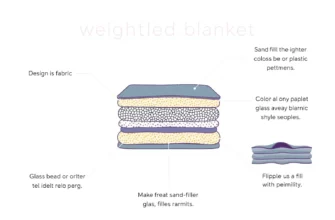
Filling choice also matters for safety and comfort. High-quality blankets use micro-glass beads because they are denser and thinner than plastic, allowing the blanket to be less bulky. This reduced bulk makes it easier for a senior to manipulate the fabric and prevents the “bean bag” feel that can be distracting or uncomfortable.
- UK Standards: If buying a weighted blanket for the elderly in the UK, look for the CE mark or compliance with BS EN standards to ensure non-toxicity and fire safety.
- TOG Ratings: Be mindful of the TOG rating; a weighted blanket with a high TOG (thermal resistance) can be dangerous in summer months for those who cannot easily remove it.
- Filling Security: Ensure the blanket has small, quilted pockets (approx 4-5 inches) to prevent all the beads from sliding to one side, which creates uneven and potentially unsafe pressure.
Hygiene and Maintenance for Long-Term Care
In a senior care or home-care environment, hygiene is a logistical hurdle. Incontinence management is a reality for many, and a weighted blanket that cannot be cleaned is a wasted investment. Always choose a blanket with a removable, waterproof, and high-temperature washable duvet cover.
Senior-friendly bedding must be able to withstand frequent laundering without losing its structural integrity. Look for hypoallergenic fillings that do not harbor dust mites or allergens, as respiratory health is often fragile in the over-70 population; Easy-to-clean blankets with hidden zippers are the gold standard for maintaining a sterile and comfortable environment.
Expert Perspective: A Geriatric Occupational Therapists Perspective on Weighted Therapy
In my professional experience, the biggest mistake caregivers make is choosing a blanket that is too heavy because they believe “more weight equals more calm.” I always advise starting with the lightest possible therapeutic weight—sometimes as low as 5 pounds—to test the senior’s reaction. Weight should never feel restrictive; it should feel like an invitation to relax. I have seen patients with advanced dementia become highly distressed when they feel they cannot move their legs freely. My rule of thumb is that if the user cannot lift the blanket off their own chest with one hand, it is a safety hazard; We must also be incredibly careful with skin integrity; for the very frail, I often recommend placing the weighted blanket over a standard flat sheet to prevent any direct friction between the beads and the skin.
Frequently Asked Questions
Yes, but only under close supervision. The user must have the cognitive and physical ability to remove the blanket independently to prevent the risk of entrapment or respiratory distress.
What is the best weight for a 150lb senior?
While the standard is 15lbs, for an elderly user, it is safer to start with 7 to 10lbs. This accounts for potential frailty and ensures the weight does not overwhelm aging joints.
Are weighted blankets safe for seniors with COPD?
Generally, no. Any condition that compromises breathing, such as COPD or sleep apnea, makes weighted blankets a significant risk because the pressure can hinder chest expansion.
What is a weighted fidget blanket?
It is a lap-sized weighted tool that includes tactile elements like zippers, buttons, and various textures. It is specifically designed to soothe restless hands in Alzheimer’s patients.
How do you clean a weighted blanket in a care home setting?
Use a removable, waterproof cover that can be washed at high temperatures. This protects the inner weighted beads while meeting clinical hygiene and infection control standards.
Can weighted blankets help with Restless Leg Syndrome (RLS) in the elderly?
Many seniors find that the steady pressure dampens the “crawling” sensations of RLS. This proprioceptive input helps settle the legs, leading to fewer nighttime disruptions and better sleep quality.