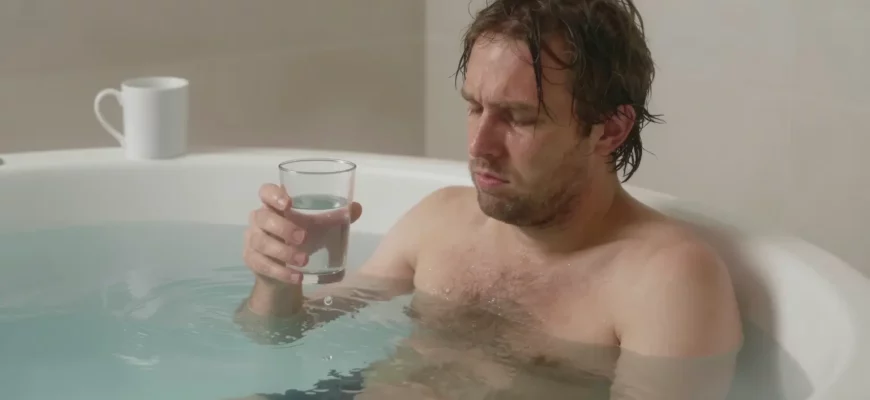
- Can a Cold Plunge Really Help Your Hangover?
- The Science of Waking Up Your Brain After Drinking
- The Critical Danger: Why You Should Never Cold Plunge While Drunk
- How Alcohol Affects Your Bodys Ability to Handle Cold
- Cold Plunge vs. Cocaine: Understanding the Dopamine Spike
- Can You Get Addicted to the Ice Bath?
- Debunking the Cold Plunge Detox Myth
- Does Cold Water Help Clear Alcohol from Your System?
- Managing Unexpected Side Effects: Vertigo, Tinnitus, and Digestion
- Why You Might Feel Dizzy or Hear Ringing
- The Cold Plunge Diarrhea Phenomenon
- Your Hangover Recovery Checklist
- Expert Perspective: A Medical Perspective on Cold Shock and Recovery
- Frequently Asked Questions
Can a Cold Plunge Really Help Your Hangover?
Walking to the freezer for ice after a night of overindulgence is a ritual for many, but submerging your entire body in a 50-degree tub is a different beast entirely. While the internet is flooded with anecdotes of “instant cures,” the reality of using cold water immersion to fight a hangover is rooted in complex neurobiology and significant physiological stress.
A hangover is not just dehydration; it is a multi-system inflammatory response coupled with a massive withdrawal of the central nervous system. When you introduce a cold shock to this fragile state, you are essentially “rebooting” your internal hardware through an aggressive hormonal surge.
The Science of Waking Up Your Brain After Drinking
Alcohol is a potent central nervous system depressant that lingers in your system long after the last glass is empty, leaving your brain in a state of sluggishness and chemical imbalance. When you enter cold water, your body triggers an immediate survival mechanism known as the cold shock response, which floods the bloodstream with norepinephrine.
This massive release of norepinephrine—sometimes increasing by up to 500%—acts as a chemical sledgehammer against the cognitive lethargy that follows drinking. By drastically increasing alertness and narrowing your focus, this hormonal surge provides a temporary way to feel more awake even when your cells are still struggling with the toxic byproducts of ethanol.
Beyond the immediate jolt, the cold helps in reducing the mental fog naturally by constricting peripheral blood vessels and forcing oxygenated blood toward the brain and vital organs. This process, known as vasoconstriction followed by vasodilation, creates a “flushing” effect that can temporarily sharpen your cognitive faculties, though it does not technically remove the alcohol from your blood.
The Critical Danger: Why You Should Never Cold Plunge While Drunk
There is a massive, life-saving distinction between being “hungover” and being “intoxicated” when it comes to cold water exposure. If there is still active alcohol in your bloodstream, a cold plunge transitions from a recovery tool to a high-risk medical emergency.
Alcohol is a vasodilator, meaning it forces your blood vessels to stay open and pumps warm blood toward your skin, which creates that “alcohol flush.” When you jump into freezing water while intoxicated, your body’s natural defense—vasoconstriction—is physically impaired by the alcohol, leading to a rapid drop in core body temperature and a heightened risk of hypothermia.
| Action | Why It Matters | Risk Level |
|---|---|---|
| Plunging while “Buzzed” | Alcohol prevents the heart from responding correctly to cold shock, increasing the risk of cardiac arrhythmia. | Critical |
| Plunging while Dehydrated | Low blood volume makes the heart work twice as hard to maintain pressure during the plunge. | High |
| Waiting 12+ Hours | Allows the liver to process the majority of ethanol, making the cold shock safer for the central nervous system. | Safe |
How Alcohol Affects Your Bodys Ability to Handle Cold
The most dangerous interaction between alcohol and ice water is the suppression of the shivering response. Shivering is your body’s primary way of generating heat; alcohol numbs the hypothalamus, the brain’s thermostat, making you feel warmer than you actually are while your core temperature plummets.
Furthermore, the initial gasp reflex when hitting cold water is intensified when the heart is already stressed by alcohol’s metabolic demands. This creates a perfect storm for “dry drowning” or sudden cardiac arrest, as the heart struggles to manage the conflicting signals of alcohol-induced relaxation and cold-induced adrenaline.
Staying safe in cold water requires a sober mind and a stable heart rate, two things that are rarely present in the hours immediately following a party. If you are still feeling the “spin” or are visibly uncoordinated, stay out of the water and prioritize oral rehydration until your coordination returns;
Cold Plunge vs. Cocaine: Understanding the Dopamine Spike
The comparison between cold water immersion and illicit stimulants has gained traction recently, largely due to neurobiological research showing that a 14-minute soak in 68°F water can raise dopamine levels by 250%. Unlike the “spike and crash” cycle of substances, the dopamine increase from cold water is a slow, steady rise that can last for several hours.
For someone suffering from a “hangover depression”—the low-mood state caused by alcohol’s depletion of reward chemicals—this natural dopamine boost can be life-altering. It provides a bridge of mental stability that helps the individual move through the day without the crushing weight of post-alcohol anxiety or “hangxiety.”
Can You Get Addicted to the Ice Bath?
Because the “high” from a cold plunge is so profound and biologically “clean,” some users find themselves chasing the cold shock with the same intensity they once used for other substances. While a natural dopamine boost is generally healthy, the physiological stress of the ice bath can become a compulsive behavior if used to mask deeper issues.
Signs of a cold plunge addiction often mirror other behavioral dependencies, such as the need for increasingly colder temperatures or longer durations to achieve the same mood-lifting effect. To maintain a healthy relationship with the practice, limit your plunges to no more than once per day and focus on the therapeutic benefits rather than the “rush.”
Debunking the Cold Plunge Detox Myth
It is a common misconception that you can “sweat out” or “freeze out” a hangover. The reality is that your liver and kidneys are the only organs capable of processing acetaldehyde, the toxic byproduct of alcohol metabolism. Cold water immersion does not speed up the enzymatic breakdown of alcohol in the liver.
Myth: Cold plunging speeds up alcohol metabolism and clears your system faster.
Fact: Alcohol metabolism is a fixed rate determined by your liver enzymes. While cold water improves circulation and makes you feel more alert, it does not lower your Blood Alcohol Content (BAC) any faster than sitting on a couch.
Does Cold Water Help Clear Alcohol from Your System?
While the cold won’t help your liver work faster, it does significantly impact the lymphatic system. By causing the lymph vessels to contract and relax, the cold plunge acts as a “pump” for the body’s waste removal system, which can help move inflammatory markers out of the muscle tissue.
This improved circulation is why people often feel physically “lighter” after a plunge. However, you must be careful; excessive cold exposure can actually divert blood flow away from the liver to protect the core, which may theoretically slow down the very metabolic processes you are trying to support.
Managing Unexpected Side Effects: Vertigo, Tinnitus, and Digestion
Not everyone emerges from an ice bath feeling like a superhero. For many hungover individuals, the sudden temperature shift triggers a cascade of unpleasant vestibular and digestive side effects that can make the hangover feel significantly worse.
The connection between your ears, your gut, and the cold water is mediated by the vagus nerve and the vestibular system. Common complaints after a recovery plunge include:
Why You Might Feel Dizzy or Hear Ringing
Dizziness after a plunge is often the result of the “caloric reflex test” happening in real-time. If cold water enters your ear canal unevenly, it changes the temperature of the fluid in your inner ear, creating a convection current that your brain interprets as movement.
If you are already dealing with dizziness after a plunge, it is likely because your vestibular system was already sensitized by alcohol. Similarly, ringing in the ears from cold water occurs because the cold causes the tiny blood vessels in the ear to constrict, altering the internal pressure of the ear canal and temporarily aggravating existing tinnitus.
The Cold Plunge Diarrhea Phenomenon
Many users are surprised to find themselves rushing to the bathroom after an ice bath. This is not a coincidence; it is a direct result of the mammalian dive reflex and the activation of the sympathetic nervous system. The “fight or flight” response triggered by the cold causes the smooth muscles in the gut to contract.
When you combine this with the fact that alcohol is already an irritant to the gastrointestinal lining, the result is often an upset stomach after an ice bath. If you have a sensitive stomach, avoid plunging on an empty or highly irritated gut to minimize the risk of sudden GI distress.
Your Hangover Recovery Checklist
If you decide to use cold water as a recovery tool, you must do so with a structured, safety-first approach. Jumping in blindly while dehydrated is a recipe for a medical emergency.
- Hydrate First: Drink at least 20 ounces of water with electrolytes 30 minutes before entering the water.
- Check Your Sobriety: Ensure you are at “Zero” BAC. If you feel any lingering intoxication, skip the plunge.
- Temperature Control: Aim for 50-55°F. Do not go for “record-breaking” cold when your body is already stressed.
- Time Limit: Stay in for no more than 2 to 3 minutes. The goal is a hormonal reset, not hypothermia.
- The Exit Strategy: Have a warm towel and dry clothes ready immediately. Do not take a hot shower right away, as the rapid vasodilation can cause you to faint (the “afterdrop” effect).
Expert Perspective: A Medical Perspective on Cold Shock and Recovery
In my professional experience working with athletes and high-performance individuals, I have seen that the “all-or-nothing” mentality of cold plunging is the biggest risk factor for injury. When you are hungover, your hemodynamic stability is compromised; your blood pressure is erratic and your heart is working overtime to manage dehydration. I always advise my clients to treat the cold plunge as a supplemental neurological tool rather than a physical detox. A gradual re-entry into the cold—perhaps starting with just the face or a cool shower—is far safer for a hungover heart than a sudden jump into an ice tub. Remember, your goal is to soothe the nervous system, not to further traumatize it.
Frequently Asked Questions
It depends on the severity. If you are experiencing vomiting, extreme dizziness, or severe dehydration, a cold plunge can cause a dangerous spike in blood pressure and heart strain. It is best to wait until the peak of the hangover has passed and you are fully rehydrated.
Why do I get diarrhea after a cold plunge?
The cold shock triggers a sympathetic nervous system response that causes the smooth muscles in your digestive tract to contract. This, combined with the dive reflex, can speed up bowel movements and lead to temporary gastrointestinal urgency.
Can cold plunging help with alcohol withdrawal?
Cold plunging can help stabilize mood by boosting dopamine and norepinephrine, which may alleviate mild withdrawal symptoms like “hangxiety.” However, clinical alcohol withdrawal is a serious medical condition that requires professional supervision, not just an ice bath.
How long should I stay in the water for hangover relief?
Keep it short. 1 to 3 minutes is more than enough to trigger the desired hormonal release without over-stressing your already taxed cardiovascular system.
Does cold plunging cause tinnitus to get worse?
Yes, temporary flares are common. Cold water entering the ear canal causes vasoconstriction and pressure changes that can aggravate the auditory nerves, leading to increased ringing in the ears during or after the plunge;
What is the best temperature for a recovery plunge?
When recovering from alcohol, avoid extreme temperatures. Aim for a moderate range of 50°F to 55°F (10°C to 13°C) to get the benefits without the extreme physical shock of near-freezing water.