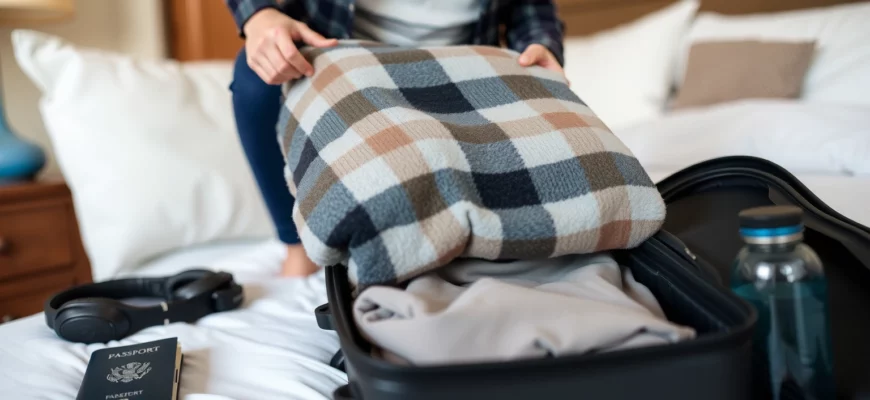
- Mastering the Logistics of How to Travel with a Weighted Blanket
- Navigating TSA and Airline Weight Restrictions
- Space-Saving Packing Hacks for Heavy Blankets
- A Travel Checklist: Preparing Your Blanket for the Journey
- Understanding the Role of Loops and Hooks on Your Weighted Blanket
- What are the loops on my weighted blanket for?
- Using Hooks and Ties to Maintain Even Weight Distribution
- Troubleshooting Damage: Dealing with Leaks and Clumping
- Why is my weighted blanket losing beads?
- How to keep beads from clumping in a weighted blanket
- Fill Material Comparison: Durability on the Go
- Can I Sew My Own Weighted Blanket or Repair a Leak?
- Repairing a weighted blanket when beads slide out
- DIY Maintenance: Can glass beads in a weighted blanket crack?
- Hygiene and Odor Control: Why Does My Weighted Blanket Smell Bad?
- Banishing Odors and Keeping the Fabric Fresh
- Common Travel Mistakes to Avoid with Heavy Bedding
- Expert Perspective: Sensory Travel Gear
- Frequently Asked Questions
Mastering the Logistics of How to Travel with a Weighted Blanket
Traveling often triggers a spike in cortisol, leaving your nervous system in a state of high alert. Bringing a weighted blanket along can be a game-changer, as the deep pressure stimulation helps ground your body and signals the brain to release serotonin and melatonin, even in an unfamiliar hotel room.
The challenge lies in the sheer physics of the item. Navigating airports or packing a trunk with a 15-to-20-pound leaden object requires a strategic approach to avoid physical strain or unexpected fees. You must view your blanket not just as bedding, but as a specialized piece of heavy sleep gear that demands its own logistical plan.
Navigating TSA and Airline Weight Restrictions
When flying, the first hurdle is the scale. Most domestic airlines enforce a strict 50-pound limit for checked luggage, and a standard weighted blanket can consume nearly 40% of that allowance instantly. If you are pushing the limit, consider weighing your suitcase at home with a digital luggage scale before heading to the terminal to avoid the dreaded “overweight” tag and its associated $50 to $100 fees.
For carry-ons, the rules are different. While TSA security screening does not technically prohibit weighted blankets, the high density of micro-glass beads can appear as a solid, dark mass on X-ray machines. This often triggers a manual bag search. To speed up the process, place your blanket in its own bin or at the top of your bag and proactively inform the agent that it is a sensory sleep aid containing glass or plastic beads.
Space-Saving Packing Hacks for Heavy Blankets
The primary enemy of a packed suitcase is volume, not just weight. Weighted blankets are notoriously bulky, but you can reduce their footprint by up to 50% using high-quality vacuum seal storage bags. By removing the air trapped between the fabric layers, you transform a floppy, oversized item into a flat, rigid brick that slides easily into the bottom of a hard-shell suitcase.
If your luggage is already full, the “wear it or carry it” strategy is a bold but effective alternative. Since most airlines do not weigh personal items like small pillows or blankets carried over the arm, you can drape the blanket over your shoulders during boarding. This not only saves luggage space but also provides immediate anxiety relief during the high-stress boarding process and the flight itself.
A Travel Checklist: Preparing Your Blanket for the Journey
- Inspect all seams and reinforced edges for thinning fabric or loose threads to prevent a bead leak in your suitcase.
- Remove the outer duvet cover and wash it separately before travel to ensure you are starting the trip with a fresh, hygienic surface.
- Check the manufacturer’s label to confirm the fill material; knowing if you have glass beads versus plastic pellets is vital if you need to explain the item to security.
- Apply a fabric protector spray to the outer layer if you plan on using the blanket without a cover during transit to repel spills and stains.
- Verify the internal ties are double-knotted to the loops to prevent the weight from shifting into a single corner during the vibrations of travel.
- Pack a small emergency repair kit containing a curved upholstery needle, heavy-duty nylon thread, and a roll of fabric tape.
Understanding the Role of Loops and Hooks on Your Weighted Blanket
If you have ever looked at the edges of your blanket and wondered why there are small fabric tabs, you are looking at the most critical structural components of the product. These loops are not for hanging the blanket—doing so would stretch the fabric and potentially cause the seams to burst under the concentrated weight.
Instead, these features are designed to integrate the heavy internal “core” with a protective outer shell. Without a secure connection, the weighted portion would slide around inside the cover like a loose bag of sand, creating a frustrating and ineffective sleep experience where the weight is never where you need it.
What are the loops on my weighted blanket for?
The primary purpose of the loops is to provide anchor points for the ribbons or ties found inside a weighted-specific duvet cover. By threading the ribbon through the loop and securing it with a firm knot, you lock the two layers together. This prevents the “clumping effect,” where the heavy beads migrate to one side of the bed while the cover stays in place.
Using these loops is especially important during travel. The constant movement of luggage—from car trunks to overhead bins—tends to displace the internal glass beads. A properly tied cover ensures that when you finally unfold your gear at your destination, the weight remains evenly distributed across your body rather than bunched up in a heavy, useless ball at your feet.
Using Hooks and Ties to Maintain Even Weight Distribution
Some premium blankets utilize plastic hooks or reinforced snap-ties instead of simple fabric loops. These are often superior because they reduce the friction on the fabric, preventing the ties from sawing through the loops over time. When attaching these, ensure the weight is spread across at least eight to twelve connection points around the perimeter.
If you find that the weight is still shifting, the issue may be the knot itself. I recommend using a surgeon’s knot or a double-looped bow to ensure the ribbons don’t vibrate loose during a long flight or bumpy car ride. This maintains the structural integrity of the “pocket-quilt” design, ensuring each square of micro-glass beads stays in its designated zone to provide consistent pressure.
Troubleshooting Damage: Dealing with Leaks and Clumping
There is nothing more frustrating than finding a “sand-like” grit at the bottom of your suitcase. This is a clear sign of a structural failure. Because weighted blankets are under constant internal tension from the heavy fill, even a microscopic hole can lead to a total loss of beads over the course of a single trip.
Identifying the cause of the leak is the first step toward a fix. While some leaks are caused by external snags on luggage zippers, many are the result of seam fatigue where the heavy-duty thread has finally snapped under the weight of the beads. You must act quickly, as a leaking blanket can become unbalanced and lose its therapeutic effectiveness within hours.
Why is my weighted blanket losing beads?
If you notice fine, white dust or small clear spheres, you are likely dealing with a seam failure. In cheaper blankets, manufacturers often use single-stitch seams that cannot withstand the 20-pound pressure of the fill. Furthermore, blankets filled with sand or “micro-sand” (often found in brands like UGG) are more prone to leaking because the fill particles are small enough to pass through the weave of the fabric itself if it becomes worn.
Glass bead leaks are generally easier to manage because the beads are larger and don’t “dust” as much as sand. However, glass bead leakage is often a sign that the inner lining has been compromised, possibly by sharp objects in your luggage. If you find a leak, immediately use a lint roller to pick up the loose beads to prevent them from getting into your clothing or the hotel carpet, where they can be difficult to remove.
How to keep beads from clumping in a weighted blanket
Bead bunching or clumping usually occurs when the internal “baffles” or pocket stitches break. When these stitches fail, the beads from multiple pockets merge into one large chamber, creating a heavy lump. To prevent this, never shake your weighted blanket like a standard comforter; the centrifugal force of the heavy beads can easily rip through the internal mesh walls.
To fix uneven weight while on the road, lay the blanket flat on the floor and manually massage the beads back into their respective pockets. If you feel a “gap” where a stitch has failed, you can temporarily isolate that section using a heavy-duty safety pin or a binder clip until you can perform a permanent sew-job; This keeps the weight centered and prevents the “sausage roll” effect during the night.
Fill Material Comparison: Durability on the Go
| Fill Material | Durability Rating | Leak Risk | Travel Pros/Cons |
|---|---|---|---|
| Micro-Glass Beads | High | Low | Best for travel; high density allows for a thinner, more packable blanket. |
| Plastic Poly-Pellets | Medium | Medium | Bulkier than glass; can be noisy (shuffling sound) in quiet hotel rooms. |
| Steel Shot Beads | Very High | Very Low | Extremely durable but can be loud and may trigger sensitive airport metal detectors. |
| Sand/Micro-Fill | Low | High | Often found in budget blankets; prone to leaking through fabric pores and holding moisture. |
Can I Sew My Own Weighted Blanket or Repair a Leak?
Repairing a weighted blanket is not like mending a pair of socks; it requires industrial-strength materials and a specific technique. Because the fabric is under constant stress, a simple hand-stitch with standard cotton thread will likely snap the first time you pull the blanket up. You need to use bonded nylon or polyester thread, which has the tensile strength to hold the weight.
If you are considering a DIY project to create a travel-sized weighted lap pad, remember that the distribution of weight is more important than the total weight. Creating smaller 3-inch pockets ensures the beads don’t shift, providing a more consistent sensory experience while reducing the strain on any single seam.
Repairing a weighted blanket when beads slide out
If a leak occurs while you are at a hotel, an emergency repair is necessary. Do not try to sew it by hand if you don’t have heavy thread; instead, use heavy-duty fabric tape or even a small piece of Gorilla tape on the inside of the duvet cover as a temporary seal. This prevents more beads from escaping until you can get to a sewing machine.
For a permanent fix, the best sewing machine for weighted blankets is a heavy-duty or industrial model with a walking foot. A standard home machine may struggle to pierce multiple layers of thick cotton or minky fabric, especially if beads are stuck in the seam path. Always use a Denim needle (size 100/16) to ensure the needle doesn’t deflect or break when hitting the heavy fabric layers.
DIY Maintenance: Can glass beads in a weighted blanket crack?
A common concern is whether the micro-glass beads can shatter or crack during the rough handling of air travel. High-quality micro-glass beads are tempered and extremely resilient; they are essentially tiny spheres of solid glass that can withstand significant pressure. It is highly unlikely they will crack from a drop or being stepped on.
However, sand-filled pockets are a different story. Sand can “break down” into finer dust over time due to friction, which then migrates through the fabric weave. If you notice your blanket feels “thinner” or “dusty” after a long trip, the internal sand pockets may be degrading. In this case, it might be time to upgrade to a glass-bead model, which offers much better long-term durability for frequent travelers.
Hygiene and Odor Control: Why Does My Weighted Blanket Smell Bad?
Weighted blankets are magnets for moisture. During travel, they are often crammed into dark, airtight suitcases where sweat and humidity can’t escape, leading to a musty or sour odor. Because the fill material (especially plastic pellets or sand) can trap heat, the blanket becomes a breeding ground for bacteria if not dried properly after use.
To prevent odors, always use a removable duvet cover. It is much easier to wash a thin cotton cover in a hotel laundry room than it is to clean a 20-pound blanket. If the blanket itself starts to smell, do not just spray it with perfume, as this only masks the bacteria and can lead to skin irritation during long periods of contact.
Banishing Odors and Keeping the Fabric Fresh
If you must wash the entire blanket, check the weight capacity of the washing machine first. Most home top-loaders with an agitator will be damaged by a 20-pound blanket. Instead, visit a local laundromat and use a large-capacity front-loading commercial washer. Use cool water and a gentle cycle to prevent the internal stitching from ripping under the weight of the water-soaked fabric.
For a quick travel fix, sprinkle baking soda over the blanket and let it sit for 30 minutes before vacuuming it off with a hotel vacuum attachment. This neutralizes odors without adding moisture. To keep it fresh during transit, tuck a few cedar chips or high-quality dryer sheets into the vacuum seal bag before shrinking it down for your return flight.
Common Travel Mistakes to Avoid with Heavy Bedding
Critical Warning: Never place a weighted blanket in a standard tumble dryer on high heat. The intense heat can melt plastic poly-pellets or damage the glue used in some reinforced seams, leading to a catastrophic “bead explosion” inside the dryer drum.
- Forgetting the “Suitcase Tare”: Many travelers forget that a high-quality suitcase can weigh 10-12 pounds on its own. Adding a 20-pound blanket leaves you with very little room for clothes before hitting the 50-pound airline limit.
- Using a thin, non-weighted duvet cover: Standard duvet covers lack the internal ties needed to secure the blanket. Without these, the blanket will clump into a ball, making it impossible to sleep comfortably.
- Ignoring the “No-Hang” rule: Never drape your weighted blanket over the handle of your rolling luggage. The constant bouncing puts extreme PSI on the fabric, which can cause the beads to tear through the bottom of the blanket.
- Packing it wet: Even a slightly damp blanket will develop mold and permanent odors if sealed in a plastic bag for a 12-hour travel day. Ensure it is 100% bone-dry before packing.
Expert Perspective: Sensory Travel Gear
In my professional experience assisting clients with sensory processing disorders and travel anxiety, I have found that the logistical headache of a weighted blanket is almost always worth the effort. However, the most successful travelers are those who prioritize portability without sacrificing the “grounding” effect. If a full-sized blanket is simply too heavy for your flight, I always advise switching to a 7-pound weighted lap pad. It provides the same nervous system regulation for the legs and core—where many people hold their tension—but fits easily into a backpack. Remember, the goal is sustained proprioceptive input, not necessarily total body coverage, to keep your “fight or flight” response in check during transit.
Frequently Asked Questions
Yes, they are allowed in both carry-on and checked bags. However, be prepared for a manual bag search as the dense beads can block X-ray visibility, making it look suspicious to TSA agents.
Will a weighted blanket leak if it gets folded too much during travel?
High-quality blankets with reinforced double-stitching and glass beads should not leak from folding. However, cheaper sand-filled versions can leak if the fabric weave is stressed or stretched repeatedly.
What should I do if my Therapedic or UGG weighted blanket starts leaking glass beads?
Immediately seal the hole with heavy-duty fabric tape or a needle and nylon thread. Use a lint roller to safely collect the loose beads from your luggage or bedding.
How do I use the loops on my weighted blanket effectively?
You must tie the internal ribbons of a specialized duvet cover through each loop using a secure knot. This keeps the weighted core from shifting and clumping during movement.
Is it better to check a weighted blanket or carry it on?
Check it if you want to avoid physical exhaustion at the terminal, but be wary of overweight fees. Carry it on if you need anxiety relief during the flight and have the physical strength to manage the extra weight.
How do I fix a weighted blanket that smells musty after a trip?
Air-dry it in direct sunlight for several hours or use a commercial front-loading washer. For quick fixes, use baking soda to neutralize odors before vacuuming the surface.