- The Golden Rule: How Heavy is a Weighted Blanket Supposed to Be?
- Determining the Ideal Weight for Adults
- Weight Recommendations by Age and Size
- Safe Weight Limits for Children and Toddlers
- Does Bed Size Change How Heavy a Blanket Should Be?
- The King and Queen Size Weight Trap
- Total Weight vs. Pressure: How the Weight is Measured
- Pellets, Fill, and Fabric Density
- What Does a 15lb or 20lb Blanket Actually Feel Like?
- Choosing Between Moderate and Heavy Loads
- Safety Protocols: When is a Blanket Too Heavy?
- Red Flags and Health Considerations
- Frequently Asked Questions
The Golden Rule: How Heavy is a Weighted Blanket Supposed to Be?
Selecting the right weighted blanket isn’t just about picking a cozy fabric; it is a physiological decision rooted in sensory science. The primary goal is to achieve deep pressure stimulation, a therapeutic technique that mimics the sensation of a firm hug or swaddling.
This physical pressure triggers the release of serotonin and dopamine while simultaneously reducing cortisol levels. To achieve this neurological shift without causing physical strain, the industry standard is to select a blanket that weighs approximately 10% of your total body weight.
Determining the Ideal Weight for Adults
For most adults, the 10% rule serves as the perfect baseline, but it is rarely a rigid requirement. Depending on your physical frame and comfort levels, you should aim for a range of 10% plus or minus two pounds to find your personal sweet spot.
If you are caught between two sizes—for instance, weighing 165 pounds and deciding between a 15-pound or 20-pound blanket—most specialists suggest rounding up if you want a more grounded sensation. However, if you struggle with joint pain or prefer to move freely during the night, opting for the lighter 15-pound option will prevent feelings of restriction while still providing significant proprioceptive input.
Weight Recommendations by Age and Size
One of the most frequent errors consumers make is assuming that a heavier blanket always yields better sleep. In reality, the effectiveness of the weight is relative to the user’s size, muscle mass, and even their bone density.
A blanket that feels like a gentle cloud to a 200-pound adult could feel like an immovable weight to a child or a petite senior. Always tailor the purchase to the specific individual rather than sharing a single heavy blanket across the household.
| User Weight | Recommended Blanket Weight | Ideal Blanket Dimensions |
|---|---|---|
| 40 – 70 lbs | 5 lbs | 36″ x 48″ (Small/Child) |
| 70 – 110 lbs | 7 – 10 lbs | 41″ x 60″ (Kids/Teen) |
| 110 – 150 lbs | 12 – 15 lbs | 48″ x 72″ (Individual) |
| 150 – 200 lbs | 15 – 20 lbs | 60″ x 80″ (Queen/Large) |
| 200+ lbs | 25 – 30 lbs | 80″ x 87″ (King/Extra Large) |
Safe Weight Limits for Children and Toddlers
When it comes to pediatric use, safety protocols are significantly more stringent because children have smaller lung capacities and less physical strength to shift a heavy load. Never use a weighted blanket for any child under the age of two, as it poses a severe suffocation risk.
For children over two, the formula shifts slightly to 10% of their body weight plus one to two additional pounds. This ensures the blanket stays in place during tossing and turning. It is vital to ensure the child can independently remove the blanket from their body without adult assistance to prevent any potential for trapping or respiratory distress.
Does Bed Size Change How Heavy a Blanket Should Be?
Many shoppers mistakenly buy a blanket based on their mattress size (Twin, Queen, or King) without realizing that larger blankets disperse weight over a wider surface area. If you place a 15-pound King-sized blanket on a bed, much of that weight will hang off the sides or cover empty space.
This results in less pressure actually reaching your body compared to a 15-pound Twin-sized blanket, which concentrates all the weight directly onto your frame. If you want the blanket to cover the entire bed, you must increase the total poundage to maintain the same “hug” factor.
| Blanket Size | Average Weight Range | Best Use Case |
|---|---|---|
| Twin (48″ x 72″) | 10 – 15 lbs | Single sleepers or sofa use |
| Queen (60″ x 80″) | 15 – 20 lbs | Standard adults / Shared beds |
| King (80″ x 87″) | 25 – 35 lbs | Maximum coverage for couples |
The King and Queen Size Weight Trap
The “trap” of larger blankets is the loss of density. A 20-pound Queen blanket might feel surprisingly light because the weight is spread across 33 square feet. To achieve a high-pressure therapeutic feel on a King bed, you may need a blanket weighing 30 pounds or more.
If you share a bed but your partner doesn’t want the extra weight, I recommend buying a personal-sized (Twin or Throw) weighted blanket just for yourself. This allows you to get the concentrated pressure you need without overwhelming your partner or losing the weight to the edges of the mattress.
Total Weight vs. Pressure: How the Weight is Measured
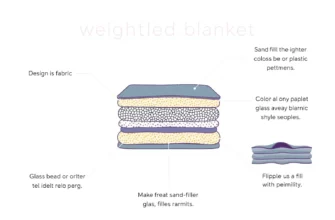
Weight is only half of the equation; density is the other. The materials used to fill the blanket—usually glass beads, plastic poly-pellets, or even weighted yarn—determine how much “bulk” you feel versus how much “pressure” you receive.
Understanding the construction helps you avoid blankets that feel like a lumpy bean bag. High-quality options use baffle-box stitching to ensure the weight remains evenly distributed and doesn’t pool in the corners of the blanket during the night.
Pellets, Fill, and Fabric Density
Glass beads are widely considered the premium choice because they are significantly smaller and denser than plastic pellets. Because of this density, glass-filled blankets are thinner and more breathable, preventing the overheating issues common with bulky plastic poly-fill.
The cover fabric also plays a role in the final scale reading. A “minky” or plush cover can add 2 to 3 pounds of weight compared to a lightweight cooling bamboo cover. If you are already at the upper limit of your recommended weight, choose a cotton or bamboo shell to keep the profile slim and the temperature regulated.
What Does a 15lb or 20lb Blanket Actually Feel Like?
Visualizing weight can be difficult until it is draped over your shoulders. A 15-pound blanket is often described as the “Goldilocks” weight for the average adult—it provides enough resistance to calm the nervous system but is light enough to fold, wash, and move between rooms without a workout.
A 20-pound or 25-pound blanket, however, feels much more substantial. It offers a “pinned down” sensation that many people with high anxiety or ADHD find incredibly grounding. However, these heavier loads can make it difficult to change sleeping positions, which may lead to stiffness in the morning for side sleepers.
- 10-12 lbs: Feels like a heavy winter comforter; ideal for teens and petite adults.
- 15 lbs: The standard adult feel; comparable to a firm, full-body hug.
- 20 lbs: Significant pressure; feels like a lead apron used in medical settings.
- 25+ lbs: Intense grounding; only recommended for those who have used 20lb blankets and found them insufficient.
Choosing Between Moderate and Heavy Loads
If you are new to weighted therapy, I suggest starting with a moderate 15-pound load. It is versatile enough for both sleeping and lounging on the couch. Heavier blankets (25 lbs and up) are typically reserved for specific therapeutic needs or for individuals with a very high body mass index who require more force to feel the compression through their soft tissue.
Remember that the heavier the blanket, the harder it is to maintain. Most household washing machines have a weight limit of 20 pounds; exceeding this can damage your appliance’s drum and suspension. If you go heavy, factor in the cost of professional laundering or look for a model with a removable, washable cover.
Safety Protocols: When is a Blanket Too Heavy?
While weighted blankets are generally safe, they are medical-grade tools that demand respect. A blanket is officially “too heavy” if it interferes with your ability to breathe deeply or if you feel a sense of panic or claustrophobia when under it.
The sensation should always be one of “containment,” not “confinement.” If you find yourself struggling to turn over or feeling persistent tingling in your limbs, the weight is likely restricting your circulation or motor function and should be swapped for a lighter version immediately.
- Respiratory Health: Avoid use if you have asthma, sleep apnea, or COPD, as the weight can impede the natural expansion of the chest cavity during sleep.
- Circulatory Issues: People with Type 2 diabetes or peripheral neuropathy should consult a doctor, as the pressure can mask or exacerbate poor circulation in the extremities.
- Physical Strength: Ensure the user has the grip strength and upper body mobility to push the blanket off their face and chest in an emergency.
- Post-Surgery: Never use a weighted blanket over fresh incisions or healing bones without explicit clearance from a surgeon.
Red Flags and Health Considerations
Always listen to your body’s immediate feedback. If you wake up with joint pain in your knees or hips, the blanket might be putting too much pressure on your skeletal alignment while you sleep on your side. In these cases, switching to a smaller “body-only” blanket that doesn’t cover your feet can alleviate the strain.
For elderly users, the 10% rule might be too aggressive due to thinner skin and more fragile bone structures. A 5% to 7% weight ratio is often safer for seniors, providing the calming benefits of deep pressure without the risk of bruising or restricted movement.
In my professional experience as an occupational therapist, I view the weighted blanket not just as bedding, but as a tool for nervous system regulation. We focus heavily on proprioceptive input—the brain’s ability to understand where the body is in space. When the right weight is applied, it “organizes” the central nervous system, effectively signaling the brain to switch from a sympathetic (fight-or-flight) state to a parasympathetic (rest-and-digest) state. I always advise my clients to focus on the quality of the pressure rather than just the number of pounds; a well-fitted 15-pound blanket will always outperform a poorly distributed 25-pound one.
Frequently Asked Questions
Following the 10% rule, a 15-pound blanket is the ideal starting point for a 150lb individual to achieve therapeutic deep pressure.
Is a 20lb weighted blanket too heavy for a queen size bed?
No, but because the weight is distributed over a 60″ x 80″ surface, it will feel lighter than a 20lb twin blanket. It is a great choice for most adults on a Queen bed.
Can I use a weighted blanket if I have a king size bed?
Yes, but to maintain the same pressure as smaller blankets, you may need a King-sized version weighing 25-30 pounds due to the increased surface area.
How do I know if my weighted blanket is too heavy?
If you experience shortness of breath, find it difficult to roll over, or feel “trapped” rather than hugged, the blanket is too heavy for your current physical state.
Are weighted blankets measured by total weight or weight per square inch?
They are sold by total weight, but the therapeutic effectiveness depends on density (PSI). A smaller blanket with the same total weight will always provide more intense pressure.
What is the average weight of a weighted blanket for a toddler?
Standard guidelines suggest 2 to 5 pounds, but only for children over age two who weigh at least 20-30 pounds. Always consult a pediatrician first.