- Do Weighted Blankets Really Improve Sleep Quality? The Science of Deep Pressure
- How Deep Pressure Stimulation Calms the Nervous System
- The Weight Dilemma: Is a 10, 12, or 15 lb Weighted Blanket Right for You?
- Decoding the 10% Rule: Why Blanket Weight Matters
- Brand Showdown: Are Luxome, Luna, and Gravity Blankets Worth the Premium?
- Luxome vs. Luna vs. Gravity: Which Brand Wins?
- Solving the Heat Problem: Are Weighted Blankets Safe for Hot Sleepers?
- The Truth About Temperature Balancing Fabrics
- Medical Considerations: Alzheimer’s, POTS, and Sensory Sensitivities
- Safety First: When to Avoid or Use Caution
- Couples and Shared Sleep: Do Weighted Blankets Work for Two People?
- The Logistics of a Queen or King Size Weighted Blanket
- The Final Verdict: Are Weighted Blankets Worth the Money?
- Investment vs. Outcome: Why Quality Matters
- Expert Perspective: The Occupational Therapist’s View
- Frequently Asked Questions
Do Weighted Blankets Really Improve Sleep Quality? The Science of Deep Pressure
Weighted blankets have transitioned from niche clinical tools used in occupational therapy to mainstream sleep essentials found in millions of bedrooms. The fundamental question of whether they actually work is best answered by looking at the biological shift they trigger within the human frame.
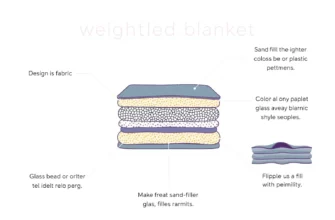
At the heart of this technology is a phenomenon known as Deep Pressure Stimulation (DPS). Unlike a standard comforter, these blankets use dense materials like glass beads or weighted discs to apply firm, consistent pressure across the entire body, effectively mimicking the sensation of a therapeutic hug or swaddling.
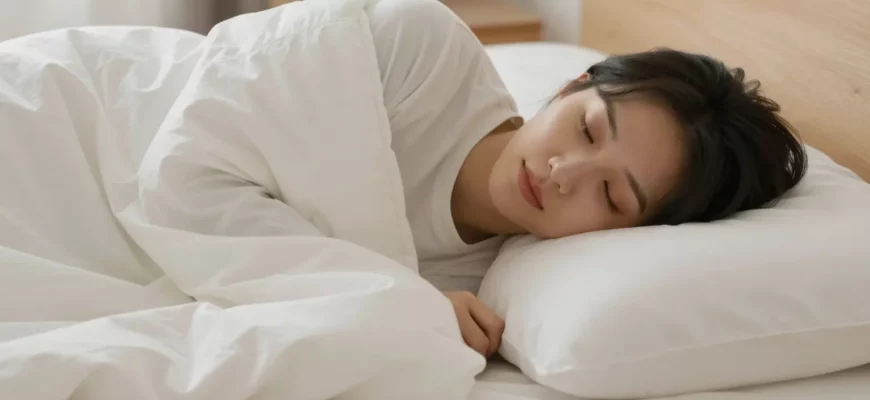
This physical input is not merely psychological; it initiates a cascade of neurochemical changes. By providing a constant tactile “grounding” force, the blanket encourages the body to move from a state of high-alert to one of physiological calm, which is the necessary precursor for deep, restorative sleep cycles.
How Deep Pressure Stimulation Calms the Nervous System
The human nervous system operates in two primary modes: the sympathetic (fight or flight) and the parasympathetic (rest and digest). When you suffer from anxiety or chronic stress, your sympathetic nervous system remains overactive, keeping cortisol levels high and preventing the onset of sleep.
Deep pressure works by stimulating the tactile receptors in the skin, which then send signals to the brain to increase the production of serotonin and dopamine. Serotonin is the chemical precursor to melatonin, the hormone responsible for regulating your internal clock and telling your body it is time to shut down for the night.
This process is particularly effective for individuals with sensory processing disorders. By organizing the sensory input the brain receives, the weighted pressure helps “quiet” the noise of the external environment, allowing the brain to focus on internal relaxation rather than reacting to every minor sound or temperature shift in the room.
The Weight Dilemma: Is a 10, 12, or 15 lb Weighted Blanket Right for You?
Choosing the wrong weight is the most common reason users report dissatisfaction with their purchase. A blanket that is too light fails to trigger the necessary Deep Pressure Stimulation, while one that is too heavy can feel restrictive, cause joint pain, or even lead to mild claustrophobia.
The industry standard suggests that a blanket should be approximately 10% of your total body weight. However, this is a guideline rather than a strict rule, as personal preference for pressure intensity and physical health conditions play a significant role in determining the ideal load.
For most average-sized adults, the 15 lb weighted blanket is the most popular choice because it provides enough mass to feel substantial without being overwhelming. If you fall between weight categories, such as weighing 135 lbs, you must decide whether you prefer a “gentle hug” (12 lbs) or a “firm squeeze” (15 lbs).
| User Body Weight | Recommended Blanket Weight | Best Use Case |
|---|---|---|
| 90 ― 120 lbs | 10 lbs | Petite adults or older teenagers; ideal for those who prefer light pressure. |
| 121 — 145 lbs | 12 lbs | The “Goldilocks” weight for many; provides significant pressure without heavy bulk. |
| 146 — 180 lbs | 15 lbs | The adult standard; provides deep pressure for most body types. |
| 181 ― 220 lbs | 20 lbs | Heavy-duty pressure; recommended for those with high sensory needs or larger frames. |
| 221+ lbs | 25 lbs+ | Specialized heavy blankets; ensure the user has the mobility to remove the blanket alone. |
Decoding the 10% Rule: Why Blanket Weight Matters
Selecting the right weight involves more than just a math equation; you must consider how that weight is distributed. A 15 lb blanket that is twin-sized will feel much heavier than a 15 lb blanket that is king-sized because the pressure per square inch is significantly higher on the smaller surface area.
If you are a petite user, starting with a 10 lb or 12 lb option is often safer. This prevents the sensation of being “pinned” to the mattress, which can increase heart rate rather than lowering it. For many, a 12 lb blanket serves as the perfect middle ground, offering more therapeutic benefit than a 10 lb version while remaining easier to move and wash than a 15 lb model.
It is also vital to consider physical strength. If you have chronic conditions like arthritis in your hands or wrists, a 15 lb blanket might be difficult to adjust during the night. In these cases, opting for a slightly lighter weight—around 7% to 8% of body weight—can still provide the calming effects of DPS without causing physical strain or discomfort.
Brand Showdown: Are Luxome, Luna, and Gravity Blankets Worth the Premium?
The market is flooded with options ranging from $40 budget finds to $300 luxury investments. While they may look identical in photos, the internal construction, bead quality, and fabric durability vary wildly between brands like Luxome, Luna, and Gravity.
High-end brands justify their price through superior weight distribution. Cheap blankets often suffer from “pooling,” where the glass beads shift to the corners of each quilted pocket, resulting in uneven pressure. Premium brands use smaller diamond-quilted pockets and thinner glass beads to ensure the weight stays perfectly centered over your body.
Furthermore, the choice of fill material is a major differentiator. While some older or cheaper models use plastic poly-pellets, top-tier brands use micro-glass beads. These are denser, quieter, and hold less heat than plastic, leading to a more comfortable and less “clumpy” sleeping experience.
| Brand | Core Strength | Fill Material | Price Range |
|---|---|---|---|
| Luxome | Integrated covers and luxury fabrics like bamboo; excellent for hot sleepers. | Lead-free glass beads | $$$ |
| Luna | Oeko-Tex certified cotton; best value for money and child-friendly options. | Hypoallergenic glass beads | $$ |
| Gravity | The industry pioneer; heavy-duty construction and high-quality removable covers. | Fine-grade glass beads | $$$ |
| Sealy/Costway | Mass-market availability; good for beginners testing the concept. | Mix of poly-fill and beads | $ |
Luxome vs. Luna vs. Gravity: Which Brand Wins?
Luxome has carved out a reputation for being the most “complete” blanket. Unlike many others that require you to tie a cover to an insert, Luxome often features covers that are already attached or integrated, which eliminates the annoying bunching and shifting that plagues many users. Their use of lyocell from bamboo makes them a top choice for those concerned about night sweats.
Luna, on the other hand, is the king of accessibility. They focus on clean, breathable cotton and offer a wide range of weights that are perfect for children and teenagers. While they may lack the high-fashion “heathered” look of a Gravity blanket, their durability and machine-washability make them a practical choice for daily use.
Gravity remains the benchmark for build quality. Their covers are incredibly soft and designed to withstand hundreds of wash cycles without losing their plush feel. If you are looking for a blanket that will last five years rather than one, investing in a Gravity or Luxome is typically more cost-effective than replacing a budget brand every twelve months.
Solving the Heat Problem: Are Weighted Blankets Safe for Hot Sleepers?
The most common complaint regarding weighted blankets is that they are “too hot.” Because they are dense by design, they naturally trap more body heat than a standard sheet. However, modern textile technology has largely solved this issue for those who suffer from night sweats.
The safety and comfort of a weighted blanket for hot sleepers depend entirely on the breathability of the fabric and the type of fill used. If you are a “hot sleeper,” you should avoid any blanket that uses plastic pellets or polyester minky covers, as these materials are non-porous and act as heat insulators.
Instead, look for specialized “cooling” blankets. These often use fabrics like bamboo-derived rayon or eucalyptus fibers, which are naturally moisture-wicking and have a high thermal conductivity, meaning they pull heat away from your skin rather than trapping it against you.
The Truth About Temperature Balancing Fabrics
Bamboo and eucalyptus (often marketed under the name Lyocell or Tencel) are the gold standards for cooling technology. These fabrics feel cool to the touch and allow for maximum airflow through the weave. When paired with glass bead fill, which does not retain heat like plastic or foam, the result is a blanket that provides pressure without the “sauna” effect.
Some brands, such as Sealy or Therapedic, offer “weighted cooling blankets” that utilize phase-change materials (PCM). These are engineered fabrics that can absorb, store, and release heat to maintain a consistent skin temperature. While effective, these often come with a synthetic feel that some users find less comfortable than natural bamboo.
Another option for extreme hot sleepers is the “knitted” weighted blanket. Brands like Bearaby or Nuzzie create blankets made from heavy loops of organic cotton or recycled polyester yarn without any internal bead fill. The large holes in the knit allow for unrestricted airflow while the weight of the yarn itself provides the DPS, making them the most breathable option on the market.
Medical Considerations: Alzheimer’s, POTS, and Sensory Sensitivities
While weighted blankets are therapeutic, they are not universal medical solutions. For certain populations, they can be life-changing; for others, they may present genuine risks that need to be managed under the guidance of a healthcare professional.
In the context of Alzheimer’s and dementia, weighted blankets are often used to combat “sundowning”—the period of increased agitation and confusion that occurs in the late afternoon. The grounding pressure can reduce the urge to pace and help soothe the nervous system, often leading to a reduction in the need for sedative medications.
For those with Postural Orthostatic Tachycardia Syndrome (POTS), the gentle compression on the legs and torso can sometimes help with blood pooling and the associated anxiety that comes with heart rate fluctuations. However, because POTS patients often have difficulty with temperature regulation, a cooling version is mandatory to avoid triggering a flare-up from overheating.
- Do: Use a weighted blanket for Alzheimer’s patients who exhibit nighttime wandering or agitation, but ensure they can move the blanket off themselves.
- Don’t: Use a weighted blanket for anyone with severe respiratory issues or asthma, as the weight on the chest can restrict deep inhalation.
- Do: Choose a blanket with glass beads if you have sensory sensitivities, as they are quieter and less “textural” than plastic pellets.
- Don’t: Use a weighted blanket if you have obstructive sleep apnea unless cleared by a doctor, as it may interfere with CPAP mask seals or chest expansion.
- Do: Opt for a lighter weight if you have chronic foot pain or “dropped foot,” as heavy pressure on the toes can exacerbate nerve issues.
Safety First: When to Avoid or Use Caution
The primary safety concern with weighted blankets involves the chest and neck. A weighted blanket should never be placed over the head or high enough to touch the chin. For users with claustrophobia, the sensation of being weighted down can trigger a panic attack rather than soothing one. In these cases, it is better to use a weighted “lap pad” or a lower-weight throw that only covers the legs.
CPAP users must be particularly careful. If the blanket is pulled too high, the weight can press against the CPAP hose or the mask itself, causing air leaks or dislodging the interface entirely. If you use a CPAP, keep the blanket at mid-chest level and ensure your arms are free to manage your equipment during the night.
Lastly, individuals with circulatory issues, such as advanced type 2 diabetes or peripheral neuropathy, should consult a physician. While the pressure is generally safe, it can potentially restrict blood flow in those with already compromised circulation, particularly in the lower extremities where the blanket’s weight is most concentrated.
Couples and Shared Sleep: Do Weighted Blankets Work for Two People?
Sharing a weighted blanket is often a recipe for sleep disruption rather than harmony. The physics of a weighted blanket changes dramatically when it is stretched across two people, often leading to what experts call the “bridge effect.”
The bridge effect occurs when the blanket is pulled taut between two bodies, leaving a gap of air in the middle. This results in the weight pulling on the sides of the users rather than pressing down evenly on their bodies. Furthermore, if one partner moves, the entire 20-30 lb mass shifts, often waking the other person.
For couples, the most effective solution is almost always to use two separate individual-sized weighted blankets. This allows each person to choose their own ideal weight and temperature setting while preventing the blanket from being “stolen” or shifted during the night.
The Logistics of a Queen or King Size Weighted Blanket
If you insist on a single large blanket for a Queen or King size bed, you must account for the “gravity trap.” Because these blankets are heavy, if even a small portion hangs over the edge of the mattress, the weight of the overhang will eventually pull the entire blanket onto the floor.
To prevent this, King-sized weighted blankets are actually smaller than standard King comforters. They are designed to cover only the top surface of the mattress. This ensures the weight stays on the sleepers and not on the floor. When choosing a shared blanket, you generally need to go heavier—a 25 lb or 30 lb version—to ensure there is enough pressure distributed across the wider surface area to benefit both individuals.
However, keep in mind the cleaning logistics. A 30 lb King-sized weighted blanket will exceed the weight limit of most residential washing machines. Unless you have a removable cover, you will be looking at frequent trips to a commercial laundromat, which is a significant hidden “cost” of owning a large-format weighted blanket.
The Final Verdict: Are Weighted Blankets Worth the Money?
After analyzing the physiological benefits and the market landscape, the consensus among sleep experts is that weighted blankets are a high-value investment for those struggling with anxiety-induced insomnia or sensory disorders. They are not a “magic pill,” but they are one of the few non-pharmacological tools that consistently show results in lowering heart rate and improving sleep duration.
When evaluating the cost, consider the “cost-per-sleep.” A $150 high-quality blanket like a Luxome or Gravity, used every night for three years, costs less than 14 cents per night. This is significantly cheaper than most sleep supplements or the long-term health costs associated with chronic sleep deprivation.
| Pros of Professional Blankets | Cons of Professional Blankets |
|---|---|
| Precision weight distribution via specialized quilting. | High upfront cost compared to standard bedding. |
| Advanced cooling fabrics like bamboo and eucalyptus. | Difficult to travel with due to weight and bulk. |
| Proven durability with reinforced stitching to prevent leaks. | Cleaning large-format blankets requires extra effort. |
| Immediate reduction in cortisol and increased relaxation. | Not suitable for those with certain respiratory or joint issues. |
Investment vs. Outcome: Why Quality Matters
Many people wonder if it is cheaper to make a weighted blanket yourself. While a DIY project is possible, it is rarely cost-effective. High-quality glass beads are expensive to ship, and sewing the hundreds of individual pockets required to keep those beads from shifting requires a heavy-duty industrial sewing machine. Most DIY blankets end up leaking beads or having uneven weight within months.
A store-bought blanket from a reputable brand like Luna or Luxome offers a level of engineering that DIY cannot match. The precision of the “fill power” and the quality of the glass beads ensure that the blanket remains silent and effective for years. Furthermore, many premium brands offer a trial period, allowing you to test if the weight is right for you before committing to the investment.
Ultimately, a weighted blanket is a foundational tool for better sleep hygiene. If you find yourself tossing and turning, or if your mind races the moment your head hits the pillow, the grounding force of a well-chosen 12 lb or 15 lb blanket might be the simplest solution to reclaiming your nights.
Expert Perspective: The Occupational Therapist’s View
In my professional experience working with patients with sensory processing challenges, I have found that the “Goldilocks Zone” of weight is highly subjective but critical for success. While the 10% rule is a great starting point, I always advise my clients to prioritize the “feel” of the fabric just as much as the weight. If a fabric is scratchy or too hot, the nervous system will remain in a state of irritation, completely neutralizing the benefits of the deep pressure. I also emphasize that these are therapeutic tools, not toys; they should never be used for infants or anyone who lacks the physical strength to push the blanket away from their face. For those with circulatory or respiratory conditions, a quick consultation with your doctor is a non-negotiable first step before adding 15 lbs of pressure to your nightly routine.
Frequently Asked Questions
While some find the pressure grounding, others may feel trapped. If you are prone to claustrophobia, try a lower weight or a knitted version with large holes to provide the sensation of airflow and reduce the feeling of being confined.
Is it safe to use a weighted blanket with a CPAP machine?
Yes, but with caution. The blanket should never cover the CPAP hose or mask, and the weight should be kept at or below the mid-chest level to ensure it doesn’t interfere with your breathing or the machine’s seal.
Can I use a weighted blanket if I have POTS?
Many POTS patients find the pressure helpful for anxiety and blood pooling, but you must choose a cooling bamboo or eucalyptus version to prevent overheating, which can exacerbate POTS symptoms.
Is it cheaper to make your own weighted blanket?
Rarely; Once you factor in the cost of high-grade glass beads, heavy-duty fabric, and the significant time required for precision stitching, buying a mid-range blanket like a Luna is usually more economical and durable.
Should Alzheimer’s patients use weighted blankets?
They can be highly effective at reducing “sundowning” agitation. However, the patient must be supervised to ensure they can independently move the blanket and that it doesn’t cause any skin irritation or breathing difficulty.
Is a 12lb weighted blanket good for a teenager?
Yes, a 12lb blanket is often the perfect weight for teenagers or older children weighing between 100 and 130 lbs, providing enough pressure to aid focus and sleep without being too heavy to manage.