- Comparing the Cold Plunge vs. Ice Bath for Peak Performance
- Temperature Control vs. Manual Ice Loading
- Is a Cold Shower Enough? Cold Plunge vs. Shower for Beginners
- Why Full Immersion Beats Standing Under a Stream
- The Power of Fire and Ice: Cold Plunge and Sauna Benefits
- Cold Plunge Before or After Sauna: What the Research Says
- The Biohacker’s Secret: Cold Water Face Plunge Benefits
- Activating the Vagus Nerve Without Full Body Immersion
- Safety First: Avoiding Common Mistakes During Contrast Therapy
- Staying Safe After a Cold Plunge
- Morning vs. Evening: When Should You Take the Plunge?
- Spiking Your Energy for a Productive Day
- Your Roadmap to a Cold Recovery Protocol
- Frequently Asked Questions
Comparing the Cold Plunge vs. Ice Bath for Peak Performance
The debate between a dedicated cold plunge tub and a traditional ice bath often comes down to a choice between precision engineering and raw‚ manual effort. While both methods leverage the power of thermal stress to trigger recovery‚ the delivery mechanism significantly alters the physiological impact and the likelihood of long-term habit adherence.
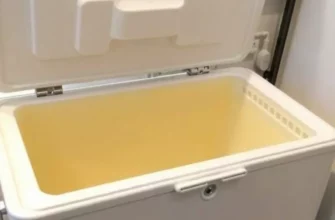
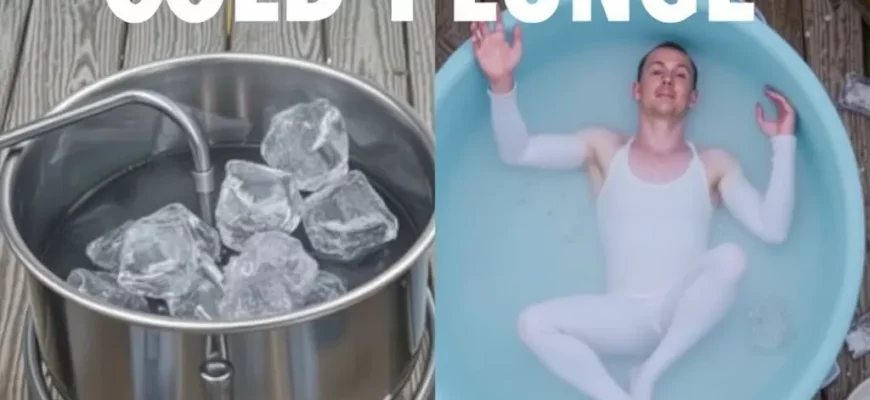
A cold plunge is a refrigerated‚ self-contained unit designed to maintain a set temperature indefinitely‚ whereas an ice bath is a manual process requiring dozens of pounds of ice to achieve a similar thermal environment. Understanding the nuances of heat transfer—specifically how moving water interacts with the skin—is the first step in deciding which recovery tool belongs in your routine.
Temperature Control vs. Manual Ice Loading
The primary advantage of a dedicated cold plunge unit is the elimination of the “thermal layer.” When you sit perfectly still in a traditional ice bath‚ your body heat warms the water immediately surrounding your skin‚ creating a thin‚ insulating barrier that makes the experience feel more tolerable but less effective. Most high-end cold plunges utilize a powerful circulation pump and filtration system that keeps the water moving‚ ensuring that the cold water is constantly stripped of your body heat‚ maintaining a much more aggressive and consistent cooling effect.
When considering how to maintain water temperature‚ the logistical burden of the manual ice bath cannot be overstated. To drop a standard bathtub from 65°F to a therapeutic 45°F‚ you typically need between 40 and 70 pounds of ice depending on the ambient temperature. For those performing daily sessions‚ the cost of purchasing ice can quickly exceed $300 per month‚ making the initial high price tag of a refrigerated cold plunge tub a more economical long-term investment for serious biohackers.
Furthermore‚ the precision of a digital thermostat allows for a more controlled progression. In a cold plunge therapy vs traditional ice baths comparison‚ the ability to drop the temperature by exactly one degree per week allows the nervous system to adapt without the shock of inconsistent‚ “estimate-based” cooling found in a chest freezer or a standard tub filled with bags of ice from the local gas station.
Is a Cold Shower Enough? Cold Plunge vs. Shower for Beginners
Many beginners start their journey into hormetic stress by turning the dial to blue at the end of their morning shower. While this is an excellent way to build mental resilience and initiate a mild vasoconstriction response‚ it is a fundamentally different physiological event than full-body immersion.
The key difference lies in the lack of hydrostatic pressure and the “all-in” nature of the plunge. In a shower‚ the water hits only a portion of your body at any given time‚ allowing the rest of your skin to interact with the air. Full immersion triggers a much more profound mammalian dive reflex‚ which shifts the body into a state of deep recovery and systemic inflammation reduction that a shower simply cannot replicate.
| Feature | Cold Shower | Cold Plunge / Immersion |
|---|---|---|
| Temperature Consistency | Variable (depends on local pipes) | Precision Controlled (39°F ⎼ 55°F) |
| Hydrostatic Pressure | None | High (aids lymphatic drainage) |
| Vagus Nerve Activation | Mild | Maximum (via total neck/chest immersion) |
| Mental Challenge | Moderate | High (requires “the override” of the flight response) |
| Primary Use Case | Daily wake-up / Entry level | Professional recovery / Metabolic health |
Why Full Immersion Beats Standing Under a Stream
When comparing a cold plunge tub vs cold shower‚ you must account for the surface area of the skin being treated simultaneously. In a plunge‚ every square inch of your skin—from the soles of your feet to the base of your skull—is subjected to the cold at once. This simultaneous cooling causes a massive systemic release of norepinephrine‚ a neurotransmitter that can increase by up to 200-300% during a two-minute sub-50°F immersion‚ significantly outperforming the chemical spike observed in cold showers.
The hydrostatic pressure of the water also plays a vital role in muscle soreness recovery. When submerged‚ the water exerts pressure on the limbs‚ which helps move interstitial fluid and metabolic waste products out of the muscle tissue and back into the circulatory system. This “squeezing” effect is a core reason why athletes prefer a cold water plunge vs cold shower after high-intensity training sessions; it provides a passive form of compression that speeds up the healing of micro-tears in the muscle fibers.
The Power of Fire and Ice: Cold Plunge and Sauna Benefits
Contrast therapy‚ the practice of alternating between extreme heat and extreme cold‚ is often described as a “vascular gym” for your circulatory system. This protocol forces the blood vessels to rapidly dilate (vasodilation) in the sauna and then aggressively constrict (vasoconstriction) in the cold plunge. This rhythmic pumping action is one of the most effective ways to clear systemic inflammation and boost the immune system.
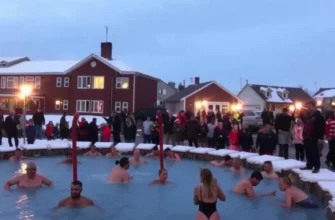
This method doesn’t just feel invigorating; it has deep roots in Nordic cultures‚ specifically the Finnish “Sisu” tradition. By subjecting the body to these extremes‚ you are training your autonomic nervous system to switch between the sympathetic (fight or flight) and parasympathetic (rest and digest) branches with greater efficiency‚ leading to better stress management in everyday life.
Cold Plunge Before or After Sauna: What the Research Says
The most common question in contrast therapy is whether to end on hot or cold. While there are benefits to both‚ finishing on cold is generally recommended for metabolic health. When you end with a plunge‚ your body is forced to work harder to reheat itself‚ which stimulates the production of brown adipose tissue (BAT)‚ also known as “good fat” that burns calories to generate heat. This process‚ known as non-shivering thermogenesis‚ can significantly boost your basal metabolic rate over time.
Research into cold plunge after sauna benefits suggests that this sequence is superior for reducing delayed onset muscle soreness (DOMS). The heat of the sauna increases blood flow and relaxes the muscles‚ while the subsequent cold plunge locks in that recovery by reducing the inflammatory response. For those looking to optimize their cold plunge vs sauna health benefits‚ a typical protocol involves 15-20 minutes of heat followed by 2-3 minutes of cold‚ repeated for three rounds‚ always ensuring you allow your heart rate to stabilize between transitions.
The Biohacker’s Secret: Cold Water Face Plunge Benefits
You don’t always need to submerge your entire body to reap the neurological rewards of cold therapy. The face is home to a high density of receptors for the trigeminal nerve‚ which is directly linked to the brain’s arousal centers. A targeted face plunge can act as a “reset button” for the nervous system‚ making it a favorite tool for high-performance executives and those dealing with acute anxiety.
This localized therapy is particularly effective because it triggers the mammalian dive reflex without the massive systemic shock of a full body plunge. This allows for a more focused application of cold that specifically targets the head and neck‚ where many people hold the most tension and stress-related inflammation.
Activating the Vagus Nerve Without Full Body Immersion
The cold water face plunge benefits are primarily driven by the activation of the vagus nerve‚ the primary component of the parasympathetic nervous system. When your face—specifically the area around the eyes and forehead—hits cold water‚ your heart rate slows down immediately‚ and your blood pressure stabilizes. This is an evolutionary survival mechanism designed to preserve oxygen‚ but in a modern context‚ it serves as a potent off-switch for the stress response.
Beyond the mental health benefits‚ a face plunge offers significant aesthetic advantages. The rapid vasoconstriction helps to constrict the capillaries‚ which reduces facial puffiness and dark circles under the eyes almost instantly. When comparing a cold plunge face vs body routine‚ the face plunge is much more sustainable for multiple applications throughout the day‚ providing a quick hit of dopamine and clarity without the need for a towel and a change of clothes.
Safety First: Avoiding Common Mistakes During Contrast Therapy
While cold therapy is generally safe for healthy individuals‚ it is an intense stressor that must be respected. The most significant danger for beginners is not the cold itself‚ but the body’s reaction to it. Rapid entry into sub-50°F water can cause a “gasp reflex‚” which can lead to hyperventilation or even drowning if the head is submerged. Always enter the water slowly and focus on deep‚ controlled exhalations to signal to your brain that you are not in immediate danger.
Another critical concept to understand is “afterdrop.” This occurs when you exit the cold water; the cold blood from your extremities begins to circulate back to your core‚ causing your core temperature to continue dropping even after you are in a warm environment. To minimize this‚ avoid jumping into a hot shower immediately after a plunge‚ as this can cause your peripheral blood vessels to dilate too quickly‚ leading to a dangerous drop in blood pressure or fainting.
- DO: Focus on your breath. Long‚ slow exhales are the key to suppressing the fight-or-flight response.
- DO: Warm up naturally. Use light movement like air squats or a brisk walk to generate internal heat.
- DON’T: Plunge alone if you are testing a new‚ colder temperature or staying in longer than usual.
- DON’T: Use cold immersion immediately after a hypertrophy-focused weightlifting session; it can blunt the inflammatory signals needed for muscle growth.
- DO: Wear neoprene booties or gloves if your extremities become painfully numb before your core is even cold.
Staying Safe After a Cold Plunge
The period immediately following your session is just as important as the plunge itself. To stay safe in cold water and during the recovery phase‚ you should prioritize the “Horse Stance” or other isometric holds to generate heat from the large muscle groups. This encourages your body to use its own metabolic furnace to return to homeostasis‚ which maximizes the caloric burn and the brown fat activation mentioned earlier.
Recognizing the signs of hypothermia is non-negotiable. If you find yourself shivering uncontrollably‚ losing fine motor skills in your hands‚ or experiencing “mental fog‚” you have stayed in too long. The goal is a hormetic stress response‚ not a medical emergency. For those exploring cold plunge after sauna benefits risks‚ remember that the heat of the sauna can sometimes mask how cold your core is actually getting‚ so stick to a timer rather than “feeling” your way through it.
Morning vs. Evening: When Should You Take the Plunge?
The timing of your cold exposure can drastically alter your circadian rhythm. Because cold exposure triggers a significant spike in cortisol and dopamine‚ it is generally considered a “morning activity.” A morning plunge provides a sustained increase in alertness and focus that can last for several hours‚ often replacing the need for a second cup of coffee. The dopamine rise from cold water is unique because it is steady and long-lasting‚ unlike the “crash” associated with caffeine or sugar.
However‚ using a cold plunge in the evening can be counterproductive for sleep. Your body needs its core temperature to drop naturally to initiate sleep. While the water is cold‚ the body’s rebound effect actually raises your internal temperature as it works to warm you back up. This spike in core temperature can make it difficult to fall asleep if the plunge is performed too close to bedtime.
Spiking Your Energy for a Productive Day
When looking at the cold plunge morning vs evening benefits‚ the morning win is clear for those seeking cognitive enhancement. The 250% increase in dopamine levels observed in studies of cold immersion is comparable to the chemical response of certain stimulants‚ but without the negative side effects. This makes it an incredible tool for anyone struggling with morning brain fog or low motivation.
If you must plunge in the evening‚ perhaps to soothe sore muscles from a late workout‚ consider a cold plunge before or after hot shower routine. Ending with a warm shower in the evening can help signal to the body that the “threat” of the cold is over‚ allowing your core temperature to begin its natural descent for sleep. However‚ for the purest metabolic and mental benefits‚ the “First Thing in the Morning” protocol remains the gold standard among professional athletes and biohackers alike.
Your Roadmap to a Cold Recovery Protocol
Starting a cold therapy routine requires a gradual approach to prevent burnout or injury. You wouldn’t walk into a gym and try to bench press 300 pounds on day one; the same logic applies to the cold plunge. Your nervous system needs time to build “thermal resilience.”
- Days 1-7: The Shower Transition. End every shower with 30-60 seconds of the coldest water your tap can provide. Focus on maintaining a steady breathing rhythm.
- Days 8-14: The Face Plunge. Twice a day‚ submerge your face in a bowl of ice water for 15-30 seconds. This builds the neurological pathways for the dive reflex.
- Days 15-21: The Controlled Dip. Find a cold plunge or ice bath set to 50°F-55°F. Aim for 2 minutes of total immersion. Do this 3 times this week.
- Days 22-30: The Consistency Phase. Lower the temperature to 48°F. Aim for 11 minutes of total weekly exposure‚ spread across 4 or 5 sessions.
In my professional experience as a recovery specialist‚ I have found that the biggest mistake people make is staying in the water for too long. There is a common misconception that more is better‚ but in the world of cold therapy‚ the Minimum Effective Dose (MED) is what truly matters. For the vast majority of my clients‚ 2 to 3 minutes at 50°F (10°C) is the sweet spot. Beyond the 5-minute mark‚ you aren’t necessarily getting more metabolic or hormonal benefits‚ but you are significantly increasing your risk of afterdrop and nervous system fatigue. I always advise starting warmer than you think you need to; the goal is to trigger the “cold shock” response‚ not to test your ego against the thermometer.
Frequently Asked Questions
Yes‚ cold plunges are generally superior because the integrated circulation systems prevent a “thermal layer” from forming around your skin‚ ensuring the water stays at a consistent‚ therapeutic temperature throughout the session.
Can I get the same benefits from a cold shower as a cold plunge?
While showers are great for mental resilience‚ they lack the hydrostatic pressure and full-body immersion required to trigger the maximum release of norepinephrine and the mammalian dive reflex.
Should I cold plunge before or after the sauna?
For most recovery goals‚ it is best to plunge after the sauna. This creates a powerful vasoconstriction effect that helps flush metabolic waste and stimulates the production of brown adipose tissue as your body reheats.
How does cold plunging affect skin health?
Cold immersion reduces systemic inflammation and tightens pores. The increased blood flow during the “rewarming” phase provides a natural glow and can help reduce puffiness in the face and extremities.
Is it safe to cold plunge every day?
For most healthy people‚ daily plunging is safe and beneficial. However‚ it is important to listen to your body; if you feel chronically fatigued or are constantly shivering‚ you may need to reduce your frequency or duration.
Does a face plunge help with anxiety?
Yes‚ submerging your face in cold water triggers the vagus nerve and the mammalian dive reflex‚ which instantly slows the heart rate and shifts the nervous system into a calmer‚ parasympathetic state.