- The Science of Pressure: Do Weighted Blankets Help Period Cramps and Pelvic Tension?
- Easing Menstrual Discomfort Through Deep Pressure
- Weighted Therapy for Migraines and Chronic Headaches
- Can Weighted Blankets Help Prevent Migraine Triggers?
- Navigating Menopause: Managing Hot Flashes and Night Sweats
- Are Weighted Blankets Good for Menopause Symptoms?
- Improving Circulation and Reducing Physical Tension
- Does a Weighted Blanket Help with Circulation and Teeth Grinding?
- Strategic Use: A Guide to Relieving Period Pain and Migraines
- Expert Perspective: Clinical Use of Weighted Therapy
- Frequently Asked Questions
The Science of Pressure: Do Weighted Blankets Help Period Cramps and Pelvic Tension?
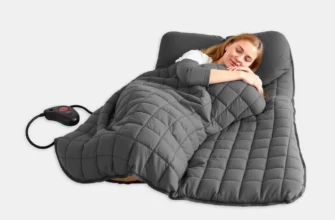
The therapeutic use of weight is not a new concept, but its application for acute physiological pain like menstrual cramps is rooted in the complex mechanics of the autonomic nervous system. When a distributed weight is applied to the body, it initiates a process known as Deep Pressure Stimulation (DPS), which acts as a physical “off switch” for the body’s high-alert state.
This transition from the sympathetic nervous system to the parasympathetic state is vital for pain management. By encouraging the body to move into a “rest and digest” mode, the smooth muscles of the uterus—which are responsible for the painful contractions known as cramps—can begin to release their grip. This isn’t just psychological comfort; it is a neurological shift that reduces the intensity of pain signals traveling to the brain.
Easing Menstrual Discomfort Through Deep Pressure
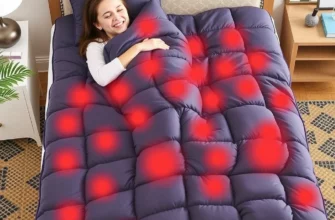
The Gate Control Theory of Pain suggests that non-painful touch or pressure can actually “close the gate” on pain signals before they reach the central nervous system. When you place a weighted blanket over your pelvic region, the constant, steady input from the weight competes with the sharp, cramping sensations of the uterus. This often results in a significant dampening of the perceived pain intensity, allowing the user to rest without relying solely on pharmacological interventions.
During the follicular phase and the onset of menstruation, the body’s stress response is naturally heightened due to fluctuating hormone levels. Weighted therapy helps by lowering systemic cortisol levels, which are often elevated during painful cycles. As cortisol drops, the body is more capable of producing oxytocin, often called the “cuddle hormone.” Oxytocin acts as a natural analgesic and muscle relaxant, specifically targeting the tension held in the pelvic floor and lower abdomen.
For those seeking natural relief, the sensation of being “grounded” by a weighted blanket can provide a sense of security that further relaxes the pelvic muscles. This relaxation is essential because tensing up in response to pain often creates a feedback loop that makes cramps feel even more severe. By breaking this cycle of tension, weighted therapy provides a non-invasive way to manage monthly discomfort.
Weighted Therapy for Migraines and Chronic Headaches
Migraines are far more than just “bad headaches”; they are complex neurological events that often involve extreme sensory sensitivity. For many migraine sufferers, the environment becomes an enemy, where light, sound, and even the air movement can feel painful. Weighted blankets provide proprioceptive input, which helps the brain organize sensory information more effectively, reducing the feeling of being overwhelmed during an attack.
While a standard blanket might provide warmth, it lacks the structural integrity to offer sensory grounding. The heavy, uniform pressure of a weighted blanket helps to stabilize the trigeminal nerve response, which is often the primary pathway for migraine pain. This grounding effect is particularly beneficial for those who experience “aura” or vestibular symptoms, as it provides a clear physical boundary for the body in space.
| Feature | Standard Blanket | Weighted Blanket |
|---|---|---|
| Sensory Input | Minimal; primarily provides warmth. | High; provides Deep Pressure Stimulation (DPS). |
| Nervous System Impact | Neutral. | Activates the parasympathetic (calming) response. |
| Pain Perception | No direct impact on pain gates. | Mimics the “gate control” effect to dull pain signals. |
| Anxiety Reduction | Low; relies on psychological comfort. | High; physically reduces cortisol and boosts serotonin. |
Can Weighted Blankets Help Prevent Migraine Triggers?
One of the most common triggers for chronic migraines is poor sleep hygiene and fluctuating sleep cycles. By using a weighted blanket regularly, you can improve sleep architecture, leading to longer periods of restorative REM and deep sleep. This consistent rest makes the brain less susceptible to the environmental triggers that typically set off a migraine cascade.
The “cocoon effect” created by a weighted blanket also offers a psychological refuge. During a migraine, the brain is often in a state of high-alert hyper-excitability. The pressure of the blanket encourages the release of serotonin, a precursor to melatonin, which helps calm the nervous system and allows the sufferer to fall asleep—often the only way to fully “reset” the brain after a severe attack.
Furthermore, many migraines are exacerbated by neck and shoulder tension. While you should never place a weighted blanket directly over your face or head, having the weight across the torso can reduce the involuntary shrugging and tensing of the trapezius muscles. Reducing this upper-body tension can prevent a tension-type headache from escalating into a full-blown migraine.
Navigating Menopause: Managing Hot Flashes and Night Sweats
A common misconception is that weighted blankets are inherently hot and will worsen the night sweats associated with menopause. In reality, the weight comes from the fill—usually glass beads—rather than the thickness of the fabric. Modern cooling weighted blankets utilize advanced textiles like bamboo-derived rayon or Tencel, which are specifically designed to wick moisture and allow for maximum airflow.
Menopause involves a significant hormonal shift that can dysregulate the body’s internal thermostat. This often leads to fragmented sleep and a “tired but wired” feeling. Weighted therapy helps by stabilizing the HPA axis (hypothalamic-pituitary-adrenal axis), which governs our stress response and body temperature. By keeping the body in a relaxed state, the frequency and intensity of cortisol-induced hot flashes may be reduced.
Are Weighted Blankets Good for Menopause Symptoms?
Better sleep quality is the most effective weapon against menopause-related “brain fog” and irritability. When you achieve deeper sleep, your body is better equipped to regulate hormonal fluctuations. The pressure from the blanket helps prevent the frequent tossing and turning that often wakes women up during a night sweat episode, allowing for more continuous rest.
The link between weighted pressure and mood stabilization is also crucial during this transition. Fluctuating estrogen levels can lead to increased anxiety and a lower threshold for stress. The serotonin boost provided by weighted therapy acts as a natural mood stabilizer. Using a breathable, glass-bead-filled blanket ensures you get the neurological benefits of the weight without the thermal trap of traditional polyester fills.
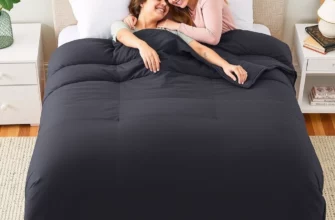
To maximize comfort, it is recommended to layer your bedding. Use a cooling weighted blanket as your primary layer and keep a lighter sheet underneath. This allows for quick temperature adjustments while maintaining the consistent pressure needed to keep the nervous system calm throughout the night.
Improving Circulation and Reducing Physical Tension
There is a persistent myth that weighted blankets can restrict blood flow or “cut off” circulation. When used correctly, the opposite is actually true. Because the weight encourages full-body relaxation, it helps promote vasodilation—the widening of blood vessels. When muscles are chronically tense, they can actually compress small vessels; by relaxing those muscles, you allow for more efficient blood flow throughout the limbs.
This systemic relaxation also has a surprising benefit for those who suffer from nocturnal bruxism, or teeth grinding. Bruxism is frequently a physical manifestation of a “stuck” sympathetic nervous system. When the body feels grounded and secure under a weighted blanket, the jaw and neck muscles are less likely to engage in the involuntary clenching that leads to morning headaches and dental wear.
Myth: Weighted blankets are dangerous for circulation and can cause blood clots.
Fact: For healthy adults, a blanket that is 10% of their body weight provides gentle pressure that encourages muscle relaxation and healthy blood flow. It does not apply enough pressure to compress major arteries or veins.
Does a Weighted Blanket Help with Circulation and Teeth Grinding?
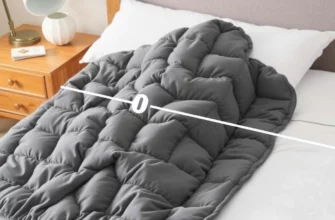
The key to both circulation and tension relief is proper weight distribution. You should ensure that the blanket is sized for your body, not the bed. A blanket that is too large will hang over the edges, causing the weight to pull unevenly. A properly fitted blanket ensures that the glass beads apply uniform pressure across the large muscle groups, which signals the brain to release tension in “secondary” areas like the jaw and temples.
Reducing nocturnal jaw clenching requires moving the body into a deep state of parasympathetic activation. By stimulating the vagus nerve through full-body pressure, the weighted blanket helps lower the overall “threat level” perceived by the brain. When the brain doesn’t feel it is under threat, it stops the involuntary muscle contractions that lead to teeth grinding and restless legs.
For those with specific circulation concerns, such as diabetes or peripheral neuropathy, it is always best to consult a physician. However, for the general population, the gentle compression of a weighted blanket functions similarly to a light massage, encouraging the lymphatic system to move and the muscles to recover from daily stress.
Strategic Use: A Guide to Relieving Period Pain and Migraines
To get the most out of weighted therapy for acute pain, you need a strategy. You don’t necessarily need to sleep under the blanket all night to see benefits, although many people find that most effective. During a pain flare-up, targeted sessions of 20 to 30 minutes can be enough to reset the nervous system and lower your pain perception.
If you are using the blanket for a migraine, the goal is “sensory deprivation plus.” This means finding a dark, quiet room and allowing the blanket to provide the only sensory input your brain has to process. For period cramps, focus the weight specifically on the lower abdomen and hips while lying on your back or side.
- Select the right weight: Stick to the 10% of your body weight rule to avoid putting unnecessary strain on your joints.
- Focus on the “Pain Zone”: For cramps, fold the blanket in half and place it specifically over your pelvic area for intensified pressure.
- Pre-cool your environment: If using a blanket for menopause or during a fever-inducing migraine, keep the room temperature at 65-68 degrees Fahrenheit.
- Check for Certification: Ensure your blanket is OEKO-TEX certified to avoid off-gassing chemicals that could trigger a scent-sensitive migraine.
- Use it as a “Reset”: If you feel a migraine or cramp flare-up beginning, spend 15 minutes under the blanket immediately to abort the stress response.
Expert Perspective: Clinical Use of Weighted Therapy
In my professional experience working with patients dealing with chronic pain and hormonal sleep disruptions, the quality of the materials is just as important as the weight itself. I always advise my clients to look for high-density glass bead fill rather than plastic pellets. Glass beads distribute more evenly and don’t trap heat, which is critical for patients managing menopause or inflammatory pain. Furthermore, if you are using a weighted blanket during your period, your skin might be more sensitive due to hormonal shifts; choosing a removable, washable cover made of organic cotton or bamboo prevents skin irritation. The 10% rule is a baseline, but I often suggest that for migraine relief, you should err on the lighter side if you have a history of neck tension, as excessive weight on the shoulders can inadvertently trigger a tension headache.
Frequently Asked Questions
Yes. By positioning the weight over the pelvic area and lower back, the blanket helps dampen pain signals and relax the lumbar muscles that often seize up during menstruation.
Will a weighted blanket make my hot flashes worse?
Not if you choose the right materials. Modern cooling blankets use moisture-wicking fabrics like bamboo and glass bead fill to ensure that heat is dissipated rather than trapped against your body.
How heavy should my weighted blanket be for migraine relief?
Follow the 10% of your body weight rule. Avoid going heavier, as too much weight can strain the neck and shoulder muscles, which may potentially trigger a tension-related headache.
Is it safe to sleep with a weighted blanket every night during menopause?
Yes, it is safe for most adults. Consistent use can actually help regulate your circadian rhythm, which is often disrupted by the hormonal changes of menopause.
Can a weighted blanket help with the anxiety that often accompanies period cramps?
Absolutely. The deep pressure triggers a boost in serotonin and oxytocin, which helps counteract the irritability and emotional distress associated with PMS and painful cramping.
Does a weighted blanket help with restless leg syndrome during my cycle?
Yes. The steady, even pressure provides calming sensory input that can quiet the nervous system’s urge to move the legs, a common issue during hormonal fluctuations.