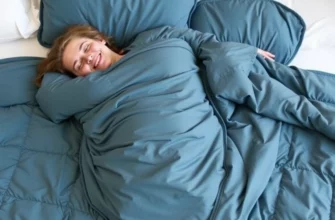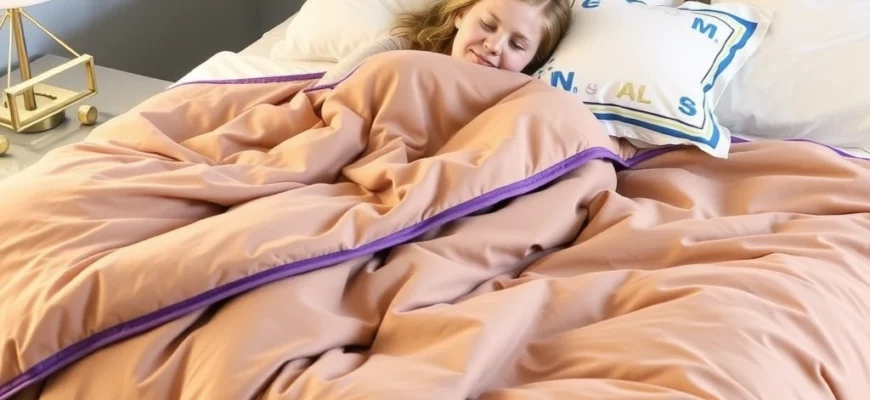
- Breaking Down Why Weighted Blankets Are So Expensive and Where the Money Goes
- The Premium Filler Problem: Glass Beads vs. Plastic Pellets
- Cost vs. Quality: A Quick Reference Guide to Price Drivers
- The Science of Comfort: Does a Weighted Blanket Really Feel Like a Hug?
- How Deep Pressure Stimulation Mimics Human Touch
- The Cooling Conundrum: What Makes a Weighted Blanket Breathable?
- Natural Fibers vs. Synthetic Cooling Covers
- Myth vs. Fact: Common Misconceptions About Heavy Blankets
- From Reddit Threads to Inmate Programs: The Social Side of the Price Tag
- Why Real Users Say They Fall Asleep Instantly
- User Guide: Why Are There Tabs on My Weighted Blanket?
- How to Secure Your Blanket and Prevent Bunching
- Essential Checklist: What to Look for Before Buying
- Expert Perspective: Sensory Integration
- Frequently Asked Questions
Breaking Down Why Weighted Blankets Are So Expensive and Where the Money Goes
When you first see a price tag exceeding $200 for what looks like a standard throw, sticker shock is a natural reaction. However, these are not traditional bedding items; they are precision-engineered tools designed to apply specific physical pressure across the human frame.
The primary driver of the cost is the sheer complexity of the manufacturing process. Unlike a standard duvet that is filled with loose down or polyester batting, a weighted blanket requires hundreds of individual quilted pockets to be filled with an exact grammage of weight to ensure the blanket doesn’t become a lumpy, unusable mess after one night of sleep.
The Premium Filler Problem: Glass Beads vs. Plastic Pellets
The weight inside your blanket is usually comprised of either plastic poly-pellets or micro-glass beads. While plastic is cheaper to produce, it is significantly bulkier and holds onto body heat, often resulting in a “beanbag” feel that many users find distracting. High-quality fillers, specifically glass beads, are the gold standard because they are roughly the size of grains of sand, allowing them to contour to the body without the noisy shifting sound associated with plastic.
Because glass beads are more dense, the blanket can be thinner and more aesthetically pleasing while maintaining its heavy profile. This density also ensures even weight distribution across the entire surface area, preventing the filler from pooling in the corners of the pockets. This manufacturing precision requires specialized machinery and higher-grade textiles to prevent the tiny beads from leaking through the fabric fibers.
Cost vs. Quality: A Quick Reference Guide to Price Drivers
Understanding the tiered pricing of the market helps identify whether you are paying for actual utility or just brand marketing. A budget-tier blanket often compromises on the very features that make the product effective for sleep hygiene.
| Feature | Budget Blanket ($50–$80) | High-End Blanket ($150–$300+) |
|---|---|---|
| Filler Material | Large plastic poly-pellets or recycled glass. | Medical-grade micro-glass beads or weighted yarn. |
| Fabric Shell | Standard polyester or low-GSM cotton. | Breathable bamboo, Tencel, or organic long-staple cotton. |
| Stitching | Single-row stitching; larger pockets (6″x6″). | Double-reinforced seams; small pockets (4″x4″). |
| Temperature | Often traps heat, causing night sweats. | Advanced cooling tech or open-knit airflow designs. |
| Durability | Fillers may shift or leak after 6–12 months. | Designed for 5+ years of daily use and machine washing. |
The Science of Comfort: Does a Weighted Blanket Really Feel Like a Hug?
The sensation of a weighted blanket is often compared to a firm hug or the feeling of being swaddled. This isn’t just a marketing analogy; it is rooted in the clinical concept of Deep Pressure Stimulation (DPS), a therapeutic technique used to down-regulate the nervous system by applying gentle, firm pressure to the body’s sensory receptors.
This proprioceptive input tells the brain exactly where the body is in space, which has a remarkably grounding effect. Men, who often carry significant muscle tension, and even pets like dogs suffering from storm anxiety, often find this sensation immediately reduces the physical urge to toss and turn during the night.
How Deep Pressure Stimulation Mimics Human Touch
When the body experiences the feeling of being held, it triggers a biological cascade. The brain increases the production of serotonin (the “feel-good” hormone) and melatonin (the sleep hormone) while simultaneously lowering cortisol levels, which is the primary hormone responsible for stress and alertness. This shift helps move the body from a “fight or flight” state into a “rest and digest” state.
By providing constant sensory grounding throughout the night, the blanket helps individuals with sensory processing issues or general anxiety stay in deep sleep stages longer. The cost of the blanket reflects this medical utility; you aren’t just buying fabric, you are investing in a non-pharmacological intervention for better sleep.
The Cooling Conundrum: What Makes a Weighted Blanket Breathable?
One of the biggest hurdles in weighted blanket design is heat management. Traditional models used thick polyester padding to cushion the heavy beads, which effectively turned the blanket into an oven. To solve this, manufacturers have had to pivot to expensive, high-performance textiles that offer high thermal conductivity;
Modern premium blankets use specialized weaves or natural fibers to ensure that “heavy” doesn’t mean “hot.” This innovation is a significant portion of the retail price, as engineering a fabric that can support 20 pounds of weight while remaining porous enough for airflow is a major textile challenge.
Natural Fibers vs. Synthetic Cooling Covers
Hot sleepers should look specifically for moisture-wicking bamboo fabric or Tencel, which is derived from eucalyptus wood pulp. These materials are naturally cooler to the touch than cotton and have a much higher rate of moisture evaporation. Some brands have even moved away from beads entirely, using hand-knitted loops of heavy organic cotton yarn to create weight while leaving large gaps for maximum ventilation.
Specialized cooling technology, such as phase-change materials (PCM) that actively absorb and release body heat, adds a premium to the cost. However, for those who struggle with temperature regulation, spending more on a breathable design is the difference between a restful night and waking up drenched in sweat.
Myth vs. Fact: Common Misconceptions About Heavy Blankets
Myth: A heavier blanket is always better for faster sleep.
Fact: The optimal weight is approximately 10% of your total body weight. Going too heavy can cause physical discomfort or make it difficult to move during the night, which actually disrupts sleep cycles.
Myth: Weighted blankets are impossible to clean and will break your washing machine.
Fact: While you should never put a 20lb blanket in a standard top-load agitator machine, most are machine washable in front-load commercial machines or can be used with a removable duvet cover to keep the inner core clean.
Myth: They are only for people with clinical anxiety or ADHD.
Fact: While they originated in clinical settings, anyone looking to reduce sleep latency (the time it takes to fall asleep) can benefit from the physiological grounding effects of deep pressure.
From Reddit Threads to Inmate Programs: The Social Side of the Price Tag
The manufacturing of these blankets has a fascinating social history that contributes to the price. In South Dakota, a long-standing inmate program involves residents of the state prison system hand-sewing weighted blankets. This program highlights the labor-intensive nature of the product; even with a dedicated workforce, the precision required to sew, weigh, and seal each individual pocket is immense.
On platforms like Reddit, sleep quality enthusiasts often debate whether the “instant sleep” effect justifies the $200+ investment. The consensus among long-term users is that the durability of premium brands prevents the “leaking bead” syndrome that plagues cheaper alternatives, making the higher upfront cost a better value over several years.
Why Real Users Say They Fall Asleep Instantly
Many users describe a “psychological switch” that occurs the moment the blanket is pulled up. The weight acts as a physical cue to the brain that the day is over and it is time to remain still. In online communities, users frequently report that the blanket virtually eliminates “restless leg” sensations, which is a major contributor to sleep onset insomnia.
When you read anecdotes about people falling asleep in under five minutes after years of struggling, the “worth the investment” argument becomes much stronger. You are paying for the reduction of nighttime rumination and physical agitation.
User Guide: Why Are There Tabs on My Weighted Blanket?
If you look at the corners and sides of a high-end weighted blanket, you will find small fabric loops or tabs. These are not decorative; they are critical structural components designed to keep the weight evenly distributed when the blanket is used inside a duvet cover. Without these ties, the heavy inner blanket would slide into a giant heap at the bottom of the cover within minutes.
Because the inner blanket is so heavy, gravity is constantly trying to pull it out of alignment. Using a cover that is specifically designed with internal ties is the only way to ensure the blanket stays flat and functional throughout the night.
How to Secure Your Blanket and Prevent Bunching
- Turn your duvet cover inside out and lay it flat on the bed.
- Place the weighted inner blanket on top of the inverted cover, aligning the corners.
- Thread the duvet ties through every single loop on the blanket, using a double knot to ensure they don’t slip.
- Starting from the open end, reach inside and pull the far corners through, effectively flipping the cover right-side out over the blanket.
- Shake the blanket gently to settle the weight, ensuring the internal ties are taut and holding the inner core in place.
Essential Checklist: What to Look for Before Buying
- Weight Accuracy: Does the brand offer a weight that is roughly 10% of your body mass?
- Pocket Size: Look for pockets no larger than 4 or 5 inches to prevent the beads from shifting to one side.
- Fabric Type: If you are a hot sleeper, avoid 100% polyester “minky” fabrics and opt for bamboo or cotton.
- Loop Count: Ensure the blanket has at least 8 attachment points (corners and mid-sides) for a duvet cover.
- Filler Quality: Confirm the use of lead-free, non-toxic glass beads rather than plastic pellets.
- Warranty: A high-end brand should offer at least a 1-year warranty against leaking seams or stitching failures.
Expert Perspective: Sensory Integration
In my professional experience working with sensory processing disorders, I have found that the quality of weight distribution is the single most important factor in therapeutic success. I always advise my clients to look for blankets that use glass micro-beads over plastic pellets because the finer “flow” of the glass allows for much better contact with the body’s pressure receptors. Cheap blankets with large pockets often create “dead zones” where no pressure is applied, which can actually be agitating rather than soothing. When you pay a premium, you are essentially paying for the guarantee of consistent, medical-grade proprioceptive input that doesn’t fail after a few months of use.
Frequently Asked Questions
Yes, the price difference typically accounts for superior weight distribution through smaller quilted pockets and the use of breathable, durable fabrics like bamboo or Tencel that prevent the common issue of overheating.
Why do some people fall asleep instantly with a weighted blanket?
The blanket triggers Deep Pressure Stimulation, which naturally boosts serotonin and melatonin production while lowering the heart rate and cortisol levels, effectively “switching” the brain into sleep mode.
How should a weighted blanket feel when you first try it?
It should feel like firm, grounding pressure rather than a crushing or restrictive weight. You should always be able to move your limbs and roll over easily; if you feel trapped, the blanket is likely too heavy.
Can I use a weighted blanket for my dog?
You can, but you must ensure the weight is appropriate for the dog’s size (usually much lighter than a human version) and that the animal can easily move out from under it to prevent any risk of suffocation or overheating.
What is the story behind South Dakota inmates making weighted blankets?
This is a social enterprise program where inmates are trained in textile manufacturing to produce high-quality therapeutic blankets, emphasizing the labor-intensive, hand-crafted nature of these products compared to mass-produced alternatives.
Why are there small loops or tabs on the corners of my blanket?
These tabs are meant to be tied to the internal strings of a duvet cover. This prevents the heavy inner blanket from shifting, bunching, or sliding to one side while you sleep.