- The Layering Debate: Do You Use a Duvet With a Weighted Blanket?
- Should Your Weighted Blanket Be Directly on You?
- Mastering the Stack: Do You Use a Sheet or Comforter with a Weighted Blanket?
- The Case for Using a Top Sheet Under Your Weighted Blanket
- Can You Use a Weighted Blanket as a Comforter Replacement?
- Choosing Your Configuration: A Quick Reference Guide
- Temperature Control: How Not to Overheat Under Your Weighted Blanket
- How to Sleep with a Weighted Blanket in the Summer
- Safety and Misuse: Electric Blankets and Mattress Toppers
- The Risks of Using an Electric Blanket with a Weighted Blanket
- Why You Shouldnt Use a Weighted Blanket as a Mattress Topper
- Expert Dos and Don’ts for Weighted Bedding
- Frequently Asked Questions
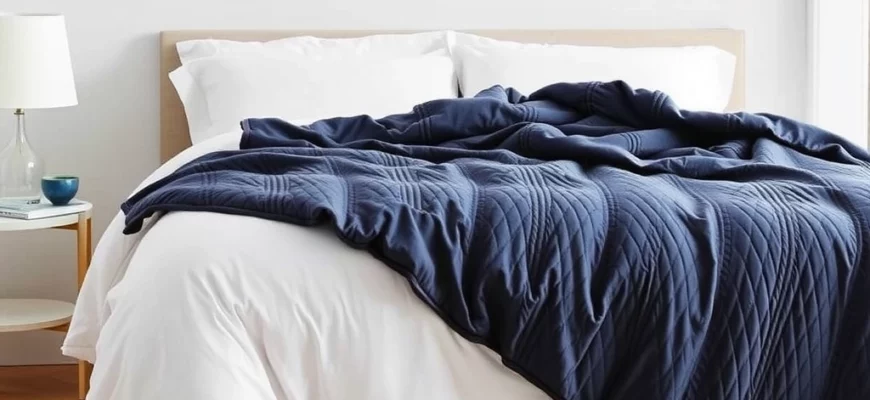
The Layering Debate: Do You Use a Duvet With a Weighted Blanket?
Deciding how to arrange your bedding when introducing a weighted blanket is more than a matter of aesthetics; it is a calculation of thermodynamics and sensory feedback. While you certainly can use a duvet with a weighted blanket, the sequence of these layers determines whether you wake up feeling restored or uncomfortably overheated.
The logic of layering depends entirely on your primary goal: are you seeking maximum deep pressure stimulation, or is your priority maintaining a specific microclimate within your sheets? Most sleepers find that a weighted blanket works best when positioned closer to the body, but adding a duvet on top can provide necessary insulation during colder months.
Should Your Weighted Blanket Be Directly on You?
For many, the most effective way to trigger sensory processing benefits is to place the weighted blanket in direct contact with the body or over a very thin light sheet. This proximity allows the glass beads or pellets to contour precisely to your frame, maximizing the “hug” sensation known as deep pressure stimulation.
However, hygiene is a significant factor when considering direct skin contact. Human bodies shed skin cells and oils throughout the night, and weighted blankets are notoriously difficult to launder due to their sheer mass. If you choose direct contact, you must ensure the blanket has a removable, machine-washable cover to act as a hygiene barrier.
Without a protective layer, the internal fill can absorb sweat, eventually leading to odors or degradation of the fabric. To balance tactile feedback with cleanliness, many experts suggest a high-quality cotton or bamboo duvet cover specifically designed for weighted inserts.
Mastering the Stack: Do You Use a Sheet or Comforter with a Weighted Blanket?
The physical order of your bedding—the “stack”—dictates your ease of movement and how often you’ll need to strip the bed for laundry day. A common mistake is treating the weighted blanket as a direct replacement for a traditional comforter without considering breathability and moisture management.
The “sandwich method” involves placing a top sheet against your skin, followed by the weighted blanket, and finishing with a decorative comforter or duvet on top. This configuration keeps the heavy blanket clean while trapping an extra pocket of air for warmth.
The Case for Using a Top Sheet Under Your Weighted Blanket
Using a top sheet is the most practical way to extend the lifespan of your weighted bedding. A simple flat sheet acts as a sacrificial layer that absorbs moisture and body oils, allowing you to wash the sheet weekly while only needing to clean the weighted blanket once every few months.
If you tend to sleep hot, look for moisture-wicking materials like percale cotton or bamboo-derived rayon. These fabrics facilitate airflow even under the pressure of several pounds of glass beads, preventing that “suffocating” heat that can occur when heavy fabrics trap sweat against the skin.
Furthermore, a top sheet provides a smooth surface for movement. Weighted blankets can sometimes feel “grippy” or restrictive; a crisp sheet allows your limbs to glide more easily when you need to change positions during the night.
Can You Use a Weighted Blanket as a Comforter Replacement?
From a design perspective, many people want their weighted blanket to serve as the final bed cover. While this creates a minimalist look, weighted blankets are rarely sized to match standard mattress dimensions. They are intentionally smaller so the weight stays concentrated on the sleeper rather than pulling off the sides of the bed.
If you use a weighted blanket as your primary comforter, you may find that it looks undersized on a King or Queen mattress. Additionally, the distribution of the fill may become uneven if the blanket is frequently tugged to cover the edges of the bed.
For the best results, use a standard comforter for the “bed-made” look and keep the weighted blanket folded at the foot of the bed or layered underneath the comforter for functional use only.
Choosing Your Configuration: A Quick Reference Guide
| Setup Type | Warmth Level | Ease of Cleaning | Pressure Intensity |
|---|---|---|---|
| The Minimalist (Blanket Only) | Low to Medium | Difficult (Requires frequent washing) | Maximum Intensity |
| The Traditionalist (Sheet + Blanket) | Medium | Easy (Wash sheet only) | High Intensity |
| The Winter Stack (Sheet + Blanket + Duvet) | Very High | Moderate (Multiple layers to strip) | Muted Intensity |
Temperature Control: How Not to Overheat Under Your Weighted Blanket
A frequent concern for new users is the risk of “sleeping hot.” Most weighted blankets utilize glass beads, which are naturally more breathable and hold less ambient heat than plastic poly-pellets. However, the fabric of the blanket and the layers surrounding it are the real culprits behind night sweats.
To maintain a neutral temperature, you must prioritize breathable layers that allow heat to escape rather than reflecting it back toward your body. If you feel the weight is perfect but the heat is too much, the issue is likely the insulation of your top duvet or the synthetic fibers in your blanket’s cover.
How to Sleep with a Weighted Blanket in the Summer
Summer sleeping requires a shift in strategy. Instead of abandoning the blanket, swap out your heavy winter duvet for a lightweight Tencel or bamboo cover. These materials are naturally cool to the touch and possess superior moisture-wicking properties compared to standard polyester.
Another effective technique is the “one-foot-out” method. By exposing a single foot or leg from under the weighted layer, you allow your body to vent heat more efficiently, helping to regulate your core temperature without sacrificing the calming pressure on your torso.
In peak summer heat, many users find success by using only the weighted blanket (with a cooling cover) and eliminating the top sheet and duvet entirely. This maximizes airflow through the blanket’s weave while still providing the necessary weight for sleep.
Safety and Misuse: Electric Blankets and Mattress Toppers
While layering blankets is generally safe, combining specific technologies can lead to dangerous outcomes. The integration of external heat sources or using the blanket in ways it wasn’t engineered for can result in equipment failure or physical discomfort.
The Risks of Using an Electric Blanket with a Weighted Blanket
It is strictly advised against placing a weighted blanket directly on top of an electric blanket. Electric blankets contain thin, delicate heating wires that are not designed to withstand the concentrated pressure of 15 to 25 pounds of glass beads.
Pressure-induced wire compression can cause the internal heating elements to fray or snap, creating a significant fire hazard or the risk of electric shock. Furthermore, the heavy insulation of the weighted blanket can cause the electric blanket to overheat rapidly, potentially causing burns or damaging the mattress.
If you require extra warmth, pre-heat your bed with the electric blanket, turn it off and remove it, and then bring in the weighted blanket for the duration of your sleep.
Why You Shouldnt Use a Weighted Blanket as a Mattress Topper
Some users attempt to lie on top of their weighted blanket, hoping for a cushioned feel. However, weighted blankets lack the structural support found in memory foam or latex mattress toppers.
Lying on the blanket will cause the internal fill to shift permanently toward the edges of the stitched pockets, leading to clumping and uneven weight distribution. Moreover, the therapeutic benefits of deep pressure stimulation are only activated when the weight is applied on top of the body, not underneath it.
Expert Dos and Don’ts for Weighted Bedding
- Do use a cover with internal ties to ensure the blanket doesn’t bunch up in one corner.
- Do choose glass bead filling over plastic pellets for better thermal regulation and a quieter sleep experience.
- Don’t allow the weighted blanket to hang over the sides of the bed, as the weight will eventually pull the entire stack onto the floor.
- Don’t use a weighted blanket for children or pets who cannot move the weight off themselves independently.
- Do wash your top sheet and duvet cover weekly to maintain a hypoallergenic sleep environment.
In my professional experience, the most common mistake people make is choosing a blanket based on their bed size rather than their body weight. I always advise my clients to stick to the 10% rule: the blanket should weigh approximately 10% of your total body mass. When you start layering heavy duvets and comforters on top of a weighted blanket, you can easily exceed a comfortable pressure limit. This “over-stacking” can lead to restricted movement or a feeling of claustrophobia. If you need more warmth, add a lightweight fleece; if you need more pressure, change the blanket, but never compromise your ability to shift positions easily during the night.
Frequently Asked Questions
Yes, but it is less effective. Placing the weighted blanket over a thick duvet muffles the pressure benefits and traps significant heat. For the best sensory input, place the weighted blanket under the duvet.
Should a weighted blanket cover the whole bed?
No. A weighted blanket should be sized to your body. If it is large enough to hang over the edges, the force of gravity will likely pull it off the bed during the night.
Do I need a special duvet cover for a weighted blanket?
Yes. Because of the weight, you need a cover with reinforced internal ties or zippers that secure the blanket in place, preventing the fill from bunching at one end.
Is it okay to use other blankets with a weighted blanket?
Layering is perfectly fine as long as you monitor your temperature. Ensure the total weight of all layers doesn’t make it difficult for you to move or breathe comfortably.
How do I avoid getting hot under a weighted blanket?
Opt for blankets with glass beads and use a breathable cotton or bamboo top sheet. Avoid heavy polyester comforters on top, as they act as an insulator that traps body heat.
Can I use a weighted blanket in a sleeping bag?
It is possible but not recommended for most. The confined space of a sleeping bag combined with heavy weight can feel very restrictive and may lead to rapid overheating due to poor ventilation.