- The Science of Deep Pressure: How the Luna Weighted Blanket Works
- Why Glass Beads and Cotton Make a Difference
- Finding Your Perfect Match: The Luna Sizing and Weight Guide
- Dont Guess the Weight: A Simple Calculation
- Maintenance Made Simple: How to Wash Your Luna Blanket
- Drying Tips to Keep Your Blanket Soft
- Cooling Technology for Hot Sleepers
- Goodbye Night Sweats: The Airflow Advantage
- Is the Luna Right for You? A Balanced Look
- Who Should (and Shouldnt) Use a Weighted Blanket
- Expert Perspective: The Role of Weight in Sleep Hygiene
- Frequently Asked Questions
The Science of Deep Pressure: How the Luna Weighted Blanket Works
Sleep is not merely a passive state of rest; it is a complex biological process that requires the right environment to flourish․ The Luna weighted blanket leverages a therapeutic technique known as Deep Pressure Stimulation (DPS) to transform how your body transitions into a state of relaxation․ By applying gentle, firm pressure across the body, this blanket mimics the sensation of being held or hugged, which signals the brain to move from a state of high alert to one of calm security․
This physical grounding effect is particularly effective at modulating the autonomic nervous system․ When the body feels the distributed weight of the blanket, it often reduces the production of cortisol—the primary stress hormone—while simultaneously encouraging the release of serotonin and melatonin․ This chemical shift is what allows restless sleepers to fall asleep faster and remain in a deeper state of REM sleep throughout the night without the need for pharmaceutical aids․
Why Glass Beads and Cotton Make a Difference
The internal architecture of the Luna blanket is what sets it apart from traditional heavy bedding․ Instead of using cheap plastic poly-pellets that can be bulky and retain excess heat, Luna utilizes medical-grade, hypoallergenic glass beads․ These beads are significantly smaller and denser, allowing them to contour to the unique curves of your body without creating awkward lumps or pressure points that could disrupt your circulation during the night․
To ensure these beads stay in place, the blanket features a sophisticated seven-layer construction with reinforced stitching․ This gridded pattern prevents the weight from shifting to one side, maintaining an even weight distribution regardless of how much you toss and turn․ Surrounding these beads is a shell made of OEKO-TEX certified cotton, a premium material chosen for its high thread count and natural breathability․ This fabric ensures that while you feel the comforting weight, you never feel suffocated or overheated, as the air continues to circulate through the fibers․
Finding Your Perfect Match: The Luna Sizing and Weight Guide
Choosing the correct weight for your blanket is the most critical step in ensuring the product actually improves your sleep quality․ A blanket that is too light will fail to trigger the necessary Deep Pressure Stimulation, while one that is too heavy might feel restrictive or uncomfortable․ The general consensus among sleep experts is to aim for a weight that is approximately 10% of your total body mass, though personal preference and specific use cases can shift this number slightly․
| User Body Weight | Recommended Blanket Weight | Best Bed Size Fit |
|---|---|---|
| 40 ー 70 lbs | 5 lbs | Twin / Kids Bed |
| 80 ー 110 lbs | 10 lbs | Twin / Full |
| 120 ─ 160 lbs | 15 lbs | Full / Queen |
| 170 ─ 210 lbs | 20 lbs | Queen / King |
| 220+ lbs | 25 lbs | King / California King |
Dont Guess the Weight: A Simple Calculation
When selecting your ideal blanket weight, always round up if you fall between two sizes․ For example, if you weigh 165 pounds, the 20-pound blanket will typically provide a more therapeutic experience than the 15-pound option․ However, if you are purchasing the blanket for a child, it is vital to ensure they have the physical strength to move the blanket off themselves independently to ensure total safety during the night․
Bed size also plays a functional role in your decision․ If you share a bed with a partner, you might be tempted to buy one large blanket for both of you․ However, many couples find that individual-sized blankets work better to prevent the weight from being pulled to one side when someone moves․ If you do choose a Queen or King size for a shared bed, ensure the blanket does not hang significantly over the edges, as gravity will pull the weighted beads toward the floor, making the blanket feel much heavier than it actually is․
Maintenance Made Simple: How to Wash Your Luna Blanket
One of the most common misconceptions about weighted bedding is that it requires professional dry cleaning or specialized care․ The Luna blanket was designed with modern lifestyles in mind, featuring materials that can withstand regular home laundering․ Keeping your blanket clean is essential for maintaining sleep hygiene, especially since the cotton fabric is designed to absorb moisture and oils from your skin to keep you comfortable․
- Check your machine’s weight capacity: Before starting, verify that your home washing machine can handle the specific weight of your blanket; most modern front-loaders are rated for 20 pounds or more․
- Use a gentle cycle: Select the “Delicate” or “Hand Wash” setting on your machine using cold water to preserve the integrity of the cotton fibers and the internal stitching․
- Choose a mild detergent: Avoid using bleach or fabric softeners, as these chemicals can break down the OEKO-TEX certified cotton and potentially damage the internal bead pockets․
- Rinse thoroughly: Ensure the machine completes a full rinse cycle to remove all soap residue, which could otherwise cause the blanket to feel stiff once dry․
Drying Tips to Keep Your Blanket Soft
The drying process is where many people accidentally damage their weighted blankets․ While the Luna is durable, excessive heat is the enemy of the internal structure․ It is always recommended to tumble dry on the lowest possible heat setting․ High temperatures can cause the cotton to shrink or, in rare cases, affect the bond of the internal layers․ If you have the space, air drying by laying the blanket flat across a drying rack is the best way to ensure the glass beads remain perfectly distributed․
If you use a dryer, toss in two or three clean tennis balls or dryer balls․ These will help fluff the blanket as it spins, preventing the glass beads from bunching together and ensuring the cotton shell dries evenly․ Expect the drying process to take longer than a standard comforter because of the density of the weighted filling․ Periodically stopping the dryer to shake the blanket out will help speed up the process and keep the fabric feeling soft against your skin․
Cooling Technology for Hot Sleepers
The fear of “sleeping hot” is the primary reason many people avoid weighted blankets․ Traditional heavy quilts often use polyester fills or thick fleece covers that trap body heat, leading to night sweats and disrupted sleep cycles․ Luna solves this problem by focusing on thermal conductivity and airflow․ By using glass beads instead of plastic, the blanket remains temperature-neutral, meaning it does not actively generate or store heat from your body․
The science of cooling in the Luna blanket relies on the 400-thread-count cotton shell․ Cotton is a naturally breathable fiber that allows for consistent air exchange between your body and the room․ This prevents the “oven effect” often felt with synthetic materials․ For those who live in warmer climates or naturally run a high body temperature, this breathability is what makes the Luna a viable year-round bedding option rather than just a winter accessory․
Goodbye Night Sweats: The Airflow Advantage
Moisture-wicking is another critical component of the Luna’s cooling strategy․ If you do begin to sweat, the 100% cotton fabric pulls moisture away from your skin, allowing it to evaporate quickly․ This keeps you dry and prevents the damp, clammy feeling that often leads to waking up in the middle of the night․ To maximize the cooling effect, use the blanket without a thick duvet cover or choose a cover made specifically from bamboo or eucalyptus fibers, which are known for their superior cooling properties․
Furthermore, the specific density of the glass beads allows for more “micro-channels” of air to pass through the blanket compared to bulky fiber-fill alternatives․ This means that while you feel the 15 or 20 pounds of pressure, your skin can still “breathe․” This balance of weight and ventilation is why the Luna is frequently recommended for individuals with sensory processing disorders who need the weight to stay calm but are also highly sensitive to temperature changes․
Is the Luna Right for You? A Balanced Look
While the Luna weighted blanket offers significant therapeutic benefits, it is important to evaluate if it fits your specific lifestyle and health needs․ No product is a universal solution, and weighted blankets are no exception․ For most, the transition to weighted bedding is life-changing, but there are specific considerations regarding maintenance and physical health that you should keep in mind before making the investment․
| Pros | Cons |
|---|---|
| Clinically inspired deep pressure relief for anxiety․ | Can be difficult to travel with due to weight․ |
| Hypoallergenic materials safe for sensitive skin․ | Requires a high-capacity washer for 20lb+ versions․ |
| Excellent temperature regulation for hot sleepers․ | Glass beads may shift slightly over years of heavy use․ |
| Affordable compared to other medical-grade brands․ | Not suitable for individuals with certain physical disabilities․ |
Who Should (and Shouldnt) Use a Weighted Blanket
Weighted blankets are an incredible tool for those dealing with chronic insomnia, generalized anxiety disorder, or ADHD․ The sensory grounding provides a focal point for the brain, quieting the “mental noise” that often prevents sleep․ However, if you suffer from respiratory issues like severe asthma or sleep apnea, the additional weight on your chest could potentially make breathing more difficult․ In these cases, it is vital to consult with a physician before incorporating a weighted blanket into your routine․
Additionally, those with circulatory issues or Type 2 diabetes should monitor their comfort levels․ While the glass beads are designed for even distribution, the constant pressure might not be ideal for everyone․ For the vast majority of users, however, the Luna blanket serves as a non-invasive, drug-free way to improve sleep hygiene and reduce the physical symptoms of stress․ If you are looking for a way to feel more grounded and secure at night, the combination of OEKO-TEX cotton and precision-weighted glass beads makes this blanket a top-tier contender․
Expert Perspective: The Role of Weight in Sleep Hygiene
In my professional experience working with patients struggling with sleep-onset insomnia, I have found that the environment is often more important than the routine․ I always advise my clients to view a weighted blanket like the Luna not as a luxury item, but as a functional neurological tool․ By providing consistent proprioceptive input, these blankets help lower cortisol levels and increase the production of serotonin, the precursor to melatonin․ For many, this physical intervention is the missing link in their sleep hygiene, providing the “biological safety signal” the brain needs to truly power down for the night․
Frequently Asked Questions
Yes, Luna blankets are machine washable․ However, always check your washing machine’s weight limit first, as blankets over 20 pounds may require a commercial-sized machine found at a laundromat;
What size Luna blanket should I get for a Queen size bed?
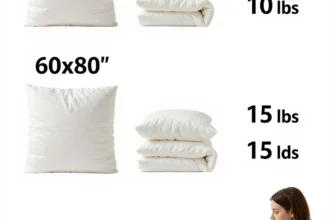
For a Queen bed, a 60″ x 80″ blanket is standard․ It is designed to cover the top of the mattress without hanging over the sides, which prevents the weight from sliding off the bed during the night․
Is the Luna weighted blanket safe for children?
It is safe for older children and teens, but never use a weighted blanket for infants or toddlers․ A child must be physically strong enough to remove the blanket by themselves to ensure safety․
Will I get too hot under a Luna blanket?
Most users find the Luna quite cool․ Because it uses breathable cotton and temperature-neutral glass beads, it allows for much better airflow than blankets filled with polyester or plastic pellets․
How long does it take to get used to a weighted blanket?
Most people need an adjustment period of 7 to 10 days․ I recommend using it over just your legs for the first few nights before pulling it all the way up to your shoulders․