- How are weighted blankets weighted? The science of the filling
- The core mechanics of added density
- From glass beads to steel shot: What makes weighted blankets so heavy?
- The rise of micro-glass beads for a smooth feel
- Plastic poly-pellets and bulkier alternatives
- How do they make weighted blankets heavy without the fill shifting?
- The importance of the pocket stitch
- Is there metal or sand in your blanket? Common misconceptions
- Why sand is the filler of the past
- Selecting your weight: How the 10% rule works
- Calculating the ideal poundage for your frame
- Expert Perspective: Weighted Fillers
- Frequently Asked Questions
How are weighted blankets weighted? The science of the filling
A weighted blanket is more than just a heavy piece of bedding; it is a precision-engineered tool designed to provide deep pressure stimulation. This therapeutic technique mimics the sensation of being hugged or held, which helps regulate the nervous system and promote relaxation.
Unlike a standard comforter that relies on the thickness of the fabric or batting for warmth, a weighted blanket uses internal mass to create a specific downward force. To achieve the necessary poundage without creating a blanket that is six inches thick, manufacturers must look beyond cotton and wool.
The core mechanics of added density
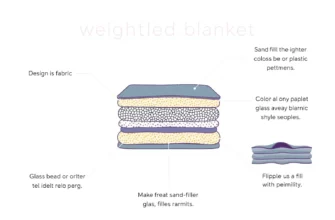
Fabric alone cannot provide therapeutic weight because textiles are naturally porous and lightweight. Even the heaviest wool or denim would require dozens of layers to reach a standard 20-pound target, resulting in a stiff, unmanageable, and dangerously hot product. To solve this, designers utilize high-density micro-materials that occupy minimal space while providing maximum mass.
What gives weighted blankets their weight is the inclusion of specialized fillers that are significantly denser than traditional polyester fiberfill. By integrating materials like minerals or high-grade plastics, manufacturers can maintain a slim profile. This therapeutic density allows the blanket to contour to the body’s shape, ensuring that the pressure is applied evenly across the limbs rather than just sitting on top of the user.
From glass beads to steel shot: What makes weighted blankets so heavy?
The choice of filler is perhaps the most important factor in the overall quality, feel, and durability of the blanket. Different materials offer varying levels of “fluidity” and noise, which can significantly impact the user’s sensory experience during sleep.
| Material Type | Density Level | Noise Profile | Best Use Case |
|---|---|---|---|
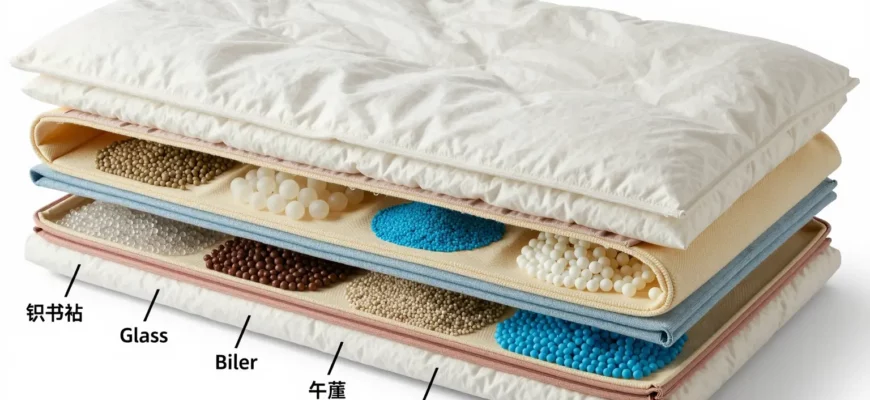
| Micro-Glass Beads | High | Silent | Premium blankets; hot sleepers; sensory sensitivity; |
| Plastic Poly-Pellets | Medium | Moderate (Rustling) | Budget-friendly options; durable for children’s use. |
| Steel Shot Beads | Very High | Silent | Ultra-heavy blankets (30lbs+); low-profile designs. |
| Sand | Low (Bulky) | Silent | Low-cost, disposable products (Not recommended). |
The rise of micro-glass beads for a smooth feel
Micro-glass beads have quickly become the gold standard for high-end weighted bedding. These tiny, sand-like grains are made from non-toxic glass beads that provide a significant amount of weight in a very small volume. Because they are so small, they flow smoothly within the blanket’s internal structure, allowing the fabric to drape naturally over the body.
One of the primary benefits of glass is its thermal neutrality. Unlike plastic, glass does not trap body heat, making it an excellent choice for individuals who struggle with night sweats. Additionally, glass is eco-friendly and hypoallergenic, ensuring that the blanket remains free of common allergens that might plague organic fillers like grain or dried beans.
Plastic poly-pellets and bulkier alternatives
Plastic poly-pellets are the original filler used in the early days of weighted blanket manufacturing. These small, round pebbles are typically made from 100% virgin polypropylene. While they are a cost-effective solution, they are less dense than glass, meaning a 15-pound plastic-filled blanket will be noticeably thicker than its glass-filled counterpart.
When considering what is in a weighted blanket, plastic filling is often the loudest option. The pellets can rub against each other, creating a soft rustling sound that some light sleepers find distracting. However, for those who prefer a “bean bag” feel or need a more affordable entry point into weighted therapy, poly-pellets remain a reliable and durable choice.
How do they make weighted blankets heavy without the fill shifting?
If you simply poured 20 pounds of glass beads into a large fabric bag, the weight would immediately sink to the bottom, creating a heavy, useless lump. Preventing this “bean bag effect” is the greatest engineering challenge in weighted blanket construction.
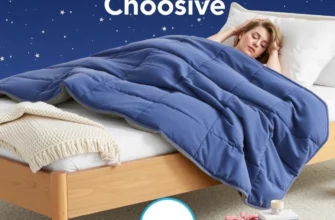
The solution lies in a specialized internal architecture known as baffled box construction. This involves sewing a grid of individual compartments throughout the entire surface of the blanket. Each square acts as a self-contained weighted pod, ensuring that the filler stays exactly where it belongs, regardless of how much you toss and turn.
The importance of the pocket stitch
The integrity of a weighted blanket depends entirely on its internal grid system. Most high-quality manufacturers use 4×4 or 6×6 inch quilted pockets to lock the beads in place. This weight distribution technology ensures that whether you are lying on your back or your side, the pressure remains consistent across your entire frame.
To prevent the beads from migrating between pockets or leaking out entirely, always look for double-stitched reinforced seams. Micro-glass beads are small enough to escape through standard needle holes, so a tight, industrial-grade lock-stitch is necessary for longevity. If a seam fails, the blanket loses its balance, and the therapeutic benefits are effectively neutralized.
Is there metal or sand in your blanket? Common misconceptions
There is often confusion regarding the use of “industrial” materials like metal or sand inside bedding. While these materials are used, they are generally found at opposite ends of the quality spectrum. Understanding the difference is vital for both hygiene and safety.
Myth: Metal fillers are sharp and dangerous to sleep under.
Fact: Steel shot fillers are perfectly smooth, medical-grade spheres that offer the highest density available for specialized heavy-duty blankets.
Myth: Sand is a natural and effective budget filler for weighted blankets.
Fact: Sand is highly problematic; it absorbs moisture, clumps into hard lumps, and can lead to mold growth that is impossible to clean.
Why sand is the filler of the past
While sand was once used as a cheap way to add mass, it has largely been phased out of reputable brands. The primary issue is moisture retention. Because sand is porous and organic in nature, it traps humidity from the air and sweat from the body. This creates a breeding ground for bacteria and mold inside the blanket.
Furthermore, what weighs down a weighted blanket should be easy to maintain. Never attempt to machine wash a sand-filled blanket, as the sand will expand when wet and may never fully dry, leading to a permanent musty odor. Modern glass and steel beads are non-porous and can withstand the cleaning process much more effectively.
Selecting your weight: How the 10% rule works
The effectiveness of a weighted blanket is not just about the quality of the beads; it is about the specific ratio of weight to the user’s body mass. Too light, and you won’t trigger the deep pressure response; too heavy, and you may feel restricted or uncomfortable.
The industry standard for choosing the correct poundage is the “10% rule.” This suggests that a blanket should be approximately 10% of your total body weight, plus or minus a pound or two depending on your personal comfort level.
- Identify your weight: A 150-pound adult should ideally start with a 15-pound blanket.
- Check the dimensions: Ensure the weight is concentrated on your body; a king-size weighted blanket needs to be heavier than a twin-size to provide the same pressure.
- Consider the filler density: Steel shot feels more “localized” and heavy, while glass beads feel more “distributed” and soft.
- Test for mobility: You should always be able to easily move and remove the blanket yourself without assistance.
Calculating the ideal poundage for your frame
When you are deciding how the blanket is weighted for your specific needs, consider your sleep position. Side sleepers often prefer a slightly lighter blanket (around 7-8% of body weight) because the weight is concentrated on a smaller surface area of the body. Back sleepers can usually handle the full 10% or even 12% without feeling overwhelmed.
If you fall between standard sizes—for example, if you weigh 175 pounds—it is generally recommended to round up to the 20-pound option rather than sizing down. The goal is to feel a gentle, grounding force that encourages the brain to release serotonin and melatonin, the body’s natural relaxation chemicals.
Expert Perspective: Weighted Fillers
In my professional experience working with sensory integration, the physical texture of the filler is just as important as the weight itself. I have found that patients with high tactile sensitivity almost always prefer micro-glass beads over plastic poly-pellets. The reason is simple: glass beads are significantly smaller and denser, which creates a “fluid” sensation similar to water. Plastic pellets, being larger and lighter, create a “lumpy” texture that can be overstimulating for some. If you are seeking a blanket for calming a sensitive nervous system, I always advise prioritizing bead density over cost to ensure a grounded, smooth feel that doesn’t distract the user with unnecessary noise or bulk.
Frequently Asked Questions
Micro-glass beads are widely considered the best filler because they are dense, silent, hypoallergenic, and provide excellent temperature regulation for most sleepers.
Can you wash a blanket that is weighted with sand or metal?
You should avoid washing sand-filled blankets as they trap moisture and clump. Blankets with glass or stainless steel beads are typically machine-washable, but always verify your washing machine’s weight capacity before loading a 20-pound blanket.
How do I know if my weighted blanket is leaking beads?
The most common sign of a leak is a gritty or “sandy” feel on your bedsheets. To prevent this, regularly inspect the corner seams and the quilted grid for any loose threads or thinning fabric.
Are plastic poly-pellets safe for children?
Yes, provided they are made from food-grade, BPA-free plastic. However, for children with sensory processing disorders, glass beads are often preferred for their smoother, more consistent texture.
Why does my weighted blanket feel heavier in some spots?
This is usually caused by “weight shifting,” which happens when the internal pockets are too large or the stitching has failed. High-quality blankets use smaller 4-inch pockets to keep the weight perfectly distributed.