- Understanding What a Weighted Blanket Does for the Body and Mind
- The Core Idea Behind Weighted Bedding
- The Mechanics of Comfort: How Do Weighted Blankets Work?
- Deep Pressure Stimulation and the Nervous System
- Therapeutic Applications: What is a Weighted Blanket Used For?
- Managing Sensory Processing in Autism and ADHD
- Alleviating Anxiety and Panic Symptoms
- Temperature Control: How Do Cooling Weighted Blankets Work?
- The Engineering of Breathable Weight
- Choosing Your Weight: Common Mistakes to Avoid
- Finding the Right Pressure for Your Body Type
- Expert Perspective: Sensory Integration
- Frequently Asked Questions
Understanding What a Weighted Blanket Does for the Body and Mind
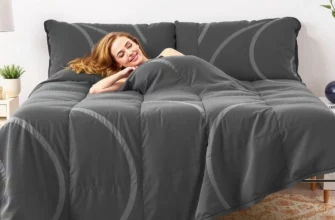
When you first drape a weighted blanket over your shoulders, the sensation is immediate and distinct. It is not the stifling heat of a heavy duvet, but rather a firm, distributed pressure that mimics the feeling of a secure hug or a gentle swaddle. This physical grounding is designed to do more than just keep you warm; it serves as a functional tool to recalibrate your internal stress response.
For many, the idea of a weighted blanket starts with the simple desire for better rest, but the utility of these tools extends far deeper into the realm of sensory regulation. By applying consistent force across the body, these blankets provide a constant stream of sensory information to the brain, helping to quiet the “noise” of a hyper-aroused nervous system. It is a tactile experience that shifts your focus from internal racing thoughts to the physical reality of your immediate environment.
The Core Idea Behind Weighted Bedding
The transition of weighted blankets from specialized clinical tools to mainstream bedroom staples represents a significant shift in how we approach sleep hygiene. Originally, these were almost exclusively found in occupational therapy offices, used to help children with sensory processing disorders find a sense of calm during periods of overstimulation. Practitioners recognized that “heavy work” or deep pressure could anchor a child’s attention and reduce physical agitation.
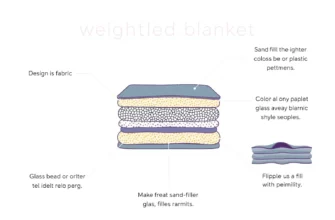
Today, the info about weighted blankets highlights a sophisticated construction process. Most high-quality versions utilize a quilted design with small pockets, each filled with dense materials like fine glass microbes or polished stainless steel beads. This design ensures that the weight remains evenly distributed, preventing the “bunching” that occurs with traditional heavy comforters. This precision allows the blanket to contour to the unique shape of your body, ensuring that every limb receives the therapeutic input necessary to trigger a relaxation response.
The Mechanics of Comfort: How Do Weighted Blankets Work?
To understand how a weighted blanket works, we have to look past the fabric and into the biology of the human nervous system. The primary mechanism at play is known as Deep Pressure Stimulation (DPS). This is a form of tactile input that provides a firm but gentle squeeze, signaling to the brain that the body is safe and protected. This signal is crucial for moving the body out of a state of high alert.
When the brain receives this pressure, it initiates a chemical cascade. The sympathetic nervous system, which governs our “fight or flight” response, begins to take a backseat. In its place, the parasympathetic nervous system—the “rest and digest” mode—becomes dominant. This shift is characterized by a slower heart rate, stabilized blood pressure, and a reduction in muscle tension, creating the ideal physiological environment for falling and staying asleep.
- Initial Contact: The weight of the blanket is distributed across the major muscle groups and joints, providing immediate proprioceptive input.
- Neurological Signaling: The pressure stimulates mechanoreceptors under the skin, which send signals to the brain’s limbic system and reticular activating system.
- Hormonal Response: The brain begins to modulate neurotransmitters, specifically increasing the production of serotonin while inhibiting the release of cortisol.
- Systemic Relaxation: As serotonin levels rise, the body naturally converts some of this into melatonin, the hormone responsible for regulating the sleep-wake cycle.
- Deep Sleep Entry: With cortisol levels dropped and melatonin levels optimized, the body enters a deeper state of REM and slow-wave sleep, reducing mid-night awakenings.
Deep Pressure Stimulation and the Nervous System
Explaining weighted blanket science requires a look at the “happiness hormones.” Serotonin is a natural mood stabilizer that helps us feel calm and grounded. By applying pressure, the blanket encourages the brain to release more of this chemical, which is why many users report a significant reduction in feelings of restlessness. This is particularly effective for those who suffer from “nighttime brain,” where the silence of the evening leads to a cycle of ruminating thoughts.
Furthermore, the reduction of cortisol is perhaps the most significant benefit for long-term health. Cortisol is the body’s primary stress hormone; while it is necessary for waking up and responding to danger, chronically high levels can lead to weight gain, high blood pressure, and fragmented sleep. By physically “grounding” the body, weighted blankets help keep cortisol levels in check, allowing the natural melatonin release to take over and guide the body into a restorative sleep state.
Therapeutic Applications: What is a Weighted Blanket Used For?
While many people use these blankets for general comfort, they serve as vital non-pharmacological interventions for several specific health conditions. The application of weight provides a predictable, soothing stimulus that can be life-changing for individuals who struggle with sensory integration or high-intensity anxiety. In clinical settings, the use of weighted blankets and vests is often a first-line recommendation for improving focus and emotional regulation.
The versatility of these tools is best seen when comparing how they address different neurological needs. Whether it is the physical “tapping” sensation needed by someone with ADHD or the protective “cocoon” sought by someone during a panic attack, the blanket adapts to the user’s specific requirement for sensory input. This adaptability makes it a staple in occupational therapy for both children and adults.
| Condition | Primary Benefit | Mechanism of Action |
|---|---|---|
| Chronic Anxiety | Reduces physical agitation and racing heart. | Lowers cortisol and stabilizes the parasympathetic nervous system. |
| Autism (ASD) | Provides grounding and reduces sensory overload. | Delivers organized proprioceptive input to the brain. |
| Insomnia | Increases sleep duration and reduces tossing/turning. | Stimulates natural melatonin production via serotonin boost. |
| ADHD | Improves focus and helps with “winding down” at night. | Calms the central nervous system through tactile feedback. |
Managing Sensory Processing in Autism and ADHD
For neurodivergent individuals, the world can often feel like a barrage of unpredictable sensory information. What is a weighted blanket for autism if not a shield against this overstimulation? For someone with Sensory Processing Disorder (SPD), the brain may struggle to understand where the body ends and the environment begins. The firm pressure of a weighted blanket provides clear, consistent proprioceptive input, which helps the individual feel “grounded” in their own skin.
This same principle applies to ADHD. Many individuals with ADHD experience “internal restlessness,” a feeling that they need to be moving or fidgeting at all times. The weight of the blanket acts as a physical anchor, satisfying the body’s need for movement through static pressure. In some cases, occupational therapists recommend using weighted vests during the day to help children maintain focus in the classroom, as the weight provides a calming “feedback loop” that reduces the urge to seek out other, more disruptive sensory inputs.
Alleviating Anxiety and Panic Symptoms
When discussing what a weighted blanket is for anxiety, we are looking at the physical manifestation of stress. During a panic attack or a high-stress moment, the body is flooded with adrenaline. This results in a rapid heartbeat, shallow breathing, and a feeling of being untethered. The weight of the blanket provides a “tactile focal point.” By concentrating on the heavy, cooling sensation of the fabric, the user can often interrupt the cycle of a panic attack.
Using weight as a non-pharmacological intervention is increasingly popular because it lacks the side effects associated with sedative medications. It is a form of weighted blanket therapy that can be used as needed—whether for ten minutes after a stressful work meeting or for eight hours during the night. The blanket provides a sense of physical containment, which many users describe as feeling “protected” or “held,” allowing the mind to finally let go of its defensive posture.
Temperature Control: How Do Cooling Weighted Blankets Work?
One of the most persistent myths about weighted blankets is that they are inherently hot. In the past, when blankets were filled with thick cotton batting and plastic pellets, overheating was a genuine concern. However, modern engineering has solved this through the development of cooling weighted blankets. These are specifically designed for “hot sleepers” who need the therapeutic weight but cannot tolerate the trapped body heat that comes with traditional bedding.
The secret lies in the combination of moisture-wicking fabrics and high-density fill materials. Instead of acting as an insulator, a high-quality cooling blanket acts as a heat sink, drawing warmth away from the body and dispersing it into the air. This allows for a consistent core temperature, which is a critical requirement for entering the deep stages of sleep.
The Engineering of Breathable Weight
When looking at what a cooling weighted blanket does, the choice of fabric is paramount. Materials like bamboo-derived rayon and Tencel (made from eucalyptus fibers) are naturally breathable and feel cool to the touch. These fabrics have a high thermal conductivity, meaning they move heat quickly. Unlike cotton, which can trap moisture and become damp, these advanced textiles wick sweat away, keeping the sleeper dry throughout the night.
The internal fill is equally important. While plastic pellets tend to retain heat, glass microbes are much smaller and more dense, allowing them to sit in a thinner layer. This thinness prevents the “insulation effect.” Furthermore, glass does not hold onto thermal energy as long as synthetic plastics do. When you combine these glass beads with a specialized open-weave or “weighted yarn” design, you get a product that provides maximum pressure with maximum airflow, proving that you don’t have to choose between comfort and coolness.
Choosing Your Weight: Common Mistakes to Avoid
Selecting the wrong weighted blanket is the most common reason users fail to see results. If the blanket is too light, it won’t trigger the Deep Pressure Stimulation needed for hormonal changes. If it is too heavy, it can feel restrictive, cause physical discomfort, or even pose a safety risk. The “perfect” blanket should feel significant but never like it is pinning you down or making it difficult to change positions.
The industry standard is the 10% rule: choose a blanket that is approximately 10% of your total body weight. However, this is just a starting point. Your personal sensitivity to pressure, your physical strength, and your specific health goals should also play a role in the decision. For instance, someone using a blanket for severe anxiety might prefer a slightly heavier option (12-15%), while an elderly user with joint pain might find 7-8% more comfortable.
Critical Safety Warning: Never use a weighted blanket for infants or toddlers under the age of two. They lack the physical strength to move the blanket if it covers their face, posing a severe suffocation risk. Always ensure the user can independently remove the blanket.
Finding the Right Pressure for Your Body Type
When calculating the weight for an adult, most manufacturers offer 15lb, 20lb, and 25lb options. If you fall between sizes—for example, you weigh 175 lbs—it is generally recommended to size up to the 20lb blanket unless you are a particularly petite individual or have respiratory issues. The goal is to ensure the weight is heavy enough to penetrate the deep tissue without causing any strain on the ribcage.
For children, the calculation is more precise: 10% of their body weight plus one or two pounds. This extra pound ensures that the blanket provides enough input even as the child moves during the night. It is also worth considering the size of the blanket. A “Twin” size weighted blanket concentrates all its weight over a single person, whereas a “King” size blanket spreads that same weight over a larger area. For maximum therapeutic effect, choose a blanket that fits your body, not necessarily your bed size.
- Mistake 1: Buying for the Bed, Not the Person. A King-sized weighted blanket often hangs off the edges, and gravity will pull the weight toward the floor rather than keeping it on your body.
- Mistake 2: Ignoring the Fill Material. Cheap poly-pellets can be noisy and lumpy. Always look for glass beads for a smoother, quieter experience.
- Mistake 3: Forgetting the Washability. Weighted blankets are heavy; ensure yours comes with a removable duvet cover, as most home washing machines cannot handle a 20lb blanket.
- Mistake 4: Introducing it Too Quickly. Some people need a “break-in” period. Start by using the blanket over just your legs for 20 minutes before trying a full night’s sleep.
Expert Perspective: Sensory Integration
In my professional experience as an occupational therapist, I have seen weighted blankets serve as a cornerstone for sensory diets, but they are most effective when used as part of a holistic routine. I always advise my clients to view proprioceptive input as a “refueling station” for the nervous system. While a weighted blanket is a powerful tool for self-regulation, it shouldn’t be the only one. For the best results, ensure you are using high-quality materials; I specifically recommend non-toxic glass beads because they provide a much more fluid, body-contouring pressure than plastic. This consistency is vital for long-term effectiveness, as the brain can become “habituated” to uneven or shifting pressure, reducing the therapeutic impact over time.
Frequently Asked Questions
While the physical sensation of grounding is immediate, the physiological shift—including the release of melatonin and serotonin—typically takes 15 to 30 minutes of consistent use.
Can you use a weighted blanket every night?
Yes, it is perfectly safe for healthy adults to use a weighted blanket nightly. The body does not build a “tolerance” to the weight, and many find the consistent routine improves long-term sleep hygiene.
Are cooling weighted blankets actually cold to the touch?
They are generally “room temperature” or slightly cool, but their main function is to dissipate body heat and prevent sweating rather than generating active refrigeration.
What is the main difference between a weighted blanket and a regular heavy comforter?
A heavy comforter relies on “bulk” (thick insulation) to create weight, which traps heat. A weighted blanket uses high-density beads to provide localized pressure without the need for thick, hot layers.
Is there anyone who should not use a weighted blanket?
Individuals with respiratory issues, sleep apnea, or circulatory problems should consult a doctor first. They are also strictly prohibited for infants who cannot move the weight themselves.
How do you wash a blanket filled with glass beads?
Most glass-filled blankets require a removable duvet cover that can be machine-washed. The inner weighted layer should only be spot-cleaned or washed in a commercial-grade machine due to its extreme weight.