- Why a Teal Weighted Blanket is the Ultimate Bedroom Upgrade
- The Science of Color and Comfort
- Top-Rated Brands for Teal and Sage Weighted Blankets
- Comparing Hazli, Panda, and Rosmarus Options
- Advanced Features: From Infused Fabrics to Breathable Weaves
- Staying Cool with Breathable Fabrics
- The Luxury Choice: Alpaca and Infused Options
- How to Select the Correct Weight for Your Body Type
- The 10% Rule for Maximum Relaxation
- Style Guide: Coordinating Teal Bedding with Your Decor
- Mixing Teal, Slate, and Sage Tones
- Common Mistakes When Buying a Weighted Blanket Online
- Checking for Even Weight Distribution
- Frequently Asked Questions
Why a Teal Weighted Blanket is the Ultimate Bedroom Upgrade
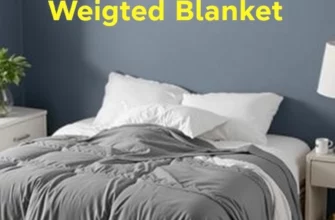
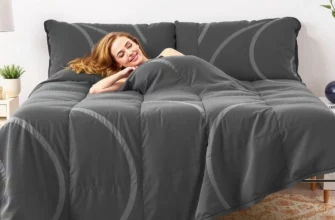
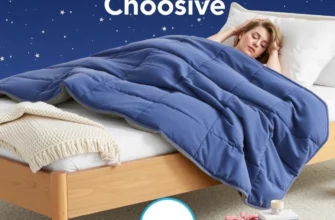
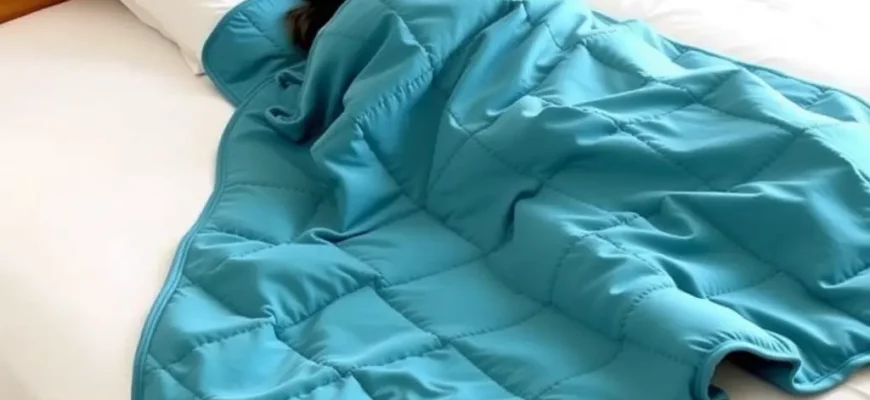
Transforming a bedroom into a sanctuary requires more than just high-thread-count sheets; it demands a fusion of visual tranquility and physical grounding. A teal weighted blanket serves as this dual-purpose anchor, offering a sophisticated pop of color that psychologically signals safety while the internal weight provides a “hug” that resets the nervous system.
Teal sits at the intersection of blue’s serenity and green’s vitality, making it a stabilizing force in sleep hygiene. When you drape this weight over your body, you aren’t just adding a layer of fabric; you are engaging in a form of sensory therapy that has been used for decades to manage high-stress levels and improve sleep latency.
The Science of Color and Comfort
The color teal is often associated with the ocean and the sky at dusk, providing a grounding effect that helps lower the heart rate before you even close your eyes. In a calming bedroom environment, teal works to balance the energy of a room, especially when paired with neutral tones like gray or beige. It provides enough visual interest to act as a focal point without being overstimulating like brighter primary colors.
Physiologically, the magic happens through deep pressure stimulation (DPS). This tactile input encourages the brain to release serotonin and melatonin while simultaneously reducing cortisol, the body’s primary stress hormone. By combining the mental calm of the teal hue with the physical weight of glass bead filling, you create a comprehensive sensory comfort experience that prepares the body for deep, restorative REM cycles.
Top-Rated Brands for Teal and Sage Weighted Blankets
Selecting the right brand is a matter of balancing aesthetic preference with technical construction. Because teal comes in various depths—from a muted sage-teal to a deep, moody slate—understanding how different manufacturers approach their color palettes and material choices is essential for a cohesive room design.
| Brand | Primary Material | Weight Options | Best For |
|---|---|---|---|
| Hazli | 100% Breathable Cotton | 5 lbs to 25 lbs | Durability and active sleepers |
| Panda | Eco-friendly Bamboo | 15 lbs to 20 lbs | Hot sleepers and sustainability |
| Rosmarus | Microfiber & Glass Beads | 7 lbs to 30 lbs | Affordability and variety |
| Luxome | Bamboo Lyocell | 15 lbs to 30 lbs | Integrated “no-sheet” design |
Comparing Hazli, Panda, and Rosmarus Options
A hazli weighted blanket is frequently cited for its rugged construction, making it a top choice for those who want a product that can withstand years of use without losing its shape. Their teal shades tend to be more vibrant, leaning into the “jewel tone” category. These blankets often feature smaller square pockets to prevent the internal glass beads from shifting, which ensures the weight stays evenly distributed across your limbs rather than pooling in the corners.
For the environmentally conscious, a panda weighted blanket offers a different tactile experience. Utilizing bamboo-sourced fabrics, these blankets are naturally hypoallergenic and possess a silky “hand-feel” that stays cool to the touch. Their version of teal is often softer, bordering on a deep sage, which fits perfectly in organic or minimalist bedroom decors. If budget is your primary driver, the rosmarus weighted blanket and similar offerings from Ovente provide entry-level access to weighted therapy without sacrificing the essential glass bead filling that defines high-quality modern blankets.
Advanced Features: From Infused Fabrics to Breathable Weaves
The weighted blanket market has moved far beyond simple heavy quilts. Today, technical innovations focus on temperature regulation and moisture management, addressing the most common complaint: “weighted blankets are too hot.” Manufacturers are now experimenting with fabric blends that actively wick sweat away from the body while maintaining the heavy profile required for anxiety relief bedding.
Staying Cool with Breathable Fabrics
A breathable weighted blanket is no longer a luxury; it is a necessity for anyone living in warmer climates or those who naturally “run hot” at night. Specialized weaves, such as those found in a melange weighted blanket, use a mix of variegated yarns to create a porous surface that allows heat to escape. This air circulation is critical because trapped heat can lead to night sweats and fragmented sleep, negating the benefits of the weight itself.
The luxome weighted blanket no sheet model is a standout in this category. It is designed to be used directly against the skin, eliminating the need for a flat sheet that often gets tangled and bunched up under the weight. By using high-quality bamboo lyocell, these blankets provide a cool-to-the-touch sensation that remains consistent throughout the night, even as your body temperature fluctuates.
The Luxury Choice: Alpaca and Infused Options
For those seeking the pinnacle of material science, an alpaca weighted blanket offers unparalleled thermoregulation. Alpaca fibers are hollow, meaning they provide insulation when it is cold and extreme breathability when it is warm. Additionally, alpaca wool is naturally lanolin-free, making it a hypoallergenic alternative for those who find traditional sheep’s wool irritating or scratchy.
An infused weighted blanket takes the sensory experience a step further by embedding micro-encapsulated elements within the fabric or the filling. This might include charcoal infusions for odor control or lavender-scented beads for aromatherapy. While these features are niche, they appeal to sensory seekers who want their bedding to engage multiple senses simultaneously to maximize the relaxation response.
How to Select the Correct Weight for Your Body Type
Finding the “sweet spot” in weight is the difference between feeling hugged and feeling pinned down. If the blanket is too light, you won’t trigger the deep pressure stimulation necessary for serotonin production; if it’s too heavy, you risk joint discomfort and restricted movement.
- Calculate 10% of your body weight: This is the standard industry benchmark for most adults. If you weigh 150 lbs, a 15 lb blanket is your baseline.
- Consider your sleep position: Side sleepers often prefer a slightly lighter blanket (around 7-8% of body weight) to avoid excessive pressure on the hips and shoulders.
- Account for bed size: If you are sharing the blanket, you must calculate the weight based on the individual user, not the combined weight of the couple. Never use a 30 lb blanket on a single person unless they are specifically sized for it.
- Test the increments: Brands like Anfie, Xalm, and Babo offer more granular weight options, such as 12 lb or 17 lb versions, which are ideal for those who find the standard 5 lb jumps too drastic.
The 10% Rule for Maximum Relaxation
While the 10% rule is a great starting point, personal preference plays a significant role. An anfie weighted blanket or a xalm weighted blanket might offer more flexible sizing for teenagers or smaller adults who fall between standard categories. It is important to remember that the weight should be distributed from your shoulders to your feet; it should never cover your head or neck. If you find yourself struggling to turn over during the night, you should immediately drop down to a lighter weight class to ensure safety and comfort.
For those with specific sensory processing needs, a babo weighted blanket often provides higher-density filling, meaning the blanket is thinner but just as heavy. This is particularly useful for users who want the weight but dislike the bulk of a traditional thick comforter.
Style Guide: Coordinating Teal Bedding with Your Decor
Teal is a versatile color, but it can easily overwhelm a small room if not styled correctly. The key to using a teal weighted blanket in interior design is to treat it as a “neutral plus”—a color that provides depth without clashing with existing palettes.
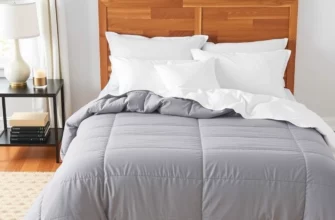
To create a high-end look, consider the texture of the blanket. A mozaic weighted blanket with a quilted finish adds a geometric element to the bed, while a smooth mella weighted blanket offers a more modern, streamlined appearance. Textural contrast is what prevents a monochromatic room from looking flat and uninspired.
Mixing Teal, Slate, and Sage Tones
If you want a “sleep sanctuary” feel, try layering different shades of the same color family. A slate weighted blanket paired with teal pillows creates a sophisticated, moody atmosphere. Conversely, a sage weighted blanket mixed with teal accents brings a natural, botanical vibe that feels fresh and airy. Using different materials—such as a velvet-textured teal cover over a cotton sage base—adds a sense of luxury that makes the bed the undisputed centerpiece of the room.
Common Mistakes When Buying a Weighted Blanket Online
The convenience of online shopping comes with the risk of purchasing a product that doesn’t live up to its marketing claims. Because you can’t feel the “drape” or the “hand” of the fabric through a screen, you must look for specific technical indicators of quality.
Warning: Avoid blankets with large quilting squares (bigger than 6×6 inches). Large pockets allow the glass beads to shift to one side, resulting in uneven pressure and a “lumpy” feel that can disrupt sleep.
- Ignoring the cover type: Many blankets are “inner only,” meaning you have to buy a separate cover. Look for sets that include a removable, machine-washable cover with internal ties to prevent the blanket from bunching inside.
- Miscalculating Dimensions: A weighted blanket should be smaller than your mattress. If it hangs over the edges, the gravity will pull the blanket off the bed during the night.
- Overlooking Bead Quality: Lower-end brands use plastic poly-pellets which are bulkier and retain more heat. Always opt for medical-grade micro-glass beads for a smoother, cooler experience.
Checking for Even Weight Distribution
High-quality options like the trublanket weighted blanket or a nifty weighted blanket are engineered with reinforced double-stitching. This is a critical detail; if the stitching between the pockets fails, the glass beads will leak into other sections, or worse, out of the blanket entirely. Before committing, check user reviews specifically for “bead migration” or “leaking” to ensure the internal construction is robust enough for daily use.
In my professional experience, consumers focus far too much on the number on the scale and not enough on the “hand-feel” of the fabric. For sensory seekers, the tactile interface is the primary driver of cortisol reduction. I always advise clients to choose a fabric that matches their sensory profile: if you are easily overstimulated, a smooth, cool bamboo teal is superior. If you require high tactile input to feel grounded, a textured melange or a minky-dot teal fabric will provide the additional sensory feedback needed to “turn off” the brain’s alarm system. The goal isn’t just weight; it’s a specific type of pressure that feels safe to your unique nervous system.
Frequently Asked Questions
Most teal blankets feature a removable duvet cover that is machine washable. However, the inner weighted core usually requires spot cleaning or professional laundering due to its weight. Always check if the inner ties are reinforced to prevent the blanket from shifting during use.
How do I choose between teal and sage for my bedroom?
Teal is a bolder, more grounding choice that works well in modern or coastal designs. Sage is softer and more organic, making it ideal for farmhouse or “cottage-core” aesthetics. If your room has lots of natural wood, teal provides a striking, high-contrast complement.
Are alpaca weighted blankets better for hot sleepers?
Yes, alpaca is one of the most breathable natural fibers on earth. It features semi-hollow fibers that provide superior thermoregulation compared to synthetic microfiber, making it an excellent investment for those who experience night sweats.
What is an infused weighted blanket?
These blankets have materials like copper, charcoal, or lavender scents integrated into the fabric or beads. Charcoal infusions are particularly helpful for neutralizing odors and maintaining freshness over long periods of use.
What should I look for in a breathable weighted blanket?
Prioritize natural fibers like bamboo, eucalyptus (lyocell), or linen. Look for “open-weave” construction or 300+ thread count cotton, which allows for maximum airflow while still containing the internal glass beads.
Can I use a weighted blanket without a top sheet?
Yes, specifically designed models like the Luxome weighted blanket are crafted with a finished exterior meant to be used without a sheet. This reduces bulk and prevents the “tangled sheet” syndrome common with heavy bedding.