- How to Clean a Weighted Blanket Without Damaging the Filling
- Identifying Your Blanket’s Internal Material
- Is Your Washing Machine Strong Enough? Weight Limits Explained
- Can I Wash a 20lb or 25lb Weighted Blanket at Home?
- Quick Fixes for Spills: The Art of Spot Cleaning Your Blanket
- Removing Stains Without a Full Soak
- Brand-Specific Care: From Bearaby to YNM and Tranquility
- Washing Instructions for Top Weighted Blanket Brands
- The Drying Dilemma: Air Drying vs. Tumble Dry Low
- How to Air Dry for Maximum Longevity
- Maintenance Secrets: How to Freshen Up Between Washes
- Using a Duvet Cover to Simplify Your Life
- Expert Perspective: Weighted Blanket Longevity
- Frequently Asked Questions
How to Clean a Weighted Blanket Without Damaging the Filling
Cleaning a weighted blanket is not as straightforward as tossing a standard comforter into the wash. Because these blankets rely on heavy internal fillers to provide therapeutic pressure, the cleaning process must prioritize the structural integrity of the stitching and the chemical stability of the filling material. Ruining an expensive weighted blanket often happens during the first wash if you fail to account for how water weight interacts with glass or plastic internals.
Before you begin any cleaning routine, you must understand that the “weight” of the blanket increases significantly when wet. A 20lb blanket can easily exert over 50lbs of force on your washing machine’s drum and its own internal baffles when saturated. To keep your sleep tool in top condition, you must treat it as a technical piece of bedding rather than a simple piece of fabric.
Identifying Your Blanket’s Internal Material
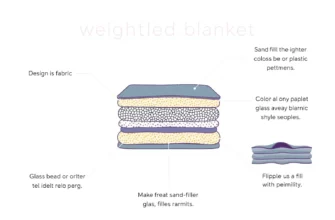
The first step in any cleaning protocol is a deep dive into the care label to identify exactly what is providing the weight. Most modern blankets use either micro-glass beads or plastic poly-pellets. Glass beads are generally more durable and heat-resistant, but they are so fine that any tear in the fabric can lead to a “sand leak” that ruins both the blanket and your washing machine.
Plastic poly-pellets, while common in budget-friendly options, are much more sensitive to temperature. If you use a high-heat setting in the dryer, plastic pellets can melt and fuse together, turning your soft blanket into a lumpy, uncomfortable mess. Always verify if your blanket uses organic fillers like grains or beans; if it does, never submerge it in water, as these materials will rot or sprout mold if they don’t dry instantly.
Is Your Washing Machine Strong Enough? Weight Limits Explained
Most residential washing machines are designed to handle the volume of a large load, but not necessarily the concentrated density of a heavy weighted blanket. A standard top-load washer with an agitator is often the worst choice for this task, as the agitator can snag the fabric and the concentrated weight can cause the drum to become dangerously off-balance during the high-speed spin cycle.
| Blanket Weight | Recommended Machine Type | Cleaning Strategy |
|---|---|---|
| 5lb ⏤ 12lb | Standard Residential Washer | Gentle cycle; ensure even distribution. |
| 15lb ─ 20lb | Large Capacity / Front Loader | Front-loaders are preferred to avoid agitator damage. |
| 25lb+ | Commercial Grade (Laundromat) | Do not use home machines; the suspension may fail. |
When you exceed the weight limit of your home appliance, you risk more than just a poor wash. The mechanical suspension system of a home washer is not built to stabilize a 25lb dead-weight that shifts to one side. If you hear a loud “banging” noise during the spin cycle, stop the machine immediately and manually redistribute the blanket to prevent permanent damage to the washer’s bearings.
Can I Wash a 20lb or 25lb Weighted Blanket at Home?
For blankets in the 20lb range, you are pushing the limits of most standard home appliances. If your washer has a “Bulky” or “Bedding” cycle, this is usually the safest bet, as it is programmed to handle heavier loads with more water for buoyancy. However, for a 25lb blanket, the safest route is always a commercial laundromat. Commercial machines are built with heavy-duty shocks and larger drums that allow the blanket to move freely, ensuring a more thorough rinse of detergents.
If you must wash a 20lb blanket at home, always use a front-loading machine. Front-loaders tumble the laundry rather than twisting it around a central post, which significantly reduces the stress on the blanket’s outer fabric. This prevents the “pilling” of minky fabrics and keeps the internal glass beads from being forced through the weave of the fabric.
Quick Fixes for Spills: The Art of Spot Cleaning Your Blanket
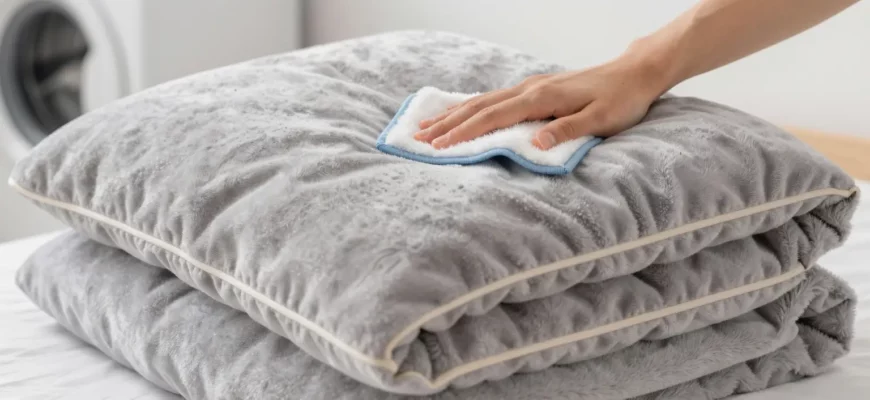
The best way to extend the life of your weighted blanket is to wash the entire unit as infrequently as possible. Every full immersion wash subjects the internal stitching to stress. Spot cleaning is the preferred method for dealing with coffee spills, sweat, or small stains, as it targets the mess without compromising the internal baffles that keep the weight evenly distributed.
- Blot, don’t rub: Use a clean paper towel to soak up as much liquid as possible immediately after the spill.
- Prepare a mild solution: Mix a teaspoon of gentle, bleach-free detergent with a cup of cool water.
- Apply with a soft cloth: Gently dab the stained area, working from the outside of the stain toward the center.
- Rinse with a damp cloth: Use a separate cloth dampened with plain water to remove any soap residue.
- Accelerate drying: Use a hairdryer on a cool-only setting or place a fan directly in front of the spot to prevent moisture from seeping into the filler.
By mastering the spot clean, you can often go a full year or more without needing a deep wash. This is especially vital for blankets labeled “spot clean only,” which often feature delicate outer shells or internal materials that cannot withstand the mechanical agitation of a machine.
Removing Stains Without a Full Soak
When dealing with organic stains like blood or urine, an enzyme-based cleaner is your best friend. These cleaners break down the proteins in the stain rather than just masking them. However, always test a small, inconspicuous corner of the blanket first to ensure the cleaner doesn’t discolor the fabric. For oil-based stains, a tiny drop of clear dish soap can effectively lift the grease without leaving a heavy chemical footprint.
If your blanket is “spot clean only,” never submerge it in a bathtub. The weight of the water trapped inside can become so immense that the fabric will literally tear when you try to lift it out. Instead, focus on high-frequency, low-moisture cleaning techniques to maintain hygiene without risking structural failure.
Brand-Specific Care: From Bearaby to YNM and Tranquility
Not all weighted blankets are constructed the same way, and using the wrong method for a specific brand can void your warranty or ruin the product. For instance, a knitted blanket requires a completely different approach than a quilted blanket filled with beads. Understanding the nuances of your specific brand is the difference between a fresh blanket and a ruined investment.
| Brand | Primary Construction | Best Cleaning Method |
|---|---|---|
| Bearaby | Knitted (No fillers) | Machine wash cold, tumble dry low. |
| YNM | Glass beads / Layered | Machine wash cold, air dry preferred. |
| Tranquility | Glass beads / Polyester | Spot clean or gentle machine wash. |
| Casper | Quilted / Micro-beads | Gentle cycle, low heat dry. |
| Zonli | High-density beads | Machine wash cold, line dry. |
Each brand has a unique “DNA” in its construction. Bearaby, for example, uses a heavy-gauge yarn to create weight through the knit itself, meaning there are no beads to worry about. YNM, on the other hand, uses a multi-layer system to keep beads silent and stable, which means you must avoid high-speed spins that could shift those layers.
Washing Instructions for Top Weighted Blanket Brands
When washing a Bearaby Cotton Napper, remember that it is basically one giant sweater. It needs to be washed alone to prevent snagging and it may require multiple drying cycles on low heat because the thick cotton loops hold a massive amount of water. Because there are no beads, you don’t have to worry about melting, but you do have to worry about the blanket losing its shape if hung to dry.
For YNM or Tranquility blankets, the focus is on protecting the glass beads. These brands often use a “minky” or “cooling” fabric. Never use fabric softeners on cooling fabrics, as the chemicals in the softener will coat the fibers and effectively “plug” the pores that allow for breathability. This turns a cooling blanket into a heat-trap overnight.
The Drying Dilemma: Air Drying vs. Tumble Dry Low
More weighted blankets are destroyed in the dryer than in the washing machine. The combination of heavy weight and high heat is a recipe for disaster. If the internal pellets are plastic, they can melt. If the fabric is synthetic (like polyester or minky), high heat can cause the fibers to “fuse,” resulting in a scratchy, rough texture that loses its softness forever.
- Check the heat: Only use the “Low” or “Air Fluff” setting on your dryer.
- Use dryer balls: Clean tennis balls or wool dryer balls help keep the blanket moving and prevent the weight from clumping in one corner.
- Avoid the “hang dry” trap: Never hang a wet weighted blanket over a clothesline. The weight of the water will pull the blanket downward, stretching the fabric and potentially snapping the internal threads that hold the weight pockets in place.
- Clean the lint trap: Heavy blankets shed more fibers during the drying process; check the trap halfway through the cycle.
The safest way to dry any weighted blanket is to lay it flat on a clean surface, preferably on a series of towels, with a fan circulating air over it. This maintains the dimensions of the blanket and ensures that no single area is under too much tension while the fibers are wet and vulnerable.
How to Air Dry for Maximum Longevity
If you choose to air dry, you must be patient. A 15lb or 20lb blanket can take 24 to 48 hours to dry completely. Every few hours, you should flip the blanket and shake it gently to redistribute the internal beads and ensure air reaches the bottom layers. If moisture remains trapped in the center of the blanket for too long, you risk the growth of mildew, which is nearly impossible to remove from weighted fillers.
To speed up the process without a dryer, place the blanket between two dry towels and walk on it. Your body weight will help press the deep-seated moisture out of the filler and into the towels. Always ensure the blanket is 100% dry before putting it back on your bed; even a small amount of residual dampness can lead to odors that are difficult to eliminate later.
Maintenance Secrets: How to Freshen Up Between Washes
Maintaining a weighted blanket is all about proactive care. If you treat the blanket as a core piece of equipment rather than just a sheet, you can keep it in “like-new” condition for years. The goal is to minimize the number of times the blanket needs to be fully submerged, as mechanical agitation is the primary enemy of weighted bedding longevity.
One of the easiest ways to keep a blanket fresh is to use the power of the sun. Every few months, lay your blanket out in direct sunlight for an hour or two. UV rays act as a natural disinfectant, killing bacteria and neutralizing odors without the need for water or chemicals. Just be sure not to leave it out too long, as prolonged UV exposure can eventually weaken the fabric fibers.
Using a Duvet Cover to Simplify Your Life
If your weighted blanket didn’t come with a duvet cover, buying one is the single best investment you can make. A duvet cover acts as a sacrificial barrier, absorbing the sweat, skin cells, and oils that would otherwise migrate into the blanket’s filler. It is much easier to wash a lightweight cotton cover every week than it is to wash a 20lb glass-filled blanket once a month.
To freshen up the blanket without water, you can also use baking soda. Lightly sprinkle baking soda over the surface, let it sit for 30 minutes to absorb odors, and then carefully vacuum it up using a handheld attachment. This is a highly effective way to remove the “stale” smell that can develop in heavy bedding without subjecting the stitching to the stress of a washing machine cycle.
Expert Perspective: Weighted Blanket Longevity
In my professional experience as a textile specialist, the golden rule of weighted blankets is simple: wash the inner blanket as little as humanly possible. Every time a weighted blanket goes through a wash cycle, the mechanical agitation puts immense stress on the baffles—those small sewn pockets that keep the weights in place. Over time, these threads weaken, leading to “leaks” where the beads migrate to one side. This ruins the Deep Pressure Stimulation (DPS) benefits of the blanket. I always advise clients to prioritize a high-quality removable cover and to only wash the weighted core when it is absolutely necessary for hygiene.
Frequently Asked Questions
Yes, most standard home washers can handle 15lbs, but you should use a gentle cycle and cold water to protect the fibers.
How often should you wash a weighted blanket?
If used with a duvet cover, once or twice a year. If used directly, every 2-3 months or as needed for spills.
What is the best way to clean a weighted blanket with glass beads?
Machine wash on cold/gentle and tumble dry on low heat or air dry. Glass beads are more heat-resistant than plastic but the fabric surrounding them is often delicate.
How do I clean a spot clean only weighted blanket?
Use a damp cloth with mild detergent to treat the specific area. Never submerge these blankets as the internal filler may clump or the fabric may degrade.
Can I use fabric softener on my weighted blanket?
No. Fabric softeners can build up on the fibers and make the blanket feel stiff or waxy over time, especially on minky or cooling fabrics.
How do you wash a Bearaby knitted blanket?
Bearaby blankets are unique because they have no fillers. They should be washed alone in cold water on a delicate cycle and tumbled dry on low.