- Understanding Why Weighted Blankets Comforting Sensations Work
- The Magic of Deep Pressure Stimulation (DPS)
- The Psychology Behind Weighted Blankets and Emotional Safety
- How Your Brain Interprets a Weighted Hug
- Common Myths vs. Scientific Facts About Weighted Comfort
- How a Weighted Blanket Calms Your Nervous System Instantly
- Switching Off the Stress Mode
- Choosing Your Weight: A Quick Reference Guide
- Why Does a Weighted Blanket Feel So Good During Stressful Days?
- Proprioceptive Input: Finding Your Center
- Expert Perspective: Sensory Integration and Comfort
- Frequently Asked Questions
Understanding Why Weighted Blankets Comforting Sensations Work
The immediate sense of relief you feel when pulling a weighted blanket over your shoulders is far more than a simple preference for heavy bedding. This sensation is rooted in a biological phenomenon where the body responds to external weight by shifting its internal chemistry from a state of high alert to one of rest. When you understand the mechanics of this response, it becomes clear that these blankets are functional tools for neurological regulation.
Rather than just providing warmth, the distributed weight acts as a signal to the brain that the environment is secure. This physical “grounding” effect helps to quiet the noise of a hyperactive mind, making the transition into a relaxed state much faster than with standard linens. It is the difference between a superficial layer of fabric and a therapeutic embrace that targets the very receptors responsible for your sense of calm.
The Magic of Deep Pressure Stimulation (DPS)
Deep Pressure Stimulation, or DPS, is the scientific cornerstone of why these blankets are so effective at inducing a state of peace. DPS involves the application of firm but gentle pressure across the body, which stimulates the skin’s mechanoreceptors. These receptors send signals to the brain that mimic the sensation of being held, hugged, or swaddled. The brain interprets this consistent tactile input as a safety signal, which is why many users report an almost instantaneous drop in physical tension.
The reason why weighted blankets feel so good is that they provide a consistent, predictable form of sensory input. Unlike a human hug, which might be too brief or vary in intensity, a weighted blanket provides a uniform pressure that does not demand social interaction or emotional energy. This allows the user to experience the physiological benefits of physical contact—such as lowered heart rate and muscle relaxation—without any of the complexities of interpersonal touch.
The Psychology Behind Weighted Blankets and Emotional Safety
Psychologically, humans are hardwired to associate physical pressure with protection and nurturing. From the moment we are born, being wrapped tightly or held close provides the security necessary for emotional development. As adults, we often lose these sources of consistent physical comfort, but the brain’s underlying need for that “contained” feeling remains. Weighted blankets bridge this gap by providing a sense of emotional containment that helps individuals feel anchored to their physical space.
When the world feels overwhelming, the brain can enter a state of hypervigilance, constantly scanning for threats. The physical weight of a blanket provides a “boundary” for the body, helping the mind distinguish between the self and the environment. This boundary creates a psychological “safe zone” where the individual can let their guard down, facilitating better emotional regulation and a significant reduction in the feeling of being “scattered” or ungrounded.
How Your Brain Interprets a Weighted Hug
The psychology behind weighted blankets is deeply intertwined with the endocrine system. When the body experiences deep pressure, the brain increases the production of neurotransmitters like dopamine and serotonin. These “feel-good” chemicals are essential for mood stabilization and feelings of happiness. By boosting these levels naturally, a weighted blanket acts as a non-pharmacological mood booster that helps mitigate the symptoms of depression and generalized anxiety.
Furthermore, this tactile input helps to suppress the “fight or flight” response governed by the sympathetic nervous system. Instead of remaining in a state of high cortisol and adrenaline, the brain shifts toward a state of equilibrium. This transition is vital for emotional regulation, as it allows the prefrontal cortex—the part of the brain responsible for logical thinking—to regain control over the amygdala, which handles our more primal, fear-based reactions.
Common Myths vs. Scientific Facts About Weighted Comfort
Despite the growing popularity of weighted therapy, several misconceptions persist regarding how these blankets should be used and who they are for. To get the most benefit, it is important to distinguish between marketing fluff and the actual science behind weighted blankets for relaxation.
Myth: Weighted blankets are only meant for people with clinical diagnoses like Autism or ADHD.
Fact: While originally developed for sensory processing disorders, anyone with a nervous system can benefit from deep pressure. It is a universal biological response that aids general stress management and improves sleep quality for the average person.
Myth: A heavier blanket is always better for achieving deep relaxation.
Fact: Excessive weight can lead to discomfort or even mild claustrophobia. The industry standard is approximately 10% of your total body weight to ensure the pressure is therapeutic without being restrictive or unsafe.
Myth: You will inevitably overheat when using a weighted blanket during the summer months.
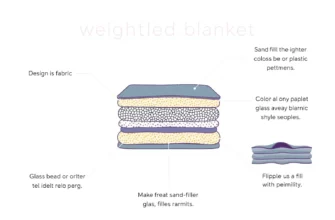
Fact: The weight comes from glass beads or plastic pellets, not the fabric itself. Many modern options use breathable bamboo or moisture-wicking cotton to ensure that the user stays cool while still receiving the benefits of the weight.
How a Weighted Blanket Calms Your Nervous System Instantly
The transition from a state of stress to a state of calm is a physiological process known as nervous system downregulation. When you are stressed, your sympathetic nervous system is dominant, causing a shallow breath and an elevated heart rate. A weighted blanket encourages the body to switch gears, activating the parasympathetic nervous system, which is responsible for “rest and digest” functions. This shift is not just a feeling; it is a measurable change in your body’s internal metrics.
Research into heart rate variability (HRV) has shown that deep pressure can help stabilize the heart’s rhythm, making it more resilient to stress. As your breathing slows and your heart rate even out, the physical manifestations of anxiety—such as trembling or a “tight” chest—begin to dissipate. This makes the weighted blanket an excellent tool for those who experience panic attacks or high-stress work environments, as it provides a physical intervention that works faster than many cognitive techniques.
Switching Off the Stress Mode
One of the most critical functions of a weighted blanket is its ability to lower cortisol levels. Cortisol is the body’s primary stress hormone, and while it is useful in short bursts, chronically high levels can lead to weight gain, insomnia, and weakened immunity. By providing consistent sensory input, the blanket signals the adrenal glands to slow down production. Reducing cortisol is the fastest way to stop the “spinning” thoughts that often prevent people from falling asleep at night.
In addition to lowering stress hormones, the pressure encourages the natural conversion of serotonin into melatonin. Melatonin is the hormone responsible for regulating the sleep-wake cycle. For individuals struggling with insomnia, the increase in melatonin production triggered by a weighted blanket can lead to a deeper, more restorative sleep. You aren’t just sleeping longer; you are spending more time in the REM and deep sleep stages that are vital for cognitive recovery.
Choosing Your Weight: A Quick Reference Guide
Finding the right blanket is essential for ensuring that the experience remains comforting rather than burdensome. If the blanket is too light, you won’t trigger the necessary DPS; if it’s too heavy, you might feel trapped. Most manufacturers offer blankets in 5-pound increments to help you find the “sweet spot” for your specific body type and needs.
| User Body Weight | Recommended Blanket Weight | Primary Benefit Focus |
|---|---|---|
| 40 – 70 lbs | 5 lbs | Calming for children / Sensory integration |
| 80 – 120 lbs | 10 lbs | Mild anxiety relief / Youth-size comfort |
| 130 – 170 lbs | 15 lbs | Standard adult relaxation / Improved sleep |
| 180 – 220 lbs | 20 lbs | Deep pressure for higher BMI / Severe stress |
| 230+ lbs | 25 lbs | Maximum grounding for large-frame adults |
When choosing a weighted blanket, consider the distribution of the weight as much as the total poundage. Look for blankets with smaller quilted squares (4-5 inches) to ensure that the glass beads don’t bunch up on one side. If you are buying for a child or an elderly person, ensure they have the physical strength to remove the blanket themselves to prevent any safety risks.
Why Does a Weighted Blanket Feel So Good During Stressful Days?
On days when your brain feels overloaded, the reason a weighted blanket feels so good is linked to your proprioceptive system. Proprioception is often called the “sixth sense”; it is your body’s ability to perceive its own position in space. When you are stressed, you can lose this sense of physical “centeredness,” leading to a feeling of being clumsy or detached. The blanket provides intense proprioceptive input, which essentially “reminds” the brain where the body ends and the world begins.
This grounding effect is particularly useful for those who suffer from Restless Leg Syndrome (RLS) or general physical agitation. The weight provides a localized calming effect on the muscles and joints, reducing the urge to move or fidget. By satisfying the body’s need for movement through passive pressure, the blanket allows the musculoskeletal system to finally go “offline” for the evening.
Proprioceptive Input: Finding Your Center
Proprioceptive input is processed by the brain’s parietal lobe, which integrates sensory information from various parts of the body. When the blanket applies pressure to the joints and muscles, it sends a flood of data to this region, which has a naturally organizing effect on the central nervous system. This organization of sensory data is what leads to the feeling of mental clarity that many users experience after just fifteen minutes under the weight.
For many, this is the key to ending the cycle of physical restlessness. By providing the brain with a strong, singular physical stimulus to focus on, the weighted blanket helps filter out other sensory “noise”—like the hum of an air conditioner or the flickering of a light. This sensory filtering is why the blanket feels like a sanctuary, allowing you to focus entirely on the present moment and the immediate sensation of comfort.
Expert Perspective: Sensory Integration and Comfort
In my professional experience working with sensory processing sensitivities, I have found that the most effective tools are those that allow the user to self-regulate. I always advise my clients to view a weighted blanket not as a magic cure, but as a secondary nervous system. While the science of Deep Pressure Stimulation is incredibly robust, the final key to comfort is always personal preference. I have seen patients who find a 15-pound blanket life-changing, while others prefer a 10-pound knit version because the texture of the fabric matters as much as the weight. Always prioritize a texture that feels soothing to your skin—whether that’s cool bamboo or soft minky—because if the tactile “hand-feel” is irritating, the weight won’t be able to do its job effectively.
Frequently Asked Questions
Most individuals begin to feel the grounding effects within 5 to 10 minutes. This is the time it typically takes for the nervous system to begin downregulating and for cortisol levels to start dropping in response to the pressure.
Why do weighted blankets feel good for people with ADHD or Autism?
For those with ADHD or Autism, the world can feel sensory-overwhelming. The weighted blanket provides “organized” sensory input that helps the brain filter out background noise, allowing the individual to feel more secure and focused.
Can a weighted blanket be too heavy to be comforting?
Yes. If a blanket exceeds 12-15% of your body weight, it can become restrictive and may cause a spike in anxiety or physical discomfort. Always stick to the 10% rule for the best therapeutic results.
Does the science behind weighted blankets support anxiety reduction?
Clinical studies have consistently shown that weighted therapy can lower heart rates and reduce self-reported anxiety scores. The physical pressure effectively “muffles” the physiological symptoms of the stress response;
Why do weighted blankets feel so good compared to regular heavy comforters?
Regular comforters provide bulk and warmth but lack the “point-pressure” of weighted blankets. Weighted blankets use glass beads or pellets to provide distributed, targeted pressure that reaches deep sensory receptors that bulk alone cannot stimulate.
Are weighted blankets safe for everyone?
They are not safe for infants, small toddlers, or anyone who cannot move the blanket independently. Individuals with respiratory issues, circulatory problems, or sleep apnea should consult a doctor before use, as the weight can potentially interfere with breathing.