- The Engineering Behind the Gravity Weighted Blanket
- How Deep Touch Pressure Mimics a Therapeutic Hug
- Side Sleepers and Weighted Blankets: Finding the Balance
- Weight Distribution Tips for Lateral Sleepers
- Gel Filled vs. Sand Pellets: Navigating Material Choices
- The Cooling Advantage of Gel-Infused Tech
- Gravity vs. The Competition: Quility‚ Bearaby‚ and Parachute
- Why Some Users Prefer the Knit Style of Bearaby or Parachute
- Specialized Designs: From Hooded Blankets to Grounded Sleep
- The Rise of Wearable Weighted Tech
- Maintenance and Longevity: The Importance of a Protective Cover
- How to Wash Your Gravity Blanket Without Damaging the Filling
- Frequently Asked Questions
The Engineering Behind the Gravity Weighted Blanket
The Gravity Weighted Blanket isn’t just a heavy piece of bedding; it is a meticulously engineered tool designed to influence your biology. By applying a specific amount of pressure to the body‚ these blankets leverage a clinical concept known as Deep Touch Pressure (DTP) to transition the body from a state of high-alert to one of calm. This foundational technology is what catapulted the brand from a Kickstarter sensation to a household name in sleep hygiene.
When you drape a therapeutic weighted blanket over your shoulders‚ you aren’t just feeling weight; you are receiving a calculated stimulus that mimics the sensation of being hugged or held. This physical input signals the brain to move out of the “fight or flight” sympathetic nervous system and into the “rest and digest” parasympathetic nervous system. The Gravity brand specifically focused on perfecting the weight-to-body-ratio‚ ensuring that the pressure is heavy enough to be effective but light enough to remain safe and comfortable for extended use.
How Deep Touch Pressure Mimics a Therapeutic Hug
The science of a gravity stress weighted blanket centers on the hormonal response triggered by consistent‚ distributed weight. When the skin’s pressure receptors are stimulated‚ the brain increases the production of serotonin‚ a neurotransmitter often called the “happy chemical” because it stabilizes mood and promotes feelings of well-being. As serotonin levels rise‚ the body naturally begins to produce melatonin‚ the essential hormone for regulating sleep-wake cycles and ensuring you enter a deep REM sleep cycle.
Simultaneously‚ the application of weight has been shown to result in significant cortisol reduction. Cortisol is the body’s primary stress hormone‚ and chronically high levels are a leading cause of insomnia and fragmented sleep. By suppressing cortisol through proprioceptive input—the awareness of one’s body in space—the blanket provides a grounding effect that is particularly beneficial for individuals dealing with sensory processing challenges or high-level anxiety.
Side Sleepers and Weighted Blankets: Finding the Balance
For those who prefer a lateral sleeping position‚ the introduction of a weighted blanket requires a more nuanced approach than for back sleepers. While back sleepers enjoy a perfectly even distribution across their entire surface area‚ side sleepers concentrate their weight on narrower points of contact‚ specifically the shoulders and hips. If the blanket is too heavy or the weight is poorly distributed‚ it can lead to joint discomfort or spinal misalignment over time.
To maximize the benefits of a weighted blanket for side sleepers‚ it is vital to choose a weight that accounts for this concentrated pressure. Many experts suggest that side sleepers should opt for a blanket on the lighter end of the 10% body-weight rule to prevent excessive sinking into the mattress. Selecting a blanket with smaller stitched pockets ensures the internal beads don’t slide to the sides‚ which would leave the sleeper with uneven pressure and a lack of support where they need it most.
- Assess your mattress firmness: A soft memory foam mattress combined with a heavy blanket can cause side sleepers to “hammock‚” leading to lower back pain.
- Prioritize smaller dimensions: Use a “throw” size rather than a “queen” size to keep the weight focused on your body rather than the empty space around you.
- Test the shoulder pressure: Ensure you can easily shift positions; if you feel pinned down or stuck‚ the blanket is too heavy for your frame.
- Consider a bodyrock weighted blanket: These are often designed with more flexible weight distributions that accommodate the curves of a side-lying body.
- Check for “bunching”: High-quality blankets like Gravity use precise quilting to stop the glass beads from pooling in the folds of the blanket.
Weight Distribution Tips for Lateral Sleepers
When a side sleeper uses a weighted blanket‚ the primary goal is to achieve sensory grounding without compromising the health of the spine. Because the surface area of a person lying on their side is smaller‚ the effective “pounds per square inch” increases. This is why many side sleepers find success by folding the blanket in half and only covering the legs‚ which provides the calming grounding effect without putting pressure on the sensitive rotatory cuff or hip joints.
For those using a blanket similar to a bodyrock weighted blanket‚ the focus should be on “targeted compression.” By aligning the blanket so the bulk of the weight sits between the waist and the knees‚ you can stimulate the large muscle groups of the legs. This technique provides the necessary proprioceptive input to quiet the nervous system while allowing the upper body to move freely‚ which is essential for maintaining natural breathing patterns during the night.
Gel Filled vs. Sand Pellets: Navigating Material Choices
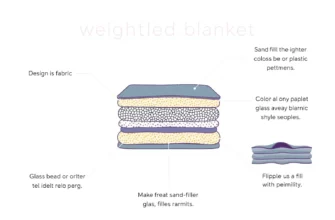
The internal filling of a weighted blanket dictates everything from its breathability to its “drape”—the way it contours to your body. Historically‚ many budget-friendly options utilized sand pellets weighted blanket fillers‚ which are inexpensive but come with significant drawbacks; Sand is prone to clumping‚ retains an immense amount of heat‚ and can sometimes leak through the stitching‚ creating a gritty mess. In contrast‚ modern high-end blankets like Gravity use micro-glass beads‚ while newer innovations have introduced gel-infused options.
A gel weighted blanket is specifically designed for “hot sleepers” who want the therapeutic benefits of weight without the insulation of traditional fillers. Gel-infused materials are engineered to move heat away from the body‚ whereas glass beads are neutral. When choosing between these materials‚ you must consider your personal thermoregulation. If you frequently wake up damp with sweat‚ a sand or standard plastic poly-pellet fill will likely be intolerable‚ making gel or glass beads the superior choice.
| Filling Type | Pros | Cons |
|---|---|---|
| Glass Micro-beads | High density (thinner blanket)‚ hypoallergenic‚ silent movement‚ excellent weight distribution. | Can feel “cold” initially‚ slightly more expensive than plastic. |
| Gel-Infused Fill | Active cooling properties‚ fluid-like contouring‚ great for hot climates. | Can feel “squishy” rather than firm‚ heavier overall profile. |
| Sand / Poly-pellets | Very affordable‚ widely available. | Retains heat‚ noisy when shifting‚ prone to leaking and uneven clumping. |
The Cooling Advantage of Gel-Infused Tech
The evolution of the gel weighted blanket has been a game-changer for the industry. By incorporating cooling gels‚ manufacturers have solved the “oven effect” often associated with heavy bedding. This technology works by utilizing phase-change materials that absorb body heat and dissipate it‚ keeping the sleeper within the optimal temperature window for deep sleep. This is particularly important because a drop in core body temperature is a biological trigger for the onset of sleep.
For those who enjoy a sheltered weighted blanket experience—the feeling of being completely enclosed and protected—the high-density nature of glass or gel is preferable over sand. These materials allow the blanket to be thinner while maintaining the same weight‚ which prevents the “bulky” feeling of cheap blankets. This streamlined profile creates a more sophisticated sensory experience‚ offering a firm‚ consistent pressure that feels like a professional therapeutic tool rather than a heavy comforter.
Gravity vs. The Competition: Quility‚ Bearaby‚ and Parachute
As the market for weighted blankets has matured‚ several distinct competitors have emerged‚ each carving out a specific niche. While Gravity remains the “gold standard” for the traditional quilted glass-bead design‚ brands like Bearaby and Parachute have taken a completely different architectural approach. Understanding these differences is key to determining whether you value technical performance‚ aesthetic appeal‚ or budget-friendly functionality.
A common comparison arises when looking at the quility weighted blanket vs gravity blanket. Quility has gained a massive following by offering a product that mimics the Gravity experience at a significantly lower price point. While the core functionality is similar‚ the difference often lies in the “finish.” Gravity blankets typically feature premium duvet covers made of velvet or cooling polyester‚ whereas budget options may use lower-thread-count cotton or less durable stitching. If you are looking for a long-term investment that won’t lose its shape after a year‚ the premium construction of the original Gravity blanket often justifies the extra cost.
Why Some Users Prefer the Knit Style of Bearaby or Parachute
The Bearaby Napper and the Parachute weighted blanket have revolutionized the industry by removing the “filler” entirely. Instead of using beads or gel‚ these blankets achieve their weight through thick‚ hand-knitted loops of organic cotton or “tree fabric.” This design is inherently more breathable than any quilted blanket because the open-knit structure allows for constant airflow. For users who find the “quilted” look too medicinal‚ these knitted options offer a high-fashion aesthetic that looks beautiful draped over a sofa.
However‚ there is a trade-off. A blanket similar to bearaby weighted blanket options provides a more “diffused” pressure compared to the “targeted” pressure of a bead-filled blanket; If you are using the blanket specifically for clinical anxiety or sensory processing disorders‚ the concentrated pressure of glass beads is often more effective at triggering the parasympathetic response. Conversely‚ if your goal is general relaxation and style‚ the knitted Parachute weighted blanket is a top-tier choice that integrates seamlessly into modern home decor.
Specialized Designs: From Hooded Blankets to Grounded Sleep
Beyond the standard rectangular blanket‚ the industry has branched into specialized designs that cater to very specific neurological and physiological needs. One of the most interesting developments is the hooded weighted blanket. This design isn’t just for comfort; it is built for sensory isolation. By adding weight to the head and neck area and providing a “hood” to block out peripheral light and sound‚ it creates a 360-degree cocoon that is incredibly effective for decompressing after a high-stress day.
We are also seeing the rise of the grounded weighted blanket‚ which combines DTP with “earthing” technology. These blankets contain conductive silver fibers designed to be plugged into a grounded wall outlet‚ theoretically neutralizing the body’s electrical charge and reducing exposure to EMFs (electromagnetic fields). While the science on grounding is still evolving‚ many users report a significant reduction in inflammation and a faster transition into sleep when using these specialized tools.
- The Hooded Design: Ideal for reading or meditation‚ providing a sense of “shelter” and environmental dampening.
- The Heated Weighted Blanket: Combines thermotherapy with weight to soothe chronic muscle pain and improve circulation.
- The Grounded Option: Best for those interested in biohacking and reducing physiological stress through earthing.
- The Travel Size: A smaller‚ more portable version meant for flights or long car rides to manage travel-induced anxiety.
The Rise of Wearable Weighted Tech
The transition from bedding to wearable technology marks a shift in how we view stress management. A hooded weighted blanket allows the user to carry their “safe space” with them from the bedroom to the living room. This is particularly helpful for individuals with ADHD or autism‚ where environmental stimuli can become overwhelming during the day. Being able to “wear” your therapeutic tool provides a constant source of regulation that a standard bed blanket cannot offer.
Furthermore‚ for those dealing with fibromyalgia or chronic pain‚ the heated weighted blanket has become a vital recovery tool. The heat helps to dilate blood vessels and increase oxygen flow to sore tissues‚ while the weight prevents the “restless” feeling often associated with chronic pain. When using these‚ always ensure the device has an automatic shut-off timer to prevent overheating during the night‚ as the combination of weight and heat can lead to a very deep sleep where you might not notice a temperature spike.
Maintenance and Longevity: The Importance of a Protective Cover
A common mistake new owners make is treating their weighted blanket like a standard comforter. Because these blankets can weigh upwards of 20 to 35 pounds‚ they can easily destroy the suspension system of a standard residential washing machine. The sheer force of a heavy‚ water-soaked blanket spinning at high speeds can cause structural damage to your appliance. This is why a protective cover for weighted blankets is not an optional accessory; it is a necessity for the longevity of the product.
Most Gravity blankets come with a removable duvet cover. This allows you to wash the outer layer frequently—removing sweat‚ oils‚ and pet dander—while keeping the weighted inner core pristine. If you must wash the inner weighted section‚ it is often recommended to do so at a commercial laundromat with heavy-duty front-loading machines‚ or to spot clean the area by hand. Never use a dryer on high heat for the inner core‚ as extreme temperatures can damage the glue or stitching that keeps the beads in place.
- DO: Use a duvet cover at all times to minimize the need to wash the weighted insert.
- DO: Spot clean small spills immediately with a mild detergent and a damp cloth.
- DON’T: Attempt to wash a 20lb+ blanket in a top-loading machine with an agitator; it will tear the fabric.
- DO: Air dry the inner core flat on a clean surface to prevent the beads from clumping or shifting.
- DON’T: Use fabric softeners on the cooling covers‚ as they can clog the fibers and reduce breathability.
How to Wash Your Gravity Blanket Without Damaging the Filling
When it comes time to clean your gravity blanket weighted blanket brand products‚ the “low and slow” method is best. If you are washing the cover‚ use cold water and a gentle cycle. For the inner weighted portion‚ if it doesn’t fit easily into your machine‚ don’t force it. The weight of the blanket doubles when wet‚ which can lead to the inner glass beads being forced through the seams if the blanket is agitated too violently.
To dry the blanket‚ the best practice is to lay it out across several chairs or a drying rack. This ensures airflow reaches both the top and bottom. If you use a dryer‚ select the “air fluff” or “no heat” setting. High heat can cause the glass beads to expand or the polyester fibers to melt‚ which permanently ruins the texture and weight distribution of the blanket. By following these strict maintenance protocols‚ a high-quality Gravity blanket can easily last five to ten years of nightly use.
In my professional experience working with clients on sleep hygiene‚ I have found that while weighted blankets are a breakthrough for 90% of users‚ they are not a “one-size-fits-all” solution. I always advise that the 10% body-weight rule set by the Gravity brand is a guideline‚ not a law. For individuals with respiratory issues‚ sleep apnea‚ or circulatory conditions‚ a heavy blanket can actually impede breathing or blood flow. Always consult a physician if you have underlying health conditions before adding significant external weight to your sleep environment. Furthermore‚ ensure that the user has the physical strength to remove the blanket independently to avoid any risk of entrapment.
Frequently Asked Questions
Yes‚ but side sleepers should be careful not to exceed the 10% weight rule‚ as the pressure is more concentrated on the hips and shoulders. A smaller “throw” size often works better to prevent spinal misalignment.
What is the difference between a gel weighted blanket and glass beads?
Gel blankets are specifically engineered for cooling and offer a more fluid‚ “squishy” pressure. Glass beads are higher density‚ allowing the blanket to be thinner and providing a more traditional‚ firm therapeutic feel.
Can I use a heated weighted blanket safely?
Yes‚ provided it has an automatic shut-off feature. The combination of heat and weight is excellent for muscle recovery‚ but it must be monitored to prevent overheating during deep sleep cycles.
How do I choose between a Quility blanket and a Gravity blanket?
Gravity is the premium choice with superior duvet covers and long-term durability. Quility is an excellent budget-friendly alternative that provides similar therapeutic benefits but may use slightly less refined materials.
Are there specific benefits to a hooded weighted blanket?
The hooded design provides “sensory dampening‚” which is highly beneficial for people with ADHD or autism who need to block out environmental light and sound to reach a state of calm.
Why is it called a grounded weighted blanket?
These blankets use conductive silver threading to “ground” the user to the earth’s electrical charge. While the primary benefit is the weight‚ many users find the earthing aspect helps reduce physiological inflammation.