- Understanding Modern Weighted Blanket Design and Its Therapeutic Benefits
- How Construction Impacts Deep Pressure Stimulation
- Filling the Void: Why Washable Glass Beads Define Premium Design
- The Shift Toward Hypoallergenic Glass Fillers
- Beyond the Bed: The Rise of the Weighted Cape and Sensory Sweatshirt
- Wearable Therapy: From Home to the Office
- Aesthetic Diversity: Customizing Your Sensory Experience
- Matching Decor with Premium Fabric Collections
- Essential Accessories: Protectors, Covers, and Maintenance
- Extending Life with Protective Layers
- Navigating Brands and Sourcing: From Costway to Local Artisans
- Where to Buy: Retailers vs. Specialized Sensory Brands
- Expert Perspective: Sensory Product Longevity
- Frequently Asked Questions
Understanding Modern Weighted Blanket Design and Its Therapeutic Benefits
The architecture of a premium weighted blanket is far more complex than simply adding mass to a standard duvet. Modern design focuses on the physiological intersection of weight and the human nervous system, utilizing engineered layers to facilitate a specific biological response. By treating the blanket as a therapeutic tool rather than mere bedding, manufacturers have moved toward high-precision construction that prioritizes durability and consistent pressure.
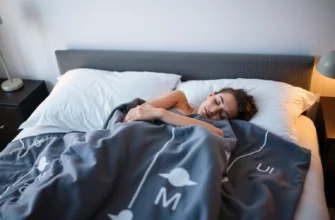
At the core of this innovation is Deep Pressure Stimulation (DPS), a tactile sensory input that mimics the sensation of a firm hug or swaddling. Design choices—ranging from the denier of the thread to the specific gravity of the internal fill—directly dictate how effectively the blanket triggers the release of serotonin and melatonin. When the design fails to distribute weight evenly, the therapeutic value drops significantly as the pressure becomes localized and potentially uncomfortable.
How Construction Impacts Deep Pressure Stimulation
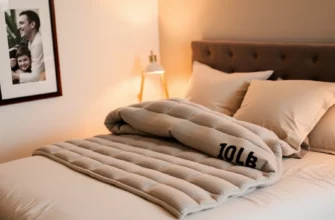
The effectiveness of sensory integration depends heavily on the internal geometry of the blanket. Traditional designs often featured large, loosely quilted sections that allowed the internal weights to shift and “pool” in corners, creating dead zones of pressure. Modern high-end blankets utilize smaller pocket square sizes, typically between 4×4 and 5×5 inches, to lock the filling in place and ensure the weight remains constant across every square centimeter of the body.
Comparing traditional quilting with modern seamless or precision-stitched designs reveals a massive gap in performance. Advanced manufacturing now uses double-stitched reinforced seams and high-density baffling to prevent bead leakage, which is the primary cause of weighted blanket failure. By maintaining a uniform thickness, the blanket provides a predictable sensory map for the brain, allowing the parasympathetic nervous system to take over and lower the heart rate during periods of high anxiety or sleep onset.
Filling the Void: Why Washable Glass Beads Define Premium Design
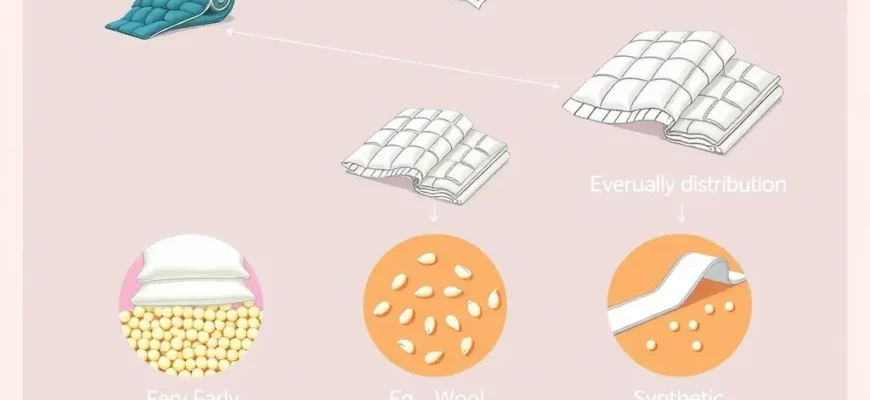
The internal components of a weighted blanket are its most critical feature, yet they remain invisible to the user. Historically, plastic poly-pellets were the industry standard, but they suffered from excessive bulk, poor thermal regulation, and a distracting “rustling” sound. The transition to glassware-grade micro-beads has revolutionized the industry, offering a much higher density which allows for thinner, more breathable blankets that don’t feel like a heavy beanbag.
High-quality glass beads are prized for their smooth surface and uniform size, which contributes to a “fluid-like” drape over the body. This fluidity is essential for ensuring that the blanket contours to the natural curves of the sleeper, maximizing the surface area of contact. Furthermore, glass is an inert material, meaning it does not harbor odors or allergens, making it the superior choice for those with respiratory sensitivities or chemical aversions.
| Feature | Micro-Glass Beads | Plastic Poly-Pellets |
|---|---|---|
| Profile & Bulk | Ultra-thin; blankets feel like standard duvets. | Bulky; often creates a “lumpy” appearance. |
| Thermal Conductivity | Stays cool; dissipates heat rapidly. | Insulates; can lead to overheating at night. |
| Noise Level | Virtually silent during movement. | Distinctive “crinkling” or rustling sound. |
| Machine Washability | High; withstands heat and agitation. | Moderate; can melt or warp in high-heat dryers. |
| Environmental Impact | Eco-friendly and recyclable. | Petroleum-based synthetic. |
The Shift Toward Hypoallergenic Glass Fillers
The move toward lead-free, medical-grade glass beads is driven by a growing demand for hypoallergenic sleep environments. Because these beads are non-porous, they do not absorb moisture or skin oils, which prevents the growth of bacteria within the internal pockets. This is particularly vital for those with eczema or psoriasis, where a clean, irritant-free surface is non-negotiable for a restful night.
To ensure your filling remains machine washable, you must look for heat-bonded glass beads that are encased in a secondary polyester lining. This “bag-within-a-pocket” design prevents the beads from working their way through the cotton fibers during the high-speed spin cycles of modern washing machines. Always verify that the bulk beads used are certified non-toxic and polished to prevent the sharp edges that can eventually saw through the fabric from the inside out.
Beyond the Bed: The Rise of the Weighted Cape and Sensory Sweatshirt
Sensory needs do not disappear when we leave the bedroom, leading to a surge in mobile weighted technology. The weighted blanket sweatshirt and the sensory cape represent a shift toward “stealth” therapy—garments that provide deep pressure without looking like medical equipment. These designs must balance the need for significant weight with the requirements of human ergonomics and range of motion.
Designing weighted apparel is significantly more difficult than designing a flat blanket. Engineers must account for shoulder load distribution to prevent neck strain while ensuring the weight stays centered over the torso. This often involves using specialized interior vests that hang the weight from the core rather than the extremities, allowing the user to work, travel, or socialize while receiving constant proprioceptive feedback.
| Product Type | Pros | Cons |
|---|---|---|
| Weighted Cape | Easy to put on/off; excellent for seated office work; breathable. | Can slip during high activity; weight is concentrated on shoulders. |
| Weighted Sweatshirt | Discrete “normal” look; weight is secured to the torso; great for travel. | Can be difficult to wash; may feel too hot in summer months. |
| Weighted Shoulder Wrap | Targeted relief for neck tension; highly portable and affordable. | Does not provide full-body calming; limited surface area. |
Wearable Therapy: From Home to the Office
For individuals with ADHD or sensory processing disorders, a weighted cape provides a grounding effect that can drastically improve focus during high-stress tasks; Modern designs utilize sleek, moisture-wicking fabrics and neutral color palettes to ensure the garment blends into a professional environment. The goal is to provide the user with a “portable safe space” that can be deployed instantly during a panic attack or a sensory overload event.
In the context of travel, the weighted sweatshirt has become a favorite for long-haul flights. The constant pressure helps to mitigate the “fight or flight” response triggered by crowded terminals and turbulent skies. Designers are now incorporating removable weight panels, allowing the user to strip the weight for airport security or to adjust the intensity based on their current stress levels, making sensory clothing a versatile tool for modern life.
Aesthetic Diversity: Customizing Your Sensory Experience
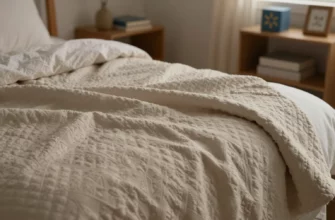
Weighted blankets have graduated from clinical white or hospital blue to becoming centerpiece items in interior design. The modern consumer demands that their therapeutic tools match their home’s aesthetic. This has led to the rise of custom design options, where the texture of the fabric is just as important as the weight itself. From the minimalist “Amazon checkers” pattern to sophisticated ivory cotton, the visual and tactile exterior is now a primary selling point.
Color psychology also plays a role in these design choices. Dark green and deep navy are frequently selected for their inherently calming properties, while ivory and cream tones provide a clean, Scandinavian look that fits well in modern “sanctuary” bedrooms. The use of 300-thread count long-staple cotton ensures that these blankets look like premium bedding while offering the durability needed to hold 15 to 25 pounds of glass beads.
Matching Decor with Premium Fabric Collections
The marketplace now features specialized collections that cater to niche tastes, such as horse-themed prints for children or sophisticated geometric patterns for adults. A custom design allows the user to choose not just the weight, but the thermal profile of the fabric. For example, a “hot sleeper” might opt for a bamboo-derived rayon in a dark green hue, combining cooling properties with a grounding aesthetic.
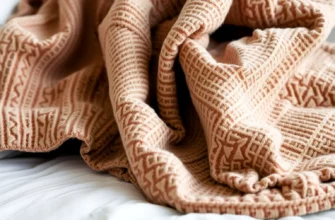
For those looking for a more personalized touch, boutique manufacturers offer a weighted blanket collection that includes various textures like minky, velvet, or linen. These fabrics are chosen not just for their looks, but for their tactile feedback. A raised “dot” minky fabric provides additional sensory input for the fingers, which can be highly soothing for individuals who engage in “stimming” or repetitive tactile behaviors to self-regulate.
Essential Accessories: Protectors, Covers, and Maintenance
Given the high cost and specialized construction of weighted blankets, maintenance is a major concern. A dedicated weighted blanket protector is not an optional accessory; it is a necessity for preserving the integrity of the inner beads. Because a 20lb blanket can be taxing on home washing machines, using a removable cover allows for frequent cleaning of the contact surface without subjecting the weighted insert to unnecessary wear and tear.
Dust mite protection is another critical factor, especially for those with allergies. Because the dense filling of a weighted blanket can be a magnet for allergens if left unprotected, a micro-porous dust mite cover acts as a barrier that keeps the internal environment sterile. This is especially important for children and those with compromised immune systems who use the blanket daily.
- Always use internal ties: Ensure your cover has at least 8-12 internal loops to prevent the heavy insert from bunching up.
- Select dual-sided fabrics: Look for covers with one side of cooling bamboo and one side of warm fleece for year-round versatility.
- Verify zipper strength: A weighted blanket puts immense pressure on closures; only use covers with reinforced YKK zippers.
- Wash the cover weekly: Keep the outer layer fresh to prevent oils from seeping into the glass bead pockets.
- Use a dedicated storage bag: When traveling, use a reinforced weighted blanket bag to prevent the weight from over-stressing the fabric handles.
Extending Life with Protective Layers
Regional availability, such as the weighted blanket cover UK market, has expanded to include “all-season” sets that include both a warming and a cooling cover. This modular approach to design means a single weighted insert can be used through a snowy winter and a humid summer. The weighted blanket protective cover also serves as a sacrificial layer; it is much cheaper to replace a worn-out cotton cover than it is to replace a precision-engineered glass bead insert.
For those who frequently travel, a specialized “travel bag” is an essential design feature. These bags are structurally reinforced with nylon webbing that wraps around the bottom of the bag, ensuring the heavy weight doesn’t rip through the seams. This allows users to maintain their sensory routine even when away from home, which is often when the need for deep pressure stimulation is at its highest.
Navigating Brands and Sourcing: From Costway to Local Artisans
The market for weighted blankets has bifurcated into mass-market retailers and boutique sensory brands. Brands like Costway offer accessible entry points for those new to weighted therapy, often focusing on standardized sizes and reliable glass bead fills. On the other end of the spectrum, specialized collections like the “Emilia Collection” or “Weighted Blankets by Jen” offer high levels of customization, including specific weight-to-body-size ratios and artisanal fabric selections.
When sourcing, it is important to distinguish between a “weighted blanket insert” and a “complete set.” In regions like the UK and Australia, it is common to buy the insert separately to save on shipping costs, later sourcing a cover from local retailers like Bunnings or Amazon; This “mix and match” approach allows for a higher degree of aesthetic control while ensuring the core technology of the blanket meets therapeutic standards.
Where to Buy: Retailers vs. Specialized Sensory Brands
Mass-market options are excellent for those on a budget, but they often lack the advanced baffling and triple-stitching found in boutique brands. If you are purchasing for a child, a “weighted blanket insert childrens” model is specifically designed with lower weight increments (usually 3lb to 7lb) and smaller dimensions to prevent the risk of entrapment. Specialized brands often provide more detailed safety guidelines and weight charts than general retailers.
International shipping can also impact design choices. A weighted blanket is, by definition, expensive to ship. This has led to the rise of regional hubs and local artisans who can provide custom-weighted solutions without the massive carbon footprint of trans-oceanic freight. Whether you are looking for a specific horse print or a professional-grade dark green cotton finish, understanding the sourcing landscape ensures you get a product that is both durable and effective.
Expert Perspective: Sensory Product Longevity
In my professional experience as a textile engineer, the single most common failure point in weighted blankets isn’t the filling—it’s the tensile strength of the thread used in the quilting. I always advise consumers to look for “box-stitch” patterns that are no larger than 10cm. Larger boxes allow the glass beads to gain momentum during movement, which eventually acts like sandpaper against the seams. Furthermore, never hang a weighted blanket to dry; the gravitational pull on the wet fibers can stretch the fabric permanently, leading to bead migration that ruins the even weight distribution. A high-quality protector isn’t just for hygiene; it provides a structural “exoskeleton” that absorbs the friction of your body moving against the blanket, effectively doubling the lifespan of the internal glass filling.
Frequently Asked Questions
Yes, glass beads are generally machine washable and heat-resistant, but you must ensure the outer fabric—like ivory cotton—is also rated for machine washing. Always use a cold, gentle cycle and low-heat drying to prevent the stitching from weakening over time.
What is the benefit of a weighted blanket cape versus a traditional blanket?
A cape offers unmatched mobility and discrete sensory support. It allows the user to experience deep pressure while standing, walking, or working at a desk, which is impossible with a standard rectangular blanket.
How do I choose the right size for a weighted blanket protector?
The protector must match the dimensions of the insert exactly. If the cover is even two inches too large, the heavy blanket will slide and bunch up inside, destroying the even weight distribution required for therapy.
Are there specific designs for children?
Yes, children’s inserts are smaller and lighter, usually weighing no more than 10% of the child’s body weight plus one pound. They often feature engaging designs like horse prints to encourage regular use and reduce “medical gear” stigma.
Why should I look for a dust mite cover for my weighted blanket?
Because weighted blankets are difficult to wash frequently due to their weight, a dust mite cover acts as a critical allergen barrier. It prevents skin cells and mites from accumulating in the internal glass bead pockets.
What does a dual-sided cover offer?
A dual-sided cover provides year-round thermal regulation. One side typically features cooling bamboo or “cool-touch” fabric for summer, while the other uses plush minky or fleece for winter warmth.