- The Best Way to Clean a Weighted Blanket with Glass Beads at Home
- Understanding Your Blanket’s Internal Fill
- No Machine? No Problem: How to Clean a Weighted Blanket by Hand
- The Bathtub Method for Heavy Blankets
- Smart Hacks for Refreshing Your Blanket Without Washing It
- Spot Cleaning and Sanitizing High-Touch Areas
- Deep Cleaning: When and How to Strip Your Blanket
- The Science of Laundry Stripping for Heavy Bedding
- Drying and Maintenance: Preserving the Glass Beads
- The Hazards of High-Heat Drying
- Expert Perspective: The Duvet Rule for Long-Term Care
- Frequently Asked Questions
The Best Way to Clean a Weighted Blanket with Glass Beads at Home
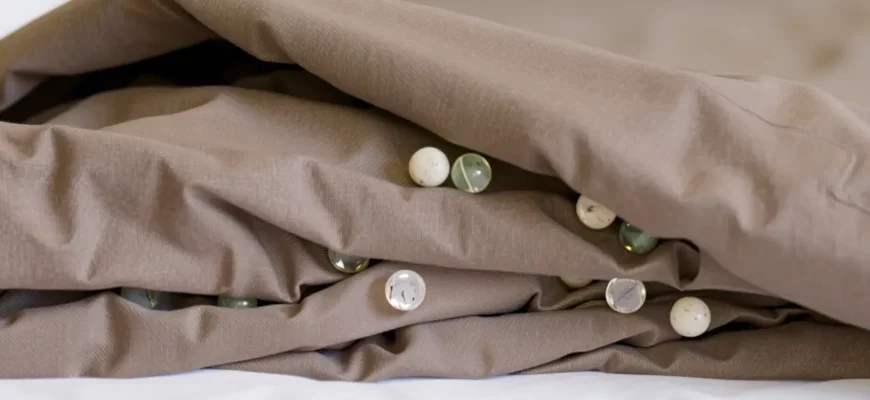
Cleaning a weighted blanket is not the same as tossing a standard comforter into the wash․ Because these items rely on significant mass to provide therapeutic pressure, the internal fill—specifically glass beads—dictates every step of the maintenance process․ Glass beads are the gold standard for weighted bedding because they are non-porous, hypoallergenic, and do not retain heat like plastic pellets or organic sand․
Maintaining the material integrity of your blanket requires a balance between hygiene and structural preservation․ While the beads themselves are incredibly durable, the fabric pockets (baffles) that hold them in place are under constant tension․ To ensure your investment lasts for years, you must adopt a cleaning strategy that prioritizes gentle agitation and controlled temperatures․
Understanding Your Blanket’s Internal Fill
Most high-quality weighted blankets utilize micro-glass beads, which are roughly the size of grains of salt․ Unlike sand, which can clump when wet and trap moisture deep within the fibers, glass beads allow for better airflow and faster drying․ This characteristic is vital when learning how to clean a weighted blanket with beads, as trapped moisture is the primary cause of mildew in heavy bedding․
The way these beads are distributed is equally important․ Manufacturers use a “baffled box” construction to ensure the weight remains even across your body․ If you use high-heat or aggressive mechanical force, you risk weakening the internal stitching․ Once a seam pops, the beads will migrate to one corner, effectively ruining the blanket’s functionality and making it nearly impossible to repair without professional help․
No Machine? No Problem: How to Clean a Weighted Blanket by Hand
Many homeowners assume a washing machine is the only way to achieve a deep clean, but for a 20lb or 30lb blanket, the bathtub is your best friend․ Most residential washing machines are not designed to handle the centrifugal force generated by a heavy, water-logged weighted blanket․ Hand washing allows you to target soiled areas while ensuring the internal glass beads are not subjected to the violent spinning of a drum․
- Prepare the Basin: Fill a clean bathtub with lukewarm water, ensuring there is enough depth to fully submerge the blanket․
- Add Cleaners: Stir in a small amount of mild detergent․ Avoid bleach or harsh chemicals that can break down the fabric’s moisture-wicking properties․
- Submerge and Knead: Place the blanket in the water and use your hands to knead the fabric․ Focus on the edges and the center where body oils accumulate․
- Dwell Time: Let the blanket soak for 15 to 20 minutes to allow the surfactants to lift deep-seated dirt from the microfiber or cotton shell․
- Rinse Thoroughly: Drain the soapy water and refill the tub with fresh, cold water․ Compress the blanket repeatedly until no more soap bubbles emerge․
- Water Extraction: Instead of wringing the fabric, which can tear the seams, press down on the blanket to squeeze out excess water․
The Bathtub Method for Heavy Blankets
When you clean a 20 pound weighted blanket by hand, the physical weight can increase to nearly 60 pounds once the fabric and fill are saturated․ This makes the bathtub method a physical workout but a necessary one for the longevity of the item․ It is the safest way to clean a weighted blanket without a washing machine because it eliminates the risk of a “seam blowout” caused by high-RPM spin cycles․
The rinsing process is the most critical stage of hand washing․ Residual soap left within the glass bead pockets can attract more dirt over time and may cause skin irritation during sleep․ I recommend performing at least two full rinse cycles․ If you find the blanket is too heavy to lift while wet, drain the tub first and let gravity do the initial work before attempting to move it to a drying area․
Smart Hacks for Refreshing Your Blanket Without Washing It
You do not always need a full immersion wash to keep your bedding fresh․ In fact, washing a weighted blanket too frequently can accelerate wear on the outer shell․ By employing a few maintenance hacks, you can extend the time between deep cleans and keep the internal glass beads in pristine condition without the hassle of a wet 20lb load․
- Spot Treat Stains: Use an enzyme-based cleaner for organic stains like sweat or coffee to break down molecules without soaking the entire blanket․
- UV Sanitization: On a sunny day, hang your blanket over a sturdy railing․ The sun’s UV rays act as a natural disinfectant to kill bacteria and neutralize odors․
- Baking Soda Refresh: Lightly sprinkle baking soda over the surface, let it sit for 30 minutes, and vacuum it off using a handheld attachment․
- Steam Cleaning: Use a handheld garment steamer to kill dust mites and bacteria on the surface of the microfiber shell․
- Duvet Protection: Always use a removable cover to act as a barrier against skin oils, hair, and dust․
Spot Cleaning and Sanitizing High-Touch Areas
If you are wondering how do you clean a weighted blanket without washing it, the answer lies in localized treatment․ High-touch areas, such as the top edge where the blanket meets your face, accumulate the most oils․ Using a mixture of water and a drop of dish soap on a microfiber cloth can remove these oils effectively․ Always blot the area rather than rubbing to prevent the fabric from pilling․
To sanitize a weighted blanket effectively, consider using a fabric-safe disinfectant spray․ Look for products specifically labeled as non-toxic and residue-free․ If you prefer a more natural approach, a 50/50 mix of distilled water and white vinegar can be misted over the blanket․ The vinegar smell dissipates quickly, taking unpleasant odors with it, while the acidic nature of the vinegar helps kill surface-level microbes․
Deep Cleaning: When and How to Strip Your Blanket
Over several years, even the best-maintained blankets can become heavy with “invisible” buildup․ This consists of body oils, dead skin cells, and detergent residue that standard washing cannot reach․ This is when laundry stripping becomes a viable option․ It is an aggressive deep-cleaning method that should only be performed once or twice in the lifetime of the product to protect the integrity of the glass beads and fabric․
The Science of Laundry Stripping for Heavy Bedding
Laundry stripping involves a hot-water soak with a specific chemical cocktail: Borax, washing soda (sodium carbonate), and a potent laundry detergent․ For a weighted blanket, use a ratio of 1 part Borax, 1 part washing soda, and 2 parts liquid detergent․ The high alkalinity of this mixture breaks the molecular bonds of oils and minerals trapped in the fibers․
To strip a weighted blanket, fill your tub with the hottest water the fabric can handle (check the care label)․ Stir in the cleaning agents until dissolved, then submerge the blanket․ You will likely see the water turn a murky grey or brown within the first hour․ Limit the soak time to no more than 4 hours; leaving it longer can begin to degrade the polyester threads used in the internal baffles․ After stripping, you must rinse the blanket multiple times to ensure all chemicals are removed․
Drying and Maintenance: Preserving the Glass Beads
The drying phase is where most weighted blankets are damaged․ While glass beads are heat-resistant, the surrounding materials—such as the poly-fill padding and the stitching—are highly susceptible to thermal damage․ High heat can cause the fabric to shrink or the internal batting to melt, leading to clumping and uneven weight distribution․
| Action | Do | Don’t |
|---|---|---|
| Drying Method | Air dry flat across multiple chairs or a clean floor․ | Hang from a clothesline, as the weight will stretch the fabric․ |
| Heat Usage | Use a “no heat” or “air fluff” setting if using a dryer․ | Use high-heat settings that can melt internal fibers․ |
| Moisture Removal | Roll the blanket inside large towels to absorb water․ | Wring or twist the blanket to force water out․ |
| Weight Balance | Shake the blanket gently every hour to redistribute beads․ | Leave the blanket in a heap while drying․ |
The Hazards of High-Heat Drying
Commercial dryers are often the only machines large enough to hold a weighted blanket, but they often run much hotter than residential units․ If you must use a dryer, only use the “Air Dry” setting․ Even medium heat can weaken the structural integrity of the baffled boxes, causing the glass beads to leak out into the drum․
For the safest results, I recommend the towel roll method․ Lay the wet blanket flat on a clean surface, place several dry bath towels on top, and roll it up like a sleeping bag․ Stand on the roll to use your body weight to press moisture into the towels․ Repeat this with fresh towels until the blanket is merely damp, then finish by laying it flat in a well-ventilated room․ This significantly reduces drying time and prevents the “sour” smell that occurs when heavy fabrics stay wet for too long․
Expert Perspective: The Duvet Rule for Long-Term Care
In my professional experience, the single biggest mistake owners make is treating the inner weighted core like a standard piece of laundry․ I always advise my clients to view the weighted core as a piece of equipment rather than a blanket․ While the glass beads can technically handle a wash, the constant mechanical agitation of a 20lb item eventually wears down the fine stitching․ The most effective way to maintain your blanket is to never let the inner core get dirty in the first place․ By using a high-quality, breathable duvet cover, you can wash the cover weekly and only need to deep-clean the weighted portion once or twice a year․ This “Duvet Rule” preserves the weight distribution and ensures the fabric remains soft and supportive for its entire lifespan․
Frequently Asked Questions
Most residential top-load washers with an agitator will be damaged by a 20lb blanket․ Only use a front-loading, industrial-sized machine if the manufacturer specifically states it can handle heavy bedding; otherwise, hand washing is safer․
How do you clean a weighted blanket that can’t be washed?
Focus on aggressive spot cleaning with enzyme cleaners and use UV sunlight to kill bacteria․ A handheld steamer can also sanitize the surface without fully saturating the internal glass beads․
Are glass beads better than sand for washing?
Yes, glass beads are superior because they are non-porous and do not absorb water․ This allows the blanket to dry significantly faster and prevents the clumping or organic growth often associated with sand-filled blankets․
How often should you wash a weighted blanket?
If you use a duvet cover, you only need to wash the weighted core 3-4 times a year․ If you use the blanket without a cover, monthly washing is recommended to prevent the buildup of skin oils and allergens․
Can I use fabric softener on my weighted blanket?
I strongly advise against using fabric softener․ It leaves a waxy coating on the fibers that reduces breathability and can eventually trap odors inside the glass bead pockets, making the blanket feel greasy over time․