- Why Selecting the Right Material for a Weighted Blanket Is Essential for Sleep
- The Role of Fabric in Temperature Regulation
- Bamboo vs Cotton Weighted Blanket: The Battle of Natural Fibers
- Why Cotton Remains the Gold Standard for Durability
- The Cooling Edge: Bamboo Viscose vs Cotton
- The Comfort Factor: Minky, Polyester, and Synthetic Options
- When to Choose Minky Over Cotton
- Modern Construction: Crocheted Weighted Blanket vs Fabric Shells
- Airflow Benefits of Open-Knit Designs
- Technical Requirements: Poly-fil and Internal Insert Fabrics
- Preventing Bead Leakage with High-Density Weaves
- Sustainability and Safety: The Importance of GOT Certified Cotton
- Why Organic Matters for Sleep Environments
- Quick Reference: Summary of Best Materials by Sleeper Type
- Frequently Asked Questions
Why Selecting the Right Material for a Weighted Blanket Is Essential for Sleep
The effectiveness of deep pressure stimulation depends heavily on the tactile interface between the user and the weight․ While the internal beads provide the pressure, the textile shell determines whether that pressure feels like a soothing hug or a suffocating layer of heat․ Choosing the wrong fabric often results in a “furnace effect,” where the insulating properties of the blanket trap body heat, leading to disrupted sleep cycles and night sweats․
Selecting a high-quality textile isn’t just about aesthetics; it is a functional decision that impacts the longevity of the blanket and its therapeutic value․ A material that lacks structural integrity may stretch over time, causing the internal weights to shift and pool in the corners, which negates the even distribution required for sensory relief․
The Role of Fabric in Temperature Regulation
Temperature regulation is the most common hurdle for weighted blanket users, as the added density naturally creates more insulation․ Breathable weighted blanket materials, such as open-weave cotton or moisture-wicking bamboo, allow for better airflow between the skin and the environment․ This airflow is vital because it helps dissipate the heat generated by the body’s metabolic processes during the initial stages of sleep․
When fabric interacts with filling types, such as glass beads or plastic poly-pellets, the thermal mass changes․ Glass beads are typically better at preventing night sweats because they do not retain heat as aggressively as plastic․ However, if these beads are encased in a non-breathable synthetic shell, the cooling properties of the glass are rendered irrelevant by the heat-trapping nature of the fabric․
Bamboo vs Cotton Weighted Blanket: The Battle of Natural Fibers
The choice between bamboo and cotton often dictates the entire user experience, particularly for those with sensitive skin or specific thermal preferences․ Both are natural fibers, but they behave differently under the stress of heavy internal fillers and varying room temperatures․
| Feature | Cotton Weighted Blanket | Bamboo Viscose Weighted Blanket |
|---|---|---|
| Durability | High; resists pilling and maintains shape over years of use․ | Moderate; requires gentle washing to prevent fiber breakdown․ |
| Cooling Ability | Good; naturally breathable but can hold some heat․ | Exceptional; high thermal conductivity feels cool to the touch․ |
| Moisture Wicking | Absorbs moisture but stays damp longer․ | Wicks moisture away rapidly, keeping the sleeper dry․ |
| Texture | Crisp and structured; softens with every wash․ | Silky, smooth, and highly drapeable․ |
Why Cotton Remains the Gold Standard for Durability
An all cotton weighted blanket is the industry benchmark for a reason: it offers unmatched structural stability․ Because weighted blankets are subject to significant gravitational pull, the fabric must be strong enough to hold thousands of glass beads without sagging or tearing․ Cotton’s natural tensile strength ensures that the quilted pockets remain intact, keeping the weight perfectly distributed across the body․
Furthermore, the cotton material shell is incredibly easy to maintain․ Unlike many specialty synthetics, high-quality cotton can withstand frequent laundering in a standard machine (provided the machine can handle the weight)․ For long-term use, choose a 200 to 400 thread count cotton to ensure the weave is tight enough to contain beads while remaining porous enough for air exchange․
The Cooling Edge: Bamboo Viscose vs Cotton
When comparing a bamboo viscose vs cotton weighted blanket, the primary differentiator is thermal conductivity․ Bamboo fibers are naturally more porous, which allows them to move heat away from the body at a faster rate than cotton․ This makes a cooling weighted blanket material like bamboo the superior choice for “hot sleepers” or those living in humid climates where moisture management is a priority․
Bamboo viscose also has a unique “slick” texture that reduces friction against the skin․ This is particularly beneficial for individuals with sensory sensitivities who find the slight texture of cotton irritating․ However, always air-dry bamboo covers to preserve the integrity of the fibers, as high heat in a dryer can cause the material to lose its signature silk-like feel․
The Comfort Factor: Minky, Polyester, and Synthetic Options
Synthetic fabrics like minky and standard polyester dominate the budget-friendly and sensory-focused markets․ Minky is a type of plush polyester that mimics the feel of mink fur, providing a high level of tactile input that many find comforting․ While these materials are excellent for warmth, they present challenges for those who struggle with overheating during the night․
The trade-off with synthetic materials is almost always breathability․ Polyester fibers are essentially plastic, meaning they do not allow for the same level of vapor transport as natural fibers․ This creates a cozy, warm environment that is perfect for winter but may be overwhelming during the summer months or for those with high basal body temperatures․
When to Choose Minky Over Cotton
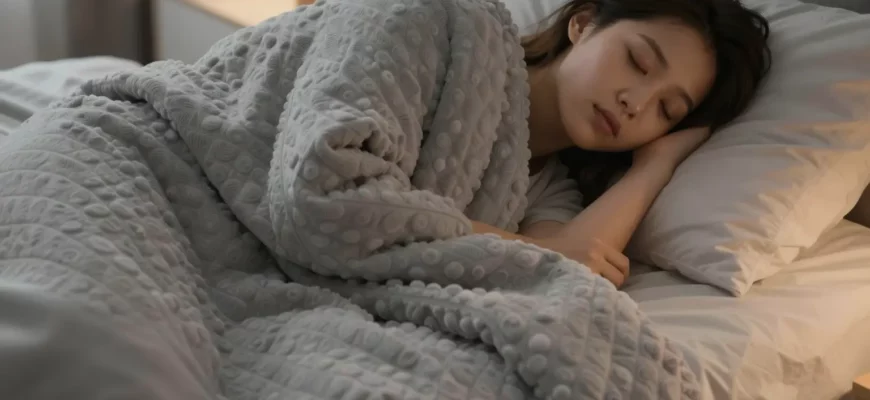
Deciding between cotton or polyester minky fabric usually comes down to the specific needs of the user․ For children or adults with sensory processing disorder, the raised “dots” or plush texture of minky provides a secondary layer of sensory input․ This tactile stimulation can be just as grounding as the weight itself, making it a powerful tool for anxiety reduction․
If you live in a cold climate, a sensory weighted blanket material like minky is an excellent choice for heat retention․ It traps a layer of warm air close to the body, acting as both a therapeutic tool and a heavy-duty duvet․ For year-round use, consider a weighted blanket with a removable minky cover, allowing you to switch to a cooler cotton shell when the seasons change․
Modern Construction: Crocheted Weighted Blanket vs Fabric Shells
A new era of weighted bedding has emerged that moves away from the traditional “quilted pocket” design․ Crocheted or chunky-knit blankets rely on the weight of the fabric itself—usually a heavy cotton or jersey tube filled with polyester batting—to provide pressure, rather than using glass or plastic beads․
| Feature | Crocheted (Knit) Blanket | Traditional Fabric Shell |
|---|---|---|
| Airflow | Maximum; large gaps between loops allow for total ventilation․ | Variable; dependent on the breathability of the shell and fill․ |
| Weight Distribution | Uniform but can stretch over time․ | Precise; beads are locked into individual quilted squares․ |
| Noise | Silent; no beads to shift or clink․ | Can be noisy if using plastic pellets or low-quality glass․ |
Airflow Benefits of Open-Knit Designs
The main advantage of a crocheted weighted blanket vs fabric weighted blanket is the elimination of the “greenhouse effect․” Because there is no solid fabric barrier and no internal beads, air can circulate freely through the loops of the knit․ This makes it the most lightweight material for weighted blanket feel, even if the actual poundage is high․
These blankets are often more aesthetically pleasing and look like high-end home decor rather than a medical device․ However, they are generally more difficult to wash and dry due to their bulk and the time it takes for the thick yarn cores to fully release moisture․ If you prioritize airflow above all else, the open-loop design is the undisputed winner․
Technical Requirements: Poly-fil and Internal Insert Fabrics
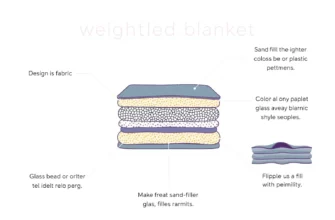
The internal construction of a weighted blanket is just as critical as the outer cover․ Most high-end blankets use a “sandwich” construction: an outer shell, a layer of polyester padding (poly-fil), the weighted beads, and another layer of padding․ This internal architecture is designed to muffle the sound of the beads and provide a soft, cushioned feel․
If the internal poly fil weighted blanket insert fabric requirements are not met, the blanket will feel “gritty․” The poly-fil acts as a buffer, preventing the glass beads from bunching together and making noise every time you move․ Manufacturers must balance the amount of fill used; too much will trap heat, while too little will result in a blanket that feels like a bag of sand․
Preventing Bead Leakage with High-Density Weaves
The most common failure point in a weighted blanket is bead leakage․ To prevent this, the inner fabric must have a high thread count and reinforced stitching․ Cotton weighted blanket manufacturer specs typically call for double-stitched seams and a high-density “down-proof” inner lining․ This lining is specifically engineered to prevent tiny micro-glass beads from migrating through the weave․
When inspecting a blanket, check the size of the quilted pockets․ Smaller pockets (around 4×4 inches) are superior because they limit the movement of the beads, reducing the physical stress on the fabric seams․ A high-density weave combined with small pocket geometry is the best defense against a blanket losing its weight over time․
Sustainability and Safety: The Importance of GOT Certified Cotton
As we spend a third of our lives in bed, the chemical profile of our bedding is a legitimate health concern․ The Global Organic Textile Standard (GOTS) is the world’s leading processing standard for textiles made from organic fibers․ A got certified cotton weighted blanket ensures that from harvesting to labeling, the product is environmentally and socially responsible․
- Pesticide-Free: Organic cotton is grown without synthetic pesticides or fertilizers, reducing skin irritation․
- Non-Toxic Dyes: GOTS prohibits the use of heavy metals and formaldehyde in the dyeing process․
- Ethical Labor: The certification ensures fair wages and safe working conditions for textile workers․
- Water Conservation: Organic farming practices significantly reduce water consumption compared to conventional cotton․
Why Organic Matters for Sleep Environments
Choosing an organic weighted blanket fabric is particularly important for those with allergies or chemical sensitivities․ Traditional cotton production is one of the most chemically intensive processes in the world; these chemicals can off-gas over time, potentially irritating the respiratory system․ Look for the GOTS seal on the care tag to verify that your blanket is truly free from harmful residues․
Furthermore, organic fibers tend to be more durable because they haven’t been weakened by harsh chemical scouring and bleaching․ This means your investment in an organic blanket is likely to last longer, providing better value over its lifespan while supporting a more sustainable textile industry․
Quick Reference: Summary of Best Materials by Sleeper Type
Finding the right material is a highly individual process․ To simplify your decision, use the following guide to match your personal sleep profile with the appropriate textile․
- Hot Sleepers & Night Sweaters: Choose Bamboo Viscose or a Crocheted (Knit) design for maximum heat dissipation․
- Year-Round Users: A 100% Cotton shell with glass bead filling offers the best balance of breathability and durability․
- Sensory Seekers & Anxiety Relief: Minky fabric provides the highest level of tactile stimulation and “cuddly” comfort․
- Eco-Conscious Shoppers: Look for GOTS-certified organic cotton to ensure a non-toxic and ethical sleep environment․
- Budget-Minded Buyers: Standard Polyester or Cotton-Poly blends offer durability at a lower price point, though they may run warmer․
- Cold Climates: Thick Minky or faux-fur covers provide the necessary insulation to stay warm during winter months․
In my professional experience, the choice between bamboo and cotton often comes down to individual thermoregulation․ While cotton is excellent for year-round use due to its structural integrity, bamboo viscose is objectively superior for individuals with hyperhidrosis or high basal body temperatures․ I always advise that if you choose a synthetic poly-fill insert for its cushioning properties, you must ensure the outer shell is a natural fiber like cotton or bamboo․ This creates a breathable microclimate that prevents the synthetic core from trapping too much moisture against your skin․
Frequently Asked Questions
Bamboo is generally better for cooling because it has higher moisture-wicking capabilities and a lower thermal mass than cotton, making it feel cooler to the touch throughout the night․
Can I wash a minky weighted blanket in a standard machine?
Yes, but minky is a synthetic polyester that can lose its softness if exposed to high heat․ To maintain the texture, always use cold water and tumble dry on low or air dry․
What is a GOT certified cotton weighted blanket?
It is a blanket made from cotton that meets the Global Organic Textile Standard, ensuring it is grown without toxic pesticides and processed under strict social and environmental criteria․
Why do some weighted blankets use poly-fil inside?
Poly-fil is used alongside glass beads to provide cushioning and prevent the beads from shifting or making noise, creating a softer, more traditional blanket feel rather than a “bean bag” sensation․
Are crocheted weighted blankets cooler than fabric ones?
Typically, yes․ Because they use a thick yarn-based weight rather than a fabric shell filled with beads, the open-loop design allows for significantly more airflow, preventing heat buildup․
What should I look for in a weighted blanket manufacturer?
Look for manufacturers that use high-quality, high-thread-count cotton or bamboo shells and double-stitched seams to ensure durability and prevent the internal weighted filling from leaking over time․