- The Golden Rule: How to Calculate Weight for Weighted Blanket Success
- Determining Weight for Adults vs. Children
- Quick Reference: Calculating the Weighted Blanket Poundage Needed
- The DIY Math: How to Figure Weight for Weighted Blanket Stuffing and Beads
- How Many Beads are Needed for a Weighted Blanket?
- Comparing Fillers: Material Density and Distribution
- Sizing and Dimensions: Calculating Weighted Blanket Size and Fabric Needs
- How Many Yards of Fabric for a Weighted Blanket Project?
- Common Mistakes: Why Your Calculation Might Feel Off
- Safety Protocols: When to Deviate from the Formula
- How Do You Calculate Weight for Gravity Blankets in Special Cases?
- Expert Perspective: Sensory Pressure and Proprioceptive Input
- Frequently Asked Questions
The Golden Rule: How to Calculate Weight for Weighted Blanket Success
Finding the right amount of pressure is the difference between a restless night and a restorative sleep cycle. The science behind these tools relies on deep pressure stimulation, a therapeutic technique that mimics the sensation of being held or hugged to calm the nervous system. To achieve this without causing discomfort, the industry standard relies on a specific mathematical ratio relative to the user’s mass.
The core formula for success is calculating 10% of your total body weight and then adding one or two pounds for extra resistance. This specific poundage ensures the blanket provides enough downward force to trigger serotonin release while remaining light enough for the user to shift positions easily during the night. If the blanket is too light, the sensory input remains unnoticed; if it is too heavy, it can lead to physical fatigue or restricted circulation.
When you determine the weight of a weighted blanket, you are essentially fine-tuning the input your brain receives through the skin and muscles. This input helps ground the body, reducing the “fight or flight” response often associated with anxiety or sensory processing disorders. By sticking to the 10% rule, you ensure that the pressure is therapeutic rather than restrictive, maintaining a healthy balance for long-term sleep hygiene.
Determining Weight for Adults vs. Children
Adults generally have a wider range of tolerance when calculating the percentage of weight for a weighted blanket. For most grown users, a blanket weighing between 12 and 25 pounds fits the standard criteria. However, personal preference plays a significant role for adults, as some may prefer the lower end of the spectrum for breathability, while others need the maximum recommended weight to feel the calming effect on their nervous system.
Children require much stricter adherence to safety protocols due to their developing respiratory systems and smaller frames. For a child, the calculation should be 10% of their body weight plus exactly one or two pounds, and they must be physically capable of removing the blanket themselves. It is vital to remember that these blankets are never recommended for infants or toddlers under the age of two, as the weight poses a significant suffocation risk.
More weight does not equate to more relaxation. In sensory therapy, “more” can actually lead to sensory overload or physical bruising if the pressure is concentrated on bony prominences like the hips or knees. For both demographics, the goal is even distribution across the entire surface area of the body, ensuring no single point bears the brunt of the poundage.
Quick Reference: Calculating the Weighted Blanket Poundage Needed
To simplify your search or DIY project, use the following data to map out the necessary weight based on the user’s size. These figures represent the ideal therapeutic window for most individuals.
| User Body Weight (lbs) | Recommended Blanket Weight (lbs) | Typical User Category |
|---|---|---|
| 40 ⎼ 50 lbs | 5 lbs | Small Child |
| 60 ⎼ 80 lbs | 7 ‒ 8 lbs | Child / Pre-teen |
| 90 ⎼ 110 lbs | 10 ‒ 12 lbs | Teenager / Small Adult |
| 120 ‒ 140 lbs | 12 ‒ 15 lbs | Average Adult |
| 150 ‒ 180 lbs | 15 ⎼ 20 lbs | Average Adult |
| 190 ⎼ 220 lbs | 20 ⎼ 25 lbs | Large Adult |
| 230 ⎼ 250+ lbs | 25 ⎼ 30 lbs | Large Adult / Plus Size |
The DIY Math: How to Figure Weight for Weighted Blanket Stuffing and Beads
Creating your own sensory tool allows for complete customization, but it requires precise technical planning to avoid a lumpy, ineffective finished product. When you are building from scratch, you must consider the ratio of weight to surface area. A 15-pound blanket spread over a King-size surface will feel significantly lighter than the same weight concentrated on a Twin-size surface.
The math for making a blanket involves subtracting the weight of your fabric from your target total. If you want a 15-pound blanket and your heavy-duty cotton fabric weighs 2 pounds, you only need to add 13 pounds of filler. This distinction is often missed by beginners, resulting in blankets that are heavier than intended and difficult to manage in a standard washing machine.
How Many Beads are Needed for a Weighted Blanket?
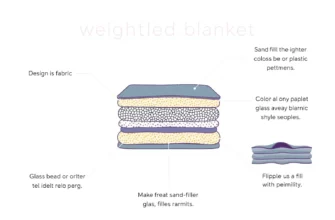
To calculate stuffing for a weighted blanket, you must first decide on your filler material. Glass beads are much denser than plastic poly-pellets, meaning you will need a smaller volume of glass to reach the same weight. For example, one cup of micro-glass beads typically weighs about 14 ounces, whereas one cup of plastic pellets may only weigh 5 to 6 ounces. This volume difference affects how “bulky” the blanket feels and how it contours to the body.
The most effective way to manage the weight is through a grid system, sewing the fabric into small square pockets. To find the weight per pocket, divide the total filler weight by the number of pockets. If you have 10 pounds of beads (160 ounces) and 100 pockets, you must place exactly 1.6 ounces of beads in each square. Using a digital kitchen scale is the only way to ensure uniform pressure across the entire blanket.
Don’t forget the physical dimensions of the beads themselves. Smaller glass beads provide a smooth, sand-like texture that is quieter and shifts less within the pockets. When you figure the weight on a weighted blanket, account for the shifting of the filler; if the pockets are too large, the beads will pool in the corners, leaving the center of the blanket empty and ineffective for deep pressure stimulation.
Comparing Fillers: Material Density and Distribution
The material you choose impacts not only the weight but also the thermal regulation and sound profile of the blanket. Use this comparison to determine which filler suits your specific needs.
| Filler Type | Density Level | Noise Level | Heat Retention |
|---|---|---|---|
| Micro-Glass Beads | Very High | Silent | Low (Stays Cool) |
| Plastic Poly-Pellets | Medium | Moderate (Rustling) | High (Insulating) |
| Steel Shots | Extremely High | Low | Moderate |
| Organic Grains (Rice/Beans) | Low | Quiet | High (Can Mold) |
Sizing and Dimensions: Calculating Weighted Blanket Size and Fabric Needs
One of the most common errors is sizing a weighted blanket to match the bed dimensions rather than the user’s body. If a blanket is too large, gravity will pull the overhanging edges toward the floor. Because the blanket is weighted, this downward pull creates a “sliding” effect that can actually pull the blanket off the user during the night or cause localized strain on the limbs.
Ideally, a weighted blanket should cover the person from the chin down to the feet, with just a few inches of clearance on either side. It should not hang over the edges of the mattress like a traditional comforter. This “Overhang Rule” ensures the entirety of the weight stays concentrated on the body, maximizing the therapeutic benefits of the distributed pressure.
How Many Yards of Fabric for a Weighted Blanket Project?
When calculating weighted blanket size for a DIY project, standard dimensions usually follow these guidelines: Twin (48″ x 72″), Full (54″ x 75″), and Queen (60″ x 80″). For a standard Twin-sized project, you will typically need 4 to 5 yards of high-density fabric (2.5 yards for the top and 2.5 for the bottom). Choosing a fabric with a tight weave, like cotton duck or canvas, is essential to prevent beads from leaking through the seams over time.
The number of weight pockets also dictates your fabric needs. If you plan for 4-inch squares, you will need more seam allowance than if you plan for 6-inch squares. Always add an extra 1/2 yard of fabric to account for the “loft” created when the pockets are filled. As the beads fill the pockets, the fabric pulls inward, slightly shrinking the overall dimensions of the finished blanket.
Common Mistakes: Why Your Calculation Might Feel Off
Even with the 10% rule, some users find their blankets uncomfortable. This is often due to overlooked technical details during the selection or construction process.
- Ignoring Fabric Weight: Failing to include the 2-3 pounds of fabric in the total weight calculation leads to an over-heavy blanket.
- Sizing for the Mattress: Buying a King-size weighted blanket for a single sleeper causes the weight to disperse too thin or slide off the bed.
- Choosing the Wrong Filler: Using bulky plastic pellets in a small blanket creates a “lumpy” feel that can be overstimulating for those with tactile sensitivities.
- Neglecting Breathability: Using synthetic fabrics like polyester with high-density fillers can lead to excessive night sweats, ruining the calming effect.
- Uneven Pocket Distribution: Large pockets allow beads to shift, resulting in zero pressure in some areas and bruising pressure in others.
Safety Protocols: When to Deviate from the Formula
While the 10% rule is a reliable baseline, it is not a universal law. There are specific physical and psychological conditions where you must work out the weight of a weighted blanket with more nuance. For example, individuals with chronic respiratory issues, asthma, or sleep apnea should use a lighter weight to ensure there is no additional restriction on chest expansion during sleep.
Mobility is another critical factor. If a user has limited strength due to age or injury, they must still be able to lift the blanket off themselves in an emergency. In these cases, rounding down to 5% or 7% of body weight is often safer while still providing some level of sensory input. Always prioritize the ability to move freely over the desire for maximum pressure.
How Do You Calculate Weight for Gravity Blankets in Special Cases?
Special cases require a personalized approach, often involving a trial period. For elderly users with fragile skin or joint pain, the weight should be distributed into smaller, more frequent pockets to minimize the risk of localized pressure sores. In these instances, a 5-pound or 7-pound blanket may be sufficient to provide a “grounding” sensation without stressing the joints.
For those dealing with claustrophobia, a standard blanket can feel trapping. Calculating the weight for a “lap pad” or a “weighted shoulder wrap” is often a better alternative. These smaller items provide the same deep pressure stimulation to specific areas—like the thighs or shoulders—without the psychological distress of a full-body covering. Consulting an Occupational Therapist is the best way to determine the exact poundage needed for complex sensory or medical profiles.
Expert Perspective: Sensory Pressure and Proprioceptive Input
In my professional experience, the most common error people make isn’t choosing the wrong total weight, but ignoring how that weight is distributed. I always advise my clients to look at the “pressure per square inch” rather than just the number on the scale. For a weighted blanket to truly engage the proprioceptive system, the weight must remain static over the major muscle groups. If you feel the beads shifting every time you move, your brain stays in an “alert” state to track that movement, which defeats the purpose of the blanket. Focus on high-density fillers like glass beads and small 4-inch pockets to ensure the pressure is consistent, predictable, and truly relaxing.
Frequently Asked Questions
A blanket that exceeds 12-15% of your body weight can cause joint strain, morning grogginess, and restricted circulation. Always stick to the 10% rule to ensure you can move freely and breathe without obstruction throughout the night.
How do I calculate the weight of a weighted blanket if I am between sizes?
If you fall between standard weights, adults should typically round up to the nearest pound for better effectiveness, while children and the elderly should always round down to prioritize safety and ease of movement.
Can I use a DIY weighted blanket calculator for different fillers?
No, because volume does not equal mass. Glass beads are much heavier by volume than plastic pellets; therefore, you must use a digital scale to weigh your filler rather than relying on measuring cups or visual estimates.
How do you calculate the weight of a weighted blanket for a couple sharing one?
For couples, I recommend using two separate blankets. If you must share one, calculate the weight based on the lighter partner to ensure their safety, though this often results in the blanket being ineffective for the heavier partner.
Is the calculation for a weighted blanket different for restless leg syndrome?
For RLS, some users prefer a “weighted lap pad” or a blanket with extra weight concentrated in the bottom third. While the 10% rule still applies to the whole body, localized pressure on the calves can provide more targeted relief.